

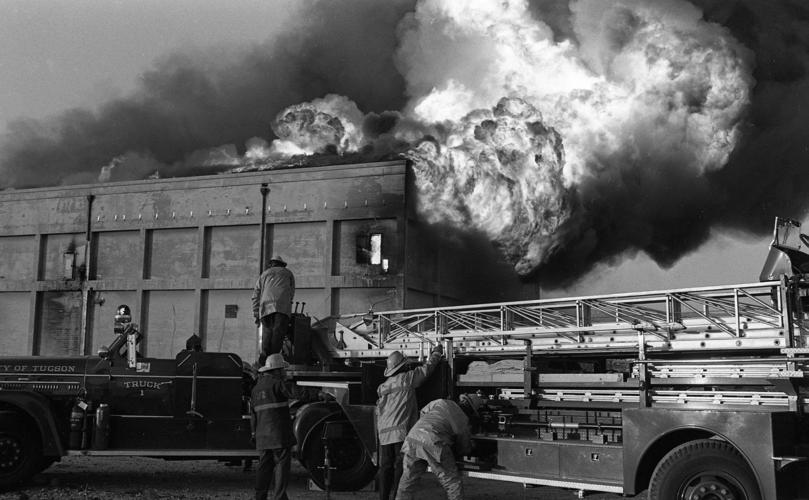
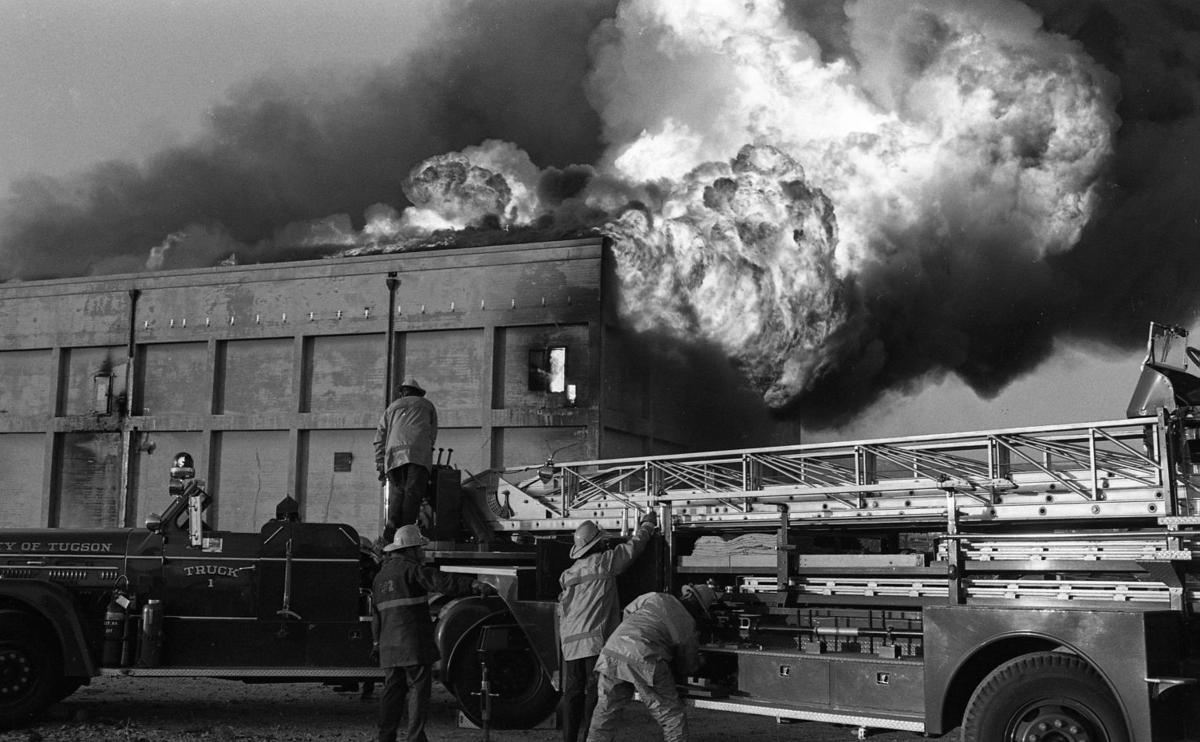
It took two boys to bring down the hulking, 90,000-square-feet former Pacfic Fruit Express ice house at 800 E. 12th St., on April 7, 1970.
Using paper, cardboard and wood, they started a small fire inside the vacant warehouse, investigators said. It quickly spread. They couldn't stop the flames and they bolted from the building.
Tucson firefighters arrived around 5:20 p.m. to find smoke billowing from the north side of the building. Short investigation found it to be well-involved. A ladder crew cut one hole in the massive roof in attempt to vent smoke but they quickly retreated due to imminent collapse.
The fire became defensive, as it was too dangerous to fight it internally. Flames tore through the massive wood beams, wood platforms and insulated walls. Firefighters were hampered by the delay in detecting fire, the building's design and construction and a stubborn 20 mph wind that pushed the flames. It was a spectacle for hundreds of onlookers.
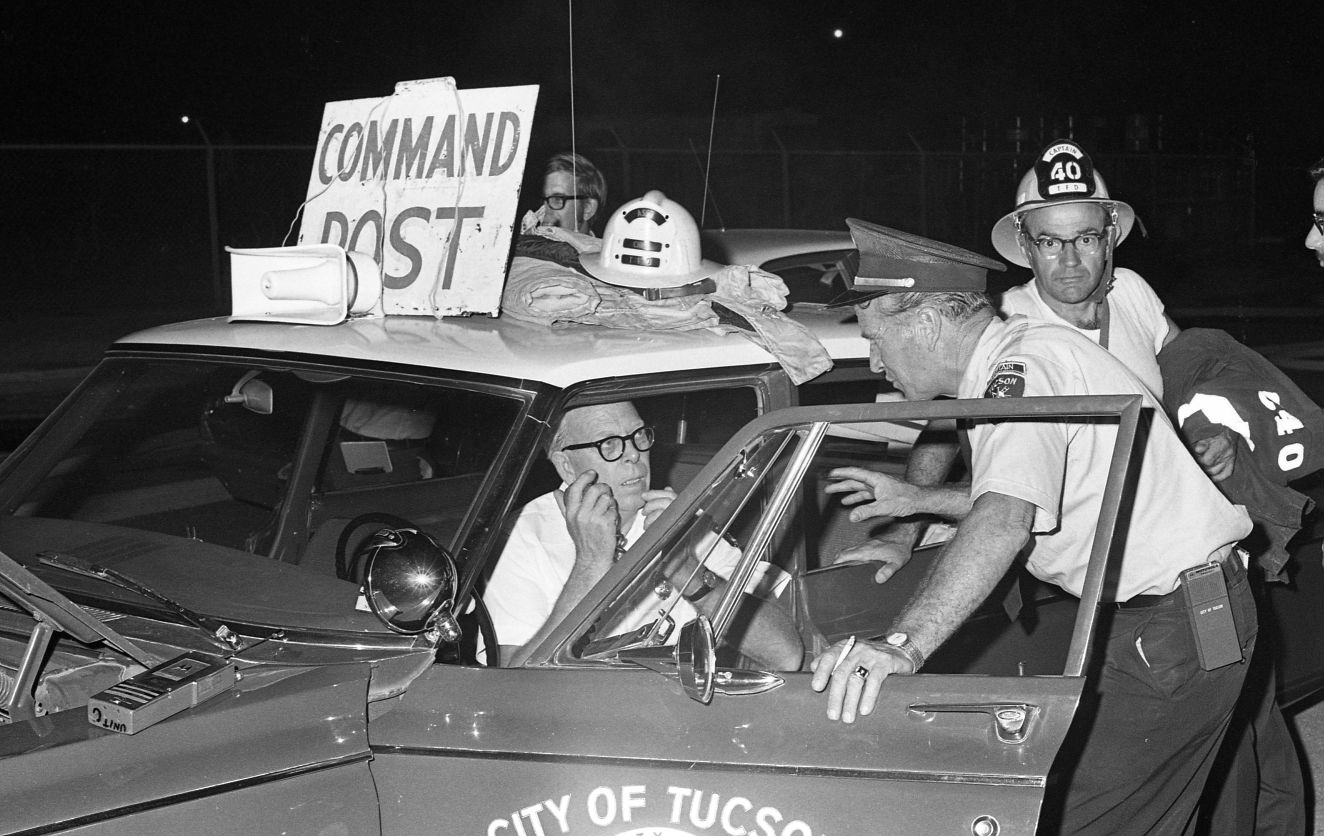
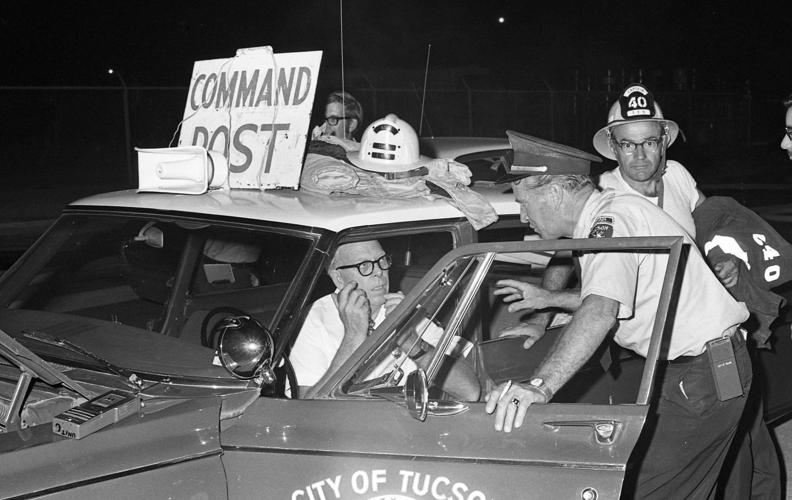
Tucson Fire commanders at former Pacific Fruit Express warehouse (known as the Ice House) at 802 E. 12th St. on April 7, 1970. Tucson Citizen
After 45 minutes of dumping water, the pressure dropped and Tucson Water had to open a huge water valve under the street to divert water from one city sector to another to fight the fire. It took 1,460,000 gallons of water surging through more than 11,000-feet of hose line to quell the flames. The fire was declared under control after a couple hours, but firefighters continued to pour water on it well into the night.
HISTORY
Pacific Fruit Express refrigerated railcar service was created as a joint venture of Southern Pacific and Union Pacific railroads in the early 1900s to move fresh produce from the rich Imperial Valley in California throughout the U.S.
Large ice plants, such as in Roseville, Calif., produced ice for refrigerated PFE warehouses and boxcars throughout the West.
The refrigerated rail cars, or "reefers," took on fresh ice at the satellite warehouses. Blocks of ice weighing 300 pounds were dropped through hatches atop the cars.
One of the stops was at 90,000 square-foot ice house in Tucson. By the early 20s, PFE was the largest producer of ice in the world.
Southern Pacific sold the Tucson ice house to Bud Antle Enterprises, a large grower of produce in California, about a year before the fire. The destroyed building was demolished a year later. The site is now a warehouse for the Tucson City Clerk's Office.
Photos: Ice House fire in 1970
Ice House fire in 1970
Updated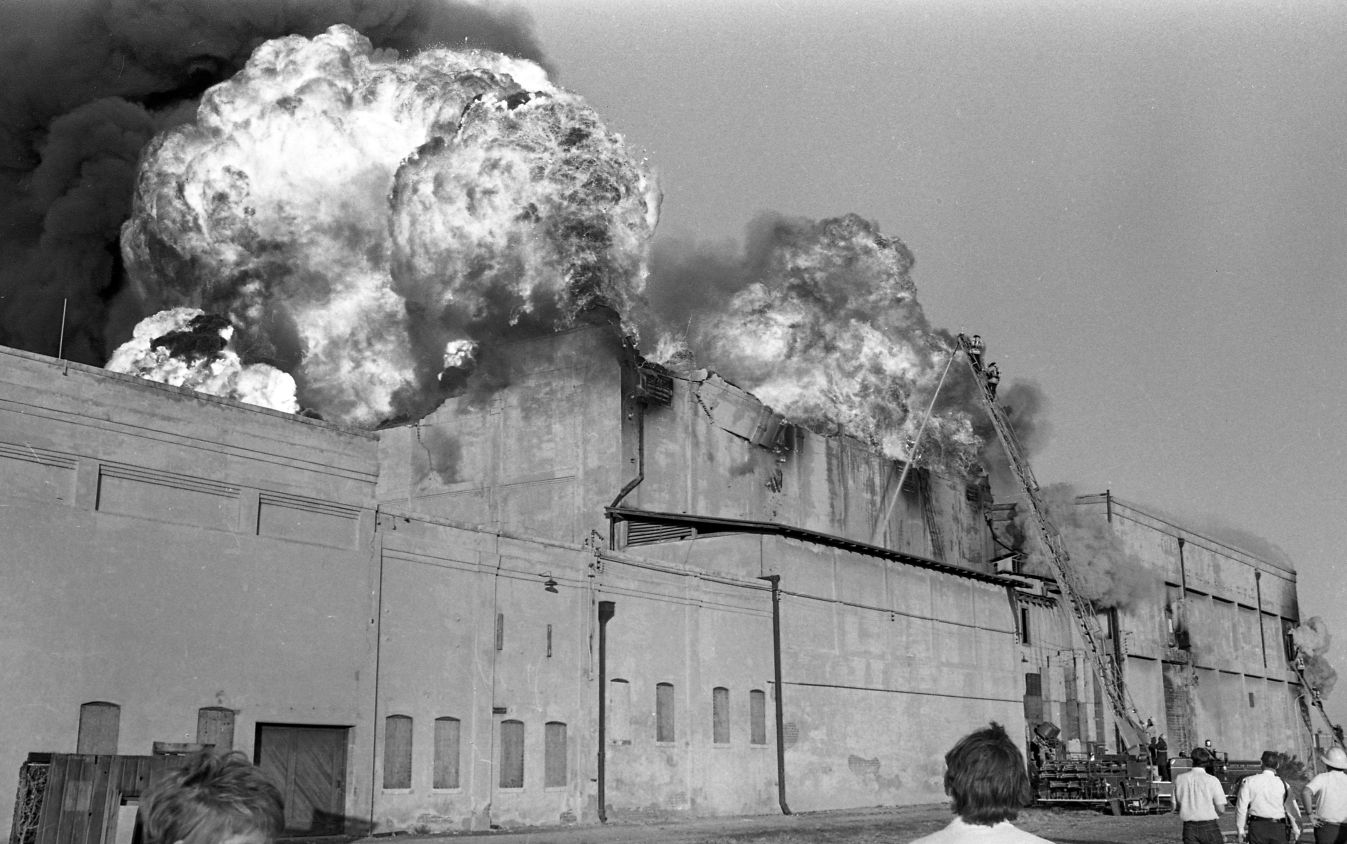
The heavy roof collapsing likely caused the balls of flame during a fire at former Pacific Fruit Express warehouse (known as the Ice House) at 802 E. 12th St. on April 7, 1970. Tucson Citizen
Ice House fire in 1970
Updated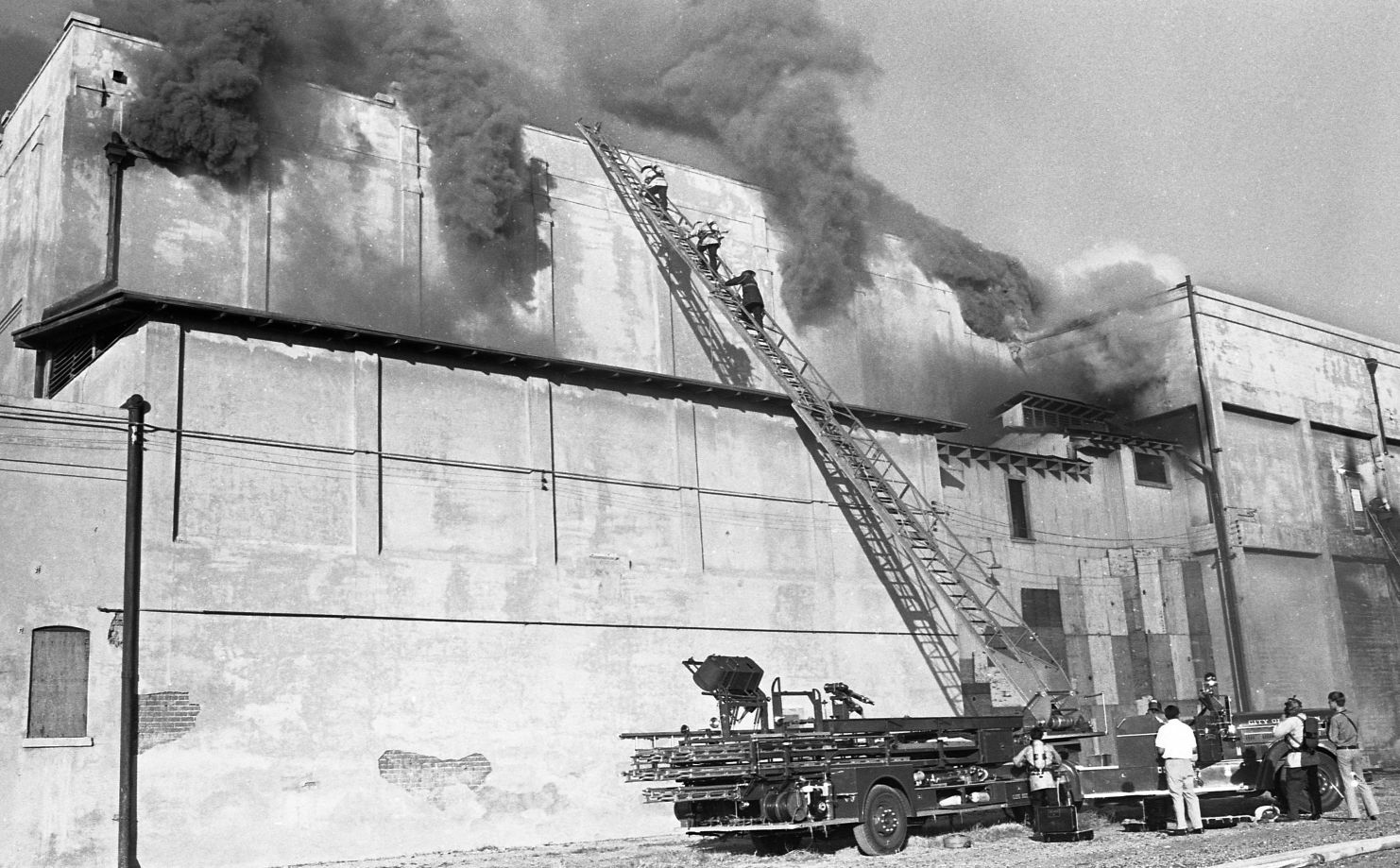
Smoke billows from the wood beams and ceiling at former Pacific Fruit Express warehouse (known as the Ice House) at 802 E. 12th St. on April 7, 1970. Tucson Citizen
Ice House fire in 1970
Updated
Tucson firefighters extend a ladder to an open window during a fire at former Pacific Fruit Express warehouse (known as the Ice House) at 802 E. 12th St. on April 7, 1970. Tucson Citizen
Ice House fire in 1970
Updated
The fire was driven by huge wood beams and ceilings at former Pacific Fruit Express warehouse (known as the Ice House) at 802 E. 12th St. on April 7, 1970. Tucson Citizen
Ice House fire in 1970
Updated
The 60-year-old wood-framing burns hot during a fire at former Pacific Fruit Express warehouse (known as the Ice House) at 802 E. 12th St. on April 7, 1970. Tucson Citizen
Ice House fire in 1970
Updated
Tucson Fire commanders at former Pacific Fruit Express warehouse (known as the Ice House) at 802 E. 12th St. on April 7, 1970. Tucson Citizen
Ice House fire in 1970
Updated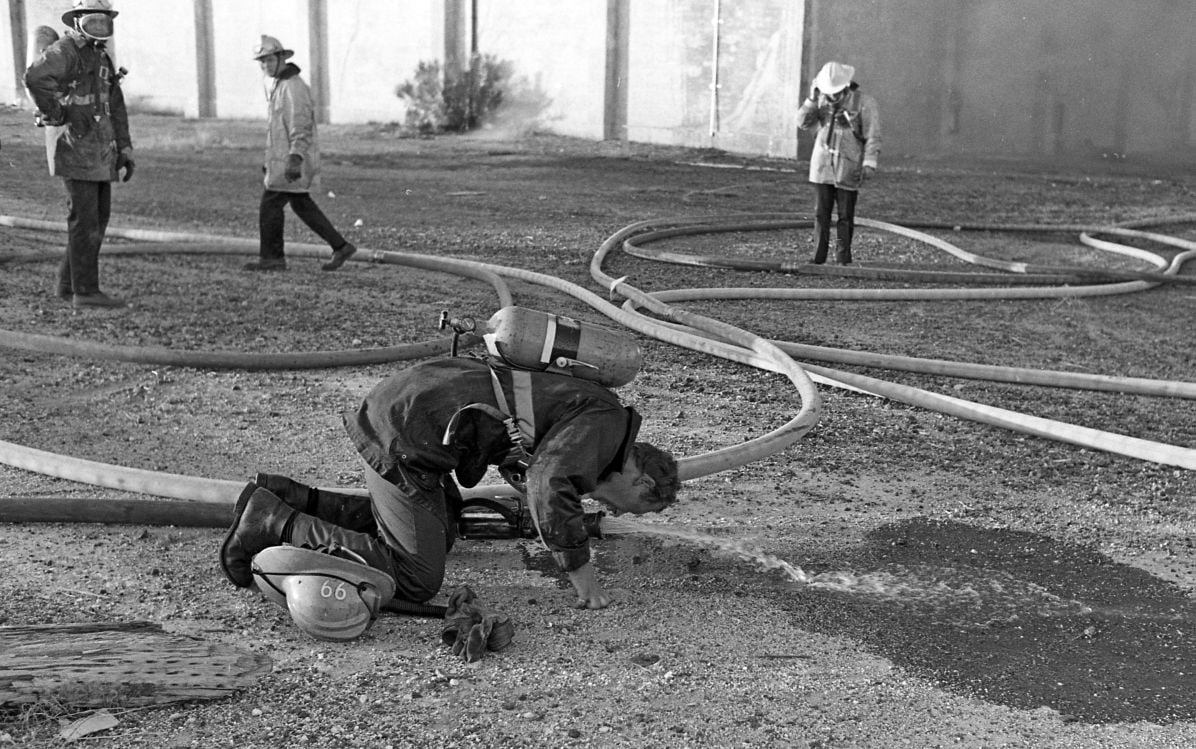
An overheated firefighter sprays water on his face at former Pacific Fruit Express warehouse (known as the Ice House) at 802 E. 12th St. on April 7, 1970. Tucson Citizen
Ice House fire in 1970
Updated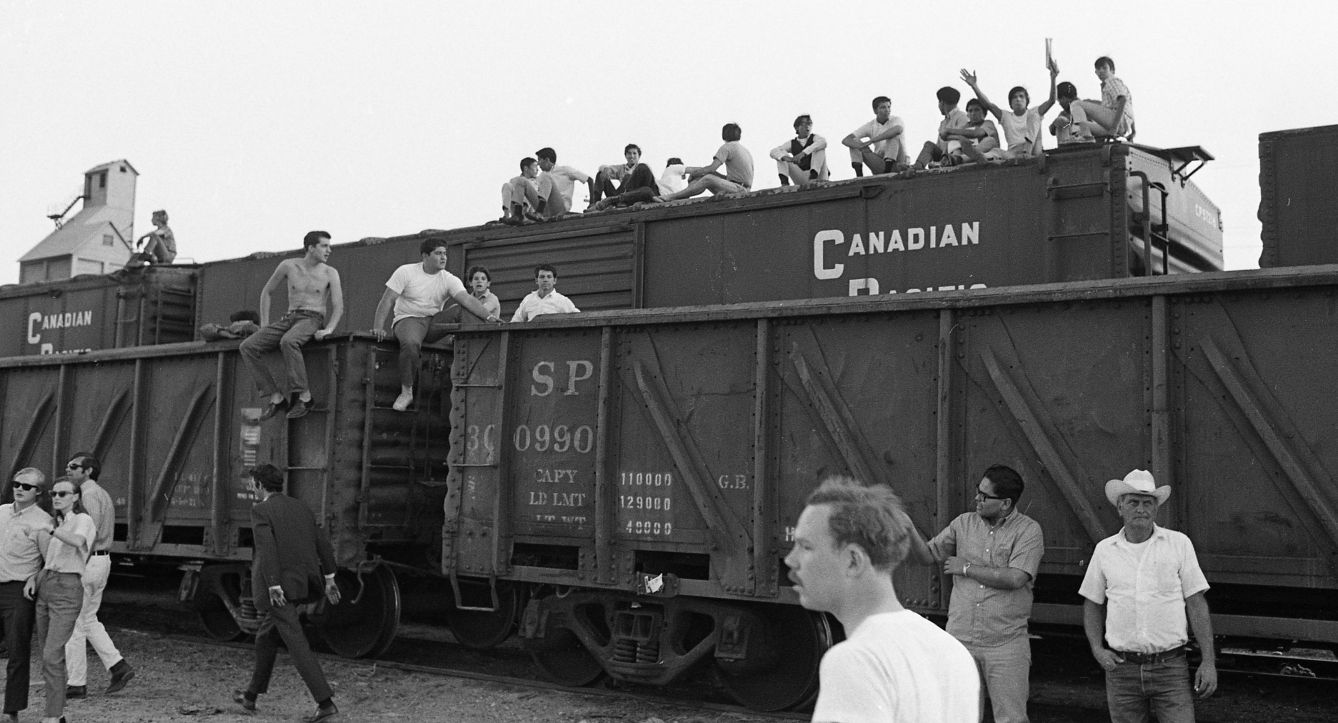
Big fire was a spectacle at former Pacific Fruit Express warehouse (known as the Ice House) at 802 E. 12th St. on April 7, 1970. Tucson Citizen
Ice House fire in 1970
Updated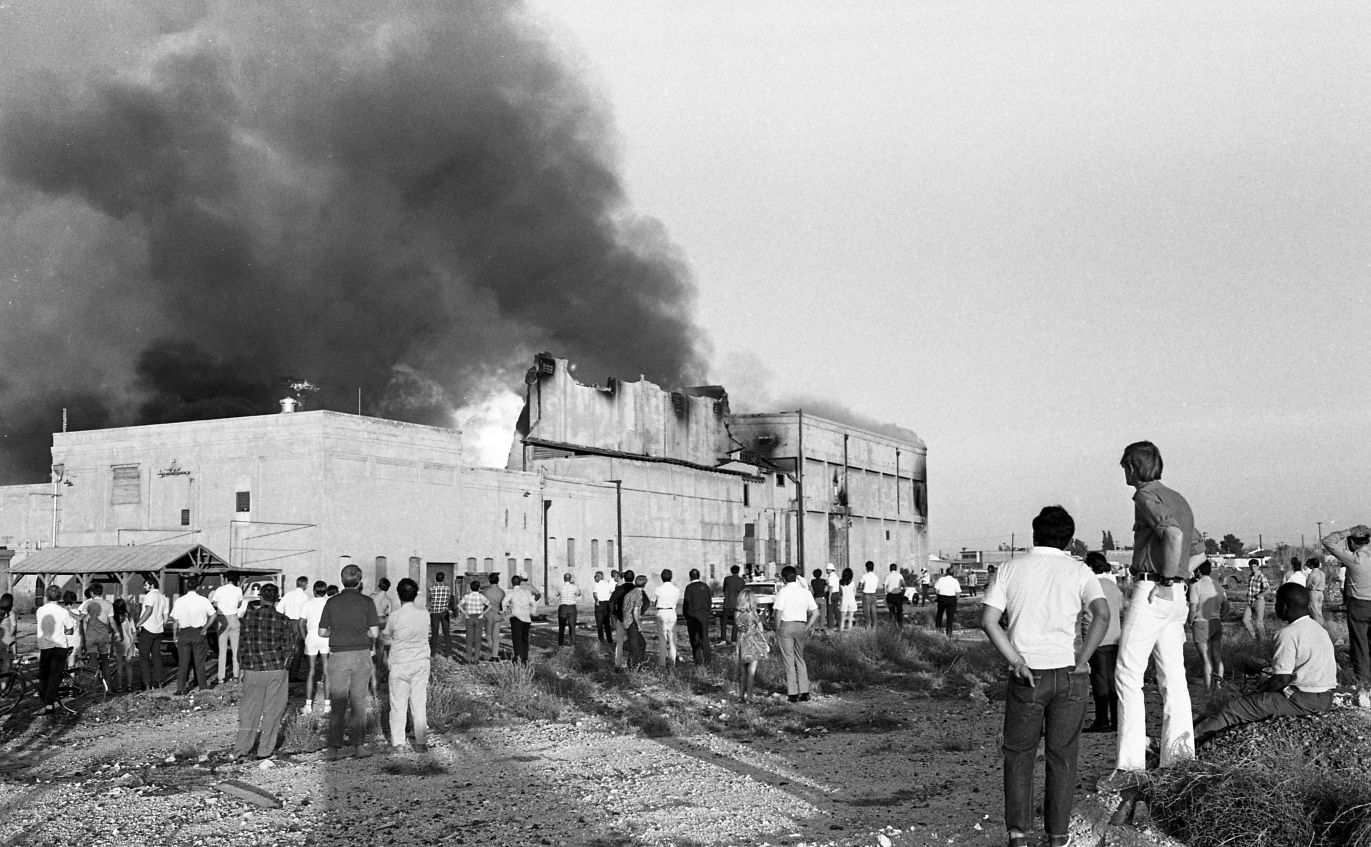
Big fire was a spectacle at former Pacific Fruit Express warehouse (known as the Ice House) at 802 E. 12th St. on April 7, 1970. Tucson Citizen
Ice House fire in 1970
Updated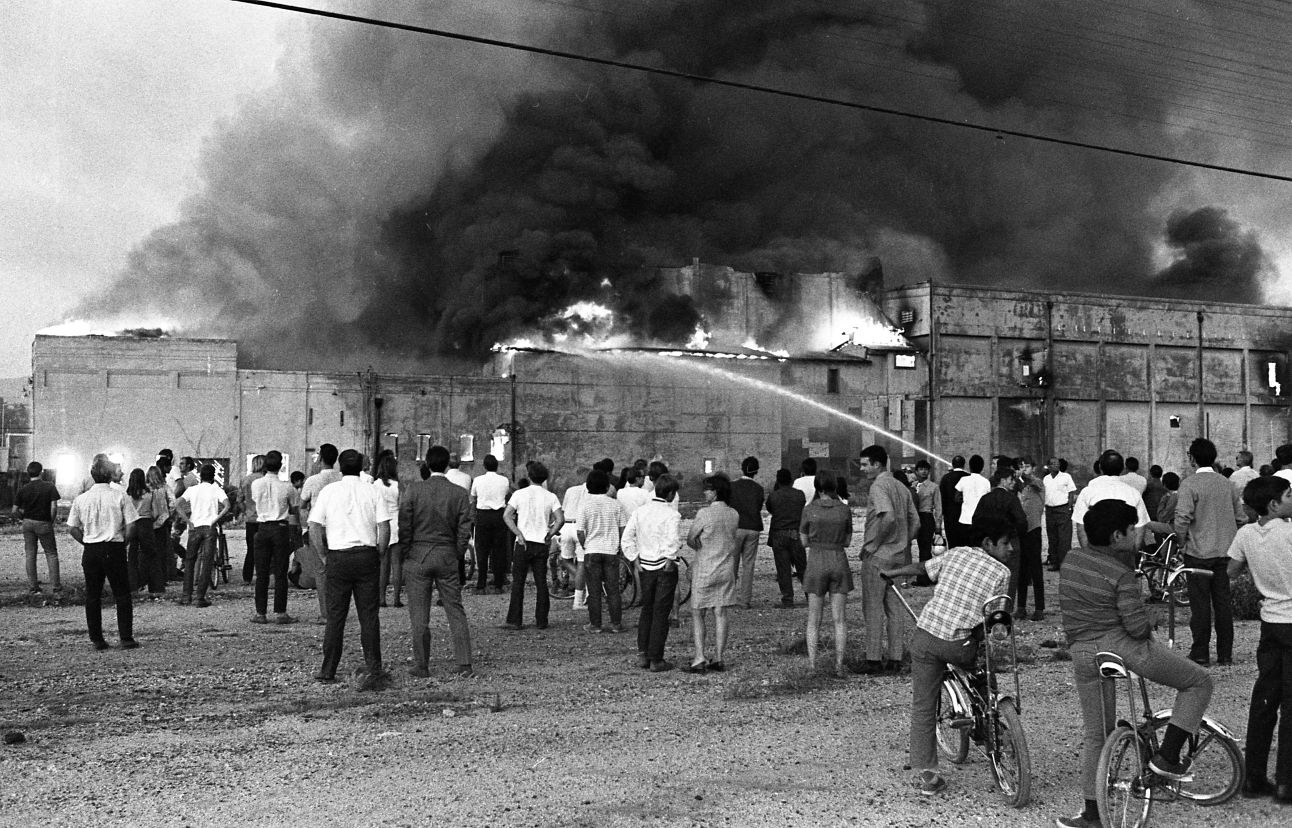
Big fire was a spectacle at former Pacific Fruit Express warehouse (known as the Ice House) at 802 E. 12th St. on April 7, 1970. Tucson Citizen
Ice House fire in 1970
Updated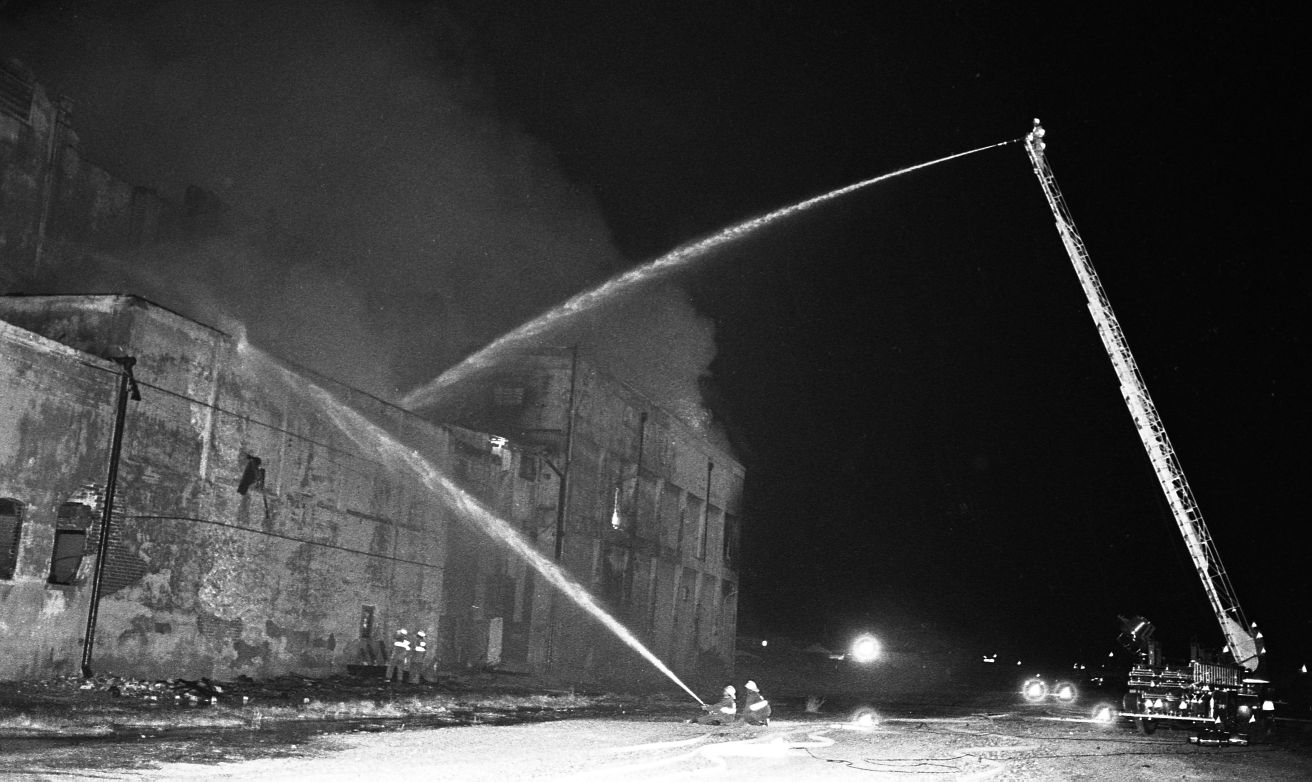
Tucson firefighters kept steams directed all night at former Pacific Fruit Express warehouse (known as the Ice House) at 802 E. 12th St. on April 7, 1970. Tucson Citizen
Ice House fire in 1970
Updated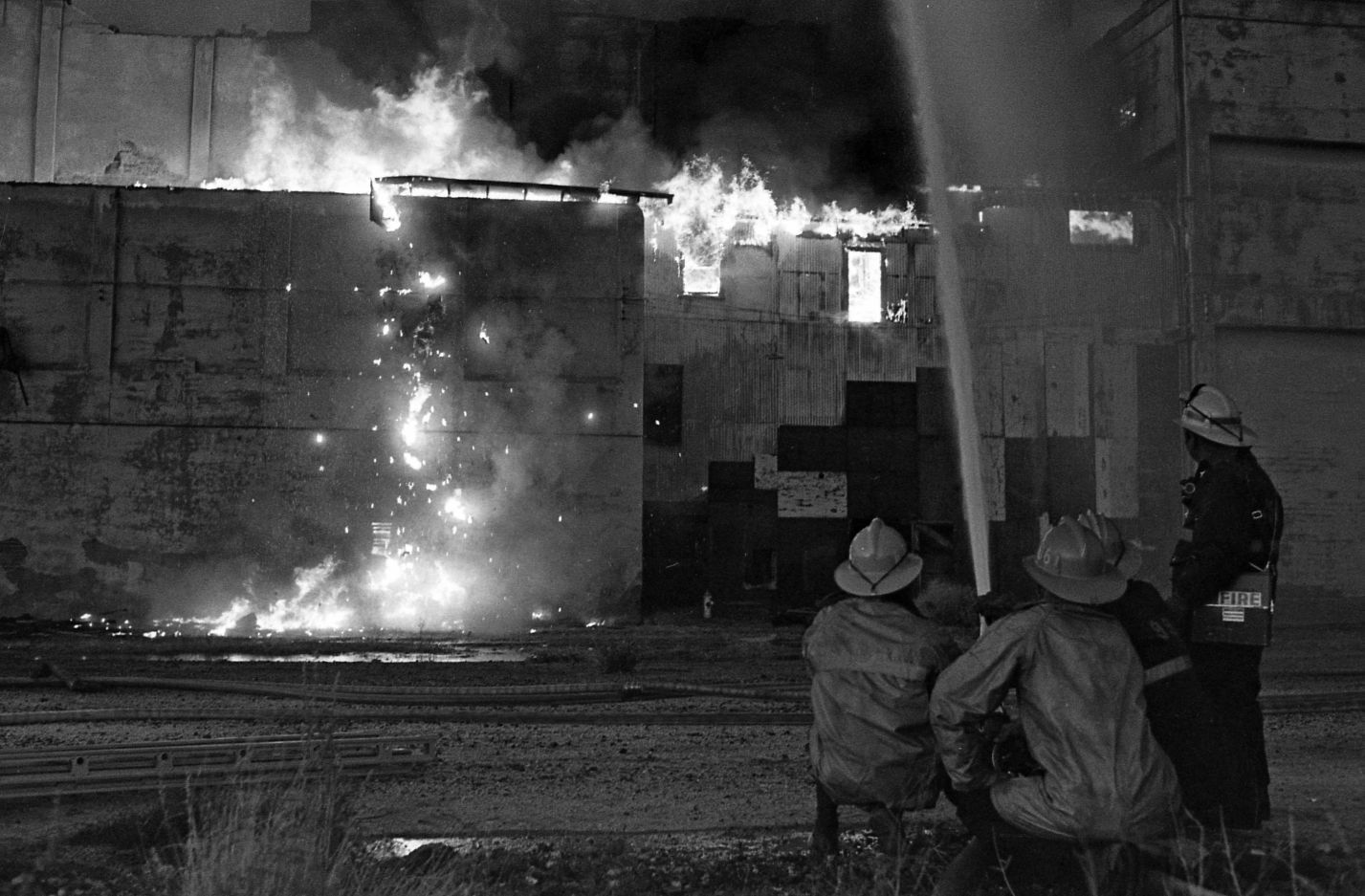
The fire was under control a few hours after dispatch but fire watch remained until 10am the next morning at the Pacific Fruit Express warehouse (known as the Ice House) at 802 E. 12th St. on April 7, 1970. Tucson Citizen
Ice House fire in 1970
Updated
The steel I beams draped through out the huge warehouse after a huge fire at former Pacific Fruit Express warehouse (known as the Ice House) at 802 E. 12th St. on April 7, 1970. Tucson Citizen
Ice House fire in 1970
Updated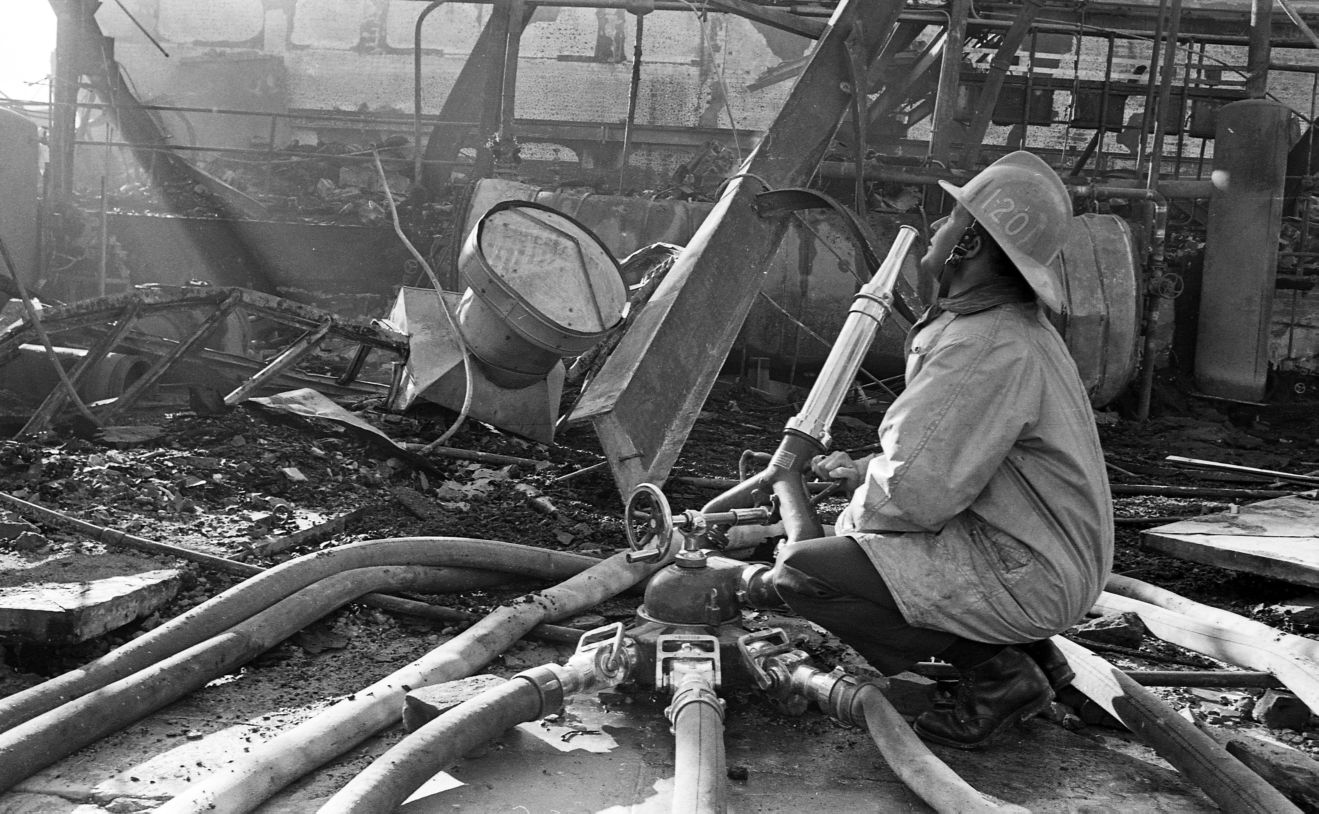
A firefighter on fire watch sits among the rubble at former Pacific Fruit Express warehouse (known as the Ice House) at 802 E. 12th St. on April 7, 1970. Tucson Citizen