



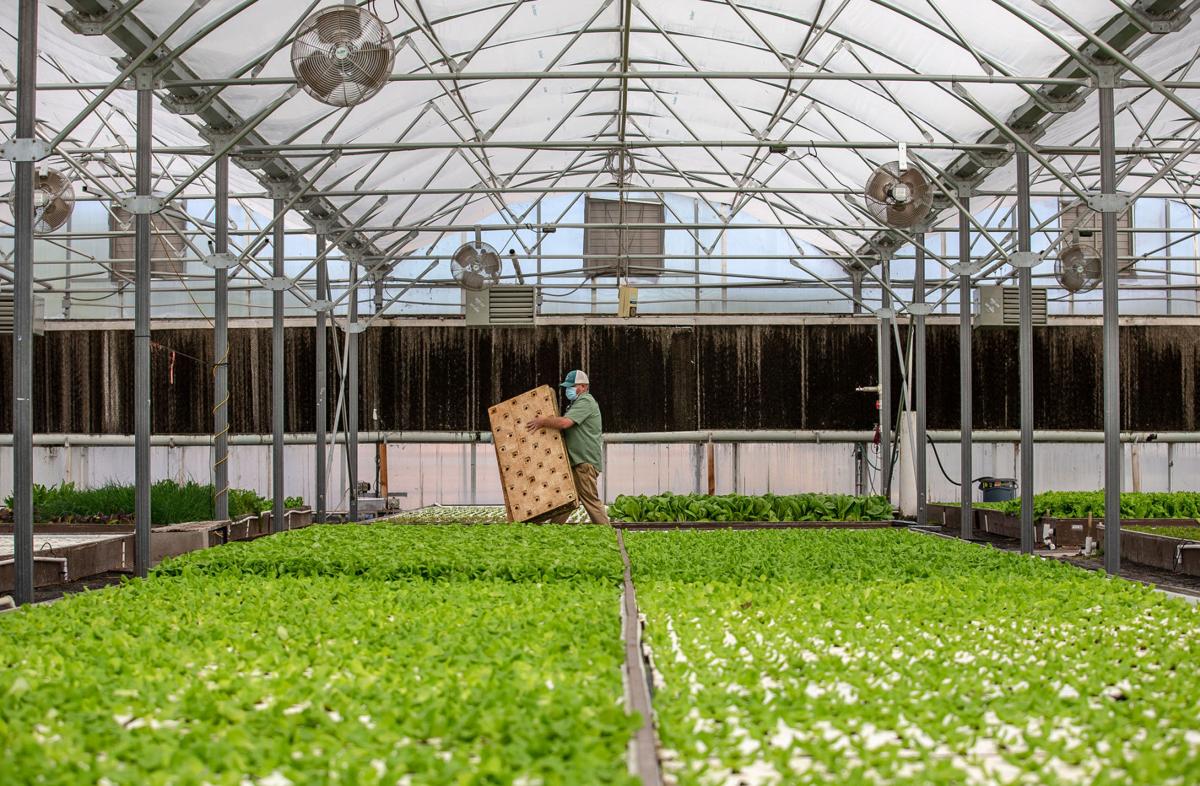
Southern Arizona farmers are joining the 21st century thanks to a federal grant that will help them enter the digital world.
The effort is being led by Startup Tucson, which landed a $250,000 United States Department of Agriculture grant to create an e-commerce website for regional agriculture producers to connect them with consumers.
Startup Tucson has partnered with Merchant’s Garden, Visit Tucson, BRINK Creative Group and University of Arizona Department of Agricultural Education, Technology and Innovation on the two-year project that will help local food producers “level-up” their technology and business models.
“We really look at this as a communitywide project,” said Startup Tucson Executive Vice President Dre Thompson.
The plan is to bring ag business into the 21st-century digital world and expose producers to new online customers through a one-stop-shop platform hosted by Visit Tucson.
“When COVID hit, we just saw the devastation with the markets closing down,” Thompson said. “We saw this opportunity pop up and in ... conversations we had with food entrepreneurs and agriculture businesses, we learned that technology was the biggest gap.”
Area farmers have been hard-hit since March, when the coronavirus pandemic put an end to their in-person farmers markets and dramatically cut their sales to restaurants.
Even as restaurants reopened in May, farmers have struggled to make ends meet with reduced demand and the loss of their direct consumer sales through the handful of weekly markets that still have not returned.
The pandemic was the latest and arguably biggest blow to farmers and producers, which had struggled even before then to eke out a living. According to a 2019 study by Carney & Krause, roughly 70% of Southeastern Arizona farms sell less than $10,000 of product every year, which leaves a sizable potential market that farmers were unable to fully tap into.
And with Tucson’s designation as North America’s first UNESCO City of Gastronomy, the interest in heritage foods and farm to table has only increased the potential for growers.

Farmers were hit hard when the coronavirus pandemic forced farmers markets to close.
But the biggest hurdle was the lack of technology savvy industrywide, particularly in times of national crisis like the pandemic.
In surveys with farmers and producers, Startup Tucson learned that only 13% of producers had modern e-commerce websites.
“Our goal is to provide e-commerce websites to connect producers directly to consumers” through a virtual farmers market that can reach buyers far beyond Tucson’s borders, Thompson said.
“There’s a massive disruption with COVID with connectivity and getting our products out there,” said Merchant’s Garden founder Chaz Shelton. “Restaurants and farmers markets are diminished. It’s kind of like we all came together and decided to get better connected with our consumers.”
The free websites will be developed by BRINK and Visit Tucson, which has 2 million unique visitors to its site annually, will host a platform that links to the individual sites.
Visit Tucson promotes Tucson attractions and businesses, many of which, Thompson said, reported increased revenues of 40% due to business generated through the Visit Tucson portal.
Thompson said the plan is to launch the platform and start building the websites next April and launch its so-called Startup Food Accelerator program next summer. That program will help farmers and producers diversify their products including creating more shelf-stable items that will attract online shoppers and tourists interested in Tucson’s heritage foods.
“We are a City of Gastronomy, which is all about our food production and our heritage,” Shelton said. “But all of our resources and attention have been spent on food prep and restaurants.”

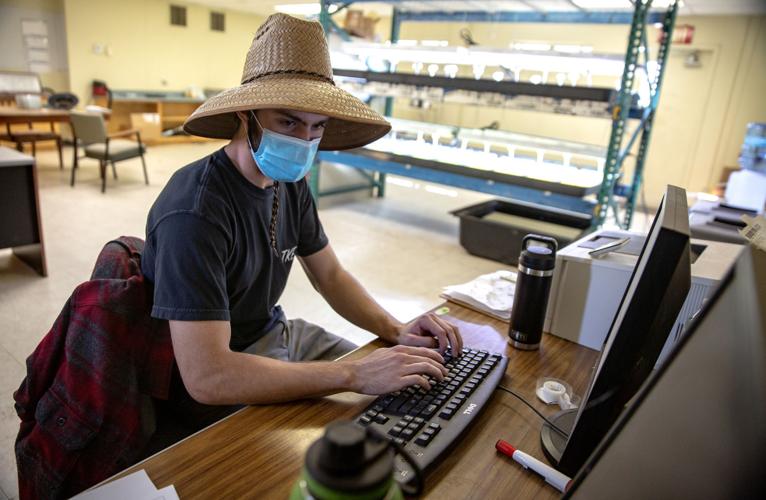
Brennan Glow, assistant grower at Merchant’s Garden, types in data at the company’s urban aquaponics farm. Merchant’s Garden has developed a drive-thru pop-up market that “has a farmers market feel.”
Shelton’s role will be to connect with the agriculture community and explore ways to bring consumers who are used to the personal interaction with the farmers to the digital platforms.
“That’s the million-dollar question,” he said. “If you look at like grocery shopping, digital grocery shopping is blowing up right now. Why can’t we do the same thing in farming?”
That’s what Shelton hopes to figure out with a $100,000 USDA local food promotion program grant that he received around the same time as Startup Tucson received its USDA grant.
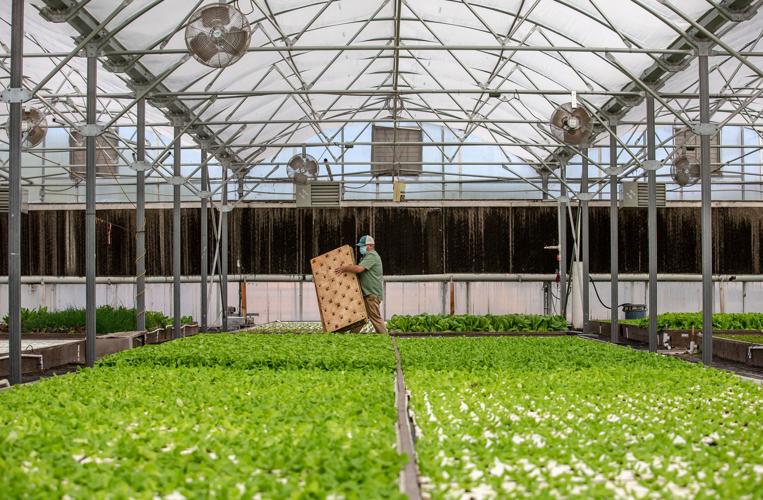
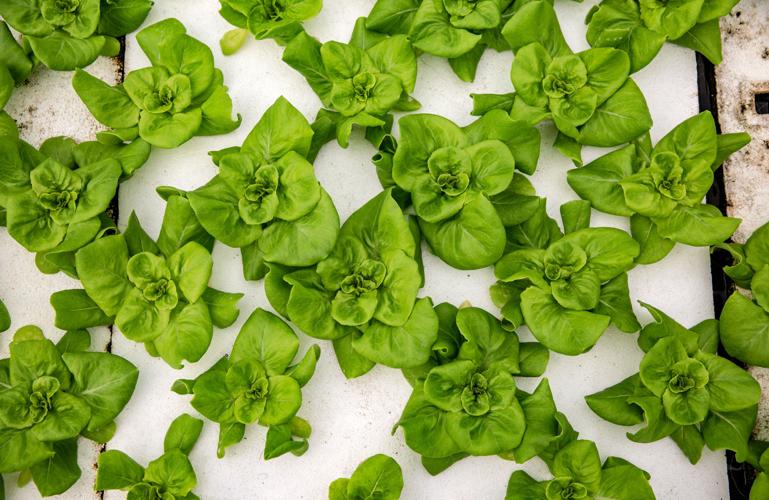
Shelton will develop strategies using his midtown aquaponics and hydroponics farm at 555 S. Tucson Blvd. as a model. The goal, he said, is to research what consumers want and need, especially as they deal with the pandemic.
“We want to see what their tolerance is for maybe coming to a new drive-thru pop-up market,” he said, which is one of the ideas he already has launched at Merchant’s Garden. “It’s COVID-safe but has a farmers market feel.”
Shelton is exploring ways to bring that concept to larger, more rural farm operations.

Tomatoes grow at the Merchant’s Garden aquaponics farm in midtown Tucson.

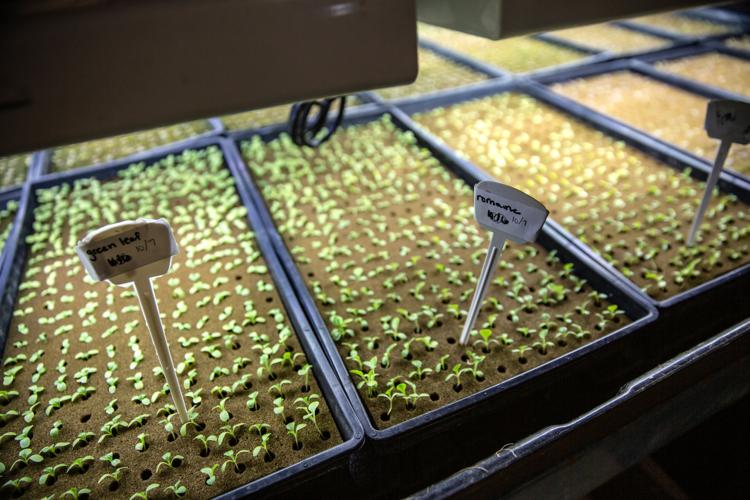
Seedlings grow at the urban aquaponics farm Merchant’s Garden before they are moved to the greenhouse and transplanted into aquaponics growing beds located at 555 S Tucson Blvd, on Oct. 20, 2020.

