

The first television episode Owen Cooper shot is likely the one that will make him the youngest actor to win an Emmy in the limited series supporting actor category.
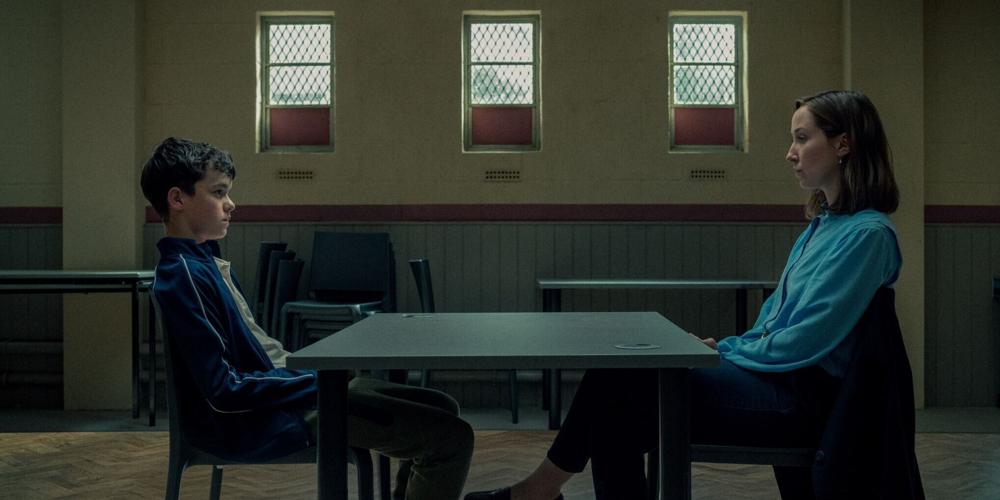
As 13-year-old Jamie Miller in “Adolescence,” Cooper talks to a therapist about the murder he’s accused of committing. It’s a harrowing hour that finds Erin Doherty as Briony Ariston, a psychologist trying to get at what might have prompted the action. The two sit across from each other and talk while a camera moves around them.

Owen Cooper was Emmy nominated for Best Actor in a Supporting Role in a Limited Series for "Adolescence." He plays a teenager charged with murder.
The Netflix series, which was nominated for 13 Emmys, is a riveting piece of drama that co-star Ashley Walters says “totally revived acting for me. Watching Owen reminded me what acting is all about because he was so pure.”
But how did the now-15-year-old Cooper get there? First through an audition, which landed him in the running for the part, then an extensive rehearsal process that found the actors performing scenes without stopping. The therapy session, which was the first episode shot, comes in episode three.
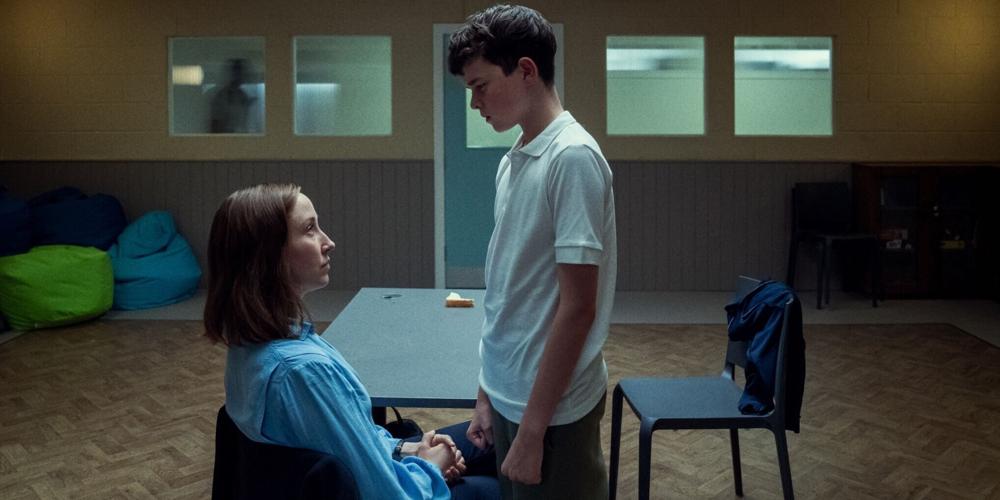
And yes, Cooper says, it was challenging. “I have to get right up in her face and scare her. In rehearsals, I couldn’t do that because it was a bit out of my comfort zone. We had two weeks of rehearsal, and (then) I was perfectly fine doing it.”
Doherty, however, was nervous when she understood what was being asked of her. She talked to a therapist to understand the mental agility needed to get the boy to open up.

Owen Cooper confronts Erin Doherty in "Adolescence."
“It’s a real tribute to what (Cooper) did, because it could be quite easy for this kid to come across as a monster,” Doherty says. “There’s a richness to what (he’s) done with this part that’s incredible.”
Stephen Graham, who co-created the British crime drama and stars as Jamie’s father, says he and co-creator Jack Thorne wanted to produce a show that might get viewers to reconsider how they view crimes in the news.
“You always look at these things and you go, ‘Oh, well, that could never happen to us,’ but it’s like, ‘No, this could happen to you.’ This could be your household. We wanted to make the Millers a hard-working, decent, loving family,” Graham says. “Our main aim was to try and create that conversation within the household because, no matter how much we try and teach our kids and parent our kids, the world we’re in is a completely different world than when we were kids.”
Social media, he adds, plays a big role in the shift. “We all have an obligation to take some responsibility and some accountability of what happens with this next generation.”

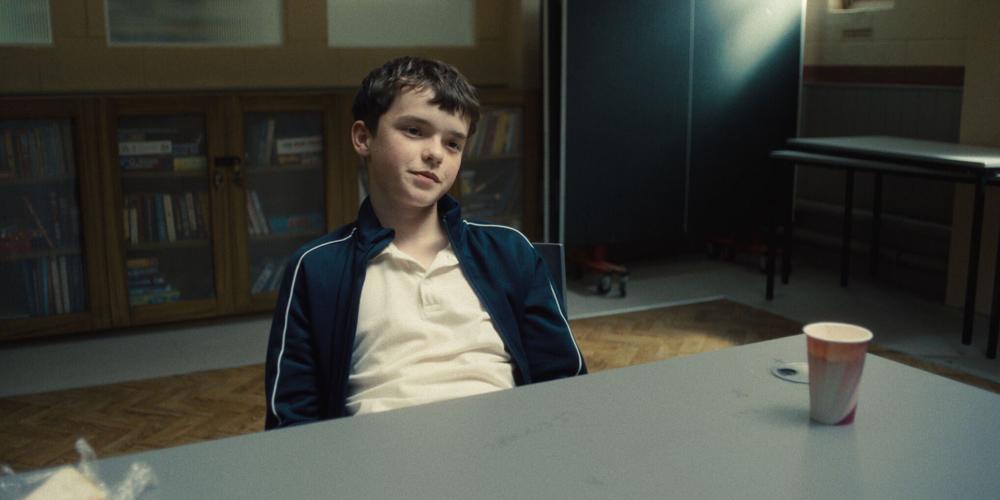
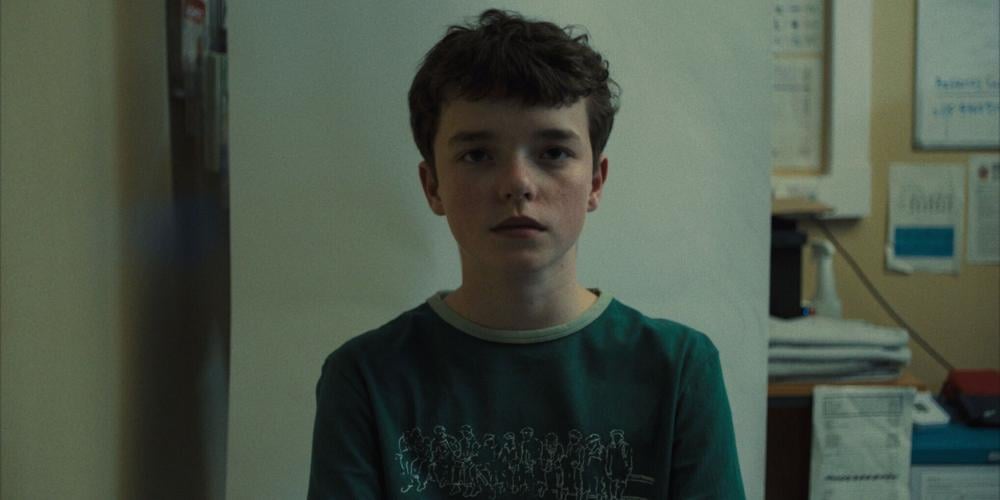
Owen Cooper stars as Jamie Miller in "Adolescence."
Cooper, who admits he’s constantly on social media, says, “kids nowadays are just getting corrupted by social media.”
To express the anger that Jamie shows in episode three, Cooper says he had to rely on Doherty. “The anger that comes out of Jamie is true because Briony is winding me up for like an hour straight.”
Cooper says he didn’t know some of the issues raised in the first two episodes but discovered details about other teens through his co-stars. “That’s what social media is doing to people my age,” he says.

The first scene Owen Cooper shot for "Adolescence" was opposite Erin Doherty as a therapist trying to understand why he did what he did.
To get there, director Philip Barantini worked “meticulously and intensely” with Cooper, Graham says. “He’s not the kind of kid that stands and shouts in anyone’s face. There are parts of him that are nowhere near the character that he plays. He’s a once-in-a-generational talent.”
Now, the folks behind “Adolescence” hope the Netflix series will resonate with viewers and push them to consider the triggers in society.
“It’s not deluded in the sense of going, ‘and this is what we should do,’” Doherty says. “It knows it’s not that simple but it still has the guts to ask the question. It’s really rare to come across a piece of art that does that. Actually, I think the best art has a multitude of answers. And this is one of those pieces.”



