


Tucson voters reelected Mayor Regina Romero to her second term, according to an unofficial count of votes released by Pima County.
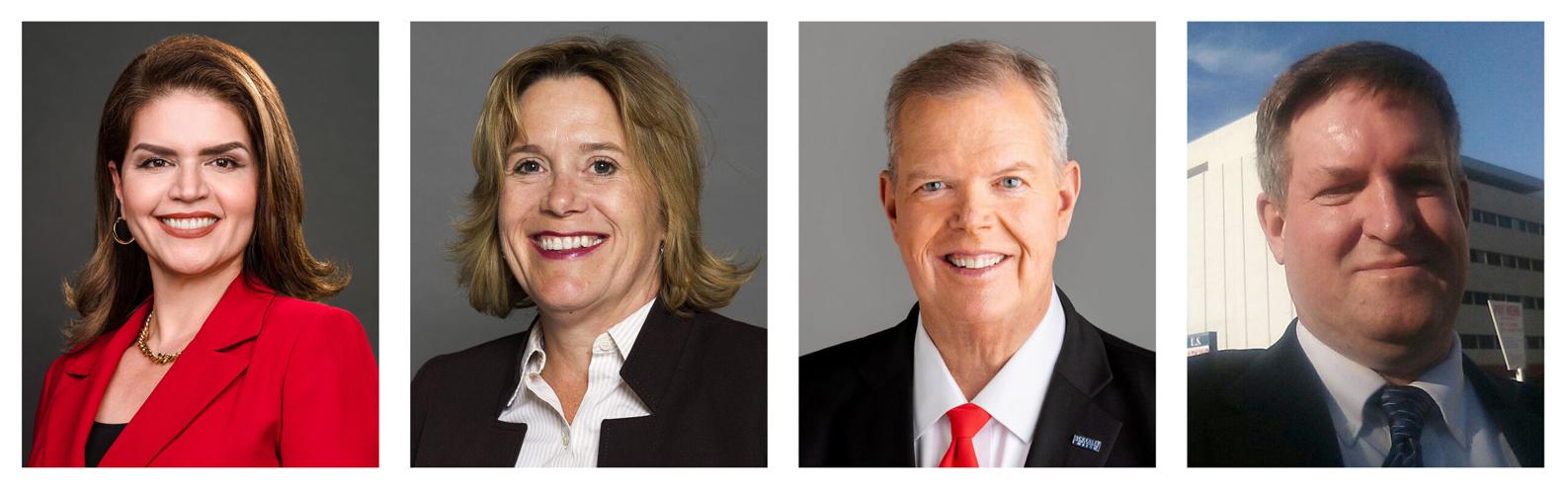
Unofficial counts released Tuesday night say Romero has gained 61% of votes counted so far, beating out Republican challenger Janet Wittenbraker, who about 31% of ballots casted are for.
Independent Ed Ackerley won 7% of the vote and Arthur Kerschen received 1.37%, according unofficial results released by the county about 8 p.m.
The results as of Tuesday night represent 183 of 193 Tucson precincts, or about 95%. Ballots were received by the Tucson's city clerk through mail. Voters could also drop of their ballots at drop boxes throughout the city up to 7 p.m. on Tuesday.
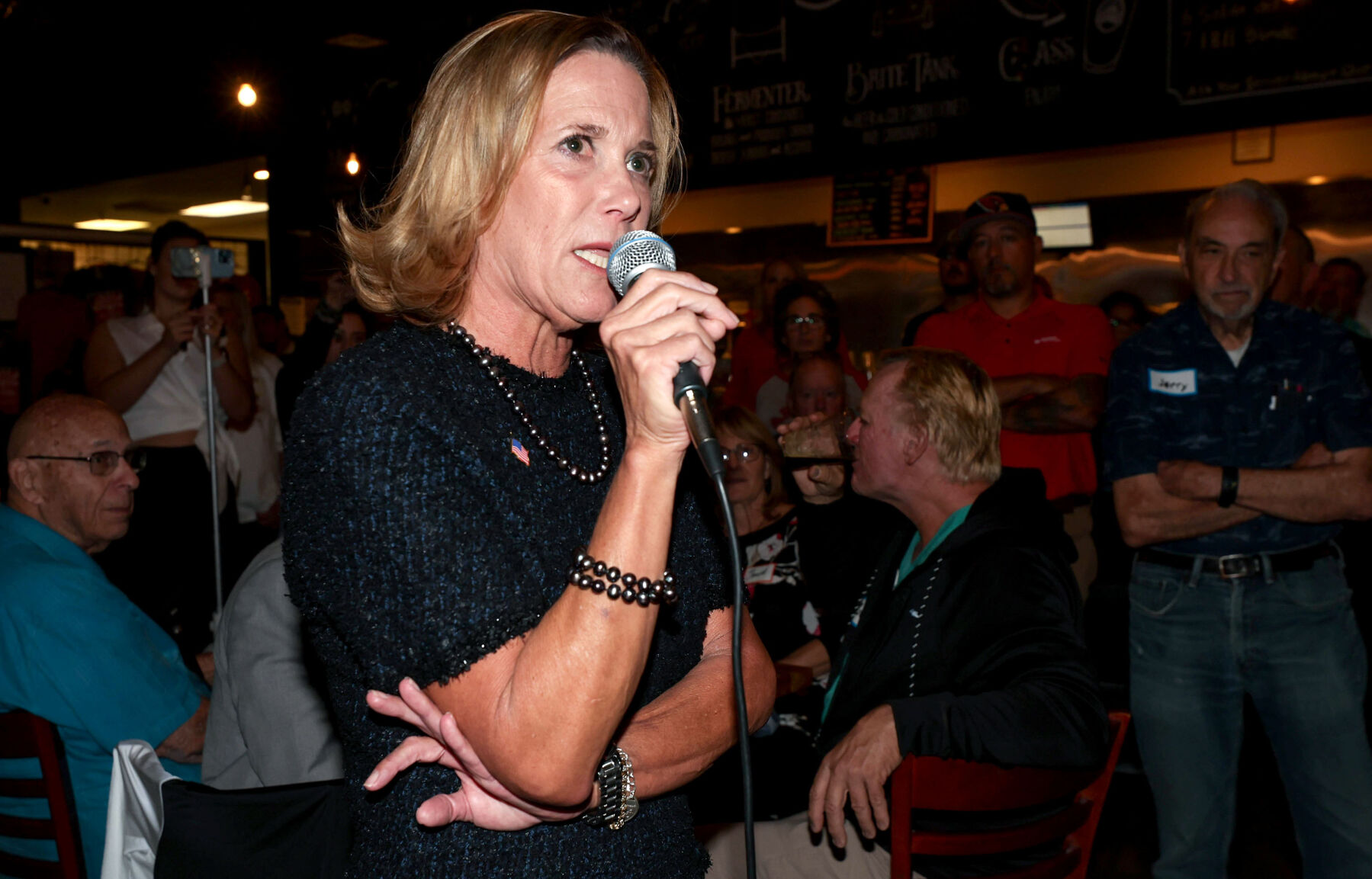
Janet Wittenbraker the republican candidate for mayor gives a speech during the Republican election night watch party at Firetruck Brewing Co., 4746 East Grant Road, Tucson, Ariz., November 7, 2023.
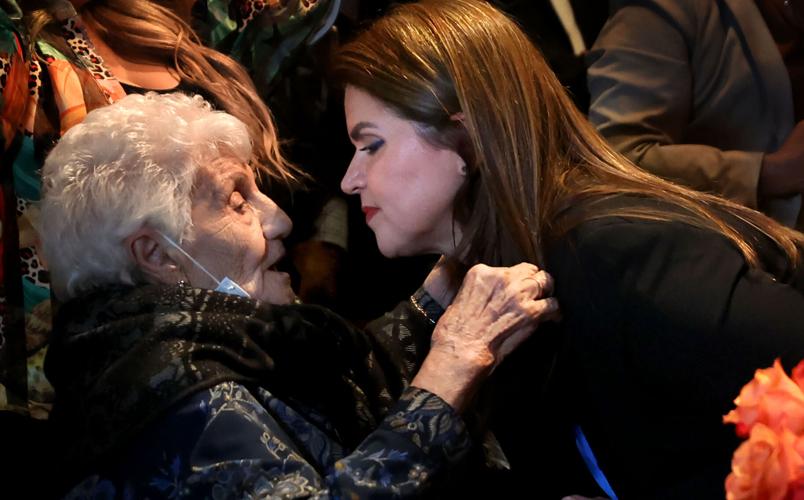
A former three-time city councilwoman for Tucson’s Ward 1, Romero was first elected in November 2019 as the city’s first Latina to serve as mayor; now, she will remain in office until 2027.
"2019 was about making history, and 2023 is about us and how we move together, Tucson. It's about what we still need to accomplish," Romero said Tuesday night.
"We've had a tremendously good, good run. We've done so much work in affordable housing and infrastructure investment, creating our community health and safety programs so that we can look at community safety in Tucson holistically," she said.
When she announced her reelection campaign in February, Romero said her priorities were to keep Tucson safe, affordable, sustainable and economically prosperous, wanting to continue building on the "tremendous progress we have made, and to continue the work to create a more economically vibrant, affordable, safer, and sustainable city where all Tucsonans can thrive.”
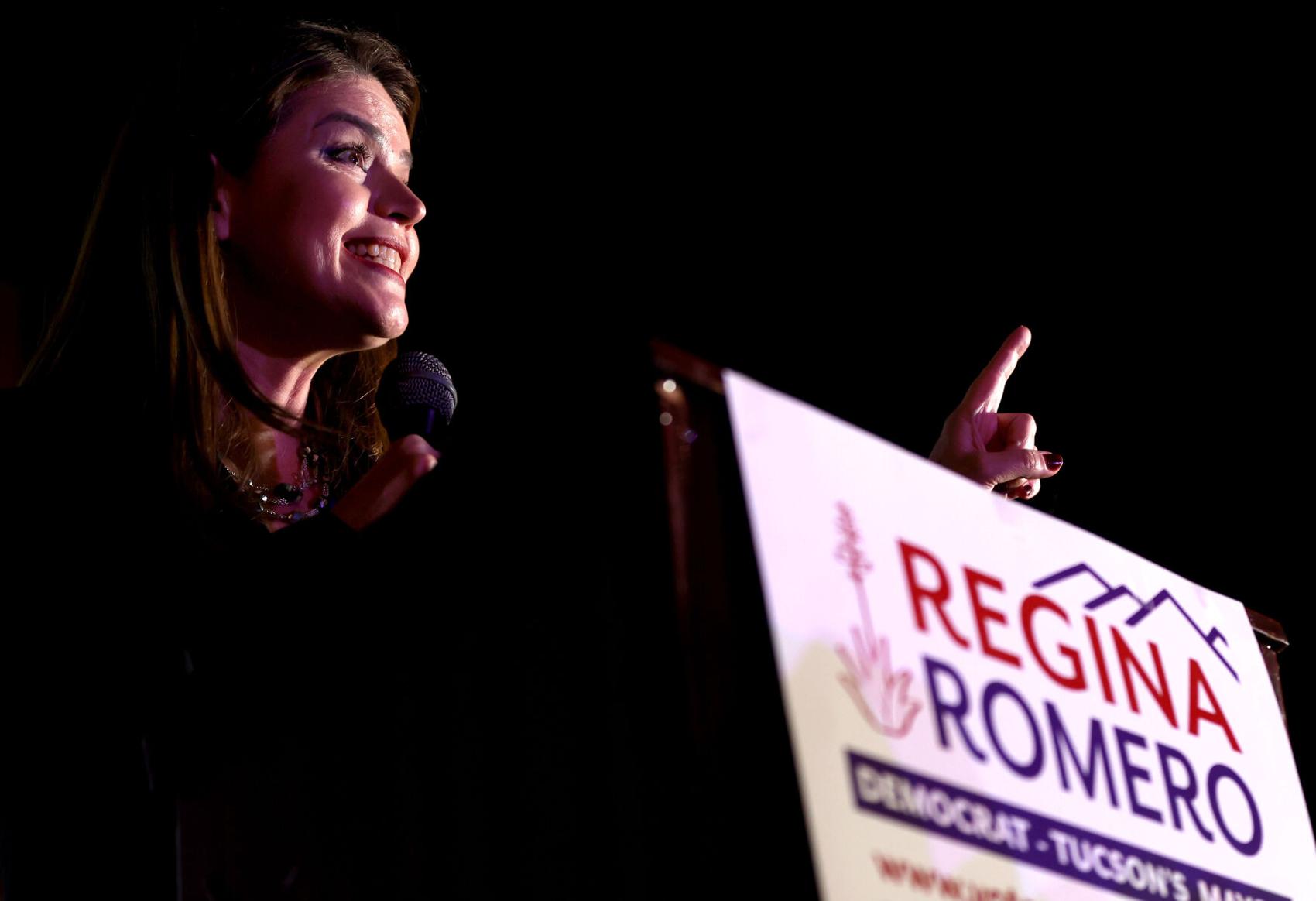
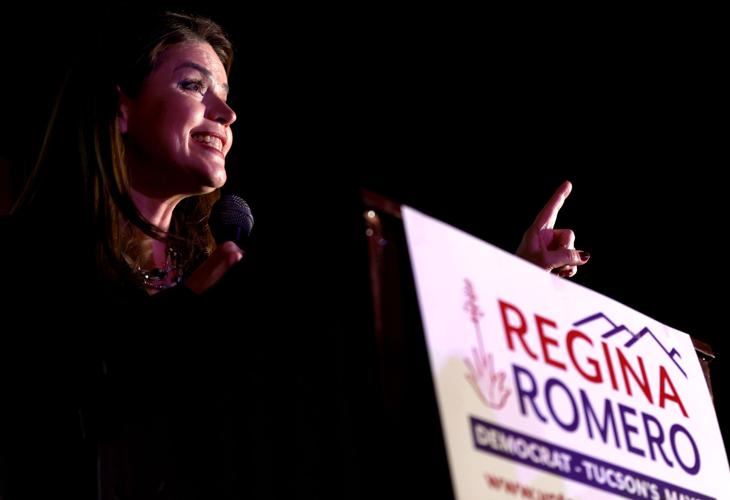
Mayor Regina Romero gives a speech to the crowd at the Pima County Democrats election party following a clean sweep by herself and the city council incumbents on election night, Tucson, Ariz., November 7, 2023.
Romero, a Democrat, touted her handling of the COVID-19 pandemic that struck shortly after she was elected. She supported COVID-19 mitigation policies such as mask-wearing and vaccinations and went toe-to-toe with the state to fight for Tucson’s authority to mitigate the pandemic locally.
She also pointed to several accomplishments that have taken place under her leadership, including establishing the Community Safety, Health and Wellness Program and Equity Office, furthering the Tucson Million Trees Initiative, investing in affordable housing and leading the efforts to pass Proposition 411 to improve neighborhood roads.
“Tucson is not immune to the economic trends and challenges that cities and employers throughout the country are facing. My priority during my second term will be putting our strategic plans into action while addressing the emerging issues facing our city, including keeping our community safe, affordable, and economically prosperous," Romero previously said.
Romero had raised $131,486 in contributions on top of $120,380 through the city's public matching funds program, according to her latest finance report in October.
Wittenbraker
Wittenbraker reported raising $42,830 while spending a little over $26,000 in her latest financial report.
Wittenbraker currently specializes in overseeing intellectual property contracts and worked as an executive assistant for previous Assistant City Manager Albert Elias from 2013-15. She decided to run for mayor because she believes “Tucson is crumbling under the current mayor and council, and it’s really sad what’s happening to our beautiful city.”
Crime, homelessness and road conditions are some of the top issues Wittenbraker said she’s heard from citizens. She said she’s about halfway through reading the city charter, but some initial policy changes Wittenbraker would make are anti-panhandling measures and eliminating waste in government spending.
“I’ve been complaining about city government since I’ve worked at the city manager’s office. It’s not to reflect poorly on anyone, it’s just that it’s dysfunctional,” she said. “So I thought, you know, it’s time to stop complaining and actually be that voice for Tucson.”
Ackerley
Ackerley, in his latest finance report in October, reported raising $30,174 while spending a little over $20,000 on the campaign.
A long-time Tucson resident and owner of a local advertising agency, Ackerley also ran for mayor in 2019 but lost to Romero after garnering about 40% of the votes in the general election.
Ackerley previously said he was ready for the important leadership position after "my entire life … from my time as a student, studying and teaching leadership, obtaining a doctorate in leadership, counseling hundreds of businesses in management and leadership, and providing proven and powerful leadership in the community for community organizations and nonprofits.”
Some suggestions Ackerley previously made included hiring 1,000 police officers by 2025 to tackle "the explosion of fentanyl use, lawlessness, and the assault on businesses by those that choose to steal rather than contribute to our community.” He also supports creating “homeless transition centers” to evaluate the unsheltered population and “provide quick strike teams to address, relocate and clear homeless camps.”
Kerschen
In the candidate's latest campaign report, Kerschen reports no contributions to his campaign. The Pima County Libertarian Party, however, reports raising $15,758 and spending $12,166.
Kerschen has lived in Tucson for more than 30 years and previously said he was running for mayor to “try to minimize the power of government in the city of Tucson” and “to cut spending by the city government and minimize intrusion in business.”
One of his top priorities, if he was elected, would have been be to privatize Tucson’s transportation system. Kerschen said the city shouldn’t put any money into transit, but should have an outside business run the system for a profit. He also said “keeping the city streets clean and repaired” is a high priority.
Kerschen previously said one of the greatest issues Tucson faces is its homeless population and believes the city should “enforce the existing laws against camping out on the streets.”
Get your morning recap of today's local news and read the full stories here: tucne.ws/morning

