




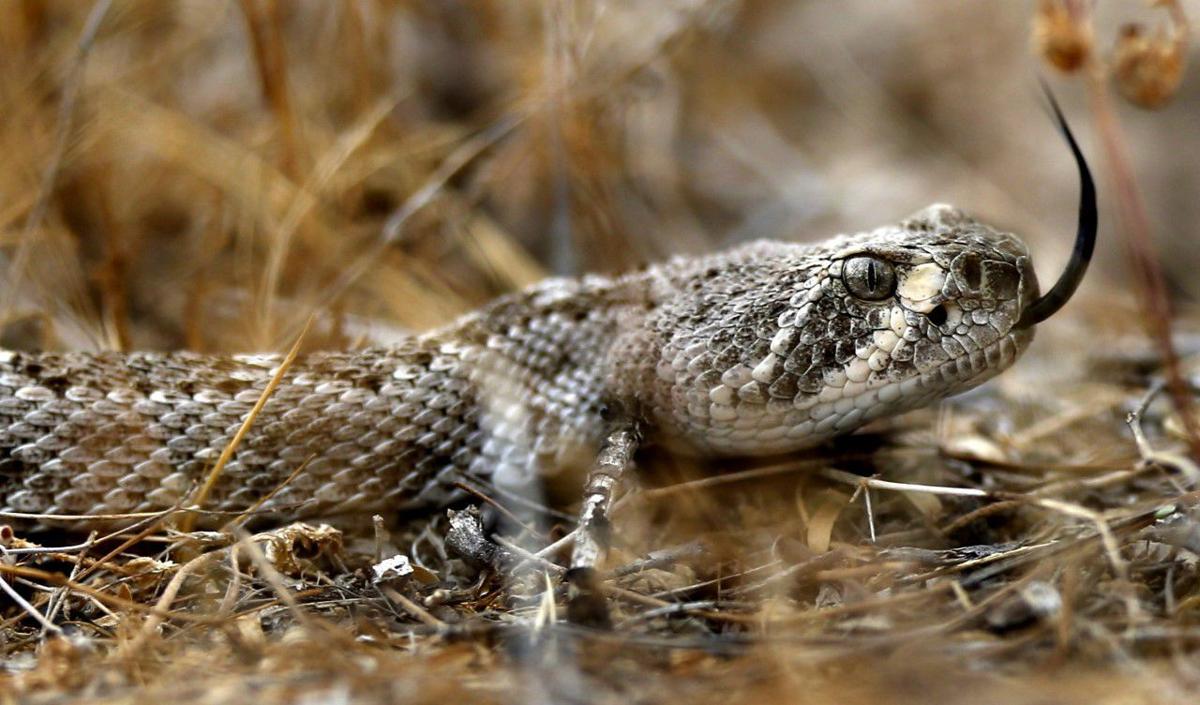
Two Green Valley residents suffered snake bites in separate incidents within a 12-hour period this week, officials say.
At about 7 a.m. Thursday, an 81-year-old man was attempting to retrieve a golf ball hit into brush when he was bitten in the left ankle, a Green Valley Fire District news release said.
He called paramedics to the 2000 block of West Calle Estio and was taken to Banner-University Hospital.
The man was unable to identify the type of snake that bit him, officials said.
On Thursday, a 67-year-old woman was bit on her left foot by a rattlesnake while walking her dog about 7: 30 p.m. in the 900 block of West Placita De La Cotonia.
She suffered minor pain and was taken to Carondolet St. Mary's Hospital by her husband after declining an ambulance, the news release said.
Firefighters were able to capture the rattlesnake that bit the woman.
These incidents added to the 20 to 25 snake-related calls received daily by the fire district, officials said.
Rattlesnakes are most active in the early mornings and evenings, the Arizona Poison and Drug Information Center says.
Residents should watch where they step and pay attention to where they put their hands and feet. The snakes shouldn't be approached or handled, even if they appear to be dead.
Tips for surviving rattlesnake season
10 tips for surviving rattlesnake season in Tucson
Watch your step!
Updated
Be on the lookout for rattlesnakes, whether you're out hiking or in your backyard. Rattlesnakes are known to blend in with their environments. When traveling during the night, carry a flashlight to make sure every step is the right one.
"If you encounter a snake, take one or two steps back in an effort to get out of striking range," said Keith Boesen, director of the Arizona Poison and Drug Information Center.
Don't put your hands where you can't see
Updated
Avoid reaching into areas obscured by brush or rocks, there's no telling what lies in waiting in those hidden spaces. You could be reaching blindly into a shrub or brush where a snake may be hanging out.
Don't approach or provoke the snakes
Updated
More than half of all rattlesnake bites are caused by provoking or approaching a snake, the Arizona Game and Fish Department said. Children should be taught about dangerous desert animals and how to avoid risky interactions with them.
Rodent control
Updated
Rattlesnakes are attracted to their vital resources including food, water, and a safe place to live. Rodents should be eliminated from around your home. Start by filling all the holes that you find.
If possible, you can use snap traps and live traps but using poison traps might kill the wrong animals, officials say.
Other possible deterrents
Updated
Walls can be built to discourage rattlesnakes from enclosed areas. Specialists say a solid wall around four feet high will keep out most snakes. The bottom of the wall should be placed into the ground with no tunnels underneath.
You should also cover drainage holes with quarter-inch hardware cloth. A one-inch opening is an open door to a snake.
Reminder: These may be deterrents but there is no such thing as a 100 percent snake-proof fence. A snake may climb virtually any wall, and a tiny snake can move through small crevices.
Call your local emergency response department
Updated
Some fire departments will remove rattlesnakes confined in a yard or residence. Check with the department covering your area for more information about the services they provide.
Tips for if you're bitten: Go immediately to a hospital
Updated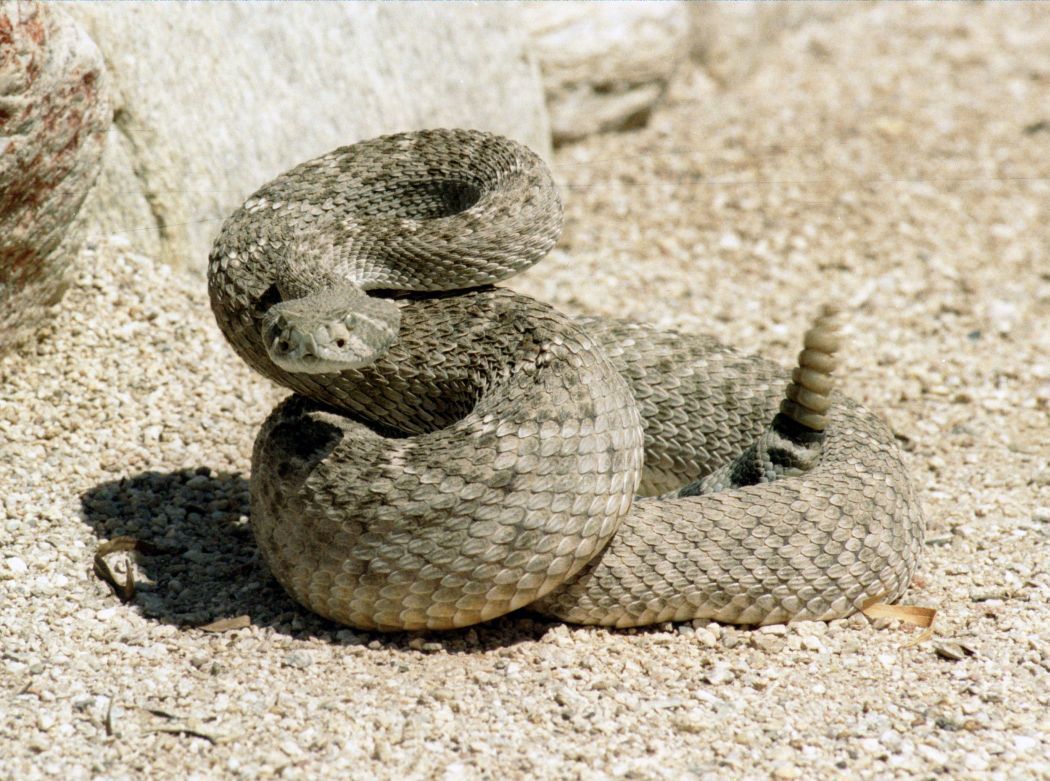
Respond quickly by going to a medical facility and get treatment, if needed. If you're with someone who is bitten, remain calm and reassure them.
Remove items such as jewelry and watches from the affected area. Make sure to keep the affected area at a level below the heart. Decrease total body activity as much as you can.
What bite victims should avoid
Updated
Don't believe the myths! Refrain from cutting into the bite area or trying to suck out venom. Even tourniquets should be avoided, specialists say. Do not apply ice to the bite area or administer your own alcohol or drugs in an attempt at first aid.
Don’t forget about your pets
Updated
Pets are sometimes bitten by rattlesnakes. "Cats, by behavior, tend to hide out after an injury. Despite this, many survive," said Keith Boesen, director of Arizona Poison and Drug Information Center.
"Although many large dogs do well with no veterinary care, it is recommended that any pet be taken to an emergency veterinary clinic if bitten," he said.
Some local kennels offer “snake avoidance” training for dogs, which may help.
A reminder about some species of rattlesnake
Updated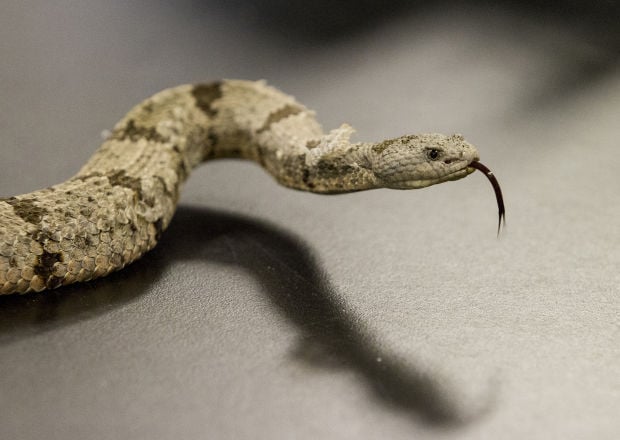
Several species of rattlesnake are protected under state laws in the southwestern United States due to their limited numbers. It is illegal to collect or harm these protected rattlesnakes like the ridge-nosed rattlesnake, the state reptile.

