



PHOENIX — A company that helped engineer a change in state law on blood tests will refund more than $4.6 million to Arizonans who got the tests and may have been defrauded.
In a new consent decree, attorneys for Theranos denied the company violated the state’s Consumer Fraud Act in selling blood tests where the results were not always accurate. Attorneys for the company conceded, though, that more than one out of every 10 of the test results given to Arizonans by the company were “ultimately voided or corrected.”
But the company agreed to provide full reimbursement to anyone in Arizona who got the tests during a three-year period — that’s $4.6 million — plus $200,000 in civil penalties, $25,000 in legal fees and to pick up the cost of someone to find customers and distribute the refunds.
The Arizona Attorney General’s Office said Theranos sold 1½ million blood tests to more than 175,000 Arizona residents between 2013 and 2016.
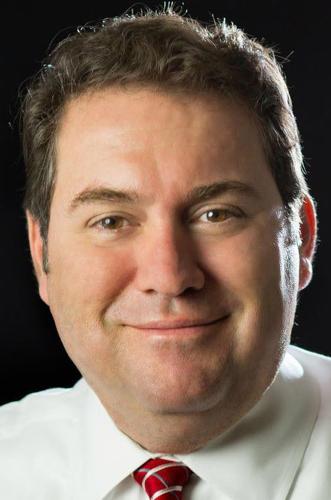
“Everyone who paid for a test will receive a full refund, period,” said Attorney General Mark Brnovich in a news release. “This is a great result and a clear message that Arizona’s consumer-protection laws will be vigorously enforced.”
The deal also bars Theranos from owning, operating or directing any laboratory for two years in Arizona.
The company announced Monday in a deal with the Centers for Medicare and Medicaid Services it would stay out of the blood-testing business for at least two years. And federal health regulators last year specifically banned Theranos founder Elizabeth Holmes from owning or operating any testing facility for two years.
The state consent decree comes nearly two years to the day after Gov. Doug Ducey signed legislation that made it easier for Theranos to market its services directly to Arizona consumers. The measure removed all the limits on the kinds of blood, urine and other tests that patients can order themselves.
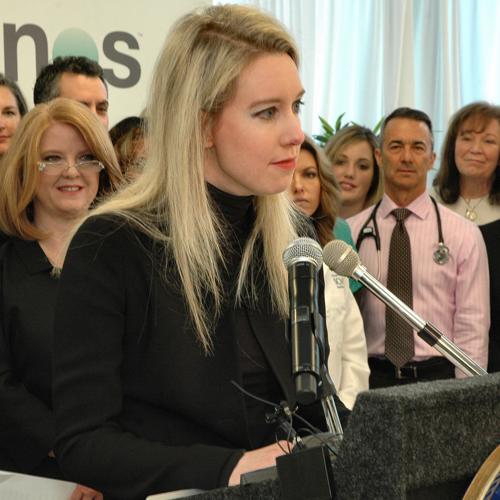
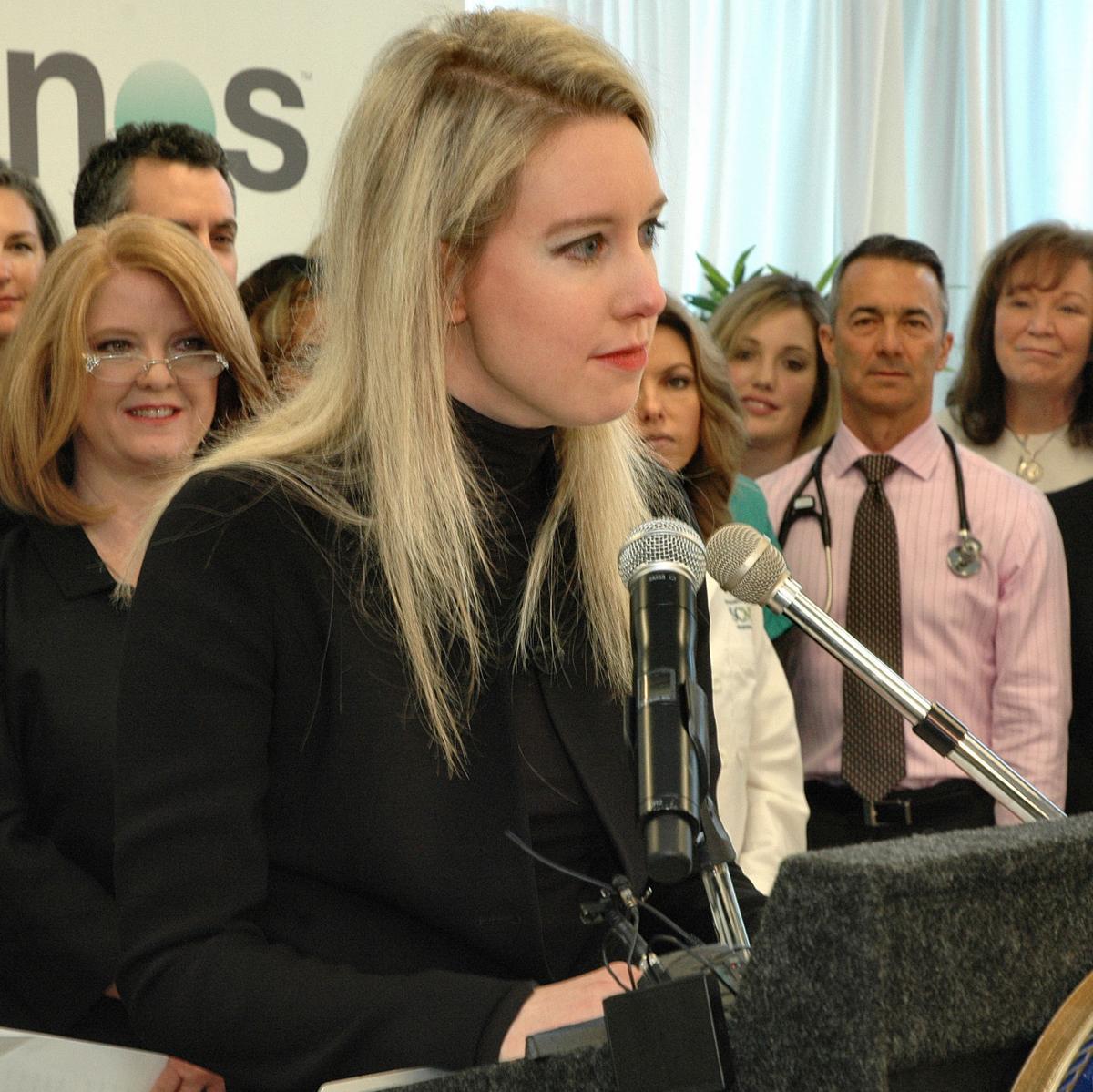
In a ceremony at the company’s Scottsdale offices, the governor said he was “proud to sign” legislation for “reducing burdensome barriers and red tape.”
On Tuesday, asked about that decision, gubernatorial press aide Daniel Scarpinato said his boss has no second thoughts.
“The governor has always said it’s up to any new business models and companies to prove themselves,” Scarpinato said. “He is pleased the attorney general was able to reach a settlement on this issue.”
Brnovich, whose office got the consent decree, declined to comment on the merits of that legislation or whether the change in law contributed to the losses sustained by Arizona consumers.
In a prepared statement, Theranos said its agreement to provide full refunds to all customers since 2013, regardless of whether they were accurate or not, “demonstrated the company’s commitment to resolving the issue amicably on behalf of Arizonans and working collaboratively with state officials.”
Brnovich, for his part, said that blanket refund is an important part of the deal. The refunds actually cover the period even before the 2015 change in the law allowing Arizonans to order their own blood tests. Mia Garcia, spokeswoman for Brnovich, said it was important to ensure the deal covered even situations where tests were ordered for patients by their doctors.
Garcia said customers should not have to do anything to get their money back. She said her office is hiring an outside administrator who will have access to all Theranos’ financial records. That administrator, she said, will contact customers.
“It should not take too long,” Garcia said. In fact, she said, Theranos on Tuesday already wired the money to the state to give back to consumers.
Tuesday’s settlement with the state still leaves some legal issues pending in Arizona for Theranos as well as for Walgreens, which had partnered with the firm to offer in-store finger-prick blood tests at 40 locations.
Several lawsuits that have been consolidated for trial in state court contend that Walgreens failed to notify customers when it learned the Theranos blood test results were not reliable.
Walgreens last year severed its relationship with Theranos and subsequently filed its own lawsuit against the lab.

