



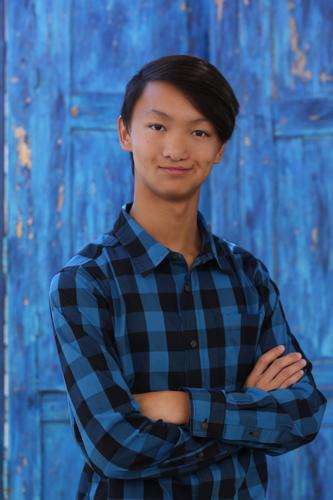
Luke Sorensen’s journey so far has taken him from an orphanage in Xi’an, China, to a large, loving family in Tucson — and now to Harvard University.
The 17-year-old Marana High School valedictorian, who was adopted at age 3, earned a full-ride scholarship to the Ivy League school, where he’ll study software engineering starting in the fall.
Luke’s top grades and his jam-packed extracurricular schedule show what it takes to get into Harvard: He was president of Marana High’s Alpha Theta math honor society, president of its academic decathlon, treasurer of the National Honor Society and a member of the key club. He played viola in the school’s chamber orchestra, which he also served as treasurer, and played in the pit orchestra for school performances of Fiddler on the Roof and Les Miserables. He was named most valuable player on the varsity swim team and interned for two summers at Springs Church, which his family attends.
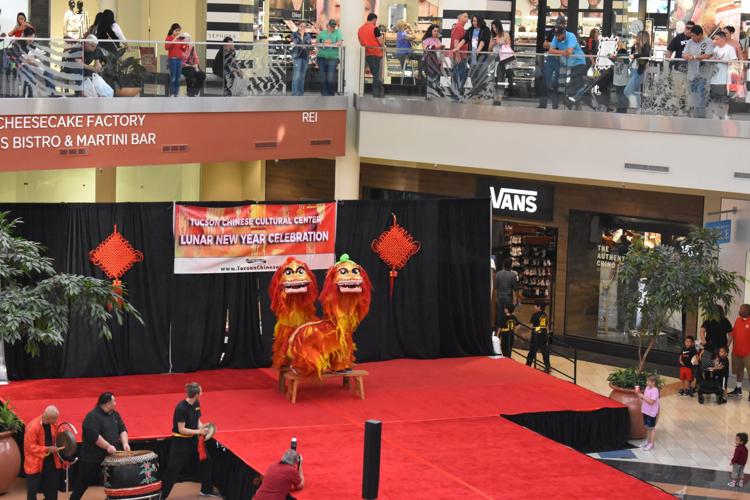
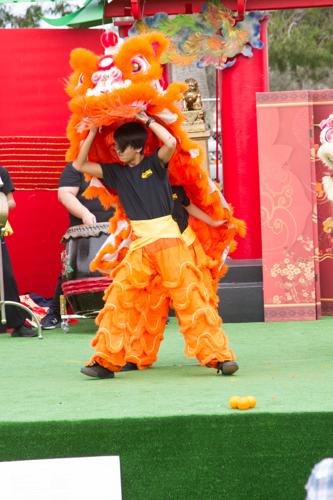
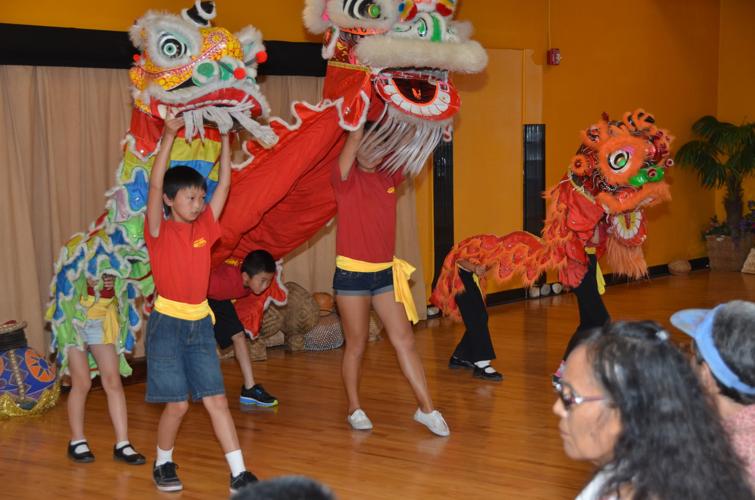
Beyond all that, he and five of his siblings, who also were adopted from China, are active members of the Tucson Chinese Cultural Center’s lion dance team — a serious time commitment in itself, with regular practice sessions and multiple performances a week in the months surrounding Chinese New Year.
He and Arizona Daily Star Editor Jill Jorden Spitz, whose son is also on the team, talked recently about lion dance, adoption, family life and the Ivy League.
Were you nervous about applying to schools like Harvard? Were you confident you’d get in?
I don’t think I was ever nervous. I applied to schools like Harvard with the mentality that I had a chance of being accepted, but that I probably wouldn’t. I was never confident that I would get in. The thing about schools like Harvard is that regardless of how incredible you might be, there are countless other students who are just as impressive. Harvard had 42,749 students apply for only 1,962 spots. Of those applicants, thousands of them were valedictorians. Even when elite colleges look at just the applicants that are academically stellar, they are still left with far too many to accept. At that point, my unique attributes, beyond my academics, got me in. Students who pursue their passions and are more than just grades are the ones that stand out and are accepted. I must have stood out.
How did you balance school work and practice, especially during the busy Chinese New Year season?
There were times when I definitely sacrificed sleep in order to do both school and lion dance. Essentially, I always possessed the mind-set that I would do everything to the best of my ability. Whereas some people may stop working on projects when they are “good enough,” I strove to complete them thoroughly and well. My life wasn’t really much of a balancing act. Instead, I filled my time up entirely so that I would adapt to always being busy.
How do you think your lion dance experience will help you in college?
I have a story that no one else can tell. Few students, if any, participated in lion dance or were as deeply involved in Chinese culture as I was. In college, I’ll have a unique perspective that I can use to enrich discussions in and out of the classroom.
You joined the team when you were 9 years old. What made you stick with it all the way through high school?
I stuck with lion dance because I genuinely enjoyed it. It was something that I looked forward to every other week because it was unique and the costumes themselves were beautiful. Even when the routines were difficult or exasperating, I’m not one to quit. I saw the challenges as opportunities to grow and improve myself.
What do you like best about lion dance?
My favorite part of being on the team is that I can connect with my heritage while bringing happiness to others. Seeing a child smile at a performance never gets old. Knowing that they’re smiling due to the art that the team created makes every performance completely worthwhile. Simultaneously, I get to experience a tradition that is a staple of Chinese culture, making me appreciative of the customs that I would have otherwise forgotten.
What is the toughest part?
The toughest part of lion dance is the mental strength that we need to have. It often takes physical strength to accomplish the moves that performers pull off, but learning those acts are difficult. It is easy to give up when we still are unable to do a trick by the 10th or 20th attempt. In those moments, it is sometimes tough to push on, setting aside frustrations and emotions, in order to eventually get it right.
What did lion dance teach you that has nothing to do with lion dance?
Lion dance taught me the importance of striving to understand other cultures. From the surface, lion dance is definitely an awe-inspiring spectacle, but from that superficial understanding, the audience doesn’t often understand why we do the lion dance, as well as what the colors, lettuce and oranges symbolize. This isn’t unique to lion dance. Countless other cultures have traditions that seem “weird” or “cool” to us, but without delving into understanding what those traditions signify, we lose some of their meanings.
What was it like growing up in such a large family?
There is never a dull moment, or a quiet one. With six siblings in the home, we can always find some way to entertain ourselves. By having a large family, I also learned how to interact with people with different points of view. None of my siblings have the same personality. They each have different opinions and thoughts. Growing up alongside them, I was forced to always consider different perspectives to every question or decision. I’m more understanding of others because of that.
How did you adjust to new siblings as they arrived?
It wasn’t always easy. Whenever we adopted a new sibling, there were almost always difficulties as they adjusted to their new family, new language and new way of life. At times there were tears and wishes to go back to China, but gradually, they get used to the change and discover the opportunities that they now have. I was always as supportive as I could be. After a while, we come to enjoy the new family that we have. The new faces add a bit more color to our lives.

