



A small Tucson-based company is taking on one of the world’s aerospace giants over its technology for “smart” small satellites that can be reprogrammed in orbit to perform new or multiple missions.
Micro-satellite launch company Vector Launch recently sued Lockheed Martin Corp., alleging that the aerospace and defense giant has violated multiple Vector patents for “software-defined satellites.”
In a suit filed in a California federal court, Vector alleges that Lockheed infringed on U.S. patents issued for its GalacticSky software-defined satellite, which has been in development since 2016.
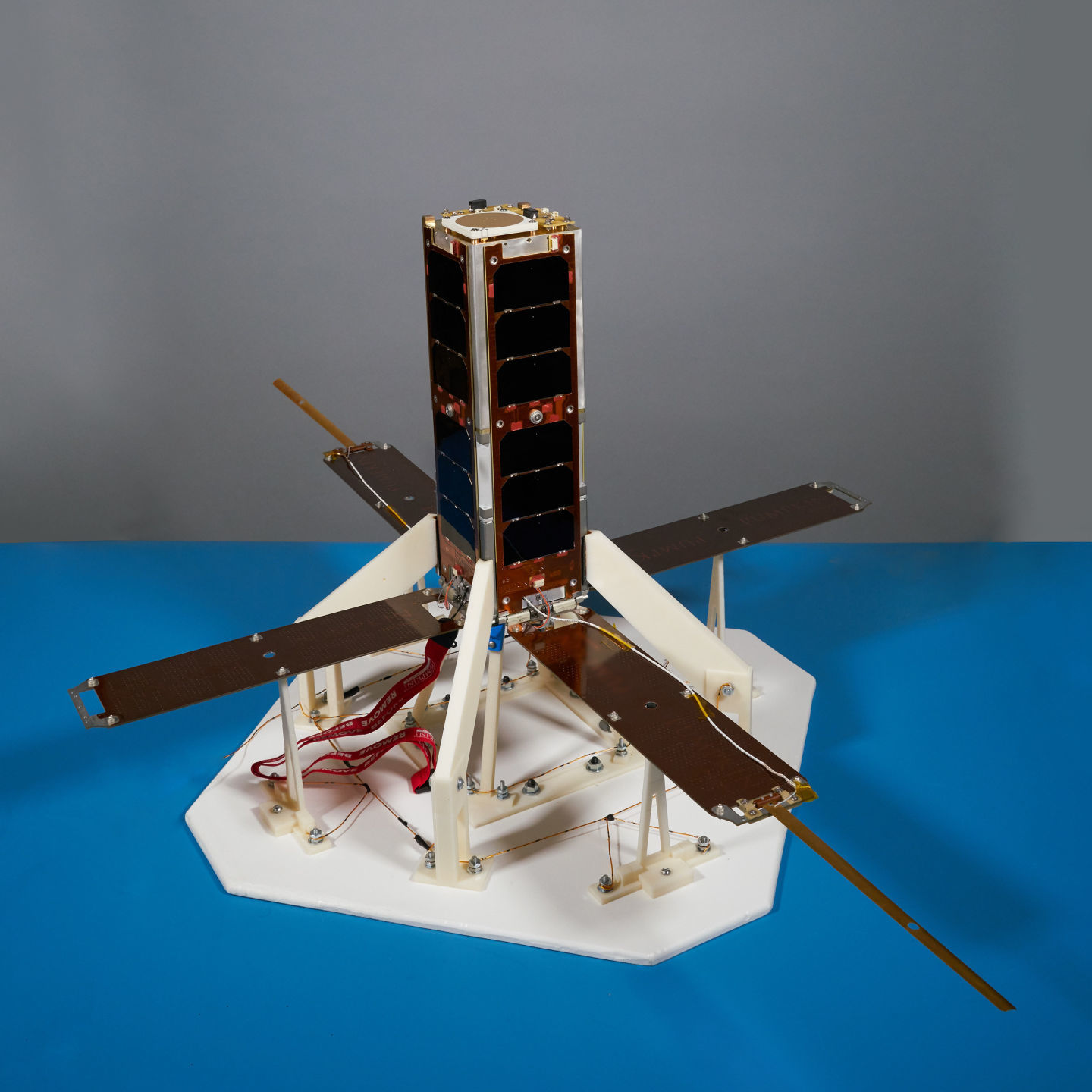
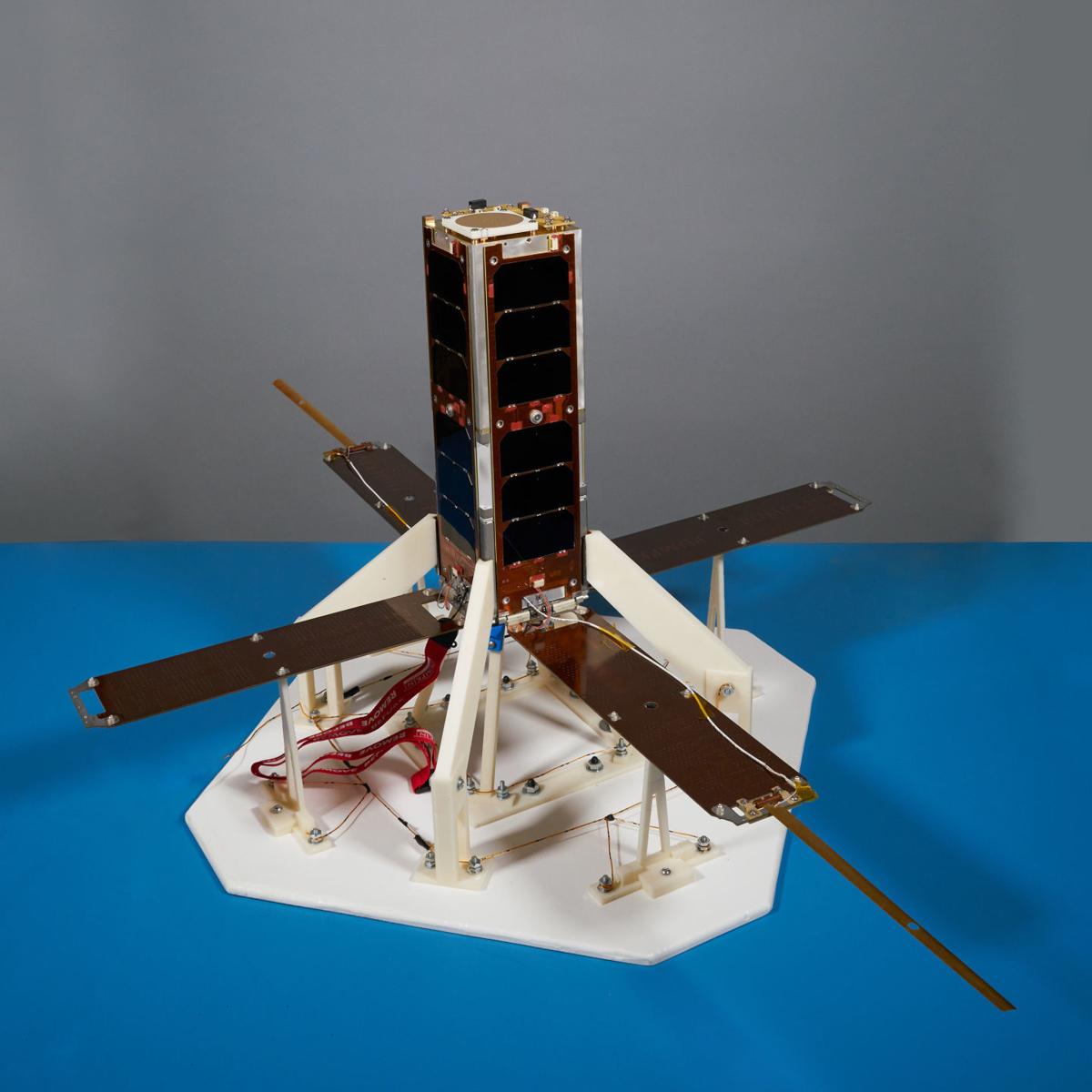
The GalacticSky “smart” satellites are essentially programmable, orbiting computer platforms, allowing users to upload software to develop and test industrial applications in areas including imaging and communications. The technology also involves software virtualization, which allows a single computer to run multiple operating systems, to share computing resources.
GalacticSky, a division of Vector Launch based in San Jose, California, has multiple patents on its smart sats, which offer tailored imagery, onboard analytics, ultra-secure data storage and transfer, and high-speed communications.
In March, Vector announced that its first GalacticSky satellite, GSky-1, was ready for launch later this year after completing development at the University of Southern California’s Space Engineering Research Center.
In a statement posted to its website, Vector said its lawsuit was precipitated by Lockheed’s March 20 announcement of “SmartSat,” the company’s new software-defined satellite technology.
“After exhausting all non-legal remedies, Vector saw no other path forward than to take this legal action, as we must protect our intellectual property rights,” the company said.
Lockheed Martin hadn’t filed a response to the lawsuit as of Friday, April 12. Lockheed spokesman Matt Kramer declined to comment on the lawsuit, citing a company policy regarding pending litigation.
In its complaint, Vector specifically alleges that Lockheed willfully violated three GalacticSky patents issued in 2017, 2018 and on April 2 of this year.
Vector is seeking a permanent injunction ordering Lockheed to stop further infringement, or alternatively, an award of ongoing royalties from the sales of related Lockheed satellite products, plus enhanced damages of up to three times any compensatory damages found and attorney’s fees.
Vector CEO Jim Cantrell declined to comment on the litigation.
In a recent interview with Spacenews.com, Vector co-founder Shaun Coleman said the company felt it had little choice but to file the patent-infringement lawsuit after Lockheed didn’t respond to its letters expressing concern.
Coleman, a specialist in software virtualization who is based at GalacticSky in San Jose, said the company wants to avoid a lengthy legal battle with Lockheed and would rather work with the aerospace giant.
Also in the Spacenews story, Vector’s marketing director acknowledged the company was more than a little miffed at Lockheed for an April Fool’s Day stunt in which it said it was releasing a “space fragrance” called “Vector” — including a logo somewhat similar to Vector Launch’s.
Though many patent lawsuits end in settlements or technology licensing agreements, it’s unclear how the Vector-Lockheed battle will end, and Cantrell said he couldn’t say whether any settlement talks are under way.
With annual revenues of more than $50 billion, Lockheed has a deep legal warchest.
But Vector also is well-capitalized, raising more than $100 million since 2016 including a $70 million funding round last fall.

