

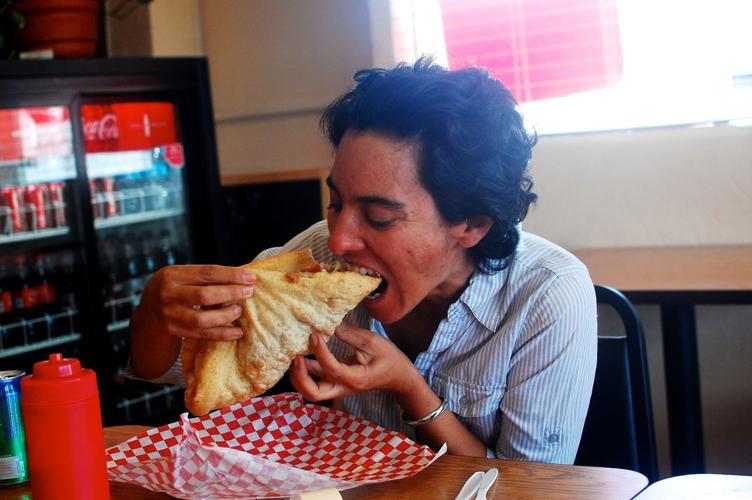

Sylvia Gonzales didn’t dream of opening a restaurant. The niece of revered Tohono O’Odham storyteller Frances Manuel, she grew up in a family of artists, singers and basketmakers.
“As a kid, the women in my family were very traditional,” she said. “I always said, when I grow up I’m gonna get married and have a lot of kids.”
After the carpal tunnel in her hands made it difficult to continue her job as a poker dealer at Desert Diamond Casino, Gonzales spent five years without work. But in 2013, she decided she wanted to do something else.
She stumbled upon a little vacant spot on South 12th Avenue and 43rd Street, and decided to go for it.
Gonzales called her new restaurant the Cafe Santa Rosa, after the village her mother grew up in near the turnoff to Kitt Peak.
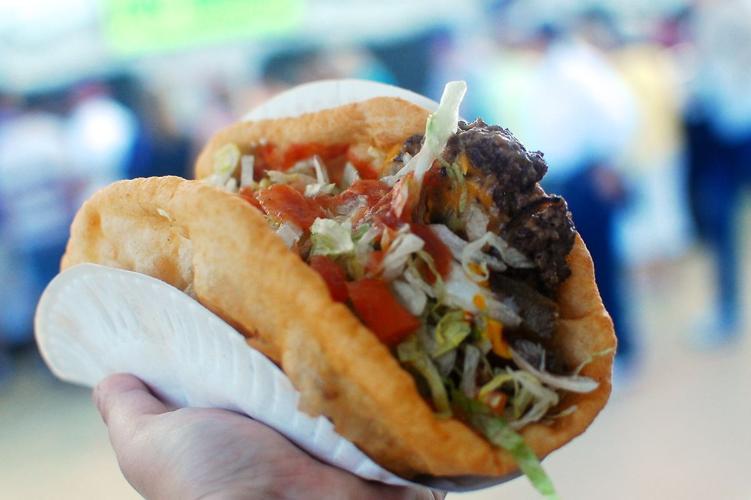
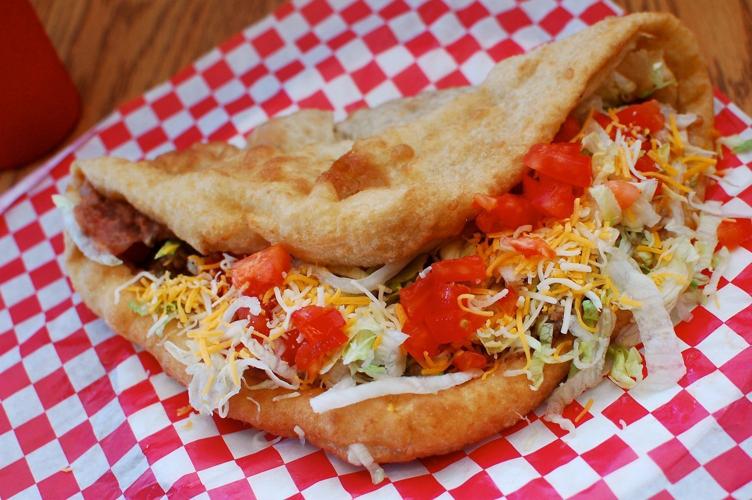
Her menu would consist of simple recipes and Tohono O’Odham specialties she grew up cooking: burros, ground-beef tacos and popovers, the classic native food commonly known as Indian fry bread.
Gonzales is one of a growing number of people who are bringing native Sonoran Desert cuisine to the mainstream. Spurred in part by the local-foods movement, indigenous ingredients like tepary beans and cholla buds are becoming hot items on menus across town.
But along with these products comes a more contentious dish: the humble fried dough puff that’s become a symbol of the Southwest.
“I find that more and more people are learning about them and are growing to like them,” Gonzales said. “I absolutely guarantee you, that wherever you put popovers, you are going to find people.”
not strictly traditional
Despite its popularity and cultural connection with native people, fry bread is not technically a traditional food.
“It was a food that was brought on to us by the white men,” says Terrol Dew Johnson, CEO and co-founder of Tohono O’Odham Community Action, a nonprofit that works to revitalize O’Odham culture through food and art.
According to popular accounts, fry bread was born out of the U.S. government’s push to relocate native peoples to reservations. After taking away much of their farming land, the government doled out rations of flour and lard to keep everyone fed. Fry bread became popular because it was a filling yet inexpensive meal.
Yet for people who grew up on these reservations, popovers have been a huge, beloved part of their lives.
Tracy Garcia, who owns a tiny one-room fry-bread shop on West St. Mary’s Road, learned her recipe from her grandmother when she was 8 years old.
“She had cancer in one of her arms when she was younger, so she had her arm partially amputated,” Garcia said. “I would go over there and help her in the kitchen. Not that she couldn’t make fry bread by herself.”
Garcia, who grew up in Phoenix but has lived in Tucson for 28 years, is a member of the Gila River Indian Community based out of Sacaton. She also belongs to Save our Streets Christian Church, which helped her overcome drug problems and open her restaurant, Manna from Heaven. In business and life, she is guided by the scripture of Isaiah: “‘For as the heavens are higher than the earth, so are my ways higher than your ways and my thoughts than your thoughts.’”
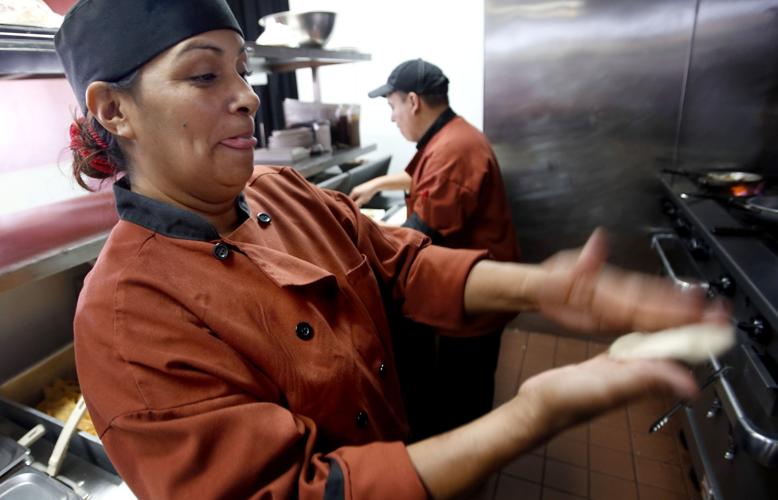
She opened for business in the former Mi Ranchito Mexican restaurant in January, employing members of her family to help cook the food and collect the money through an iPad. She makes the dough from four ingredients: white flour, baking powder, water and salt.
“I wasn’t worried about not being able to make it, because there aren’t any other restaurants that just specialize in the fry bread,” she says. “I am a woman that believes in the Lord with all my heart, and it’s God that’s going to show me the way in this business.”
Shortening, not lard
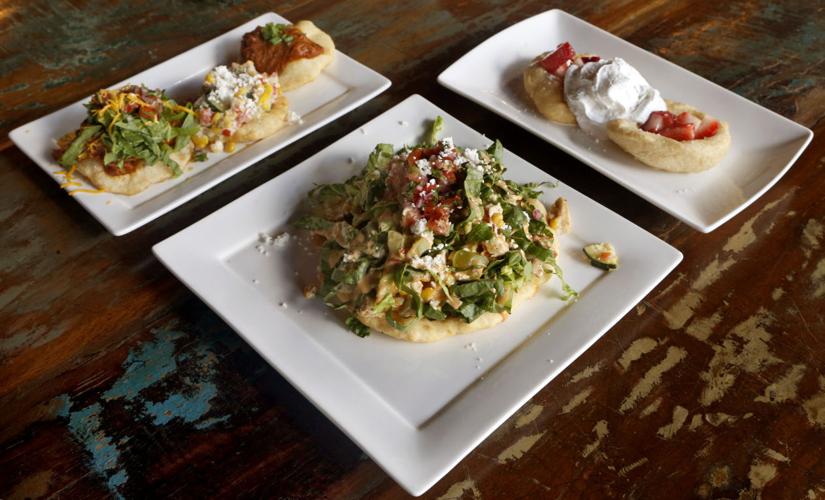
Downtown at Barrio Cuisine, fry bread is served “tapas style” on specially made Indian rosewood tables speckled with pastel colors. The nearly year-old business prepares native dishes in an upscale setting, topping its popovers with ingredients like chicken “totoi” and chardonnay-soaked strawberries.
They call the creations Dough Gods, and they are significantly lighter than some of the other popovers around town. Co-owner Kelly Gomez has cut the fat in half, substituting shortening for lard that’s often used.
“So we said, we’re gonna take (fry bread) and add our unique culinary twist behind it,” Gomez says, sitting in a lounge chair framed by a wall of glass windows that look out onto Broadway. “So of course, we took the traditional foods that are very common to this area, that tribes have been using for thousands of years, like the calabacitas. We use a healthier process rather than frying them.”
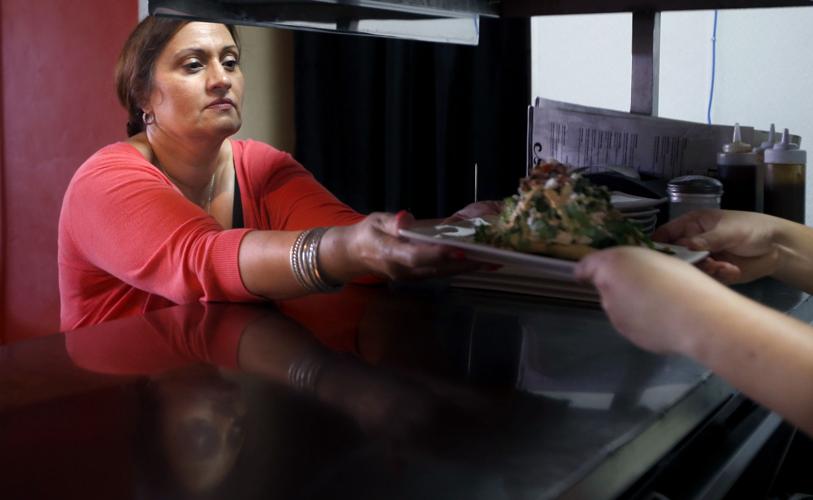
Gomez, whose parents are from India and who was born in the United Kingdom, moved to Arizona in 1987 and has lived on the Pascua Yaqui Reservation for 20 years. She runs Barrio with her two children — Shanti and Mario — who are both registered members of the Pascua Yaqui Tribe. In her spare time, Gomez also works as the tribe’s land department director.
“This is the food that was exposed to us,” she says. “My husband’s grandmother taught me how to cook some of these dishes. And of course I’ve put my own twist on them.”
Gomez has never been to culinary school, so she contracted a chef to develop the menu from her own recipes. She wanted to represent both Tohono O’odham recipes and Pascua Yaqui, with an eye toward the healthy and the contemporary.
“At every occasion, there’s fry bread. Every Tucson event, art shows, Tucson Meet Yourself, fry bread. People stand in lines for fry bread. Tucson loves fry bread, don’t they? … We see that Tucson loves fry bread. So how can we bring that fry bread to Tucsonans and to our guests, but bring it in a healthy way? That’s the passion behind it.”
Fry-bread detractors
One local native restaurant has purposefully left fry bread off its menu. The nonprofit Tohono O’Odham Community Action, which has garnered national praise for its Desert Rain Café in Sells, puts more emphasis on indigenous ingredients.
“(Fry bread) is a very unhealthy food, and we’re trying to let people know that this is not a traditional food,” says Terrol Dew Johnson. “Especially for the young people now. When we ask them ‘what is a traditional food?’ they’ll yell out ‘potato salad,’ ‘macaroni salad.’ We’re trying to educate them.”
Rather than using the fried dough, the cafe serves soups, salads and wraps made with ingredients like cholla cactus buds, prickly pear and tepary bean. The cafe sources from nearby farms and rotates ingredients with the seasons. There is no fryer in the building.
The nonprofit TOCA works directly with the reservation community and is working to integrate traditional foods and community garden programs at surrounding schools.
Johnson acknowledges that “right now there’s this huge trend of Native American restaurants opening up across the country” featuring the ubiquitous dough. “It’s so tasty and yummy, that’s what people are doing,” he says.
But he adds, “Our new year just started with the rains, the harvest of saguaro fruit. I always tell (the kids), ‘What kind of songs do we sing to the fry-bread god?’”

