

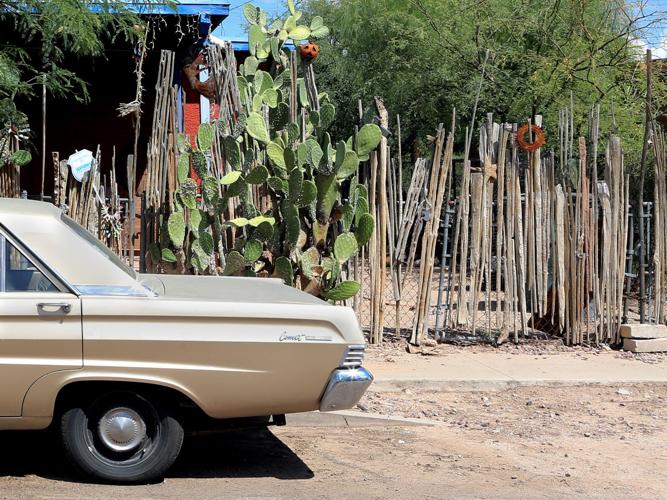

A part of Tucson hit hard during the housing crisis is seeing home values soar by more than 20 percent.
The downtown neighborhoods in the 85705 ZIP code, from north of downtown along Interstate 10 up to the Flowing Wells, area are seeing prices rise faster than anywhere else in the Tucson area.
“It’s an area I’m very familiar with and very intrigued with,” said Realtor Max Fisher, with Brulé & Fisher Re/Max. “Properties that are within walking/biking distance from downtown, bars and markets are in demand.”
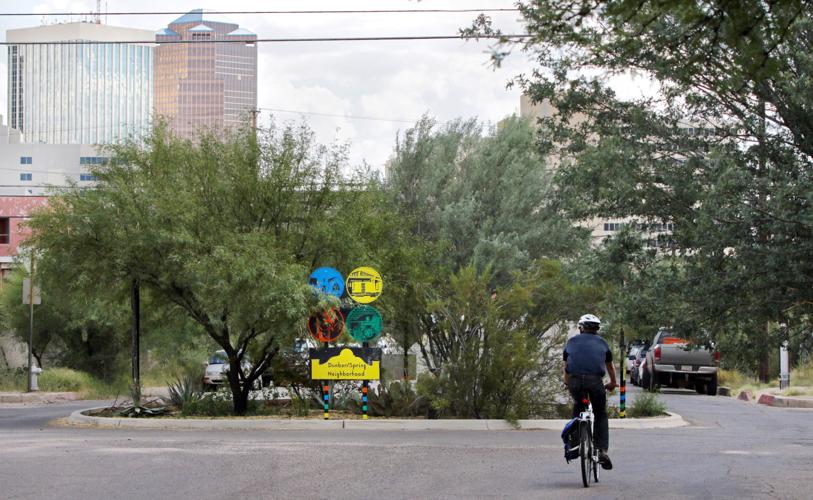
Young families and professionals have been driving the surge in prices in areas such as Dunbar/Spring, Barrio Anita and Barrio Blue Moon, which border downtown.
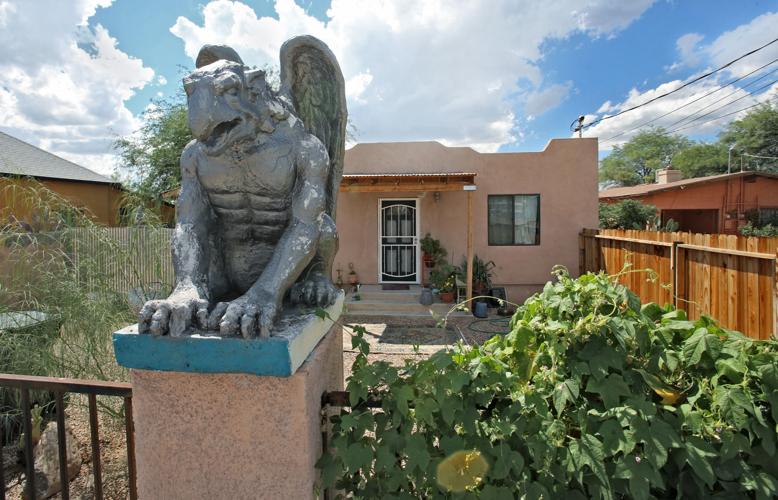
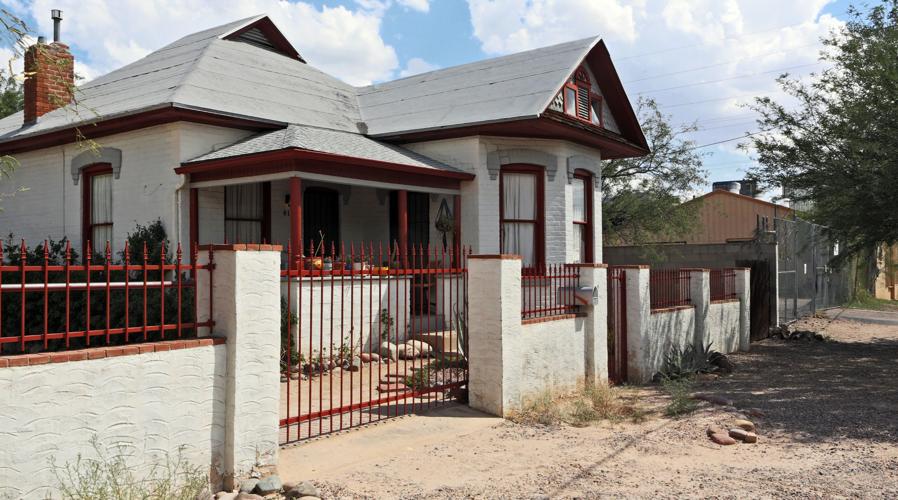
“Those smaller neighborhoods are hidden gems,” Fisher said. “We’re seeing increased desire to be in homes that are adobe, bungalows and row houses.”
Many of the buyers can’t afford the prices downtown, so they’re scoping out the periphery, said Adam Lundquist, managing partner at Southwest Urban Realty & Development.
“Downtown is done … it is really figured out,” said Lundquist, whose company is buying properties in the area. “If it’s not built out, it’s in the works or in the planning stages.”
In the past six months, homes in the 85705 zip code have increased from an average sale price of $113,000 to $143,000.
“We’re seeing more homes coming on the market that were rentals,” Fisher said. “The number of sold listings has more than doubled since August of 2015, from 19 to 40 in August 2016.”
Adriana Rincon, a Realtor with TR Realty and Investments, has property for sale in Barrio Anita and said the inquiries are mainly from young buyers.
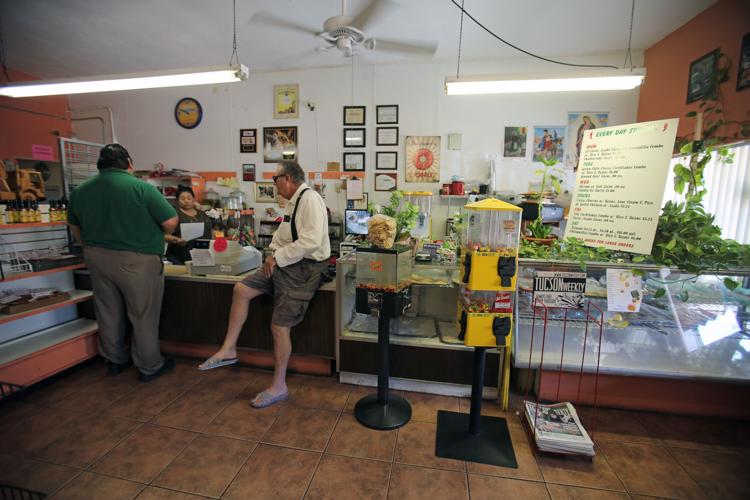
“What we’re seeing is young professionals who work downtown and want quick access there and to I-10,” she said. “It’s not quite as funky as Dunbar/Spring or Blue Moon, but Barrio Anita has a cute park, community center and Anita Street Market … people love to get their burritos for breakfast.”
HARD-HIT AREA
Foreclosures in 85705 were about 6 percent higher than the market as a whole in 2011, said housing analyst Ginger Kneup.
“The higher demand areas recover faster, making the more distressed areas more attractive because there are still more affordable options,” said Kneup, owner of Bright Future Real Estate Research. “It is probable that with downtown revitalization, more people are interested in those neighborhoods nearer to downtown and that could support changing demographics in the area.”
Residents have noticed the changing faces of new homeowners.
“One unfortunate reality is that some newly constructed homes do not fit the character and unique aesthetic of our neighborhood,” said Ezra Roati, president of the Dunbar/Spring Neighborhood Association. “There have definitely been new faces moving into the neighborhood.”
The association is working with the city of Tucson on a workforce housing project for vacant lots in the neighborhood to maintain affordable homes in the area, Roati said.
Many of the existing homes were built in the 1800s with a mix of sizes and styles.
“One thing that I appreciate about our neighborhood is the amount of shade trees that line the streets,” Roati said. “We just had our 20th annual tree-planting event last year, with to-date over 1,400 trees planted in the right-of-ways, street-side basins and yards.”
New residents are a mix of young families, young professionals, retirees and college students because of the proximity to both Pima Community College and the University of Arizona.
“Part of our draw is the great mix of socio-economic backgrounds and cultures represented in our neighborhood,” Roati said. “It is an eclectic mix of folks, and we hope that it remains that way into the future.”
INTEREST BEYOND RESIDENTIAL
Last year, local developers bought an industrial building at 301 W. Fourth St., in Dunbar/Spring, and have converted it into commercial space.
Since then, those investors have bought, upgraded and sold three residential properties in the neighborhood, said Lundquist, of Southwest Urban Realty & Development.
“We were willing to take a leap of faith with this neighborhood,” he said. “You can walk up Stone Avenue and be downtown or walk across the railroad tracks and go to Anita Street Market.”
Being sensitive to the neighborhood’s character has been key to being welcomed by existing residents, Lundquist said.
“We are aware that these are historic homes and we don’t change them,” he said. “We fix the infrastructure and upgrade the interiors, but we don’t add a 3,000-square-foot suite.”
Lundquist is in escrow for another commercial property in the neighborhood with plans for a mixed-use project.
“Dunbar/Spring did a really good job, as a neighborhood, of keeping it as is,” he said. “The neighborhood is natural.”

