

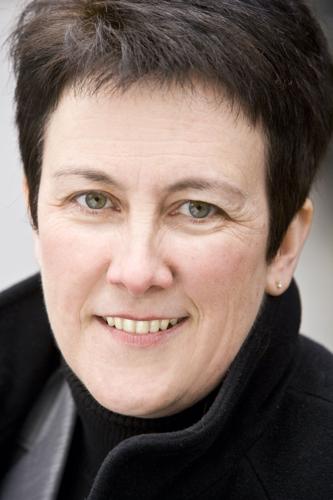
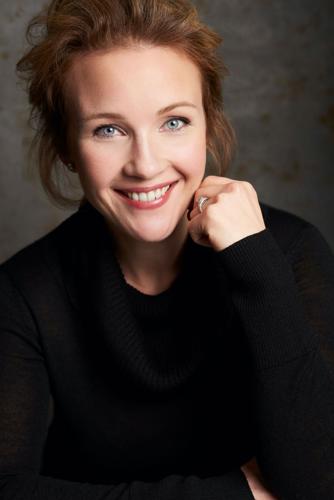



January is Sasha Cooke’s month.
Last week, the mezzo-soprano was in Los Angeles performing a work that had been written for her in 2020.
Next week, she is in Tucson to perform the world-premiere of Jennifer Higdon’s “Summertime Music,” commissioned by the Tucson Desert Song Festival through its Wesley Green Composer Project.
She ends the month with the San Francisco Symphony where she will perform a song cycle of works commissioned during the pandemic from a handful of young composers.
“That was my baby, my pandemic medicine,” Cooke said during a phone call earlier this month from her Houston, Texas, area home. “The minute I started calling composers, my life just shifted. I was returned to myself. So many artists, we lost our sense of self, our identity, our purpose (as a result of the pandemic). It was shocking on so many levels. You almost felt shameful to have grief because before that we were riding high. Concerts and operas and life was good. And suddenly there was this long horizon of nothing.”
Higdon can relate.
The Philadelphia resident and Pulitzer Prize-winning composer continued working throughout the pandemic, but she did not have an in-person event until last December.
“It was surreal. I cried,” said Higdon, who also has a trio of Grammys to her credit. “I think every musician I know cries when they get into the room. … I was amazed how emotional it was being in a room with live performers. … It really reminds you of how important the art is.”
Higdon and Cooke will meet for the first time next week when they premiere “Summertime Music” at Hosclaw Hall on the University of Arizona campus. But Higdon said she feels connected to Cooke after poring over her recordings to get a feel for Cooke’s voice.
“When I heard her voice I was so blown away and it made me relax in way,” Higdon said. “Her voice was so calming. It kind of reminded me of when I was younger going through summertime. .... There was a gorgeousness to it, the artistry and the phrasing; it felt so real.”
That feeling of calm informed Higdon’s composition, which draws from eight poems — three of them Higdon wrote herself — that capture the essence of the season, from the giddiness of that first summer night expressed in Sara Teasdale’s “Summer Night, Riverside,” to the final breath of the season from Thomas Moore’s “The Last Rose of Summer.”
“I wanted to celebrate the joy and breath of fresh air that you feel in summer,” she explained, from the simple joy of eating blackberries off the vine (her poem “Blackberry Oblivion”) to the “ping, pang, pong” of a summer rain (“The Rain Song,” also by Higdon).
Other poems that Higdon set to music in the cycle include Helen Hunt Jackson’s “Crossed Threads,” Elizabeth Drew Stoddard’s “A Summer Night,” Paul Laurence Dunbar’s “In Summer Time” and Higdon’s “Summer Hue.”
Higdon sent the score to Cooke, who said she was surprised at “how well it was written for my voice.”
Cooke said the summertime theme reflects one of the biggest lessons we learned from the pandemic: the importance of time and time well-spent.
“I think the pandemic and the last couple of years have really made us in touch with what matters and the now,” said Cooke, the mother of two young daughters. “For me, Jennifer’s cycle really captures an appreciation of life and an appreciation of family, an appreciation of nature. It’s very beautiful. It’s very lyrical. Calming is a good word for it.”
“Summertime Music” is the third commission of the TDSF Wesley Green Composer Project, which kicked off with Richard Danielpour’s
“Songs of Love With Loss” that premiered with Israeli soprano Hila Plitmann in 2020; and Jake Heggie’s pandemic-inspired “What I Miss the Most” that premiered with mezzo-soprano Jamie Barton last May.

