


“Blockbuster exhibit” isn’t a phrase that’s normally connected with Tucson museums.
Until now.
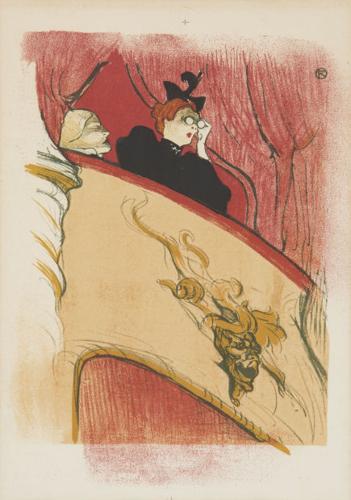
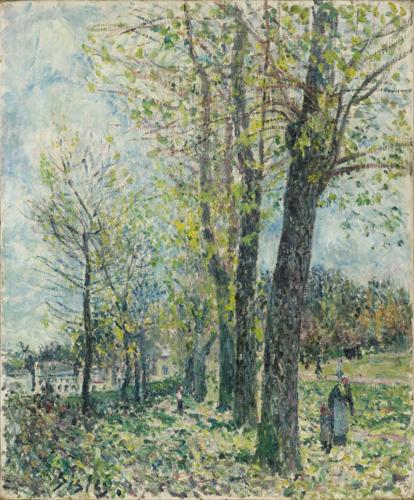
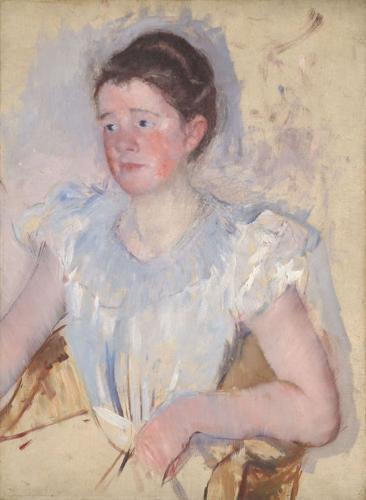
On Friday, the Tucson Museum of Art opens “The Figure Examined: Masterworks From the Kasser Mochary Art Foundation.”
The show contains about 120 works from more than 70 artists.
Not just any artists: Included are works by the likes of Degas, Dali, Pollock, Gauguin — many of the more important artists of the 20th century.
It’s the biggest show the 90-year-old TMA has ever had — in both breadth and scope.
“It’s not often that we have a Renoir, Picasso and Rodin in our building,” said TMA Chief Executive Director Robert Knight. “To see that all together in Southern Arizona is going to be a real treat for us.”
The Kasser Mochary Art Foundation has an impressive and important collection. Part of its mission is to bring major works to cities and museums that traditionally would not get the chance to exhibit them.
“If you go to New York City, everything there is in triplicate,” said Tucsonan Michael Kasser, whose parents, Elizabeth and Alexander Kasser, collected most of the works and established the foundation. “I thought, ‘Why not Tucson?’ ”
The elder Kassers collected art with a fervor, but with an eye toward what they loved rather than as an investment. They often established deep friendships with the artists. Kasser’s sister, Mary Kasser Mochary, now heads the foundation, which has holdings in Europe as well as in this country.
The TMA was interested in bringing in works from the collection in the 1990s, said Julie Sasse, the museum’s chief curator and co-curator of this show. But it never seemed to work out.
When Kasser dropped his casual “Why not Tucson?” about five years ago, the time seemed right.
“When he said that, we just jumped on it and said, ‘Let’s make this happen,’ ” recalls Sasse, who is curating the show with Joanne Stuhr, the foundation’s Tucson-based curator, and Angela Novacek, the Vienna-based deputy director of the foundation.
Knight wrote to Mochary, who came to the Old Pueblo to meet the staff and look the museum over. She concurred with her brother — “Why not Tucson?”
“This has been our major focus for the last couple of years,” Knight said.
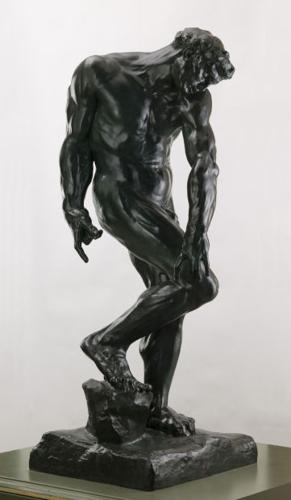
There are big-time logistics to this exhibit, from selecting the art to deciding on the overall thesis of the show; arranging to bring the art in; escorting the art traveling from Vienna, and then from Washington to Tucson; deciding how to display the art; arranging for increased security and insurance; writing a comprehensive catalog, and even figuring out how to get a 6-foot-plus, 706-pound bronze sculpture of Auguste Rodin’s “Adam” into the lower well of the museum.
“We’ve been working on this nonstop for a year,” Sasse said.
While the exhibit has some major works by artists who are household names in this country, it also includes works by artists who are well-known in Europe but not so much here; pieces from the early or late stages of an artist’s career; paintings by artists known for their sculpture and vice versa; large pieces and small drawings.
“I’m so excited to have so many well-known artists in one place here in Tucson,” Sasse said. “These are names we don’t often get to see in this region.”
“We are just a small, regional art museum,” Knight said. “It was a leap of faith on their part to entrust us with this collection. We are humbled.”
See today’s Home + Life section for more information and for samples of works included in the exhibit.

