

Theater teachers are used to thinking outside the box.
They come up with all sorts of creative ways to finance a show, whisk together costumes, hustle materials for a set.
So it should come as no surprise that while schools have shuttered because of the coronavirus, it hasn’t stopped the shows.
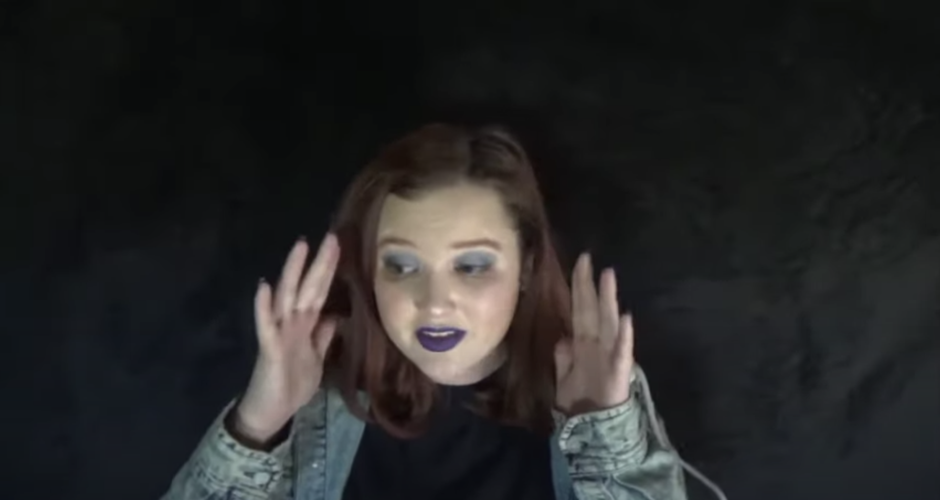
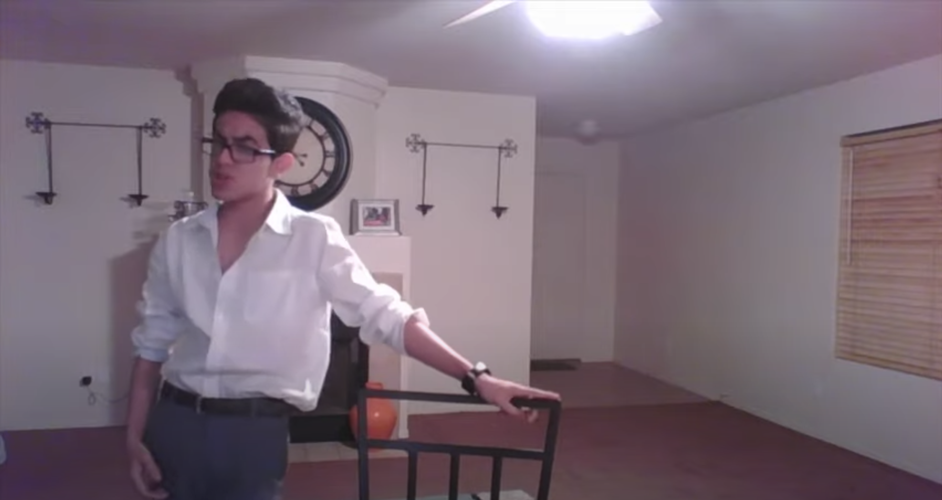
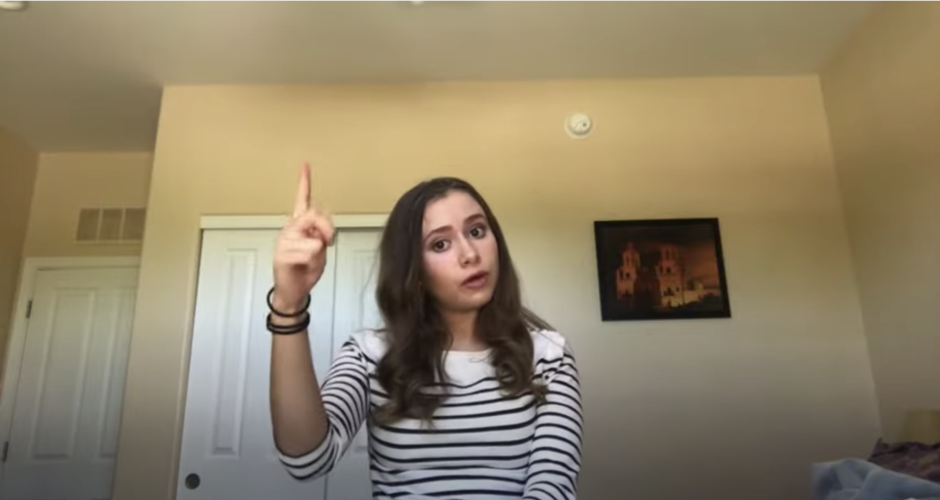
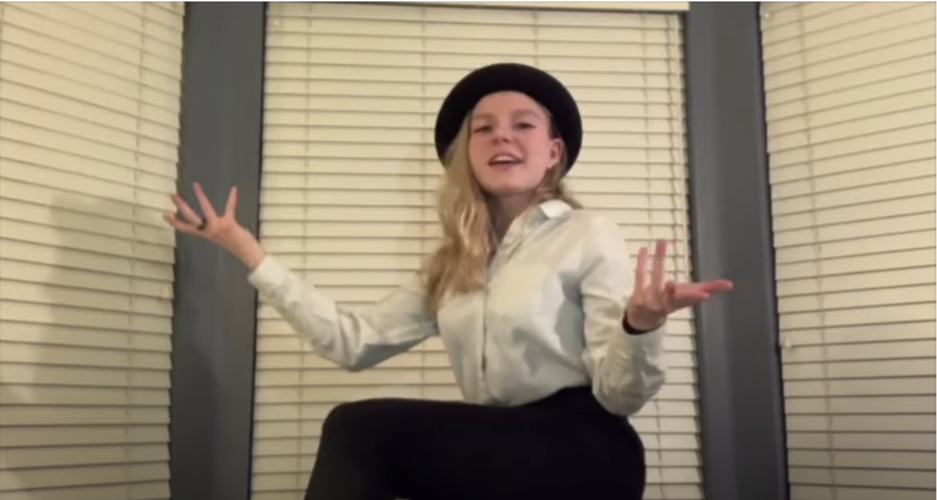
Some theater educators in town have taken to rehearsing students virtually for the always-anticipated big spring production.
And they are mounting the plays the same way.
Empire High School’s Richard Gremel had been rehearsing his students for the spring play, “Trap,” since January.
“We went on spring break March 9 and never came back,” he says. “We were planning to do a show April 24. The goal was to come back from break and put the final pieces together.”
When the schools closed, Gremel made the tough decision to cancel all productions. Then he got an email from Stage Partners, a company that licenses plays for schools.
“They put out this free-to-perform monologue play called ‘Stranded,’” he says. “They said do with it what you like.”
“Stranded,” specifically designed for a virtual production, takes place on a cruise ship that has been quarantined. It is a series of monologues from the passengers.
Some students needed the performing credits, and others, particularly the seniors, were excited about the last production. Gremel emailed his classes and offered them the option of performing the play virtually. All but two of his 25 students jumped at the chance.
The two that didn’t had conflicts with jobs and other classes.
“All the kids were on board,” he says. “They were grateful to have an opportunity to perform.”
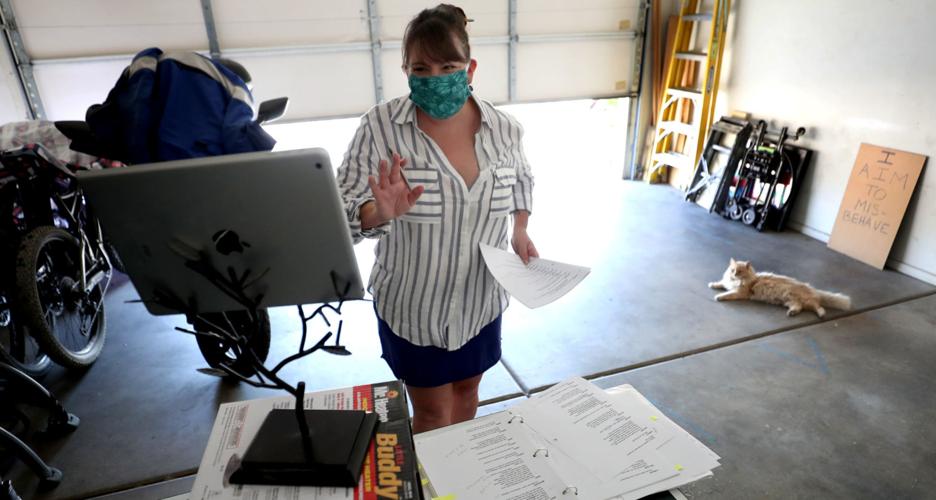
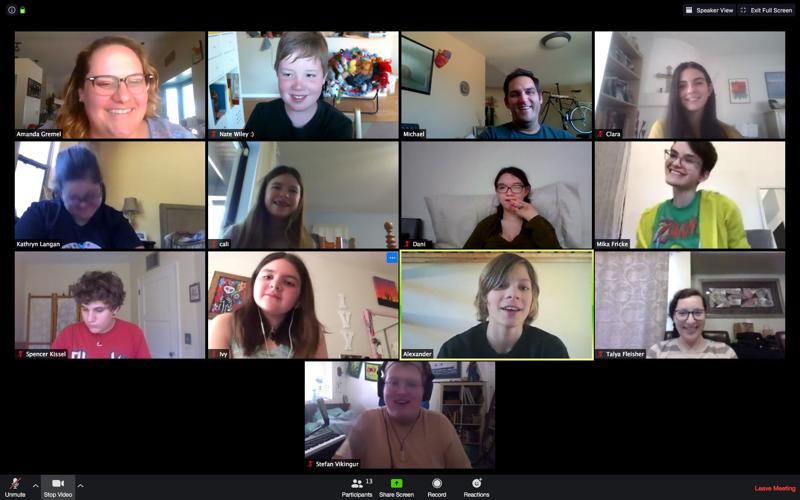
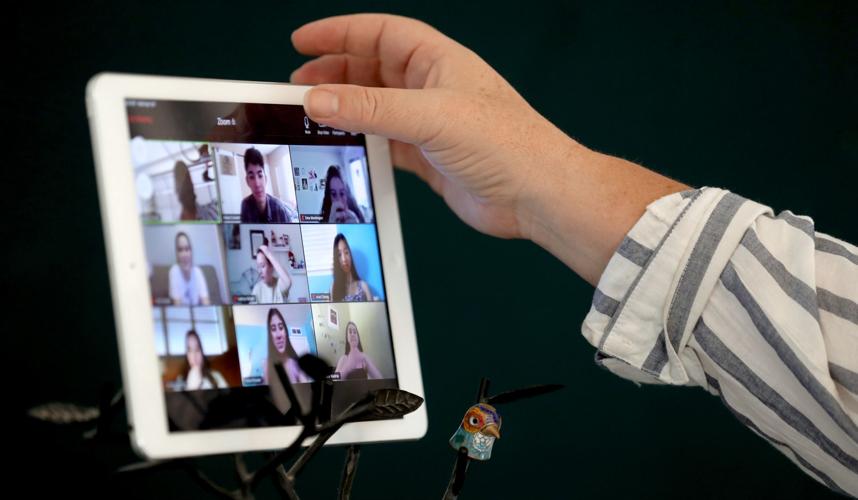
He rehearsed them on Zoom.
“I listened to one monologue at a time, and I gave notes and feedback,” says Gremel.
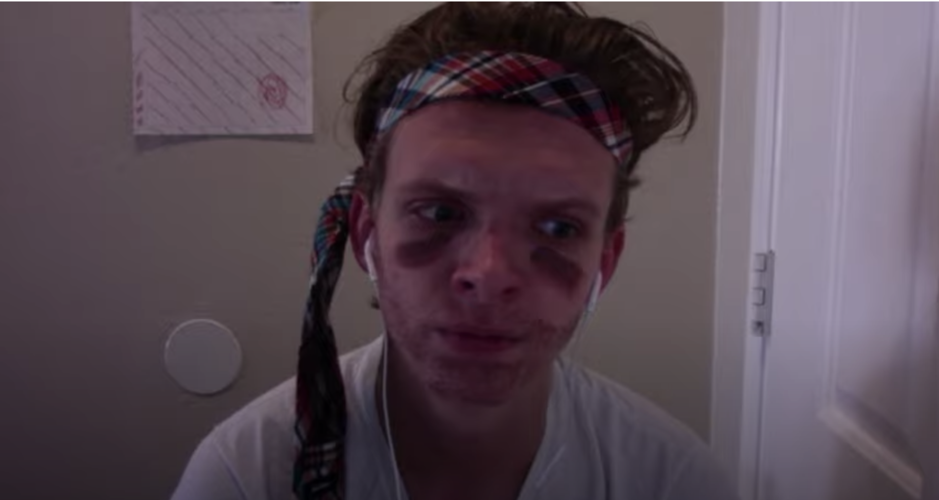
When the show was ready, each student filmed his or her monologue and sent it to Gremel, who then spliced them together and put the show on YouTube.
Empire High senior Jake Taylor found that working virtually allowed him more time to develop his character.
“But it’s also kind of sad because I really like hanging out with everybody,” he says.
Madyson Edwards, also a senior at the school, was grateful for the chance to rehearse and perform. But she found the virtual element less than satisfying.
“I think one of the best things about acting is you get to hear the audience’s reaction and that helps you gauge if what you are doing is right or wrong,” she says. “Online, not having that live audience to hear the reaction was a bit tough. I’m not sure how the audience perceives it.”
Rincon/University High School’s advanced theater class had planned a production of Shakespeare’s “Much Ado About Nothing” as its year-end play.
Lines had been memorized, sets and costumes almost complete, when schools were closed.
“As soon as I realized we weren’t going back right away, I messaged them over spring break and said ‘don’t let this go’, we will push through,” says theater teacher Maryann Green
Zoom rehearsals began.
The plan is to eventually record it. But what has come out of the rehearsals has been something equally important.
“A lot of my seniors say they are done with school and yet they show up Tuesdays and Thursdays for rehearsals,” says Green. “Part of it is because it’s that sense of team, of ensemble. It’s so important to remind people that we are still a part of a community. And I think that’s especially important for teenagers.”
Live Theatre Workshop has continued its popular education classes online, including one called “Let’s Make a Musical,” which had students creating a musical. The productions will be performed virtually.
LTW teacher Amanda Gremel has found virtual teaching leaves time for more in-depth work.
“We are able to break down acting 101 and really get them connected to characters,” she says. “We strip it down and go back to basics.”
Chris Pankratz wrote a farce, “You Can’t Make Wine From Raisins,” for his theater students at Flowing Wells High School to perform. When schools closed, he moved rehearsals online.
“The physical comedy goes away, but the kids seem to value it,” says Pankratz, who says the goal is to film a stage reading of the play.
Canceling the staged production has been sad, he says, “especially for seniors who are mourning their last shows, a milestone for high school theater kids.”
At the same time, “it’s inspiring to see that the kids are putting a lot into it,” he said.
Kevin Johnson, who teaches theater to primary students at Basis Tucson North, got wind of “The Show Must Go Online,” a musical that had just come out and was written specifically for online. He is planning a virtual production with his fourth graders, working in tandem with the school’s music teacher.
The spring play is a big thing for the fourth graders.
“It’s something they look forward to all year long,” says Johnson. “I thought it wasn’t a good way for the kids to leave the school.”
Denver Casado, co-founder of Beat by Beat, a New York City-based company that publishes new musicals for kids to perform, is one of a trio of writers who whipped the play together in 19 days.
“Typically it takes six months to a year to write a show,” he says. “We had heard people were desperate to do something with theater kids. The feedback I got is that this is something that’s hugely needed now. That motivated us.”
To date, 375 virtual productions of “The Show Must Go Online” are underway, including the one at Basis, he says.
“That’s in 11 different countries. And we’ve already been approached about translating it,” Casado says
Johnson isn’t surprised that theater teachers have rallied to find a way to continue to teach and make art.
“When something shuts down, the arts find a way to completely reinvent, to skate around obstacles,” says Johnson. “It’s not going to stop. People are determined to create music and words and presentations. … When we have to start from scratch, we find new ways to create. We have to. There’s no choice.”

