

Photo tour: Foods of Tucson's past, and present
- Updated
People have farmed here for 4,000 years. But not just corn, beans and squash ...
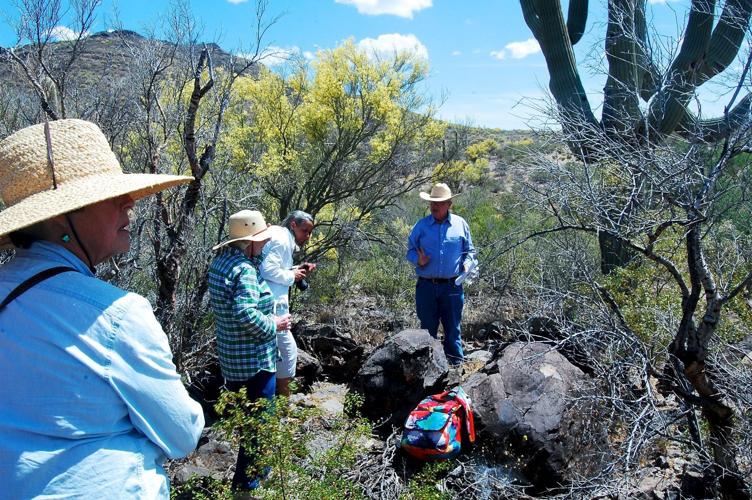
Ancient rock piles used by Hohokam Indians to grow agave still dot the landscape at the base of Tumamoc Hill. Tucson archaeologists Paul and Suzanne Fish led a small group through a tour of the area this weekend, illuminating the desert's 4,000-year history of agriculture.
- Andi Berlin / Arizona Daily Star

Cholla buds grow naturally in the area, and have been eaten by hunter-gatherers when they pop up in late spring. (This year's season is just ending.) Once the the spines are removed and the buds are boiled, they taste like a cross between artichokes and asparagus.
- Andi Berlin / Arizona Daily Star
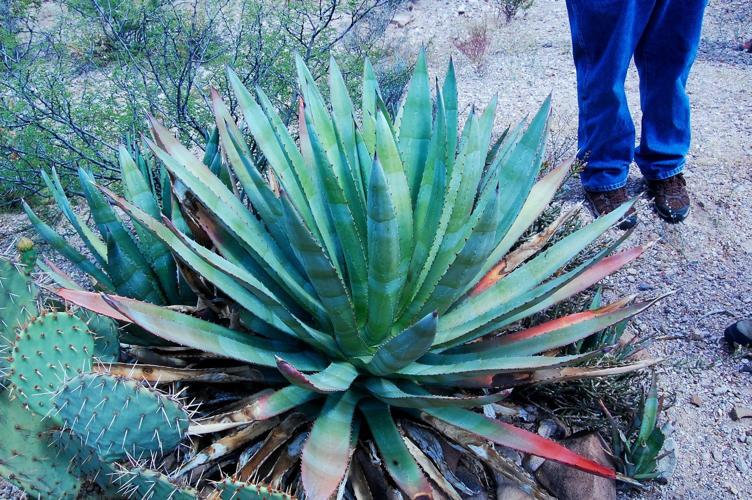
More than 700 years ago, the Hohokam cultivated agave and roasted their sugary, fibrous hearts in large pits for food, Suzanne Fish said. They could also pound the hearts into cakes and dry them in the sun for later use. Pictured, a plant grown by the Fishes to assist with their studies.
- Andi Berlin / Arizona Daily Star
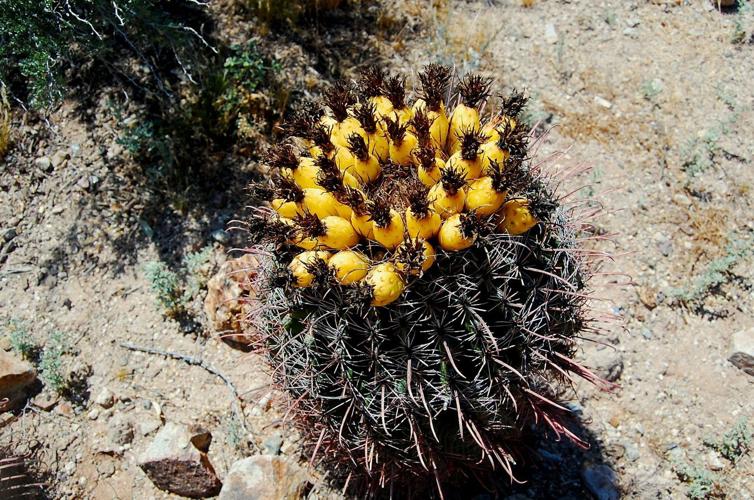
Barrel cactus fruit, pictured at Mission Garden during the first leg of the tour, can be harvested in the wild by twisting it off the top of the cactus. You can pull the top flower away and eat it raw. Just be careful of spines.
- Andi Berlin / Arizona Daily Star
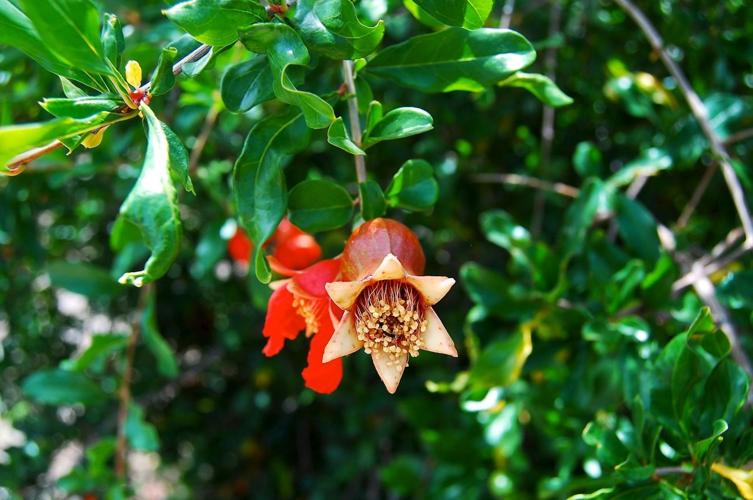
When Spanish Jesuits arrived in the late 1600s, they brought with them a variety of fruits, vegetables, grains and herbs. This pomegranate tree, at Mission Garden is a clone of an original variety grown during the time of Father Kino.
- Andi Berlin / Arizona Daily Star
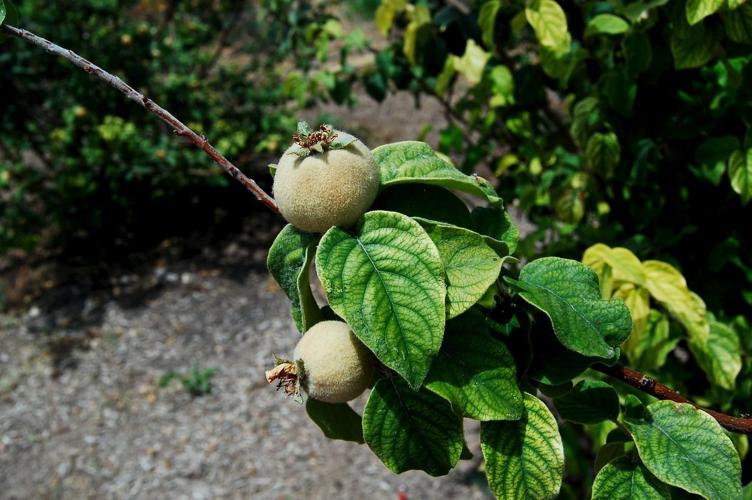
This quince fruit, which makes the famous Spanish membrillo preserve, was also brought in by the Spanish. The Arizona-Sonora Desert Museum's Jesús García is working with Mission Garden to revive these trees through the Kino Heritage Fruit Trees Project.
- Andi Berlin / Arizona Daily Star
Ancient rock piles used by Hohokam Indians to grow agave still dot the landscape at the base of Tumamoc Hill. Tucson archaeologists Paul and Suzanne Fish led a small group through a tour of the area this weekend, illuminating the desert's 4,000-year history of agriculture.
- Andi Berlin / Arizona Daily Star
Cholla buds grow naturally in the area, and have been eaten by hunter-gatherers when they pop up in late spring. (This year's season is just ending.) Once the the spines are removed and the buds are boiled, they taste like a cross between artichokes and asparagus.
- Andi Berlin / Arizona Daily Star
More than 700 years ago, the Hohokam cultivated agave and roasted their sugary, fibrous hearts in large pits for food, Suzanne Fish said. They could also pound the hearts into cakes and dry them in the sun for later use. Pictured, a plant grown by the Fishes to assist with their studies.
- Andi Berlin / Arizona Daily Star

The Hohokam fashioned pieces of rock into sharp tools that would cut into agave.
- Andi Berlin / Arizona Daily Star
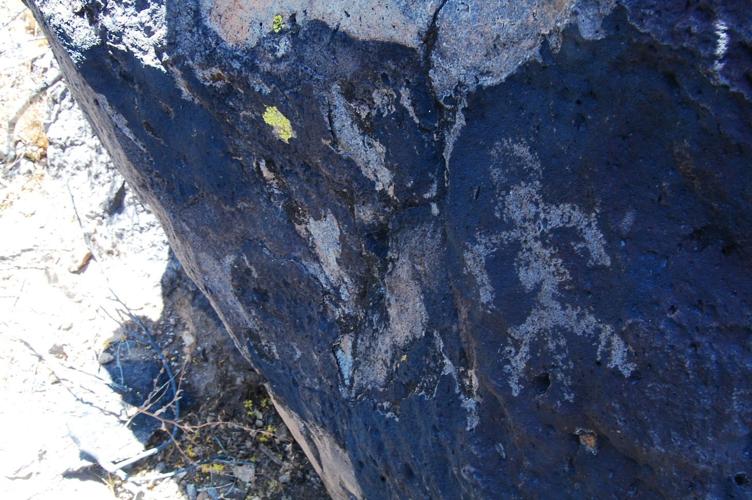
Rock art found near an agave roasting pit at the base of Tumamoc Hill.
- Andi Berlin / Arizona Daily Star
Barrel cactus fruit, pictured at Mission Garden during the first leg of the tour, can be harvested in the wild by twisting it off the top of the cactus. You can pull the top flower away and eat it raw. Just be careful of spines.
- Andi Berlin / Arizona Daily Star
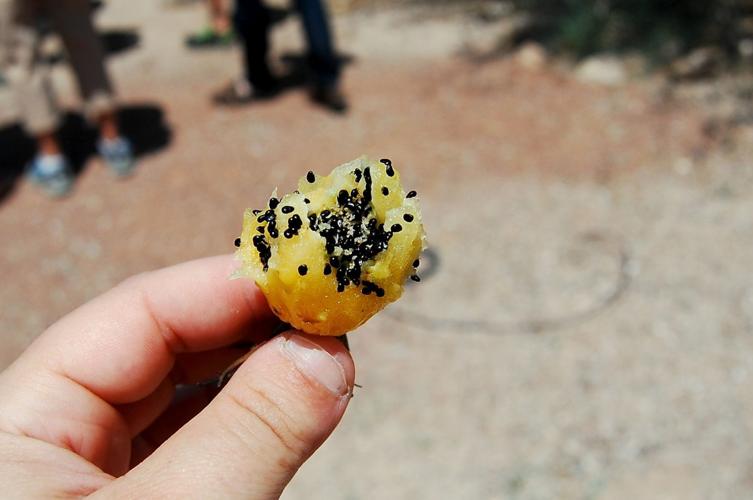
Barrel cactus fruit is crisp like a bell pepper, with a tangier sweet flavor and tons of seeds.
- Andi Berlin / Arizona Daily Star
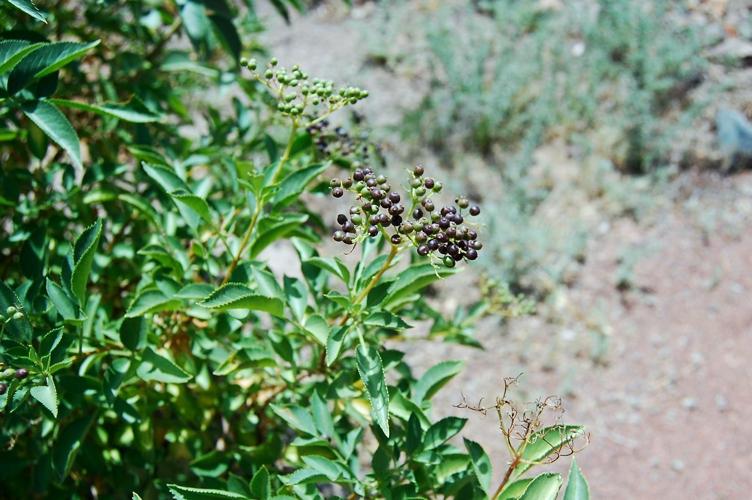
Native to the Sonoran Desert, elderberry plants are found growing near acequia canals. Their flowers can be used for medicinal purposes, and their berries are used to make wine and atole.
- Andi Berlin / Arizona Daily Star
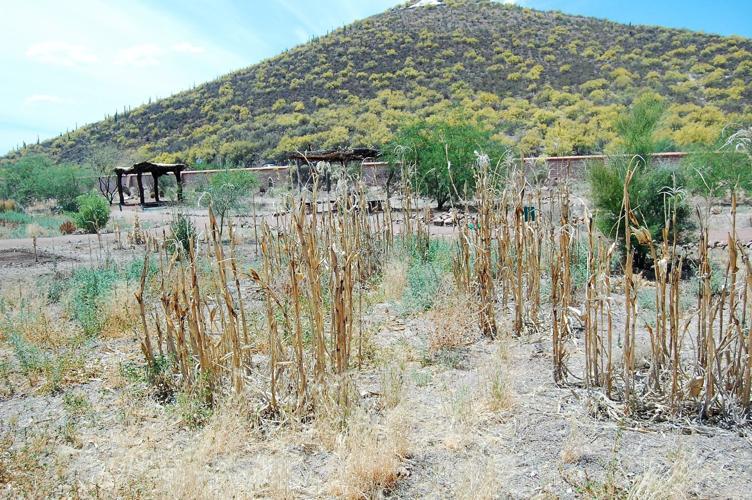
The Hohokam's main crops were beans, squash and of course corn, pictured above at Mission Garden.
- Andi Berlin / Arizona Daily Star
When Spanish Jesuits arrived in the late 1600s, they brought with them a variety of fruits, vegetables, grains and herbs. This pomegranate tree, at Mission Garden is a clone of an original variety grown during the time of Father Kino.
- Andi Berlin / Arizona Daily Star
This quince fruit, which makes the famous Spanish membrillo preserve, was also brought in by the Spanish. The Arizona-Sonora Desert Museum's Jesús García is working with Mission Garden to revive these trees through the Kino Heritage Fruit Trees Project.
- Andi Berlin / Arizona Daily Star
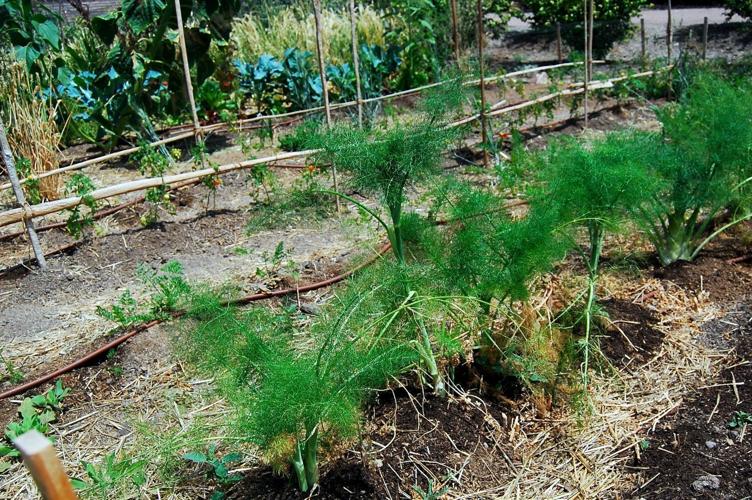
Herbs like fennel, which grew wild on the Southern coasts of Spain, were highly-prized in colonial times for their anise flavor, García said. Fennel is still used today in Mexican cooking, where it is called hinojo.
- Andi Berlin / Arizona Daily Star
Tags
As featured on

Take a glimpse into the evolution of Tucson's culinary scene.
A former food truck and a reopened favorite carve their niche on Pennington.

Chefs from nine downtown restaurants will showcase their culinary skills.


View this profile on Instagram#ThisIsTucson 🌵 (@this_is_tucson) • Instagram photos and videos
Most viewed stories
-
Over 40 events happening in Tucson March 11-15 📖☘️
-
Why romance is 'breaking' the Tucson Festival of Books: 13 authors to turn up the heat
-
Nearly 90 fun events happening in March! 🌺
-
Surprise! Wildflower season is starting early. Here's where to find the best blooms 🌼
-
'Salsa Daddy' coming to the Tucson book festival
-
Conservation park for endangered animal could open south of Tucson
-
Tucson's St. Patrick's Day events start Saturday with festival ☘️
-
Jamie vs Sonoran Dogs: The very delicious ending to the Sonoran Dog Trail
-
Cinammon rolls and double chocolate muffins: 1989 Bakehouse is now open on Fourth Avenue