

Photos: Ft. Bowie National Historic Site
- Updated
Fort Bowie was an Army outpost the served as the staging point for the hunt for Apache Indian leader Geronimo. It had a short and bloody history. It was founded in 1862 and abandoned in 1894. It became a national historic site in 1964. Go to tucson.com/parks for more on Arizona's National Parks and Monuments.
Ft. Bowie National Historic Site
- Mike Chrsity / Arizona Daily Star
- Updated
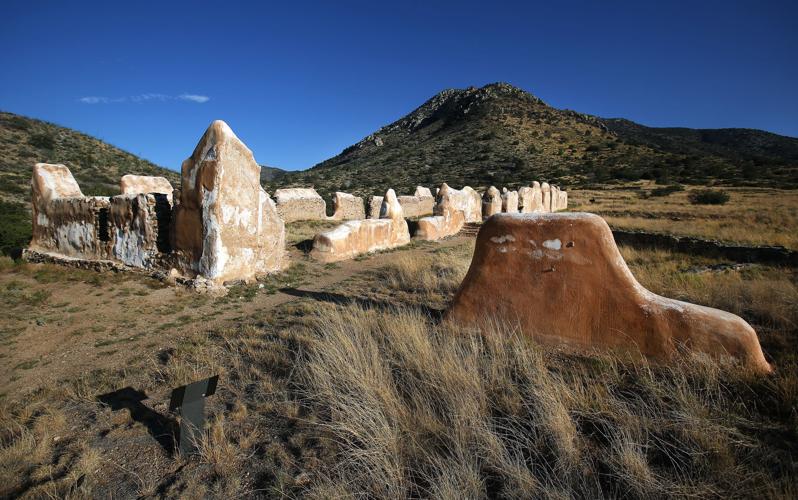
Ruins of cavalry barracks Fort Bowie National Historic Site on July 7, 2016, south of Bowie, Ariz. in the Chiricachua Mountains. The fort was the U.S. Army's focus of operations against the Chiricahua Apache tribe in the 1800s, serving as home to nearly 400 soldiers, officers, workers and their family in the 1800s. It was abandoned in 1894.
Ft. Bowie National Historic Site
- Mike Chrsity / Arizona Daily Star
- Updated
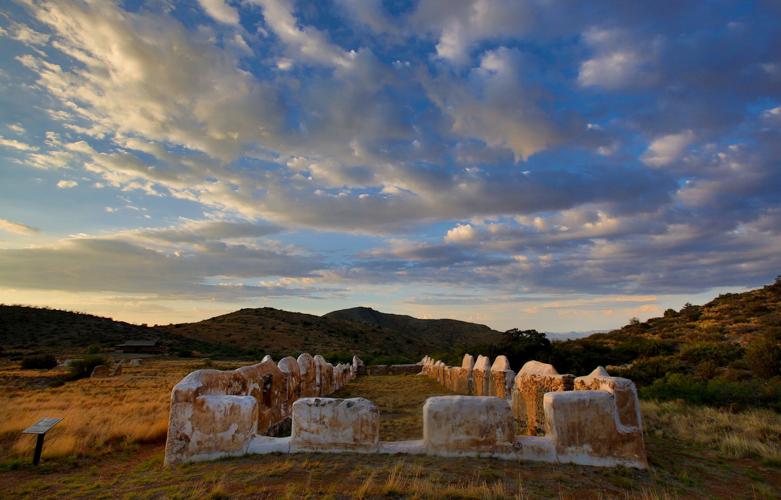
The setting sun warms the vista where ruins of cavalry barracks remain at Fort Bowie National Historic Site on July 7, 2016, south of Bowie, Ariz. in the Chiricachua Mountains. The fort was the U.S. Army's focus of operations against the Chiricahua Apache tribe in the 1800s, serving as home to nearly 400 soldiers, officers, workers and their family in the 1800s. It was abandoned in 1894.
Ft. Bowie National Historic Site
- National Park Service
- Updated
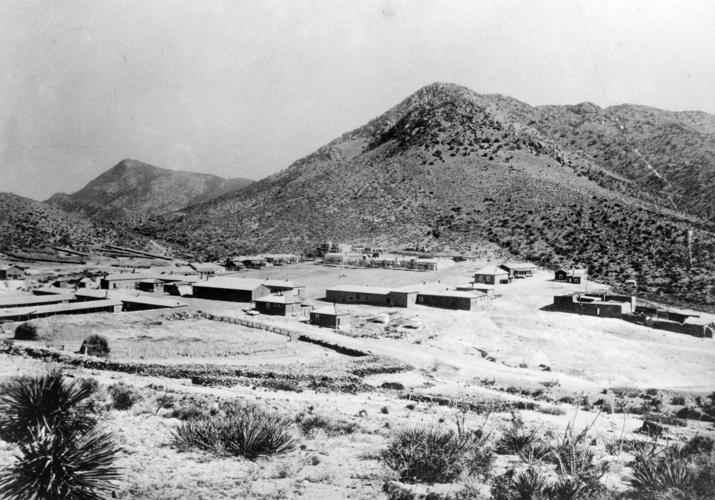
Ft. Bowie, ca. 1880
Ft. Bowie National Historic Site
- Mike Chrsity / Arizona Daily Star
- Updated
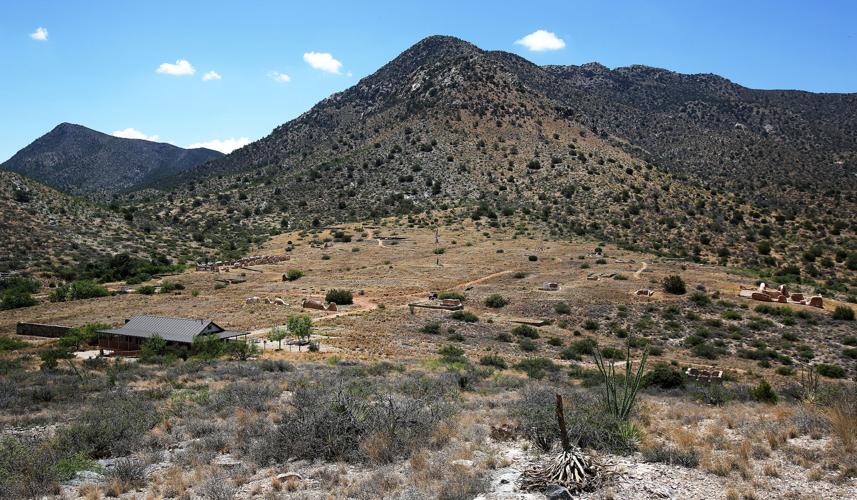
Fort Bowie National Historic Site as it appears looking southeast on July 8, 2016, south of Bowie, Ariz. in the Chiricachua Mountains. The fort was the U.S. Army's focus of operations against the Chiricahua Apache tribe in the 1800s, serving as home to nearly 400 soldiers, officers, workers and their family in the 1800s. It was abandoned in 1894.
Ft. Bowie National Historic Site
- Mike Chrsity / Arizona Daily Star
- Updated
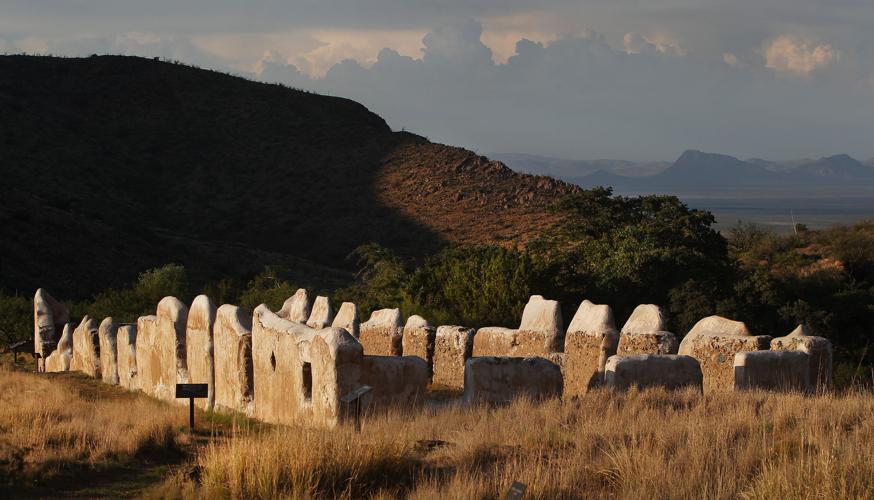
The setting sun warms the vista where ruins of cavalry barracks remain at Fort Bowie National Historic Site on July 7, 2016, south of Bowie, Ariz. in the Chiricachua Mountains. The fort was the U.S. Army's focus of operations against the Chiricahua Apache tribe in the 1800s, serving as home to nearly 400 soldiers, officers, workers and their family in the 1800s. It was abandoned in 1894.
Ft. Bowie National Historic Site
- Mike Chrsity / Arizona Daily Star
- Updated
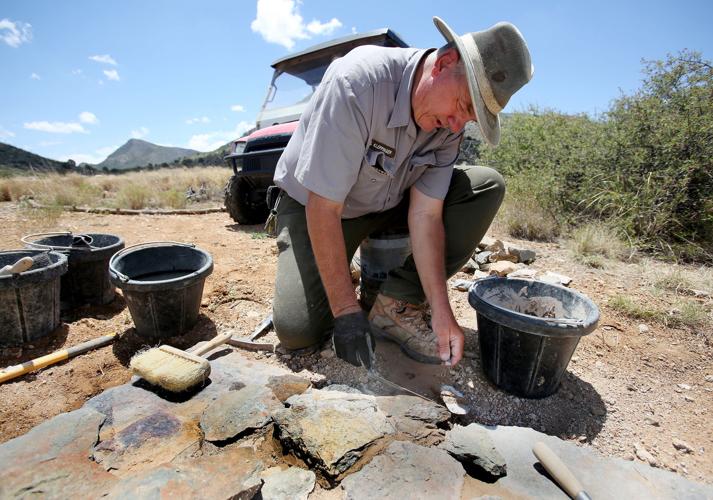
Gregg Kleppinger, a masonry worker with the U.S. Park Service, uses soil cement to stabilize the decaying cap the rock mortar foundation that was a guard house at Fort Bowie National Historic Site on July 8, 2016, south of Bowie, Ariz. in the Chiricachua Mountains. The fort was the U.S. Army's focus of operations against the Chiricahua Apache tribe in the 1800s, serving as home to nearly 400 soldiers, officers, workers and their family in the 1800s. It was abandoned in 1894.
Ft. Bowie National Historic Site
- Mike Chrsity / Arizona Daily Star
- Updated
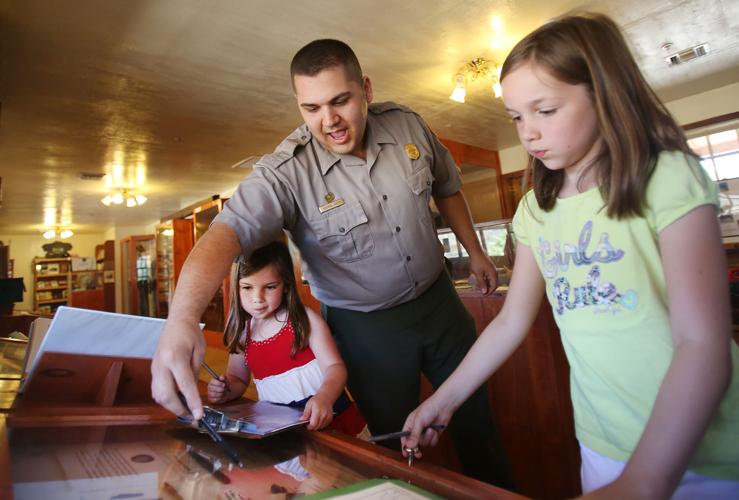
Michael Dozier, a National Park Service park guide, helps Jordan Downey, 8, right, and her sister Rylan, 6, with a visitor center scavenger hunt at Fort Bowie National Historic Site on July 8, 2016, south of Bowie, Ariz. in the Chiricachua Mountains. The fort was the U.S. Army's focus of operations against the Chiricahua Apache tribe in the 1800s, serving as home to nearly 400 soldiers, officers, workers and their family in the 1800s. It was abandoned in 1894.
Ft. Bowie National Historic Site
- Mike Chrsity / Arizona Daily Star
- Updated
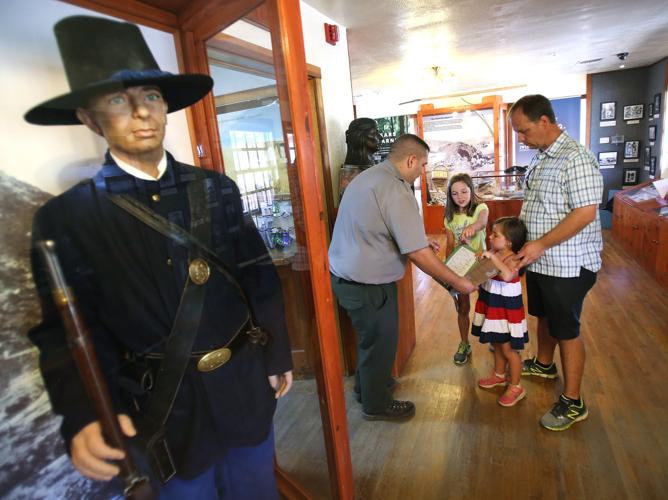
Michael Dozier, a National Park Service park guide, left, presents Jordan Downey, middle right, 8 and her sister Rylan, 6, who traveled from Simi Valley, Cailf., with their dad John, right,†with materials for a "Junior Ranger" program at Fort Bowie National Historic Site on July 8, 2016, south of Bowie, Ariz. in the Chiricachua Mountains. The fort was the U.S. Army's focus of operations against the Chiricahua Apache tribe in the 1800s, serving as home to nearly 400 soldiers, officers, workers and their family in the 1800s. It was abandoned in 1894.
Ft. Bowie National Historic Site
- Mike Chrsity / Arizona Daily Star
- Updated
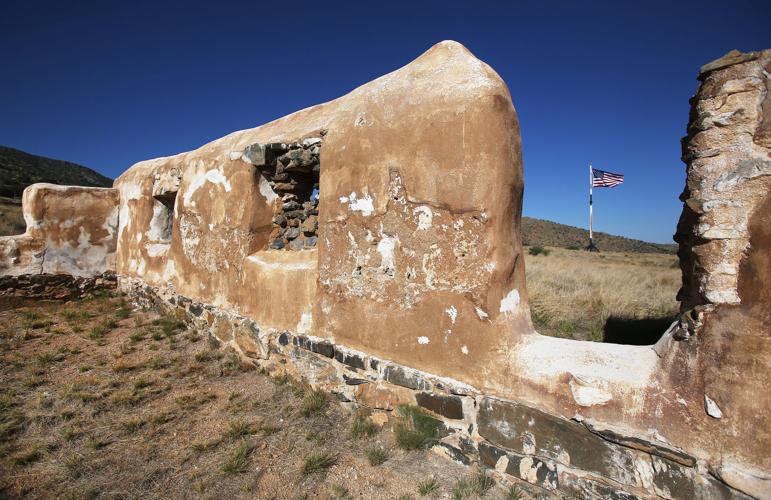
An American flag flies over the fort's parade grounds, seen through the ruins of cavalry barracks at Fort Bowie National Historic Site on July 8, 2016, south of Bowie, Ariz. in the Chiricachua Mountains. The fort was the U.S. Army's focus of operations against the Chiricahua Apache tribe in the 1800s, serving as home to nearly 400 soldiers, officers, workers and their family in the 1800s. It was abandoned in 1894.
Ft. Bowie National Historic Site
- Mike Chrsity / Arizona Daily Star
- Updated
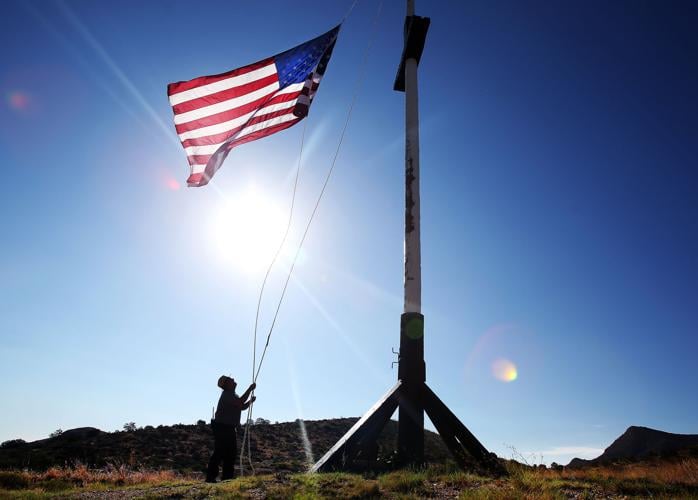
Michael Dozier, a National Park Service park guide, raises the American flag over the parade grounds in the morning at Fort Bowie National Historic Site on July 8, 2016, south of Bowie,†Ariz. in the Chiricachua Mountains. The fort was the U.S. Army's focus of operations against the Chiricahua Apache tribe in the 1800s, serving as home to nearly 400 soldiers, officers, workers and their family in the 1800s. It was abandoned in 1894.
Ft. Bowie National Historic Site
- Mike Chrsity / Arizona Daily Star
- Updated
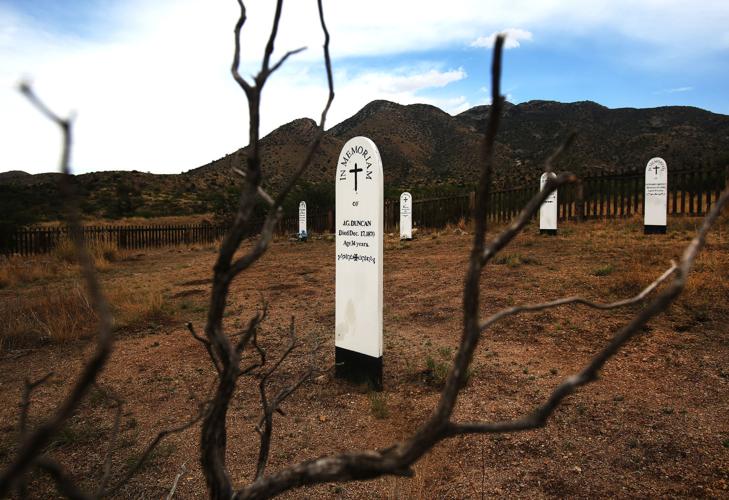
The post cemetery at Fort Bowie National Historic Site on July 7, 2016, south of Bowie, Ariz. in the Chiricachua Mountains. The fort was the U.S. Army's focus of operations against the Chiricahua Apache tribe in the 1800s, serving as home to nearly 400 soldiers, officers, workers and their family in the 1800s. It was abandoned in 1894.
Ft. Bowie National Historic Site
- Mike Chrsity / Arizona Daily Star
- Updated
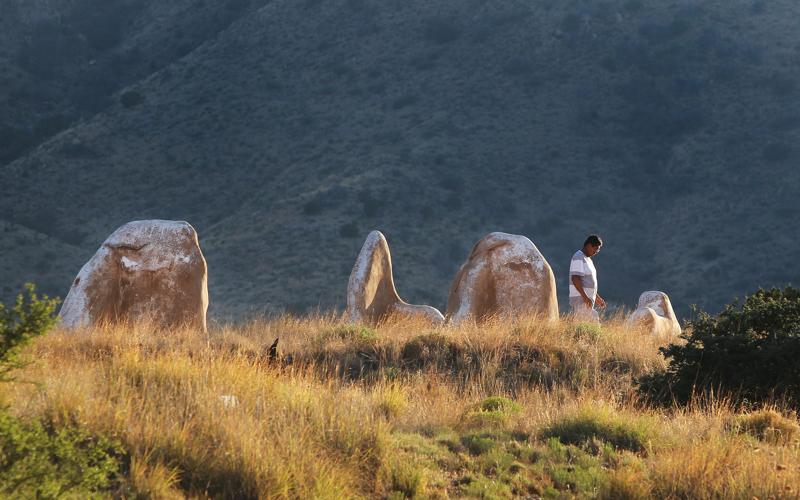
A visitor examines the ruins of officers quarters at Fort Bowie National Historic Site on July 7, 2016, south of Bowie, Ariz. in the Chiricachua Mountains. The fort was the U.S. Army's focus of operations against the Chiricahua Apache tribe in the 1800s, serving as home to nearly 400 soldiers, officers, workers and their family in the 1800s. It was abandoned in 1894.
Ft. Bowie National Historic Site
- Mike Chrsity / Arizona Daily Star
- Updated
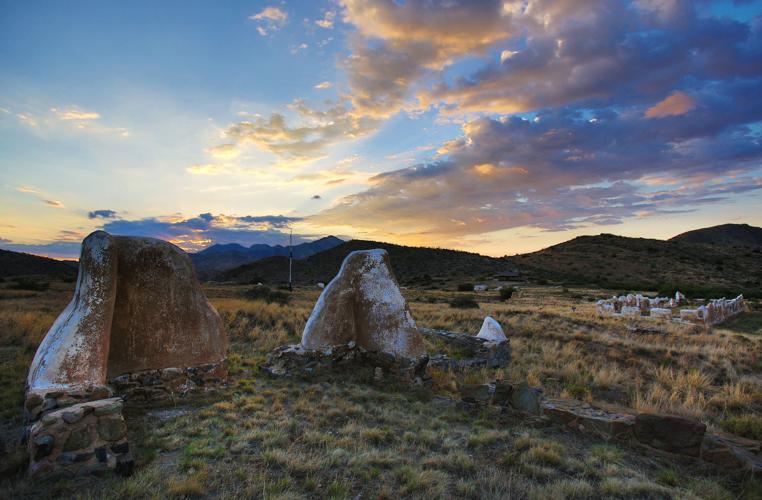
The sun sets over the ruins of officers quarters, front, and cavalry barracks, right, at Fort Bowie National Historic Site on July 7, 2016, south of Bowie, Ariz. in the Chiricachua Mountains. The fort was the U.S. Army's focus of operations against the Chiricahua Apache tribe in the 1800s, serving as home to nearly 400 soldiers, officers, workers and their family in the 1800s. It was abandoned in 1894.
Ft. Bowie National Historic Site
- Mike Chrsity / Arizona Daily Star
- Updated
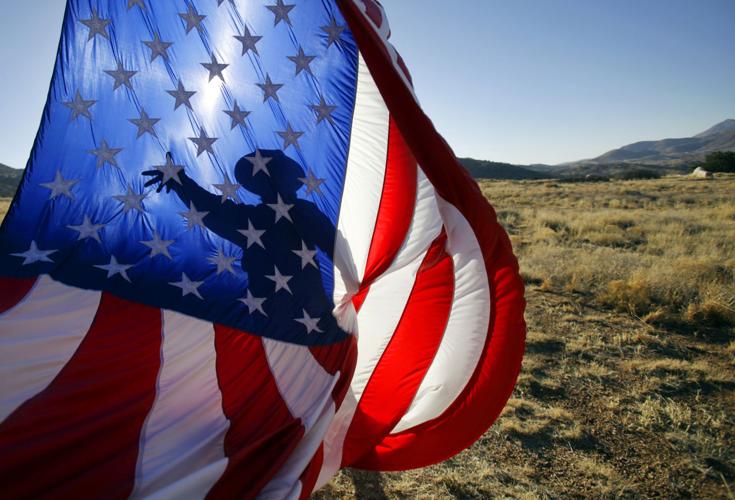
Fort Bowie seasonal park ranger Janet Hoppe battles the wind as she takes down a large 11x17 foot flag in the middle of what was once the parade grounds of Fort Bowie in 2011.
Ft. Bowie National Historic Site
- National Park Service
- Updated
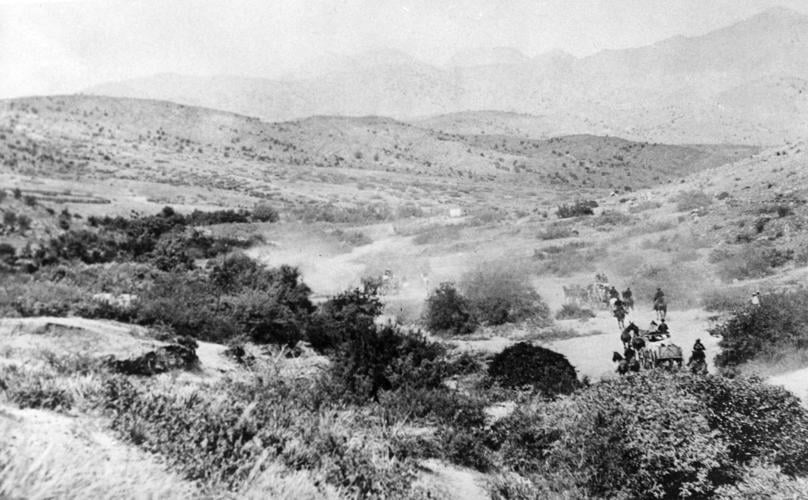
Riders near Ft. Bowie, ca. 1880s.
Ft. Bowie National Historic Site
- National Park Service
- Updated
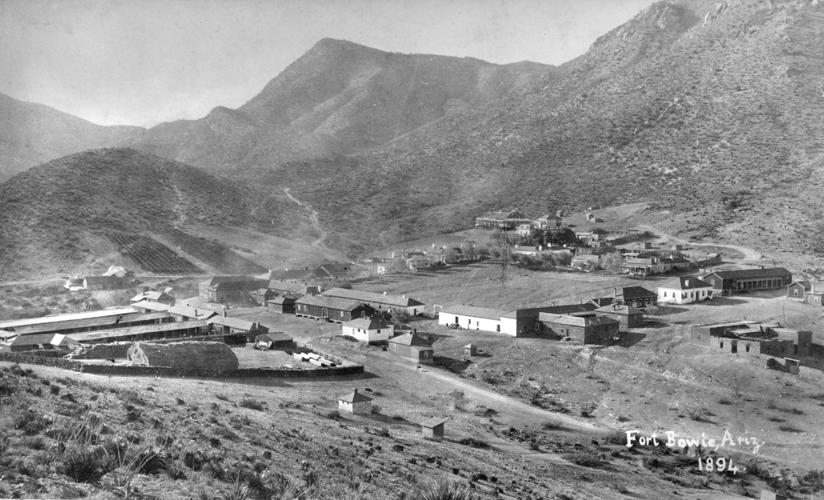
Ft. Bowie in 1894.

Ft. Bowie National Historic Site
- Library of Congress
- Updated
Fort Bowie (Ruins), looking East, Bowie, Cochise County, AZ, 1937. Historic American Buildings Survey, Frederick D. Nichols, photographer
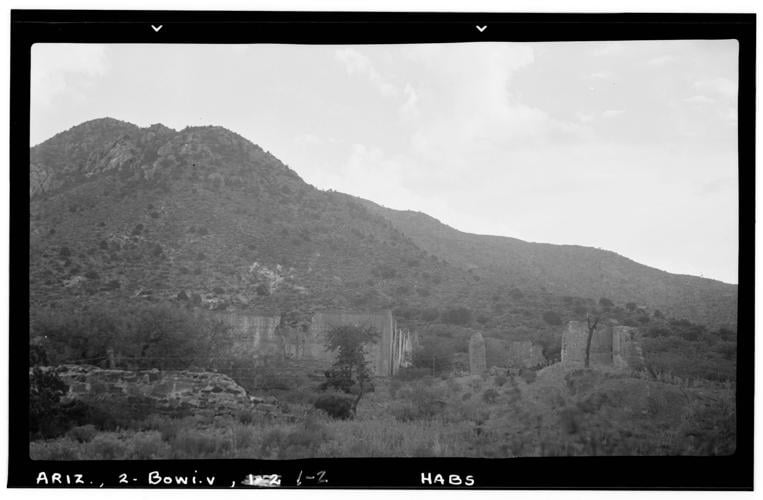
Ft. Bowie National Historic Site
- Library of Congress
- Updated
Fort Bowie (Ruins), , looking south, Bowie, Cochise County, AZ, 1937. Historic American Buildings Survey, Frederick D. Nichols, photographer
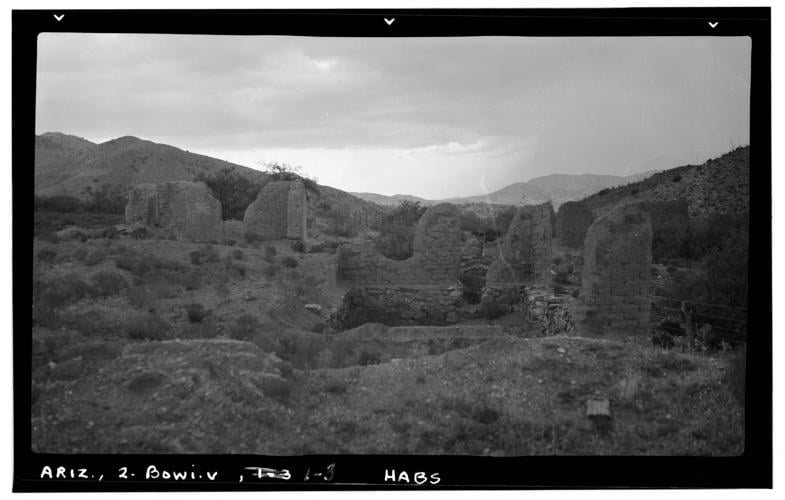
Ft. Bowie National Historic Site
- Library of Congress
- Updated
Fort Bowie (Ruins), looking West, Bowie, Cochise County, AZ, 1937. Historic American Buildings Survey, Frederick D. Nichols, photographer
Ft. Bowie National Historic Site
- Tucson Citizen
- Updated
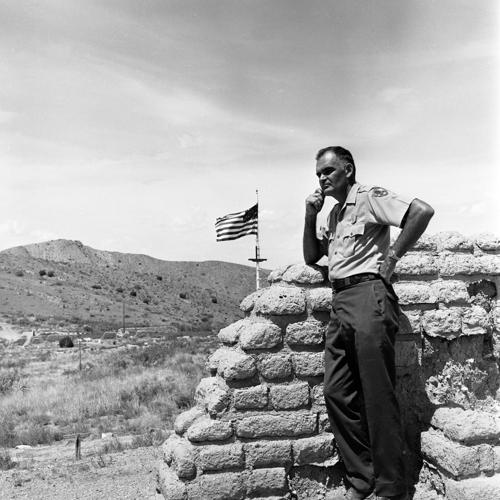
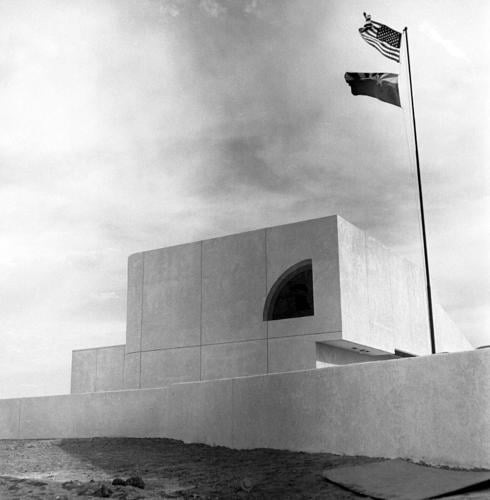
Park Ranger Wilton Hoy looks out from a parapet on Ft. Bowie, which was dedicated as a national historic site on July 29, 1972. The flag in the background, with 38 stars, is a replica of the one that flew over the post in 1886 when Geronimo surrendered to the U.S. Calvary.
Ft. Bowie National Historic Site
- Tucson Citizen
- Updated
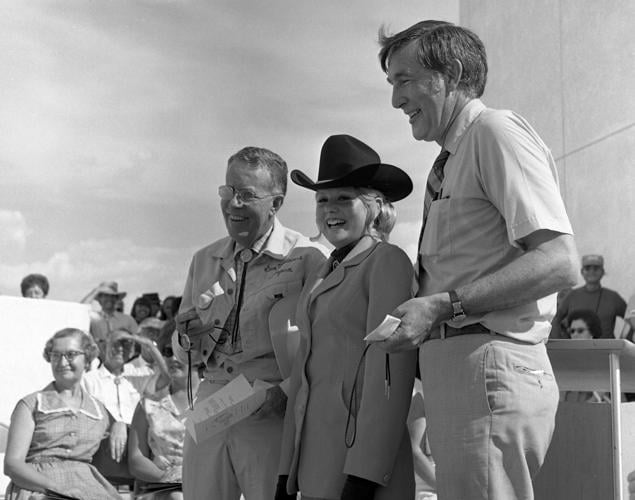
Dignitaries at the dedication of the visitor's center at Ft. Bowie National Historic Site on July 29, 1972, included Arizona Gov. Jack Williams, left, and U.S. Rep. Mo Udall, right.
Ft. Bowie National Historic Site
- Tucson Citizen
- Updated
the new visitor's center at Ft. Bowle National Historic Site in July, 1972.
Ft. Bowie National Historic Site
- Mike Chrsity / Arizona Daily Star
Ruins of cavalry barracks Fort Bowie National Historic Site on July 7, 2016, south of Bowie, Ariz. in the Chiricachua Mountains. The fort was the U.S. Army's focus of operations against the Chiricahua Apache tribe in the 1800s, serving as home to nearly 400 soldiers, officers, workers and their family in the 1800s. It was abandoned in 1894.
Ft. Bowie National Historic Site
- Mike Chrsity / Arizona Daily Star
The setting sun warms the vista where ruins of cavalry barracks remain at Fort Bowie National Historic Site on July 7, 2016, south of Bowie, Ariz. in the Chiricachua Mountains. The fort was the U.S. Army's focus of operations against the Chiricahua Apache tribe in the 1800s, serving as home to nearly 400 soldiers, officers, workers and their family in the 1800s. It was abandoned in 1894.
Ft. Bowie National Historic Site
- Mike Chrsity / Arizona Daily Star
Fort Bowie National Historic Site as it appears looking southeast on July 8, 2016, south of Bowie, Ariz. in the Chiricachua Mountains. The fort was the U.S. Army's focus of operations against the Chiricahua Apache tribe in the 1800s, serving as home to nearly 400 soldiers, officers, workers and their family in the 1800s. It was abandoned in 1894.
Ft. Bowie National Historic Site
- Mike Chrsity / Arizona Daily Star
The setting sun warms the vista where ruins of cavalry barracks remain at Fort Bowie National Historic Site on July 7, 2016, south of Bowie, Ariz. in the Chiricachua Mountains. The fort was the U.S. Army's focus of operations against the Chiricahua Apache tribe in the 1800s, serving as home to nearly 400 soldiers, officers, workers and their family in the 1800s. It was abandoned in 1894.
Ft. Bowie National Historic Site
- Mike Chrsity / Arizona Daily Star
Gregg Kleppinger, a masonry worker with the U.S. Park Service, uses soil cement to stabilize the decaying cap the rock mortar foundation that was a guard house at Fort Bowie National Historic Site on July 8, 2016, south of Bowie, Ariz. in the Chiricachua Mountains. The fort was the U.S. Army's focus of operations against the Chiricahua Apache tribe in the 1800s, serving as home to nearly 400 soldiers, officers, workers and their family in the 1800s. It was abandoned in 1894.
Ft. Bowie National Historic Site
- Mike Chrsity / Arizona Daily Star
Michael Dozier, a National Park Service park guide, helps Jordan Downey, 8, right, and her sister Rylan, 6, with a visitor center scavenger hunt at Fort Bowie National Historic Site on July 8, 2016, south of Bowie, Ariz. in the Chiricachua Mountains. The fort was the U.S. Army's focus of operations against the Chiricahua Apache tribe in the 1800s, serving as home to nearly 400 soldiers, officers, workers and their family in the 1800s. It was abandoned in 1894.
Ft. Bowie National Historic Site
- Mike Chrsity / Arizona Daily Star
Michael Dozier, a National Park Service park guide, left, presents Jordan Downey, middle right, 8 and her sister Rylan, 6, who traveled from Simi Valley, Cailf., with their dad John, right,†with materials for a "Junior Ranger" program at Fort Bowie National Historic Site on July 8, 2016, south of Bowie, Ariz. in the Chiricachua Mountains. The fort was the U.S. Army's focus of operations against the Chiricahua Apache tribe in the 1800s, serving as home to nearly 400 soldiers, officers, workers and their family in the 1800s. It was abandoned in 1894.
Ft. Bowie National Historic Site
- Mike Chrsity / Arizona Daily Star
An American flag flies over the fort's parade grounds, seen through the ruins of cavalry barracks at Fort Bowie National Historic Site on July 8, 2016, south of Bowie, Ariz. in the Chiricachua Mountains. The fort was the U.S. Army's focus of operations against the Chiricahua Apache tribe in the 1800s, serving as home to nearly 400 soldiers, officers, workers and their family in the 1800s. It was abandoned in 1894.
Ft. Bowie National Historic Site
- Mike Chrsity / Arizona Daily Star
Michael Dozier, a National Park Service park guide, raises the American flag over the parade grounds in the morning at Fort Bowie National Historic Site on July 8, 2016, south of Bowie,†Ariz. in the Chiricachua Mountains. The fort was the U.S. Army's focus of operations against the Chiricahua Apache tribe in the 1800s, serving as home to nearly 400 soldiers, officers, workers and their family in the 1800s. It was abandoned in 1894.
Ft. Bowie National Historic Site
- Mike Chrsity / Arizona Daily Star
The post cemetery at Fort Bowie National Historic Site on July 7, 2016, south of Bowie, Ariz. in the Chiricachua Mountains. The fort was the U.S. Army's focus of operations against the Chiricahua Apache tribe in the 1800s, serving as home to nearly 400 soldiers, officers, workers and their family in the 1800s. It was abandoned in 1894.
Ft. Bowie National Historic Site
- Mike Chrsity / Arizona Daily Star
A visitor examines the ruins of officers quarters at Fort Bowie National Historic Site on July 7, 2016, south of Bowie, Ariz. in the Chiricachua Mountains. The fort was the U.S. Army's focus of operations against the Chiricahua Apache tribe in the 1800s, serving as home to nearly 400 soldiers, officers, workers and their family in the 1800s. It was abandoned in 1894.
Ft. Bowie National Historic Site
- Mike Chrsity / Arizona Daily Star
The sun sets over the ruins of officers quarters, front, and cavalry barracks, right, at Fort Bowie National Historic Site on July 7, 2016, south of Bowie, Ariz. in the Chiricachua Mountains. The fort was the U.S. Army's focus of operations against the Chiricahua Apache tribe in the 1800s, serving as home to nearly 400 soldiers, officers, workers and their family in the 1800s. It was abandoned in 1894.
Ft. Bowie National Historic Site
- Tucson Citizen
Park Ranger Wilton Hoy looks out from a parapet on Ft. Bowie, which was dedicated as a national historic site on July 29, 1972. The flag in the background, with 38 stars, is a replica of the one that flew over the post in 1886 when Geronimo surrendered to the U.S. Calvary.
As featured on

Visitors at the Fort Bowie National Historic Site trek into the past.

Tumacacori Mission endures as a shrine of peaceful contemplation and cultural celebration.

Arizona is blessed with many areas of natural beauty protected by the National Park Service,…


View this profile on Instagram#ThisIsTucson 🌵 (@this_is_tucson) • Instagram photos and videos
Most viewed stories
-
Nearly 90 fun events happening in March! 🌺
-
Surprise! Wildflower season is starting early. Here's where to find the best blooms 🌼
-
Jamie vs Sonoran Dogs: The very delicious ending to the Sonoran Dog Trail
-
39 fun events to check out February 27 - March 1!
-
Conservation park for endangered animal could open south of Tucson
-
New owner saves Tucson's oldest bookstore from closing
-
4th Ave. is getting cheesier: A new quesadilla spot is now open!