



It should come as no real surprise that the ever-vigilant deputies of the book-banning movement have been as busy as ever this year.
Censorship in the Americas is older than America itself.
The first book to be banned in the U.S. was Thomas Morton’s “New English Canaan,” published in 1637. Officials did not care for Morton’s views on the Puritan government of Quincy, Massachusetts.
Thousands of titles have been restricted in the years since, spurring libraries and booksellers to fight back … celebrating those very books and authors during Banned Books Week, which begins this weekend.
The Tucson Festival of Books is opposed to all forms of literary censorship, and festival volunteers were happy to share their own favorite banned books:
“The Adventures of Huckleberry Finn” by Mark Twain would become an American classic, but it was banned in Concord, Massachusetts, less than a month after it was published in 1885. In this case, the restriction came from librarians who objected to rural dialects and Huck’s use of the “N” word. Other jurisdictions would soon follow suit, citing Twain’s use of dialect to convey a “secret language.” Sixty years later, Ernest Hemingway would say “All modern American literature comes from one book by Mark Twain: ‘The Adventures of Huckleberry Finn.’” — Thea Chalow
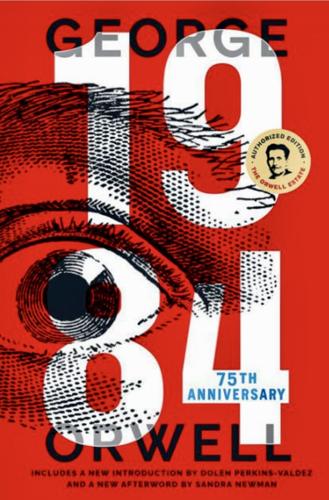
“1984” by George Orwell is No. 1 on the all-time list of books most frequently banned in the U.S. The irony is too rich ignore. Orwell’s characters are shackled by Big Brother, or the thought police. Big Brother dictates what people are permitted to think, feel and do. “Orwellian” is now a common adjective for governments that seek to control people’s lives. — Bill Finley
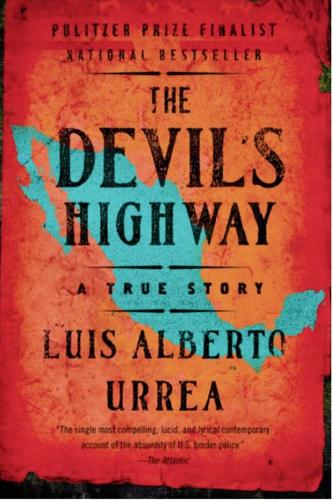
“The Devil’s Highway” by Luis Alberto Urrea was the among the first books banned in Arizona. In 2010, the state legislature passed HB 2281, aimed at dismantling the popular Mexican-American Studies Program offered in the Tucson Unified School District. “The Devil’s Highway” was removed from TUSD’s classrooms and curricula, but high school librarians in the district refused to comply. — Tricia Clapp
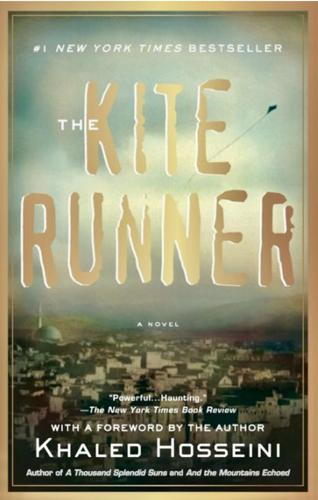
“The Kite Runner” by Khaled Hosseini takes readers to Afghanistan, where a wealthy boy has befriended the son of his father’s servant. Their relationship is tested by the violence and upheaval that enveloped their country in the early 2000s. The book was banned in dozens of jurisdictions on the basis of explicit content, offensive language and age-appropriateness. — Maria Parham
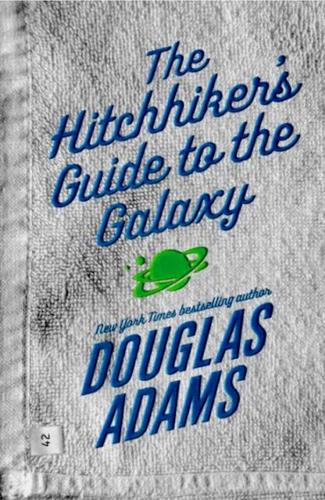
“The Hitchhiker’s Guide to the Galaxy” by Douglas Adams introduced many young readers to science … and science fiction. First published in 1979, it became a cult classic, following a 30-year-old man who is plucked from the Earth seconds before it is demolished. Together with his friend, Ford Prefect, Adam Dent must navigate a strange new world. It was banned for inappropriate language and its view of religion. — Jennifer Casteix
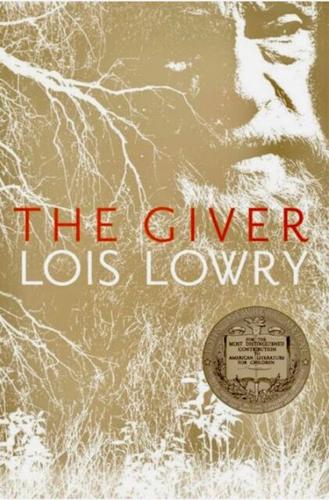
“The Giver” by Lois Lowry is a young adult tale featuring an 11-year-old boy whose world is governed by The Elders, a futuristic government that decides every aspect of everyone’s life. It determines who people will marry, what job they will have and whether they will have children. Published in 1993, “The Giver” was banned in California one year later. “The Giver” joins “1984” as an ironic victim of the censorship movement. — Kathy Short
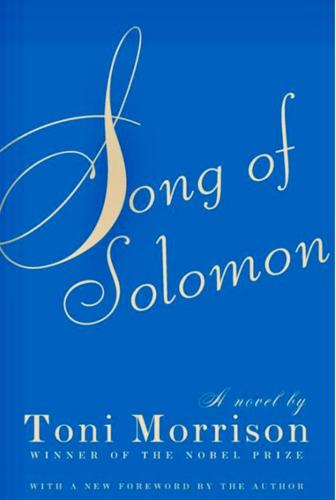
“Song of Solomon” by Toni Morrison has been a frequent target of book bans for decades. It is a coming-of-age story that focuses on the importance of one man’s family history. The book has been challenged since the 1990s in school districts across several states for being “inappropriate” and “explicit.” — Jeaiza Quinones Ivory
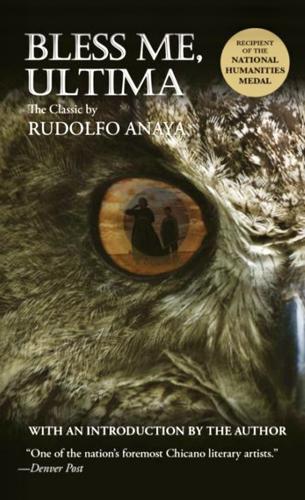
“Bless Me Ultima” by Rudolfo Anaya is one the bestselling Chicano novels of all-time. First released in 1972, it features a “curandera” named Ultima who is in touch with the natural and spiritual worlds. She helps young Antonio Marez navigate the challenges of his early life. The book has been banned many times for demeaning organized religion. — Kim Peters
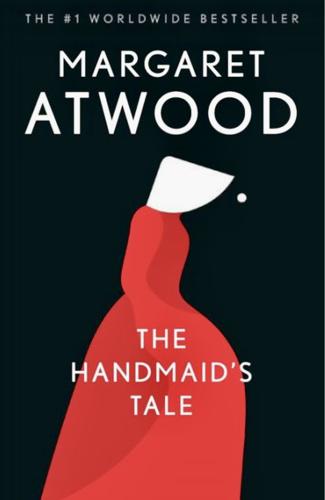
“The Handmaid’s Tale” by Margaret Atwood became a runaway bestseller and an enormously popular TV series that ran for five seasons on Hulu. It is set in the religious patriarchy of Gilead, where Offred — a handmaid — is not permitted to think or read. Her job is to bear her Commander’s child. The book has been banned by a number of conservative states, at least in part for its subliminal warning that Gilead is what America might become. — Lori Reigel
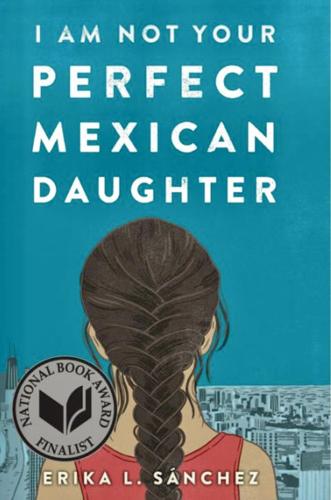
“I Am Not Your Perfect Mexican Daughter” by Erika L. Sanchez is a young adult novel that features Julia, a teenage Latina who is caught between the cultural expectations of her family and her own need to become a modern American woman. It was restricted in a number of places for strong language and Julia’s negative thoughts about religion. — Hassael Cazesuz
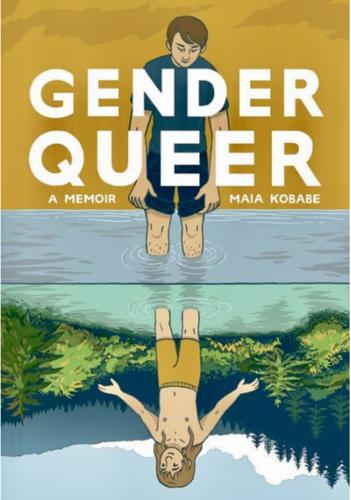
“Gender Queer” by Maia Kobabe is an autobiography detailing the often confusing, sometime mortifying challenges of a binary, asexual teen trying to find their place in an unforgiving world. Published in 2019, it headed the list of most-often “restricted books” the next three years in a row. Primarily, the push came from anti-LGBTQ+ groups. — Jessica Pryde
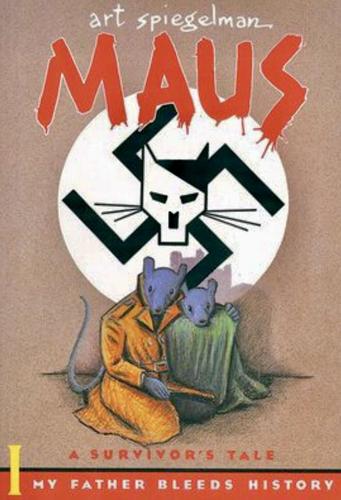
“Maus” by Art Spiegelman is among the greatest graphic novels ever written. It outlines a man’s tortured relationship with his father … and the father’s chilling experiences during the Holocaust. It was banned by several states in the South for its depiction of violence and a single frame of a naked woman. — Meg Files

