


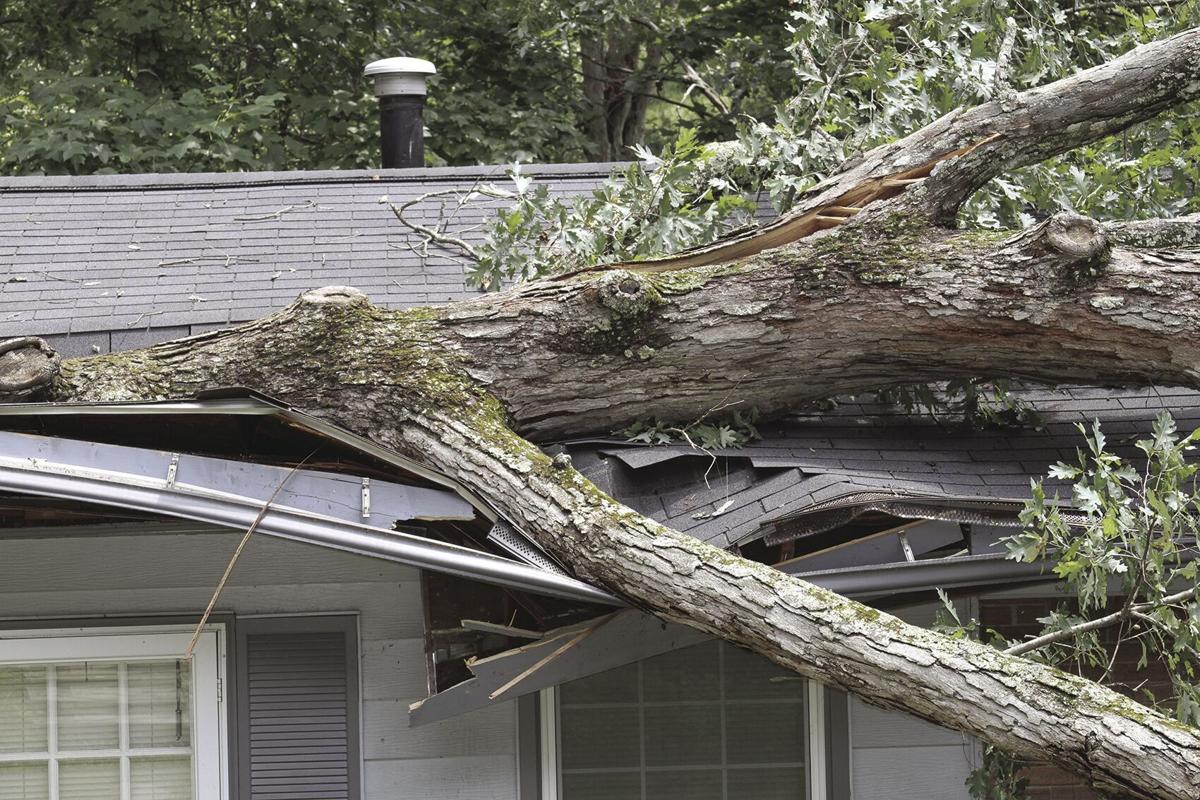
Question: If my house gets damaged by fire, a fallen tree, or other disaster, who do I call first, the insurance company or a contractor?
Answer: If there are injuries or you smell natural gas, call 911 first.
After calling 911, Rosie on the House Certified Partner Jim Kowalski of Kowalski Construction, Inc., says most people think their first call should be to their insurance company. While the insurance company can lead you through the recovery process, you, as the homeowner, need to call a restoration company first. Why?
“Because the longer the damage sits, especially water, the worse it will get and the more money it will cost to fix it,” he says.
It is critical to secure the property from more damage as soon as possible. That could mean tarping the roof, pumping out standing water, or boarding the property. In the case of water damage, time is of the essence. Under the right conditions, mold can set in as quickly as 12 hours. It can quickly take over and cover an area of several square feet.
A restoration company can be a great resource in determining the cause of the damage. It may be obvious if a tree collapsed on the house, but for some perils, like flooding, it may be a little more complex. If a water line broke, then you need to find out why. The restoration company will work to assist in the investigation and document the damage in great detail, being careful not to jeopardize potential subrogation claims for the insurance company. The restoration company you choose should know how to document the damage using the same forms and terminology as the insurance company.
Call your insurance company as soon as you have the details regarding the damages and repairs. The sooner you can begin the claims process and receive the coverage to address your losses, the better off you will be.
Kowalski tells us that a qualified restoration company can work with the insurance company on your behalf. That is quite helpful because claims can be complicated and often involve detailed descriptions. The insurance company may send out an adjuster who will assess the damage and determine what the insurance company will pay. Having a well-educated restoration company on your side makes this process much easier.
Q: What should I do after calling my insurance company about a damaged home claim?
A: After contacting your insurance company, document everything. Take pictures of the damage and log your expenses. List the value of all lost property, including jewelry, appliances, art and other valuables. A full-service restoration contractor can handle your content damages for you. If you have not yet done it, perform an inventory of your home. This inventory will be critical if a disaster strikes.
Do not throw away damaged property. Do not make any permanent repairs. Your claim could be denied if the insurance company or adjuster cannot see the extent of the damage to your property. If you make permanent repairs before the adjuster has assessed the damage, your claim could be denied.
Q: Other than fixing my home and its contents, how can a restoration company help me?
A: They can help you with the negotiations between you and the insurance company. Negotiations can end up one-sided. Plus, you may not be familiar with all the terminology.
A good restoration company will know if the itemized costs the insurance company presents are, in fact, sufficient to complete the work.
Insurance companies have standard pricing for every aspect of your restoration and reconstruction. Any company you select should know these and be prepared to negotiate.
Q: Who is responsible for hiring a restoration company when I have an insurance claim?
A: You have the right and obligation to select a restoration company to start the mitigation and repair process to mitigate your damages. However, cover your bases and always refer to your insurance policy. In fact, most policies contain language that requires you to take reasonable emergency measures to protect your property from further damage. This makes sense when you consider that you, as the homeowner, want to protect your property, and your insurance company wants to limit their exposure.
The contractor you hire must have considerable experience working with insurance companies. Kowalski tells us that many insurance companies will push their favored contractors. Take their names and add them to the list of ones to call. The most important consideration here is that the company on your project has restoration and insurance experience that will benefit you. A restoration company that knows how to work with the insurance company can serve as your liaison and prevent added stress.
Do your homework. My How to Choose A Contractor Guide (available at tucne.ws/1mek) will provide you with the right questions to ask. Also, visit the Arizona Registrar of Contractors website, roc.az.gov. Find out how long the company has been in business and whether they are licensed, bonded and insured. Look for complaints.
When you narrow your choices, call the companies. Does the person answering the phone take five minutes to ask about your project? Ask them if they have worked with your insurance agent or the company. Ask for references from previous customers and call them.
Also, if your home’s damage was caused by a natural disaster that made the news, be wary of anyone who knocks on your door and offers to do your home repairs. Natural disasters can be a magnet for scam artists.
The bottom line: When disaster strikes, make sure you are the one in control of the outcome.
Homes aren't cheap, and that's why you need to know as much about a house as you can, before you buy. Not all states force homeowners to disclose those details. Dale has three tips that will help you be an informed home buyer.

