


Tune the radio in Jamaica to any reggae station these days and don’t be surprised if you rarely, if ever, hear a Marley song.
The roots and culture style reggae, infused with references to ska and rock, that made Bob Marley an international star has been overshadowed by dancehall reggae, the sexually-charged dance music that borrows from hip-hop and R&B.
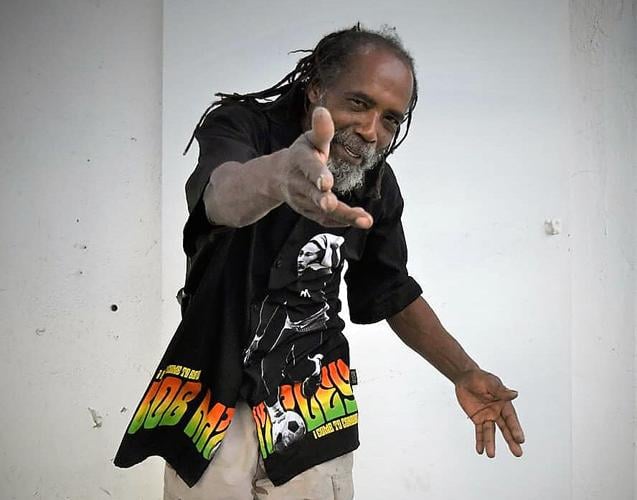
The first time Tucson reggae artist DJ Jahmar Francis heard dancehall was at Twelve Tribes Reggae, his late father’s longtime Tucson store dedicated to all things reggae.
“Dancehall music is a hybrid of reggae music, but in a sense, it’s more like hip hop and rap,” Francis said. “You’re gonna get artists that are not singing, but they’re more like rapping.”
In dancehall, artists write their own lyrics over the same instrumental “riddim” — essentially the drum and bassline rhythm — and record their own songs, called “voicings.”
“A producer will come out with a rhythm, and then you’ll get like five or 10 artists who try their best shot at a song,” Francis explained. “That way you get like different songs. You get different creatives. Some people may sing about money, some people may sing about girls, some people may sing about life.”
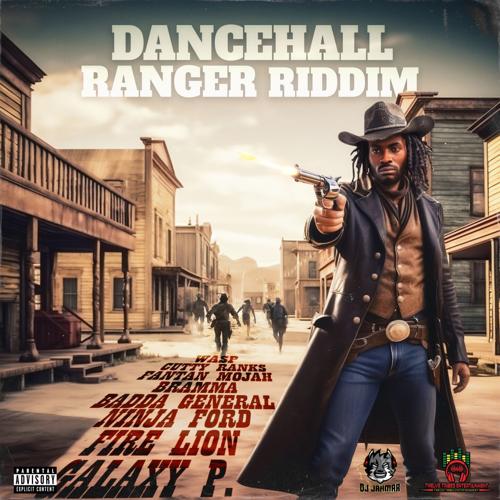
Francis captures that spirit on his fourth studio album, “Dancehall Ranger Riddim,” being released Friday, Nov. 7, on his Twelve Tribes Entertainment label to all major streaming services.
The album, which Francis produced, features 10 tracks by seven of Jamaica’s best-known dancehall artists, including a collaboration with relative newcomer Wasp and the legendary Cutty Ranks.
The pair’s sexually-charged song, “Top Shottaz,” was released in March and has since been added to Spotify’s top dancehall and international playlists, Francis said.
Songs are sung in English and Jamaican Creole, and two of the artists, Bramma and Fantan Mojah, released “radio” and “clean” versions of their songs.
Francis wrote and recorded the title song and dedicated the album to his late father, Dennis “Papa Ranger” Francis, who died in 2022 at the age of 66.
“All of my albums that I’ve had have something to do with me. They either are named after my kids or they have to do with something important in my life,” he said. “I just wanted to do something to honor him. My dad was my introduction to dancehall. My dad was the first DJ I heard play dancehall music.”
The album also includes contributions from Ninja Ford, Galaxy P, Fire Lion and Badda General.
Movie critic Bruce Miller says "Bob Marley: One Love" has plenty of music and a subdued vibe but it doesn’t tell us a lot about the reggae legend himself. The film leaves out plenty of key information – the kind of stuff a fan would like to know.

