

The majority of American adults start their day with a hot cup of coffee. Some coffee aficionados confidently brew the perfect cup at home, while others settle for a mediocre pot that gives them a caffeine boost but is lackluster in taste.
Whether you are a seasoned home barista or just learning how to use a coffee machine, it’s possible to up your game.

The perfect cup of coffee is just a few steps away.
Jennifer Salamone, Head of Coffee at Tatte Bakery and Cafe, explains that although it's "really up to the individual's taste, there are some key fundamentals that help make a delicious cup of coffee at home.”
We asked experts from around the country how anyone can brew a better cup of coffee from the comfort of their own kitchen, whether they prefer lattes topped with foamy milk or straight double espressos.
Pay attention to your water quality
It may be tempting to use tap water to brew your coffee at home. However, “an often-overlooked tip to maximize results when making coffee at home is water quality,” says Heather Perry, the CEO of Klatch Coffee, a two-time U.S. barista champion and former President of the Specialty Coffee Association.
“Coffee is, after all, mostly water, so water quality can have a huge impact on the flavor and aroma of your finished cup,” she says.
Perry explains that high-end cafes “make significant investments in water treatment and filtration” to ensure their coffee is consistently tasty. At home, getting a simple water filter or using bottled water may drastically improve the quality of your coffee, even if you don’t change anything else about the process.
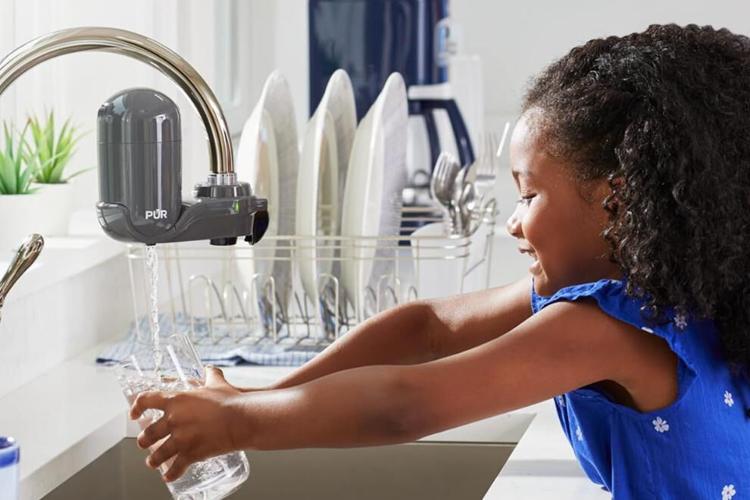
A Pur Plus filter that attaches to your faucet costs around $20 at Amazon. The filter lasts up to 100 gallons. It makes most water taste fresher, which can help create better-tasting coffee.

A water filter can improve your coffee's taste.
Find the freshest coffee available
Fresh beans should be the starting point for brewing a better cup of coffee at home, says Megan Bilosi, Manager of Coffee Education and Training at Sightglass Coffee. Beans used within 21 days after they were roasted will have the richest flavor, she explains. After that time, coffee may start to taste “flat” even if it isn’t stale, she says. Ensuring you always have fresh beans usually means buying smaller quantities more often. It can be a pain, but the difference in taste will be noticeable.
Buying freshly roasted coffee from your local independent coffee shop is a great way to support them, even if you are making your coffee at home. Alternatively, getting a coffee subscription is an easy way to ensure you always have fresh beans.
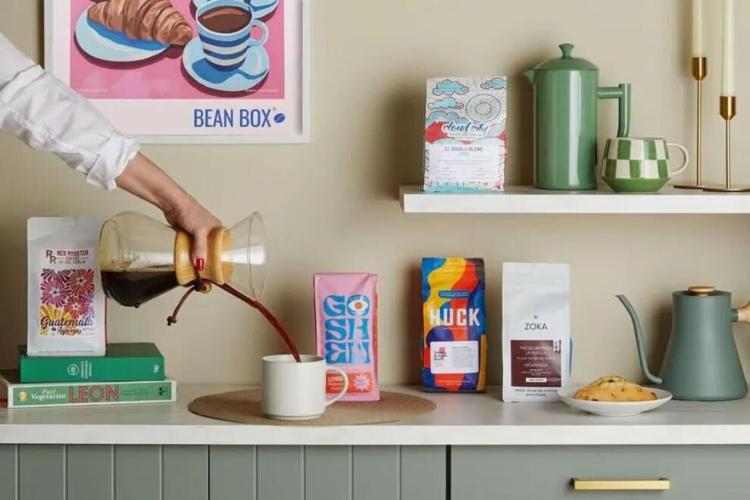
BeanBox is one of our readers’ favorite subscriptions, thanks to its wide variety of beans and relatively affordable monthly cost. You can get a new blend every single week (or month, depending on how much coffee you drink) to experience a wide variety of fresh beans at home.

There's no substitute for fresh beans.
Use whole beans – and grind them at home
Coffee beans start losing freshness and flavor as soon as they are ground. If you buy pre-ground beans or grind your own too far in advance, your coffee may be stale by the time it makes it to your cup, explains Marwyn Garcia, Regional Vice President for Operations at Headcount Coffee.
“At our home, I purchase whole bean coffee, so I can grind what we need when I am ready to brew,” Salamone says. “This maintains the quality of the coffee.”
A coffee subscription service can deliver whole beans, but you can also shop beans at your local coffee shop or grocery store.
Store your coffee to preserve freshness
Another easy step to brewing better coffee at home is changing how you store your beans.
“Unused beans should be stored in an airtight container in a cool, dry place away from sources of light and heat so they'll stay as fresh as possible,” Perry explains. “When you are ready to make your coffee, remove only the beans you plan to grind immediately, as opposed to grinding in large quantities in advance."
Reconsider how you sweeten your coffee
Once you start brewing better coffee at home, you may find that you don’t need a sweetener at all.
“I like the coffee to speak for itself,” Salamone says.
However, if you want to sweeten your coffee, think beyond refined sugar.
“Cinnamon, cocoa, salt, or a touch of honey can enhance natural coffee flavor while hiding some of the bitter and overly acidic aspects of coffee,” explains Matthew Frederiksen, a Specialty Coffee Expert with Ryze Coffee. “Milk or plant-based creamers add creaminess and round out the taste without overpowering it.
Then, “stir, whisk, or froth for even flavor. A quick whisk or handheld frother ensures all ingredients within your coffee are well mixed,” he says.
A small whisk that costs under $10 can make a huge difference in how your coffee tastes.

A kettle can help you reach the perfect temperature.
Make sure your water is the right temperature
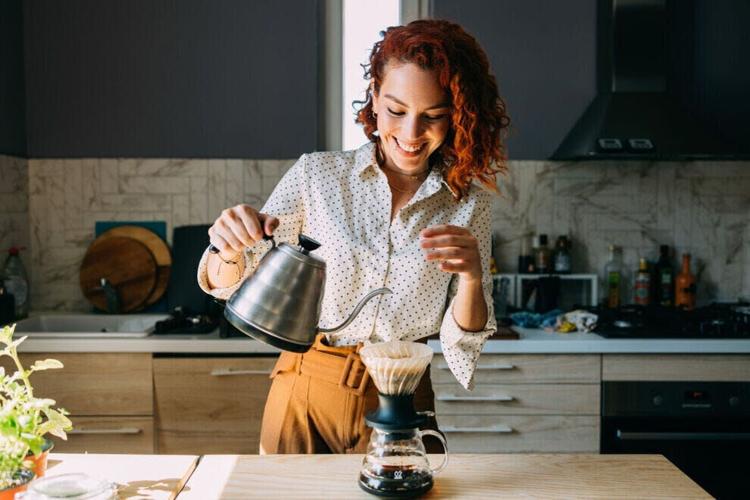
If you aren’t using an automatic coffee maker, be sure to use water that is hot but not boiling, says Frederiksen. “Boiling water can make coffee taste bitter and affect delicate compounds,” he explains. “Aim for around 195–205°F and let water sit briefly after boiling."
We like the Intasting electric gooseneck kettle, which displays the temperature of the water as it’s heating, so you can hit the perfect temperature every time. It’s available in seven colors to match every type of decor.
Brew stronger coffee than you think you need
When making coffee at home, many people add more water than they need, Frederiksen says, which results in “weakening the mouthfeel and experience.”
"[The] optimal coffee flavor and experience come from a coffee with a strong body, which should give a smooth mouthfeel,” he says. “Great body in coffee will also keep the flavor balanced and reduce the need for extra sweeteners.”
To increase your chances of getting the perfect drink, start by brewing a strong cup and then gradually add additional hot water as needed, Frederiksen suggests.
Wet your coffee filter
Sometimes the simplest steps have the biggest impact. If you are brewing drip coffee, wet the paper filter before adding coffee, Frederiksen says.
“Rinsing filters reduces extra bitterness,” he explains. Be careful not to add too much water, or the filter will disintegrate. Sprinkling a few drops on top of the filter until it’s damp should do the trick.

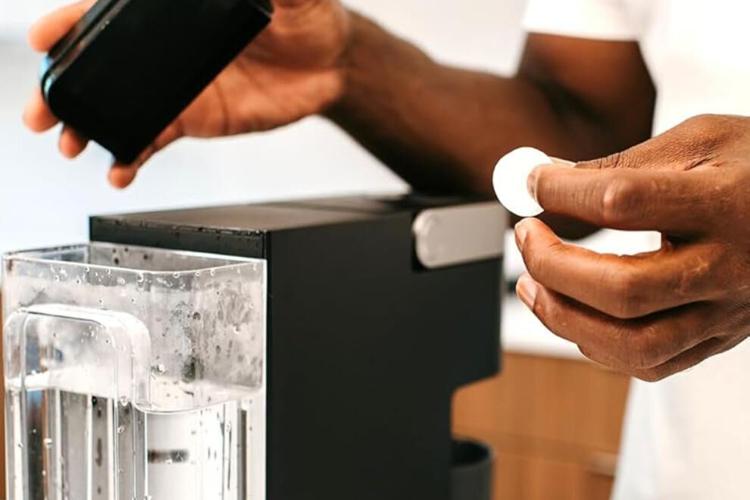
You should be cleaning your coffee maker once a month.
Clean your equipment regularly
It can be easy to overlook cleaning your coffee equipment, but that’s a mistake. “Old coffee oils can make fresh coffee taste bitter or stale, so it's important to clean your equipment regularly,” explains Michael Cramer, Founder and Product Developer at Lardera Coffee.
Cramer recommends washing your equipment at least once a month.
Don’t be afraid to experiment
Because everyone has different tastes, creating the perfect cup of coffee at home may require some trial and error.
“Be patient in making your coffee,” advises Garcia. Don’t be afraid to experiment with different types of coffee. Try making your coffee with various kinds of blends and flavorings.
You may also want to try experimenting with different brewing methods. Pick an inexpensive pour-over set or French Press to see if you prefer the taste.
“Once you figure out your way, let it become routine,” he says.
If you feel overwhelmed, getting a fully automatic espresso machine like the D’Longhi Magnifica with a built-in grinder and milk frother is a good option. It’s the easiest way to brew a variety of cafe-style drinks with the touch of a button and more than pays for itself in a year if you skip your daily to-go latte.



