

Each year, thousands of Arizona residents email or call Rosie Romero’s radio show with questions about everything from preventing fires in their chimneys to getting rid of tree roots invading their sewer system. His goal is to provide answers that suit the specific lifestyle wherever someone lives in Arizona. Here are questions about home maintenance and improvement from the Southern Arizona area.
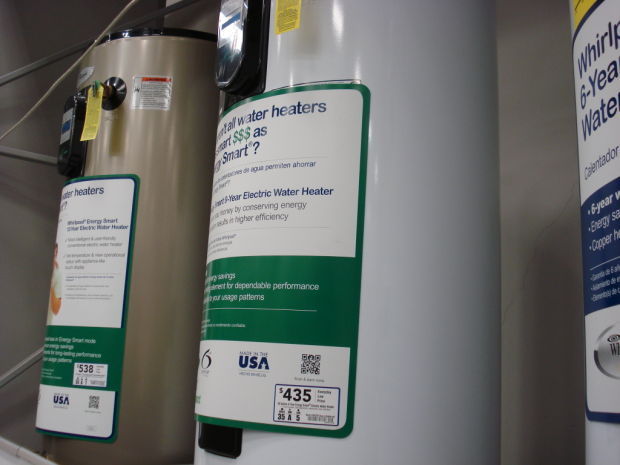
Q: I have a water heater that I haven’t flushed in five years. I don’t have a water softener. So how do I do it?
A: Flushing the water out of a water heater should probably be done at least every couple of years to remove sediment from the bottom of the tank. But you can still do this maintenance job if you take some extra care to get rid of all the sediment that is building up that could corrode your water heater.
First, if you have a gas-powered water heater, turn down the thermostat on the tank to vacation mode. If you have an electric-powered heater, shut off the circuit breaker that takes care of the water heater. You don’t want the elements going on when the water heater tank is empty because you could burn up the elements. Next turn off the inlet pipe for the water that usually fills the tank as it empties out. Then attach a garden hose to the drainage valve on the side of the tank and open the valve so the water can run out the hose into a non-landscaped area. Obviously, you don’t want to let water drain out onto your favorite plants. You could run the water onto your driveway, but you will have to do some extensive clean-up after you finish the job.
If you don’t have a water softener, you’ll probably have quite a bit of sediment at the bottom of the tank – maybe seven or eight inches of it. That sediment can act like a plug and could clog up your hose. So keep cleaning out the hose as you work on this process until all the water and sediment drain out. Then open the water supply to let a little more water into the tank and drain that out as well. You may have to keep filling the tank a little bit at a time in order to get more sediment out. When you think the tank is completely free of sediment, you can close the drainage valve, refill the tank, and turn on the electric circuit breaker or turn up the temperature on the gas heater.
Q: I have a mature mesquite tree that has a big split in the main trunk, which is almost three feet in diameter. Is there any way of fixing this problem?
A: A professional landscaper can probably clamp the trunk back together using a process that involves inserting stainless steel rods into the tree. This can provide mechanical support for the architectural weakness in the tree.
Q: I recently had my kitchen remodeled and had a contractor install a new sink and granite countertops. When the job was finished, I was very dissatisfied. The position of the sink doesn’t seem parallel to the edge of the countertop and the sink was not centered correctly on the countertop. It’s about a quarter-of-an-inch off center. I complained to the contractor and he told me I was being too picky. I love my new countertops, but when I look at that sink, I feel sick. I think he may have drawn the template incorrectly. What should I do?
A: A quarter-of-an-inch off on centering is probably not that unusual, but combined with the fact that the sink edge isn’t parallel to the countertop edge means that you probably should have another contractor take a look at it and give you an opinion on the quality of the work and what could be done to fix it. Never let a contractor tell you that you’re too picky.

