


By accounts on Facebook and elsewhere, it was a wacky autumn for plants and gardeners in the Old Pueblo.
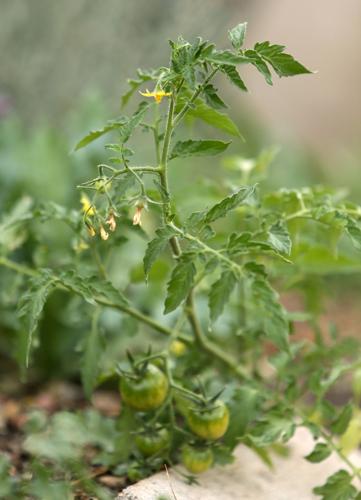
People on social media reported that irises that bloom in early spring re-emerged in November. Tomato plants that flower in mid-spring and early fall didn’t quit by late fall as usual.
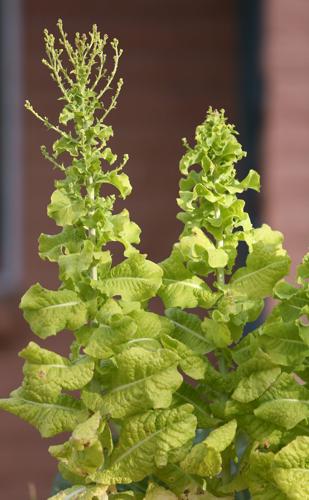
And the oddities have continued into winter. Lettuce and bok choy that should be leafy are bolting. That means they are going to seed and are inedible.
Euphorbias that go dormant are issuing new leaves much too early.
Master gardeners who tend the demonstration vegetable beds at the Pima County Cooperative Extension delayed their winter plantings because the late summer and early fall stock was doing so well.
“We let our fall crops go on later than usual,” says Toni Moore, who leads the team that cares for the veggie garden. “We planted some things on the normal schedule and they’re not performing well.”
The unusual weather has also changed the emergence of insects, too. People on Facebook reported seeing many more grasshoppers than in past seasons.
“I saw this at the (Community Food Bank of Southern Arizona) garden and gardens all over parts of town,” says professional gardener Brandon Merchant.
And infestations could get worse. Some bugs don’t make it through a cold winter, which helps to control their numbers into other seasons. But that might not happen this year.
“We had a long fall and no winter this year,” Moore says.
UNCOOPERATIVE WEATHER
When it comes to temperature, she’s right. The National Weather Service provided these average temperatures (the average of the high and low temperatures for the entire month) for the 2017 fall season and current winter season:
- September’s average temperature was 83 degrees, 1.3 degrees above normal, defined as the average of 30 years of data.
- October’s average was 77.3, 6.3 above normal.
- November: 69.1, 9.3 above normal.
- December: 57.3, 5.4 above normal.
- As of Jan. 15: 61.1, 9 above normal.
It was the warmest fall and the second warmest December on record, according to the weather service. It was also the driest.
Autumn months logged .12 inches of rain, a deficit of 2.63 inches.
December had a half-inch of rain, while normal rainfall reaches nearly one inch. Between Jan. 1 and 15, Tucson was nearly a half-inch behind in normal rainfall.
Climate specialist Michael Crimmins agrees it’s been a “weird” fall and winter. But that is to be expected.
“The fall season has so much variability,” says Crimmins, a cooperative extension specialist in climate science at the University of Arizona College of Agriculture and Life Sciences.
“Every fall has felt a little bit different and a little bit weird,” he says.
Because autumn is a transitional period, he says, weather in any given year can be quite different from normal.
Crimmins isn’t ready to say that climate change caused the warm fall and so-far mild winter. That’s because the gradual rise of temperatures overall isn’t the sole cause of big seasonal weather changes.
A persistent high pressure system over the Southwest is likely the culprit. “As we got into fall proper we were expecting to cool down,” he says, “but we didn’t.”
And he’s not willing to say that extremely warm autumns like last year are in our near future. His best advice: “Expect the unexpected.”
It’s advice that Merchant, owner of Southwest Victory Gardens, heartily agrees with. “It could be the exact opposite next season,” he says. “You have to learn how to deal with it as it is going.”
PLANTS AREN’T CONFUSED, YOU ARE
One easy way to adjust to the weather is to stop relying exclusively on a gardening calendar.
“It’s always a balance of both weather and the calendar,” says Merchant. “Gardening is more like an art than a science.
“I suggest they lick their finger and hold it up in the air.”
Master gardener Moore also wants to see gardeners depend less on calendars, especially when the weather doesn’t match up with the recommendations.
Those dates are the simplified way to take into account not only air temperature and rain, but soil temperature and sun intensity. Understanding why a plant grows under certain conditions can help gardeners adjust their practices and expectations when those conditions change.
For instance, lettuce bolts when the daytime air temperature is too warm. Fruit trees need a certain number of cold nights to bear fruit. Many plants need specific hours of sun to grow, no matter what the temperature is. Seeds and bulbs don’t sprout until the soil is warm enough.
The plants are doing what they do under specific conditions, Moore says. It’s the gardener who has to respond.
“If you understand what makes a lettuce bolt, you don’t plant when it’s 80 degrees,” she says, no matter the season.
GARDEN BETTER
Moore and Merchant provide some ways to be more flexible in the edible garden during unusual autumn and winter seasons.
- If a plant didn’t make it, call the master gardeners helpline, 626-5161, to get specific advice.
- Collect seeds of plants that do well in unusual conditions. Merchant says if a particular variety of lettuce didn’t bolt as early as others, replant with that plant’s seeds. Native Seeds/SEARCH sells seeds gathered locally and the Pima County Public Library loans seeds that local gardeners have donated.
- The same thought goes into finding varieties “that aren’t quite so picky” about conditions, says Moore. Find heritage varieties that are proven winners over years.
- Opt for varieties that mature quickly. You don’t know if a warm fall will suddenly turn into an average or cold fall. If a warm-weather crop matures quickly, it may be harvested before that change occurs.
- Practice succession planting. For instance, plant lettuce every two or three weeks. That might save some of the crop as the season changes between extreme and average conditions.
Varying weather is one of many factors that go into successful gardening. Says climatologist, Crimmins, who maintains a home landscape himself: “Gardening is not for the faint of heart in the Southwest.”

