

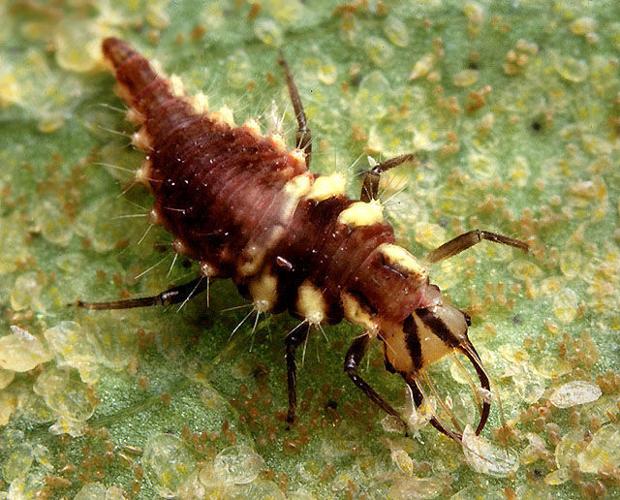
Question: I have been experiencing a beetle problem at my Carr Canyon property over the last two years. I have attached a photo of the beetle and a June bug, I think. I don’t have photos of the damage, but I have several oak trees without a single leaf. I noticed this same occurrence, a large oak with no leaves, at my neighbor’s house and his house is on the National Forest property line, hence my concern. I am hoping something can be done and I am willing to take any action you might suggest.
Answer: The beetles in your photo are both scarabs and are sometimes referred to as June beetles. The dark green beetle is also sometimes called a fig beetle because of their attraction to ripe fruit — not only figs, but anything from peaches to tomatoes. As adults, they also feed on nectar and pollen and can be found on large flowers. The larger, light green beetle is called a Beyer’s scarab and a likely suspect since it feeds on oak leaves. These beetles are not widespread and not really considered a pest insect. If they are having a high population this year and last year, they may be doing more damage than usual. No management is recommended because the trees will recover.
Q: I just purchased a retirement home in Joshua Tree and LOVE the ocotillo plant. I’m reading about the care and cultivation of them, but one thing perplexes me: which side is the south side and which side is the north side? All the articles state that the plant needs to be oriented in the direction it was growing originally so as not to burn/injure the plant when replanting. I cannot see any pictures of what the two different sides should look like. Can you help me with this?
A: The sides don’t necessarily look any different so it’s best to mark which side faces the south or west when digging up the plant. If you are purchasing the plant, some nurseries will mark the container to show which direction to use when planting. Otherwise you must guess. In some cases, young plants grown from seeds or cuttings have spent their whole lives inside greenhouses or under protective shaded areas and have never been out in the landscape. In this situation, it doesn’t matter because any side will need to be oriented to its new surroundings. You can orient your plant to the new surroundings by covering it with shade cloth for the first few months to limit the damage it might receive from the sun until it is accustomed to the situation. Hardening a plant to its new location can be accomplished by increasing the sun exposure a little bit at a time by removing the shade cloth for increasingly longer amounts of time during the day. You will know if you are moving too fast by observation. Sunburn will appear as discoloration. The best time of year to transplant this plant is March through May. Transplanting larger specimens is not as likely to succeed as smaller plants.
Q: I am writing to you hoping you can tell me what I am doing wrong. My home is in the 85718 zip code. The area in question faces north. This is the second tree I lost in a couple of years in the same spot. I am sending you pictures so you can see the details. We water religiously, slowly for hours once a week. The area gets sun and shade, yet I have no luck with my trees here. We are getting ready to remove this dead tree and try yet another one. Not sure what yet since I would like to discover what the problem is first. Any insight and advice you provide will be appreciated.
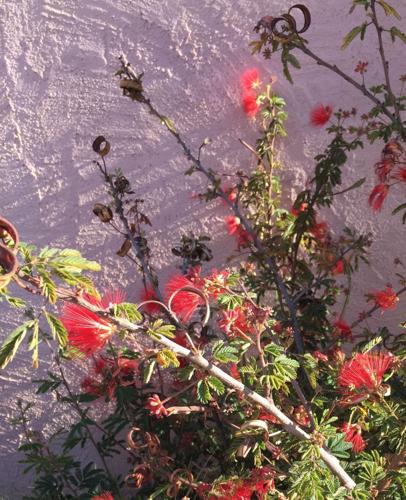
A: The place where this tree is planted is not suitable for a tree because the size of the area of soil for roots to grow is too small. The soil area should be twice the width of the crown of the mature tree if you want it to be healthy and long-lived. In addition, the soil area is surrounded by patio and that will reflect sun onto the plant like an oven. I recommend you select a small shrub for this area, preferably one that does well in our desert climate so it can tolerate the heat radiating off the hardscape. Perhaps a fairy duster (Calliandra eriophylla) or the Baja fairy duster (Calliandra californica) would be nice since they provide flowers and are attractive to hummingbirds.

