

Growing up in Greece, I spent my summers at my grandparents’ home in a small coastal village in the region of Chalkidiki. It was warm and sunny, and I passed most of my time playing in the streets with my cousins. But occasionally, the summer storms brought torrential rain. You could see them coming from far away, with black clouds looming over the horizon, lit up by lightning.
As I rushed home, I was intrigued to see my grandparents prepare for the thunderstorm. Grandma would cover a large mirror on the living room wall with a dark cloth and throw a blanket over the TV. Meanwhile, Grandpa would climb a ladder to remove the light bulb over the patio door. Then they switched off all the lights in the house and waited the storm out.
I never understood why they did all this. When I asked, they said that light attracts lightning. At least that was what people said, so better to be on the safe side.
Where do these kinds of beliefs come from?
My fascination with seemingly bizarre cultural beliefs and practices eventually led me to become an anthropologist. I have come across similar superstitions around the world, and although one may marvel at their variety, they share some common features.
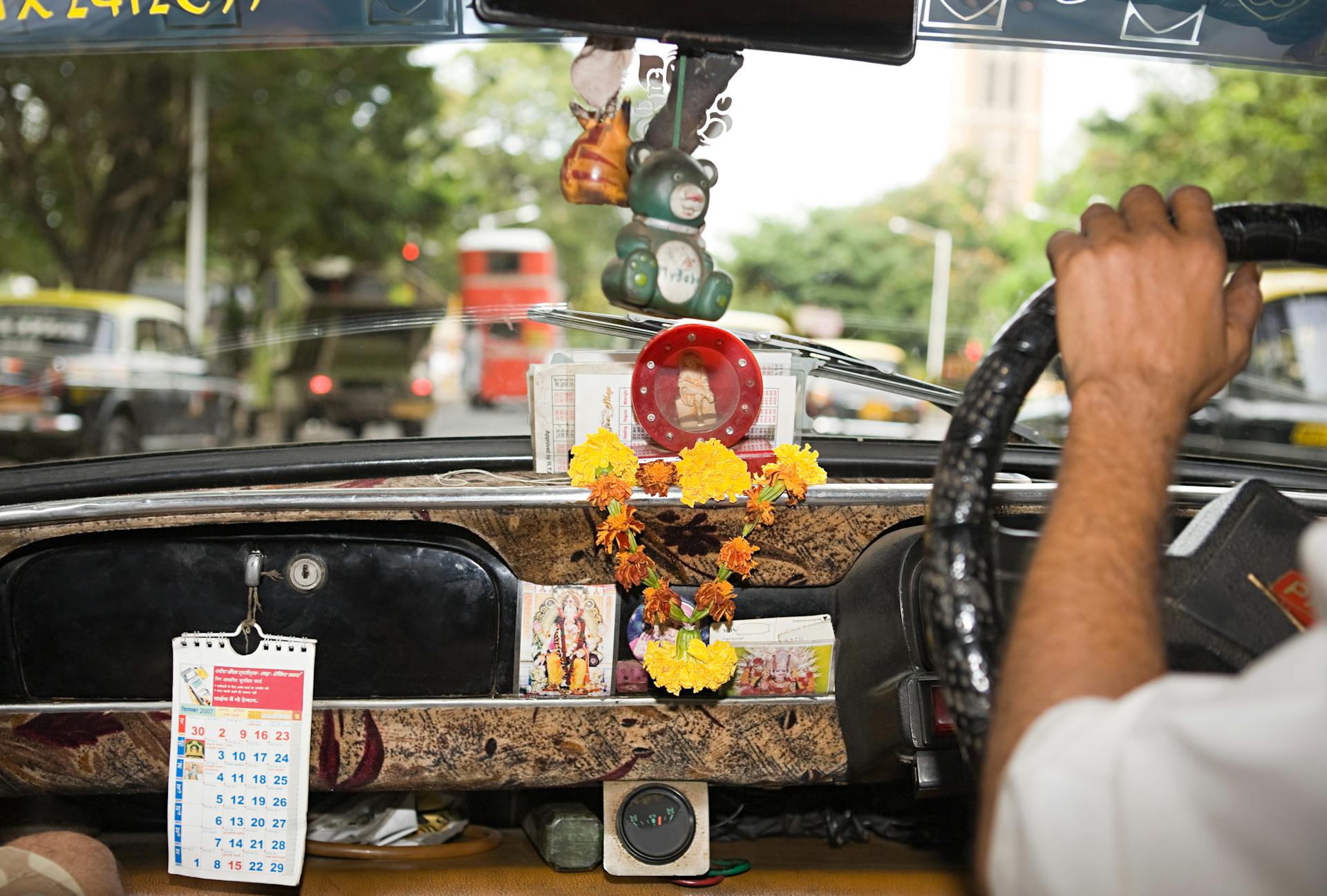 Lucky charms help us feel safer in an uncertain world. Image Source via Getty Images
The principles of magical thinking
At the core of most superstitions are certain intuitive notions about how the world works. Early anthropologists described these intuitions in terms of principles such as “similarity” and “contagion.”
According to the principle of similarity, things that look alike may share some deeper connection, just as the members of a family tend to resemble each other both in appearance and in other traits. Of course, this is not always the case. But this inference feels natural, so we often abuse it.
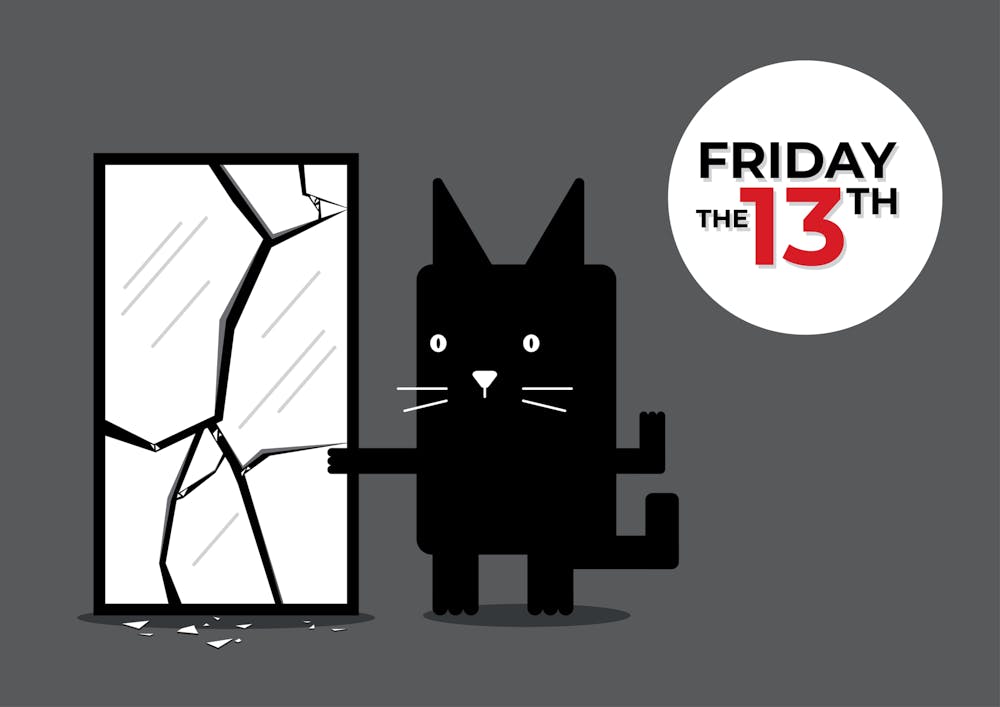 At the core of most superstitions are intuitive notions about how the world works. Andry Djumantara/ iStock / Getty Images Plus
Case in point: The light reflected on the surface of a mirror is not related to the light resulting from the electrical discharges produced during a thunderstorm. But because they both seem to give off light, a connection between the two was plausible enough to become folk wisdom in many parts of the world. Likewise, because our reflection on the mirror closely resembles our own image, many cultures hold that breaking a mirror brings bad luck, as if damage to that reflection would also mean damage to ourselves.
The principle of contagion is based on the idea that things have internal properties that can be transmitted through contact. The heat of a fire is transferred to anything it touches, and some illnesses can spread from one organism to another. Whether consciously or unconsciously, people in all cultures often expect that other kinds of essences can also be transferred through contact.
For example, people often believe that certain essences can “rub off” on someone, which is why casino players sometimes touch someone who is on a winning streak. It is also why, in 2014, a statue of Juliet, the Shakespearean character who fell madly in love with Romeo, had to be replaced due to excessive wear caused by visitors touching it to find love.

A search for patterns
These kinds of superstitions betray something more general about the way people think. To make sense of our world, we look for patterns in nature. When two things occur at around the same time, they may be related. For instance, black clouds are associated with rain.
But the world is far too complex. Most of the time, correlation does not mean causation, although it may feel like it does.
If you wear a new shirt to the stadium and your team wins, you might wear it again. If another victory comes, you begin to see a pattern. This now becomes your lucky shirt. In reality, myriad other things have changed since the last game, but you do not have access to all those things. What you know for sure is that you wore the lucky shirt, and the result was favorable.

Superstitions are comforting
People really want their lucky charms to work. So when they don’t, we are less motivated to remember them, or we may attribute our luck to some other factor. If their team loses, they might blame the referee. But when their team wins, they are more likely to notice the lucky shirt, and more likely to declare to others that it worked, which helps spread the idea.
As a social species, so much of what we know about the world comes from common wisdom. It would therefore seem safe to assume that if other people believe in the utility of a particular action, there might be something to it. If people around you say you should not eat those mushrooms, it’s probably a good idea to avoid them.
This “better safe than sorry” strategy is one of the main reasons superstitions are so widespread. Another reason is that they simply feel good.
Research shows that rituals and superstitions spike during times of uncertainty, and performing them can help reduce anxiety and boost performance. When people feel powerless, turning to familiar actions provides a sense of control, which, even if illusory, can still be comforting.
Thanks to these psychological effects, superstitions have been around for ages, and will likely be around for ages to come.
___
Dimitris Xygalatas does not work for, consult, own shares in or receive funding from any company or organization that would benefit from this article, and has disclosed no relevant affiliations beyond their academic appointment.
___
27 superstitions that might bring you bad luck
Walking under a ladder
Updated
Why is walking under a ladder bad luck? Aside from the fact that the person on the ladder could drop something on your head? This superstition may have religious roots. A ladder leaning against a wall creates a triangle, which is a symbol for the Holy Trinity in Christian tradition. Walking under the ladder supposedly “breaks” the Trinity.
Black cats
Updated
Are black cats bad luck or good luck? It depends on who you ask. In some traditions they are an omen of prosperity. But Pilgrims in the early American colonies thought black cats were tied to witches. The witch trials are long over, but the stigma remains.
Opening an umbrella inside
Updated
The taboo on opening an umbrella inside may date all the way back to ancient Egypt. Egyptians used umbrellas to protect themselves from the heat of the sun. Opening one indoors may have been seen disrespectful to the god of the sun.
Don’t head straight home after a funeral
Updated
A Filipino superstition holds that you should not go straight home after a funeral. If you do, death may follow you. So stop off somewhere else first.
Don’t toast your companions with water
Updated
Naval tradition holds that toasting someone with water (instead of alcohol) will doom them to death by drowning.
Sleep direction
Updated
This goes beyond waking up on the wrong side of the bed. According to some traditions, it’s unlucky to sleep with your feet pointing toward your bedroom door. This apparently originates from the fact that a dead body is traditionally taken from a bedroom feet-first.
Shoes on table
Updated
Putting your shoes on the table isn’t just bad manners, it could be bad luck. This may date to a British mining tradition, where the shoes of dead miner were placed on the table as a sign of respect.
Owls
Updated
Black cats aren’t the only animals with a bad reputation. Many ancient cultures hold that owls are harbingers of death.
Broken mirror
Updated
The superstition that breaking a mirror is bad luck dates back to the ancient belief that “breaking up” your reflection breaks up your soul. But why seven years of bad luck? Ancient Romans apparently believed that the body took seven years to renew. So once you break that mirror, it takes a long time to repair things.
Killing a robin
Updated
Ancient tradition holds that whatever you do to a robin will happen to you. So killing a robin is not a good idea.
Keep your hat off your bed
Updated
Some cultures believe that placing a hat on a bad could bring death into a home.
Baby furniture
Updated
Jewish tradition holds that it’s bad luck to set up a baby’s room before he or she is born. Some people also avoid baby showers.
Beware of yellow flowers
Updated
Yellow flowers are said to signify the end of a relationship. (So avoid them on your next anniversary!)
Beware of white lilies
Updated
White lilies are mostly closely associated with funerals, so in some traditions, it’s bad luck to make them part of other celebrations.
Beware of goat meat
Updated
An ancient African superstition holds that women who eat goat meat could grow a beard.
Beware of cutting your nails at night
Updated
According to this Eastern superstition, trimming your nails after dark could invite evil spirits into your home.
Beware Carlos Menem
Updated
The administration of former President Carlos Menem is not remembered fondly in Argentina. He’s been blamed for, among other things, an economic crisis, a World Cup loss and even an earthquake. Now some think that just saying his name can bring bad luck.
Don’t walk backward
Updated
You might think that walking backward is just a good way to exercise some different muscles. But in Portugal, it’s considered bad luck because the devil may follow you.
Don’t wear red during a storm
Updated
A superstition from the Philippines holds that you should not wear red during a storm. The color is thought to attract lightning.
Hold your breath while passing a graveyard
Updated
Avoid taking a deep breath while passing a cemetery. Tradition holds that you could breathe in a soul.
Don’t step on a manhole
Updated
You know not to step on a crack in the sidewalk. But what about a manhole cover? Sweden has a unique superstition about those. The covers are marked either “K,” for the Swedish word for fresh water, or “A,” for sewage. But “K” also represents the word for love and “A” heartbreak. So superstitious Swedes avoid stepping on the “A” covers.
Don’t enter a room with your left foot
Updated
According to some traditions, you’re putting your “best” foot forward when you’re entering a room with your right foot. It’s bad luck to go left-foot-first.
Bananas unlucky on boats
Updated
Some fishermen believe that fish won’t bite if bananas are onboard the boat. Bananas are even sometimes blamed for boats breaking down out on the water.
Unlucky number 4
Updated
The number 13 is considered unlucky in much of the Western world. But other cultures have other superstitions. The number 4 is unlucky in China. The Chinese word for “four” sounds like the word for “death.”
Don’t say ‘Macbeth’
Updated
Actors are a superstitious group. One of the most famous superstitions is that you should not say “Macbeth” in a theater. The story goes that many tragedies have befallen productions of Shakespeare’s play. So call it “The Scottish Play” backstage instead.
Break a leg
Updated
Wishing an actor good luck before a performance is also thought to bring bad luck. So theater folk instead “curse” each other with “break a leg” to ward off bad spirits.
Don’t point at a rainbow
Updated
Tradition holds that there’s a pot of gold at the end of a rainbow. But you might be pressing your luck if you point at that rainbow. Depending on the source, pointing at a rainbow could draw the energy from your body, cause warts or even make your finger fall off.

