


This month Jews everywhere celebrated the great festival of freedom, Passover. It is the ultimate holiday of liberation, and we observed it with a Seder, an orderly ritual celebration teaching the incredible value of freedom by appealing to every one of our senses, immersing attendees in a history feast of freedom. Passover is the most observed of all Jewish holidays, commemorating redemption from slavery and brutal oppression and rejoicing in the journey to liberation, covenant and holiness.
Children are especially prized at the Seder. They are taught beforehand to chant and read special sections, invited to rejoice in the many educational games and songs woven throughout the Haggadah, the book that guides us through the journey from slavery to freedom. The youngest person at the Passover table must ask the Four Questions early in the Seder. These begin with the famous phrase, “Why is this night different from all other nights?”
This year was indeed different. For the first time, we could not gather with family and friends to celebrate the Passover. In a season of pandemic, we were restricted to our own household and close relatives and the most trusted — and medically scrupulous — of friends. Some could not do even that, locked into quarantine, sheltering in place, deprived of the closeness with family and friends that makes Passover great.
This year we were, and are, not free. We may not be slaves to Pharaoh in Egypt, but we live in fear of plague, illness and potential death. We huddle in confined spaces. This Seder when we spoke of the pain of human bondage, we tasted the severe limitations of the life of the slave even before we bit into matzah or horseradish.
Near the beginning of the Passover Seder we proclaimed, “Let all who are hungry come and eat!” That invitation is usually symbolic, since we already are gathered with a large group of family, friends and guests to celebrate the rituals, prayers, songs and stories that remind us of how sacred liberty really is. We dip parsley in salt water to symbolize the taste of the tears of slaves; we eat unleavened bread and bitter herbs, matzah and maror, to remind us of the bitterness of servitude; we enjoy homemade charoset that sweetens bitterness with the taste of freedom. And we talk and drink and eat delicious Passover specialties and ask questions about what freedom means to every person at the table. But this year we instead reflected with sadness on all those who could not join us.
We always invite many people to our Passover table(s): At Congregation Beit Simcha last year our inaugural Seder grew to 107 people, enjoying chicken soup and matzah balls, gefilte fish, greens to rejoice in the verdant spring, brisket, chicken, special kugels and delicious traditional foods made especially for Passover. We drink four cups of wine over the long evening of Seder, each cup symbolizing one of the great promises of freedom God gave our people in the Book of Exodus.
We come, we celebrate freedom, we eat and drink with the joy and gusto only free people can demonstrate. And we Jews set aside special charity to make it possible for those who cannot afford this kind of Passover meal without assistance.
How did we replace that experience in this year so filled with fear, hoarding and potential death? When instead of the joy of liberation we were on official lockdown in our homes?
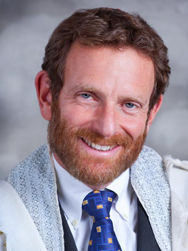
We have always found a way to observe Passover, even in the toughest times. In this year of coronavirus at Beit Simcha, we held a virtual Seder for all who were hungry for freedom and meaning, as I led a video version of our celebration of freedom and covenant. I could not share my own homemade versions of charoset in person — but I shared songs and prayers, poems and tales reflecting on freedom and holiness in the face of oppression. As we now experience just a taste of the oppression our ancestors faced in Egypt, we gathered virtually to embrace the potential for freedom God granted us so long ago. It was not the same as sharing Passover with actual, human guests, fully present in the same room. But it was nonetheless a true celebration of the divine gift of freedom.
This year we are not yet free — but next year, may we all celebrate a Passover of true freedom from fear and restriction.

