



Whether you are a doer, a shopper or a giver — or all three — local nonprofits need your help to make the holidays happy for struggling families.
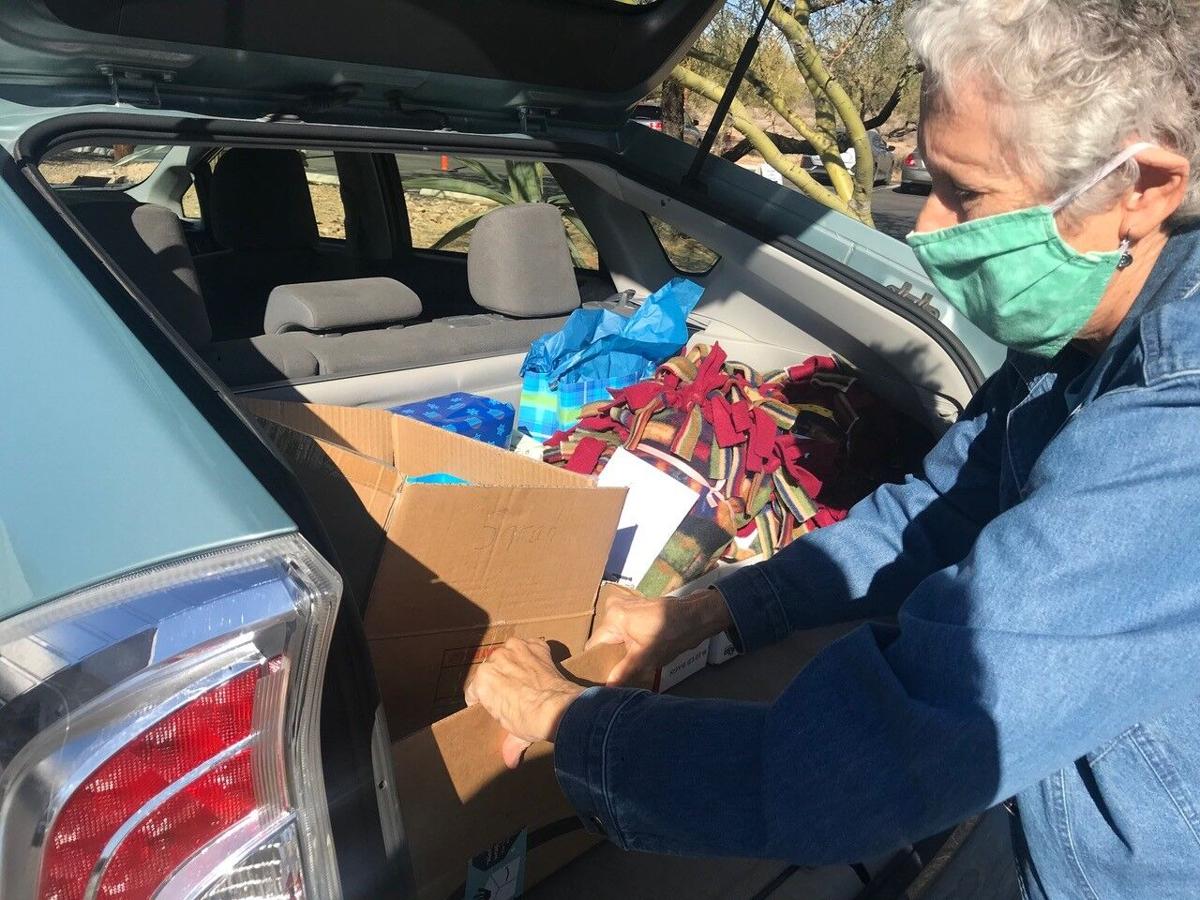
Colleen O’Leary is one of many volunteers working together to assist 350 families (including about 700 children) through the Interfaith Community Services Gifts of Love Program.
“It is such a joy to speak with these families. … I think one of the things that is special is the personal contact with each family. They are so appreciative. They are on the list because this was a tough year for them. Maybe a parent was out of work or they lost their home, and as a result ICS was able to help them with emergency utilities or through the food bank or other programs such as Single Mom Scholars,” said O’Leary, a “non-shopper” who has helped to coordinate Gifts of Love for the past seven years.
The program is one of many offered by ICS at a time when need is skyrocketing due to rising inflation and rent rates, according to Tom McKinney, CEO of ICS.
“We are seeing anywhere from 50% to 60% more people coming to the food bank than last year at this time, which is incredible. We have had to purchase more food to meet that demand and are working hard to keep people from being evicted, especially seniors on fixed incomes,” said McKinney.
He emphasized that ICS has responded to the demand by adding a fifth route to its mobile food pantry through a partnership with the YWCA in South Tucson. On the first day two weeks ago, the route provided food boxes for 90 households before running out of supplies in one hour. ICS now provides a network of mobile routes throughout east, central and south Tucson and a permanent food bank at 2820 W. Ina Road.
“The subsidies and assistance during the pandemic have gone away, and people are returning to some sense of normal, but many people’s incomes haven’t changed, and inflation and rents have gone up. People have to make really hard choices: Sometimes they choose not to pay rent so they can buy food. These are not people who are unemployed: They are working, but they need better paying jobs, and we try to help with that and other needs,” said McKinney.
To that end, an anonymous donor has pledged to match gifts, up to $150,000 total, through Dec. 31, 2022. During the “Meet Their Match” Campaign, donations by new or renewing donors who increase the size of their gifts will be matched dollar-for-dollar. For Arizona taxpayers, donations may also be applied toward the Qualifying Charitable Organization tax credit, which offers a credit of $400 for individuals and $800 for married couples filing jointly on Arizona state income taxes.
Emerge’s holiday house
Another nonprofit welcoming in-kind and monetary donations along with the tax credit is Emerge Center Against Domestic Abuse. Emerge creates a holiday house in which survivors of domestic violence can shop for their children. The program expects to serve about 300 families this year.
“These are not just folks in our emergency shelters but also participants in our nonresidential programs who come on an appointment basis for services. Some live with family or friends but have no money while others are still living in abusive homes with emotional and financial constraints. Financial abuse is very common in these relationships, and we want to make sure that all children are able to celebrate the holidays,” said Ed Mercurio-Sakwa, CEO of Emerge.
Sakwa said the holiday season can be particularly difficult for those experiencing domestic abuse since many are reluctant to reach out and break up their families during the holidays. The current economy is also creating additional difficulties.
“External stressors aren’t the cause of domestic violence, but if there are more stressors in a home that is already abusive, the frequency of abuse may increase. Also, with increasing inflation and rent rates, landlords can be much pickier about tenants. If they see someone might have rental history or credit issues that may be the result of abuse, many landlords are saying, ‘Thanks but no thanks.’ So, in addition to financial costs, there are accessibility problems, which makes it difficult for people trying to leave relationships,” said Mercurio-Sakwa.
Those in need of immediate help — or family, friends and community members who are worried for a loved one — can call the multilingual hotline 24 hours a day, seven days a week at 520-795-4266 or 888-428-0101.
The last 6 weeks of the calendar year can be stressful, but they don't have to be. Yair Ben-Dor has more.

