

 The sun’s rays often feel good on your skin, but can cause serious damage. Maksim Chernyshev/EyeEm via Getty Images
Human beings have a conflicted relationship with the sun. People love sunshine, but then get hot. Sweat gets in your eyes. Then there are all the protective rituals: the sunscreen, the hats, the sunglasses. If you stay out too long or haven’t taken sufficient precautions, your skin lets us you know with an angry sunburn. First the heat, then the pain, then the remorse.
Were people always this obsessed with what the sun would do to their bodies? As a biological anthropologist who has studied primates’ adaptations to the environment, I can tell you the short answer is “no,” and they didn’t need to be. For eons, skin stood up to the sun.
Skin, between you and the world
Human beings evolved under the sun. Sunlight was a constant in people’s lives, warming and guiding them through the days and seasons. Homo sapiens spent the bulk of our prehistory and history outside, mostly naked. Skin was the primary interface between our ancestors’ bodies and the world.
Human skin was adapted to whatever conditions it found itself in. People took shelter, when they could find it, in caves and rock shelters, and got pretty good at making portable shelters from wood, animal skins and other gathered materials. At night, they huddled together and probably covered themselves with fur “blankets.” But during the active daylight hours, people were outdoors and their mostly bare skin was what they had.
During a person’s lifetime, skin responds to routine exposure to the sun in many ways. The surface layer of the skin – the epidermis – becomes thicker by adding more layers of cells. For most people, the skin becomes gradually darker as specialized cells kick into action to produce a protective pigment called eumelanin.
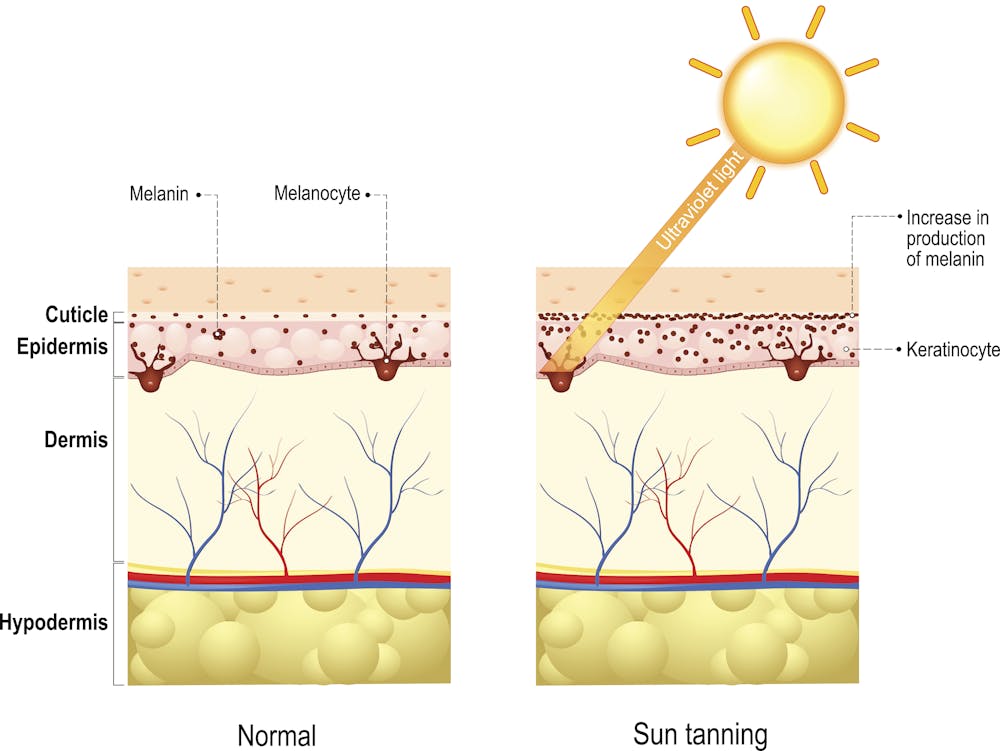 Exposure to the sun’s rays triggers production of more protective eumelanin, which also darkens the skin’s appearance. ttsz/iStock via Getty Images Plus
This remarkable molecule absorbs most visible light, causing it to look very dark brown, almost black. Eumelanin also absorbs damaging ultraviolet radiation. Depending on their genetics, people produce different amounts of eumelanin. Some have a lot and are able to produce a lot more when their skin is exposed to sun; others have less to start out with and produce less when their skin is exposed.
My research on the evolution of human skin pigmentation has shown that the skin color of people in prehistory was tuned to local environmental conditions, primarily to local levels of ultraviolet light. People who lived under strong UV light – like you’d find near the equator – year in and year out had darkly pigmented and highly tannable skin capable of making a lot of eumelanin. People who lived under weaker and more seasonal UV levels – like you’d find in much of northern Europe and northern Asia – had lighter skin that had only limited abilities to produce protective pigment.
With only their feet to carry them, our distant ancestors didn’t move around much during their lives. Their skin adapted to subtle, seasonal changes in sunlight and UV conditions by producing more eumelanin and becoming darker in the summer and then losing some pigment in the fall and winter when the sun wasn’t so strong. Even for people with lightly pigmented skin, painful sunburns would have been exceedingly rare because there was never a sudden shock of strong sun exposure. Rather, as the sun strengthened during spring, the top layer of their skin would have gotten gradually thicker over weeks and months of sun exposure.
This is not to say that the skin would have been undamaged by today’s standards: Dermatologists would be appalled by the leathery and wrinkled appearance of the sun-exposed skin of our ancestors. Skin color, like the levels of sun itself, changed with the seasons and skin quickly showed its age. This is still the case for people who live traditional, mostly outdoor, lives in many parts of the world.
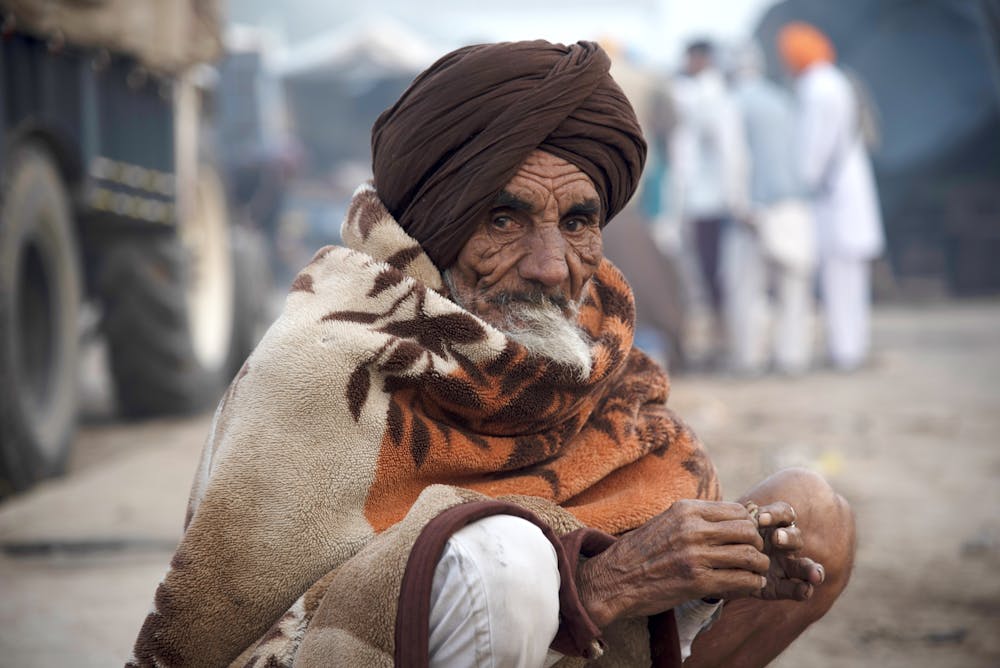 Chronic unprotected sun exposure can damage skin, with effects that look like those on this farmer in India. Randeep Maddoke/Wikimedia Commons, CC BY
There is no preserved skin from thousands of years ago for scientists to study, but we can infer from the effects of sun exposure on modern people that the damage was similar. Chronic sun exposure can lead to skin cancer, but rarely of the variety – melanoma – that would cause death during reproductive age.
Indoor living changed skin
Until around 10,000 years ago – a drop in the bucket of evolutionary history – human beings made their living by gathering foods, hunting and fishing. Humanity’s relationship with the sun and sunlight changed a lot after people started to settle down and live in permanent settlements. Farming and food storage were associated with the development of immovable buildings. By around 6000 B.C. many people throughout the world were spending more time in walled settlements, and more time indoors.
 Persian King Darius the Great, who lived more than 2,500 years ago, is portrayed being shielded from the sun. Luisa Vallon Fumi/iStock via Getty Images Plus
While most people still spent most of their time outside, some stayed indoors if they could. Many of them started protecting themselves from the sun when they did go out. By at least 3000 B.C., a whole industry of sun protection grew up to create gear of all sorts – parasols, umbrellas, hats, tents and clothing – that would protect people from the discomfort and inevitable darkening of the skin associated with lengthy sun exposure. While some of these were originally reserved for nobility – like the parasols and umbrellas of ancient Egypt and China – these luxury items began to be made and used more widely.
In some places, people even developed protective pastes made out of minerals and plant residues – early versions of modern sunscreens – to protect their exposed skin. Some, like the thanaka paste used by people in Myanmar, still persists today.
An important consequence of these practices in traditional agricultural societies was that people who spent most of their time indoors considered themselves privileged, and their lighter skin announced their status. A “farmer’s tan” was not glamorous: Sun-darkened skin was a penalty associated with hard outdoor work, not the badge of a leisurely vacation. From Great Britain to China, Japan and India, suntanned skin became associated with a life of toil.
As people have moved around more and faster over longer distances in recent centuries, and spend more time indoors, their skin hasn’t caught up with their locations and lifestyles. Your levels of eumelanin probably aren’t perfectly adapted to the sun conditions where you live and so aren’t able to protect you the same way they might have your ancient ancestors.
Even if you’re naturally darkly pigmented or capable of tanning, everyone is susceptible to damage caused by episodes of sun exposure, especially after long breaks spent completely out of the sun. The “vacation effect” of sudden strong UV exposure is really bad because a sunburn signals damage to the skin that is never completely repaired. It’s like a bad debt that presents itself as prematurely aged or precancerous skin many years later. There is no healthy tan – a tan doesn’t protect you from further sun damage, it’s the sign of damage itself.
People may love the sun, but we’re not our ancestors. Humanity’s relationship with the sun has changed, and this means changing your behavior to save your skin.
___
Nina G. Jablonski consults for L'Oreal and has received funding from the National Science Foundation, The Leakey Foundation, The Wenner-Gren Foundation, The Robert Wood Johnson Foundation, and The Rockefeller Foundation.
___





15 ways to stay cool this summer without AC

15 ways to stay cool this summer without AC
The summer of 2025 continues to heat up across the United States. According to the National Weather Service's climate outlook for June through August of this year, above-normal temperatures are expected throughout the country, with the highest temps predicted in the Southwest and Northeast. Already, most of the nation endured a record-breaking heat and humidity wave in June 2025, and there's more than a month of summer still to go.
Unfortunately, warmer-than-average summers are quickly becoming the norm. The National Oceanic and Atmospheric Administration notes that the summer of 2024 was the fourth-hottest recorded in the nation's history. The month of August 2024 alone set a new standard as the warmest August in NOAA's global climate record, which goes back 175 years.
Suffice it to say, staying cool has become more important—and more difficult—than ever. According to a May 2025 report from the National Energy Assistance Directors Association and the Center for Energy Poverty and Climate, prices for home cooling are expected to soar in the summer of 2025 and may reach a record high. Luckily, there are many low-cost, energy-efficient ways to cool off during summer heat that work and don't involve sitting in a bath of ice water all day. These tricks can make a difference when your attention is required in a classroom or office setting, or if you're working outside and need relief from the hot sun. Stacker scoured scientific studies, DIY websites, and even American history to devise 15 ways to stay cool on warm days without AC.
Keep reading to learn a simple hack for using skin care products to bring down your core temperature, how hot beverages may actually cool you off, and how to use fans more to beat the heat this summer.
Aloe ice cubes
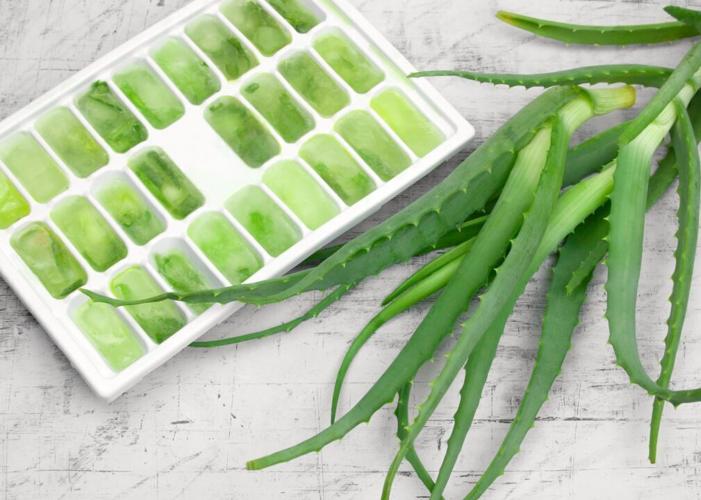
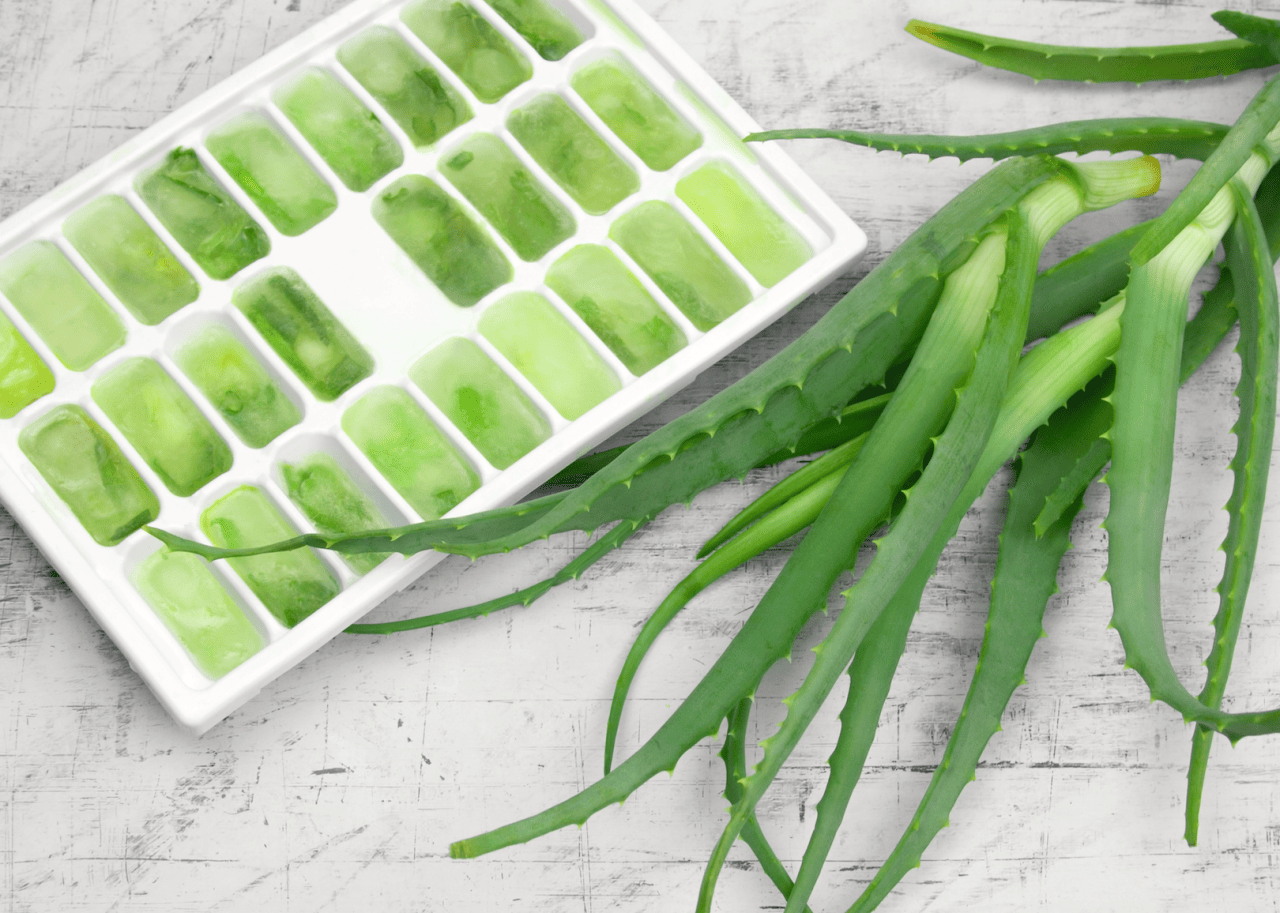
Despite one's best efforts to reapply sunscreen as directed, being out in the sun all day can still lead to sunburn and skin damage. The medicinal use of aloe vera to help treat skin ailments can be tracked all the way back to the 4th century B.C. The antiseptic aloe vera is ultimately a wonder plant: In skin care applications it acts as a cleanser, astringent, and moisturizer, and it can stimulate the growth of new skin tissue, while also calming the nervous system. For an extra cooling effect, mix water and aloe vera in ice cube trays, and pop them into the freezer for use when needed.
Keep skincare products cold
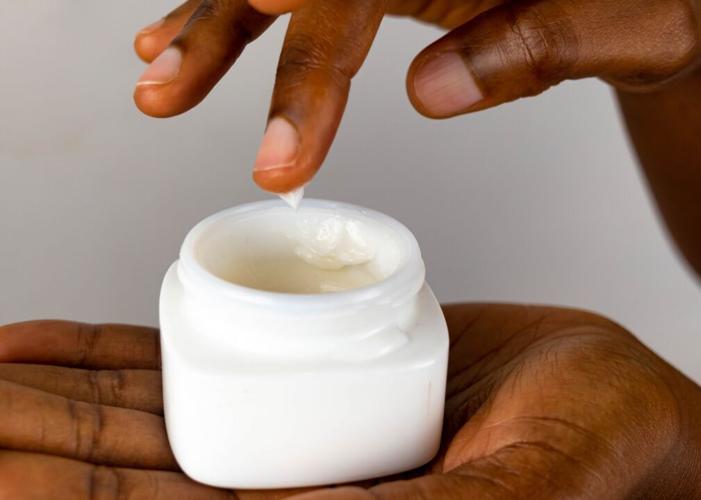
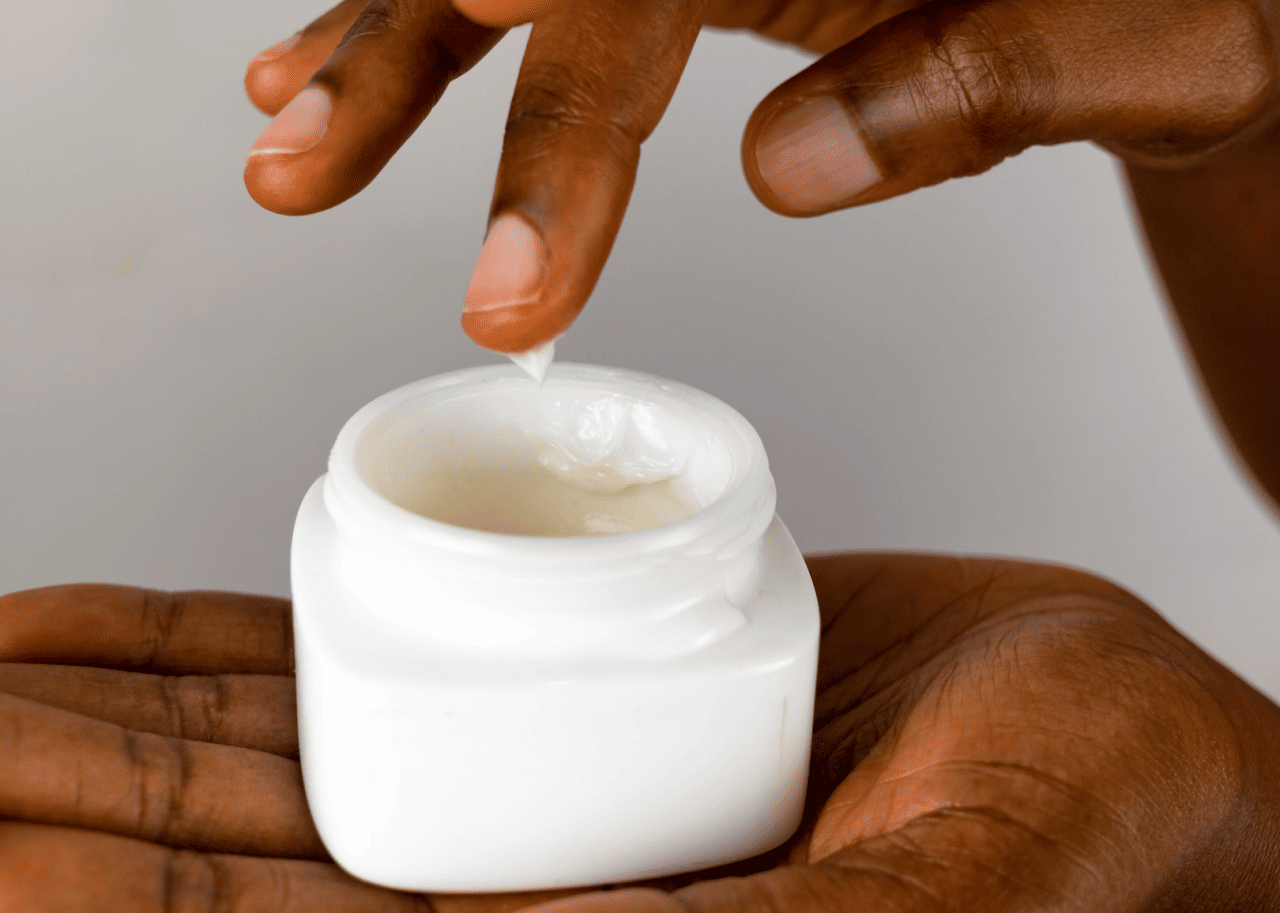
Whether your skincare routine involves multiple products or just one, keeping them in the refrigerator can make for a refreshing reprieve from the heat. Many lotions, serums, sprays, and masks will even keep their potency for longer when kept cold.

Stop cooking
There is no better way to heat up a home in the summer than by switching on the oven, burners, or toaster oven. Avoid that entirely by grilling outside, eating out, or switching things up with meals that don't require the stove on the hottest days. Salads, cold sandwiches, cold soups like gazpacho, and nori rolls are all great options for hot days.

Cool down pressure points
A well-placed bandana that's been soaked in cold water will work wonders to cool you off. Be sure to tie it around a major pressure point (ankles, wrists, neck, or elbows) and it can provide an instant chill.
Up your fan game
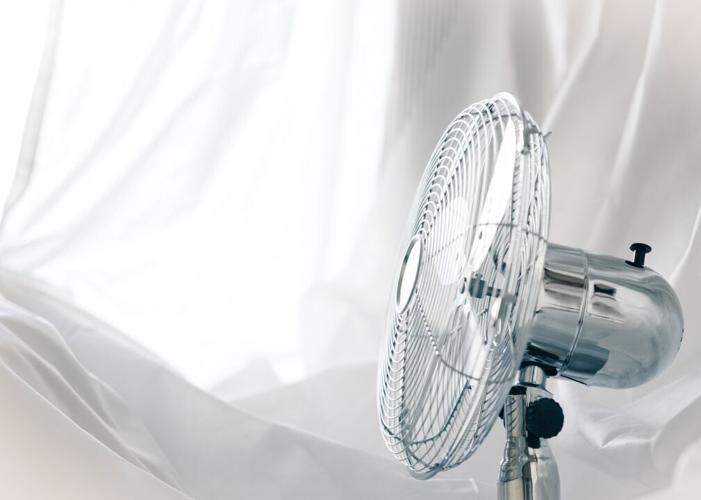
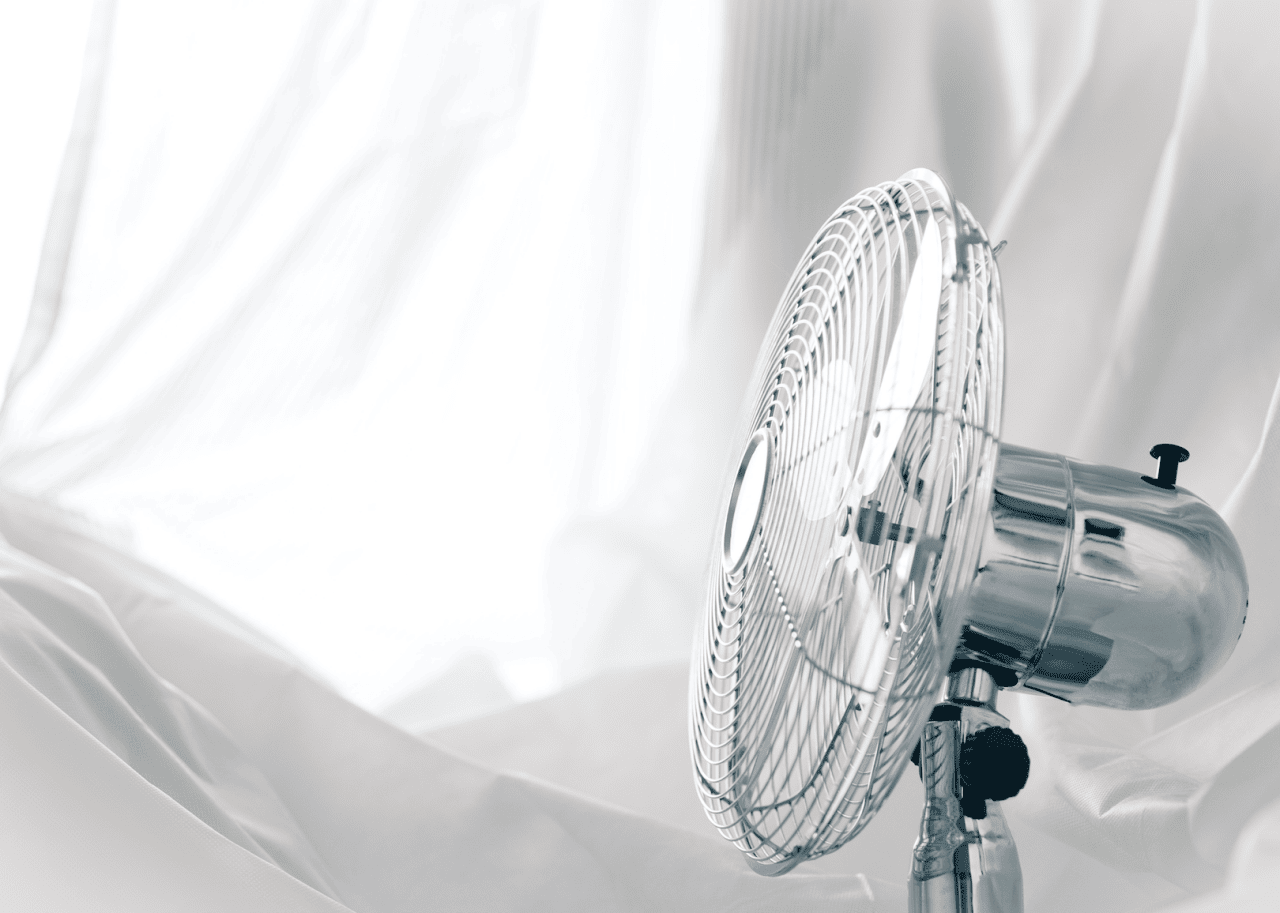
Strategic placement of fans throughout the home can completely change an indoor climate. Window fans pulling in cooler outside air should be positioned on the first floor of the shadiest, coolest side of the home (most likely in a north-facing window). A fan blowing out the window, which will suck warmer air from inside, should be placed on the sunniest, hottest side of the second floor (or same floor if it's a one-story home or apartment). Ceiling fans should be rotating counter-clockwise (from your vantage point below it)—don't forget to reverse this direction during cooler months!
Increase water intake
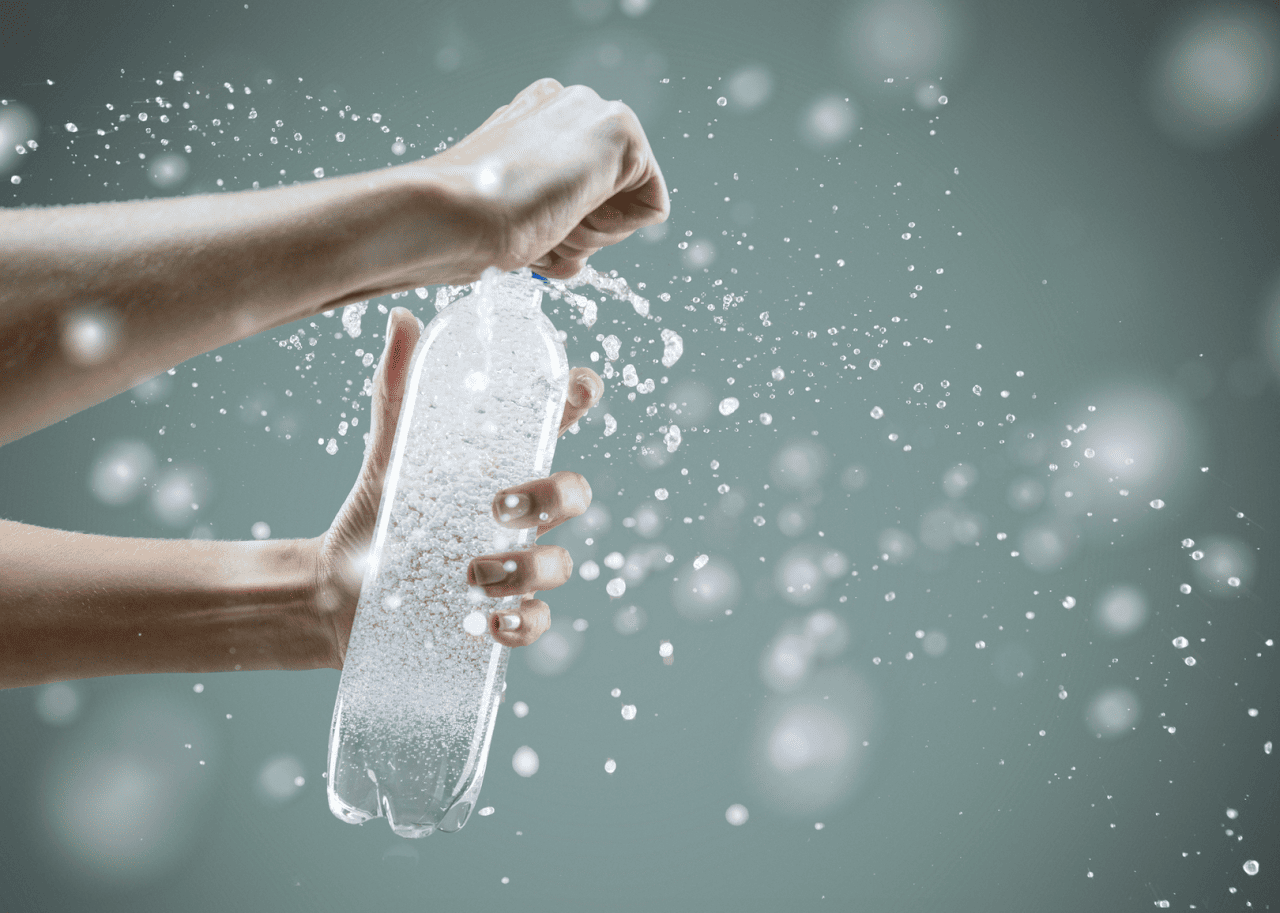
Besides keeping your body hydrated, drinking water helps regulate internal temperatures. Keep your hydration levels topped off throughout the day and evening to ensure heat is being managed most effectively by your most powerful weapon. The American Heart Association recommends drinking water in equal measure to how many ounces of sweat you're expelling—for a high school football player, that can be up to five pounds in one summer practice, or 80 ounces.
You may also like: What to watch out for in the water this summer
Fill water bottles with ice water
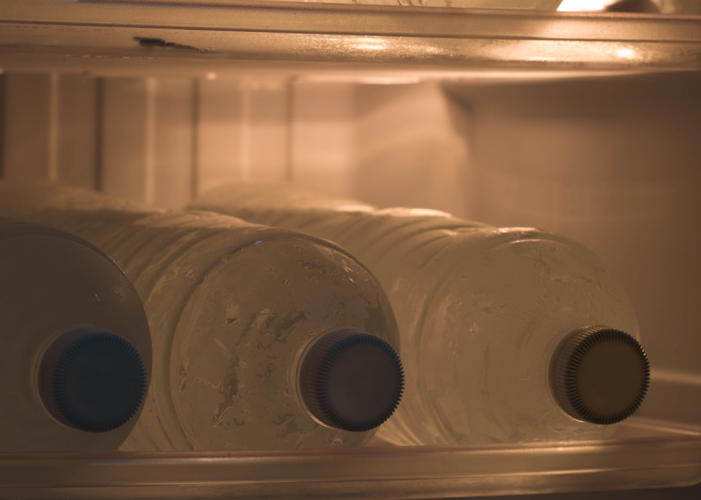
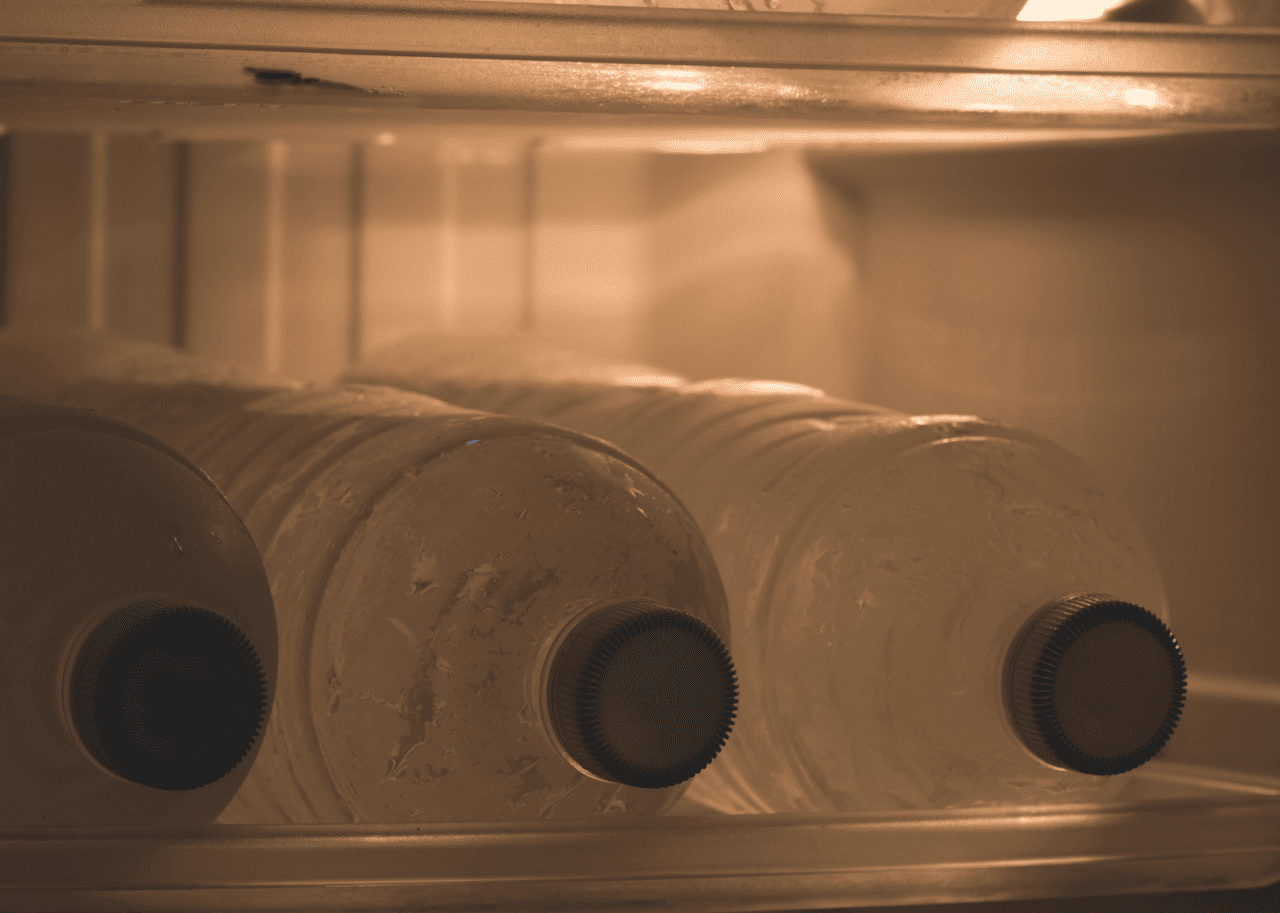
Hot water bottles are built to keep people warm on cold nights, but they can also serve the opposite purpose. Fill your hot water bottle (or a regular water bottle, if that's what you have) with tap water, put it in the freezer for a few hours, and then sleep with the bottle at your feet. Your feet are one of the most temperature-sensitive parts of your body, so keeping them cool will help the rest of your body stay cool.

UV window films
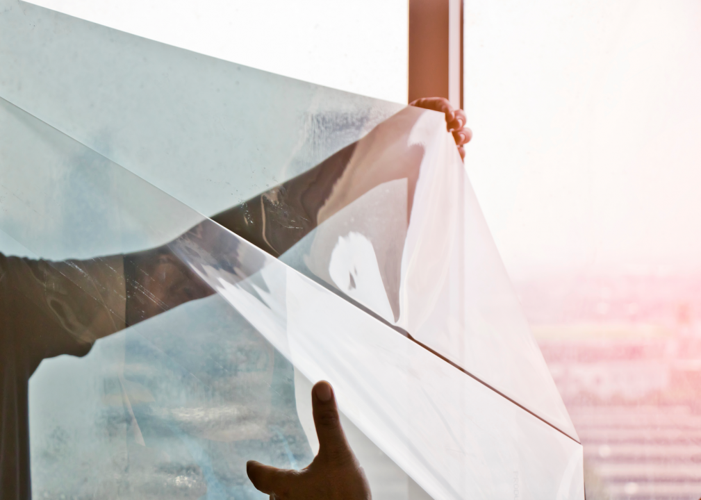
While a west-facing home may be perfect in winter, it makes cooling the house down in the summer a bit more challenging. Stock up on reusable UV window film to keep the sun's harmful rays out and the cool air in (it will also work to keep your home warm in the winter). Tinfoil and space blankets work great for blocking heat from windows, too, and may save you a few bucks.
Wear cotton clothing
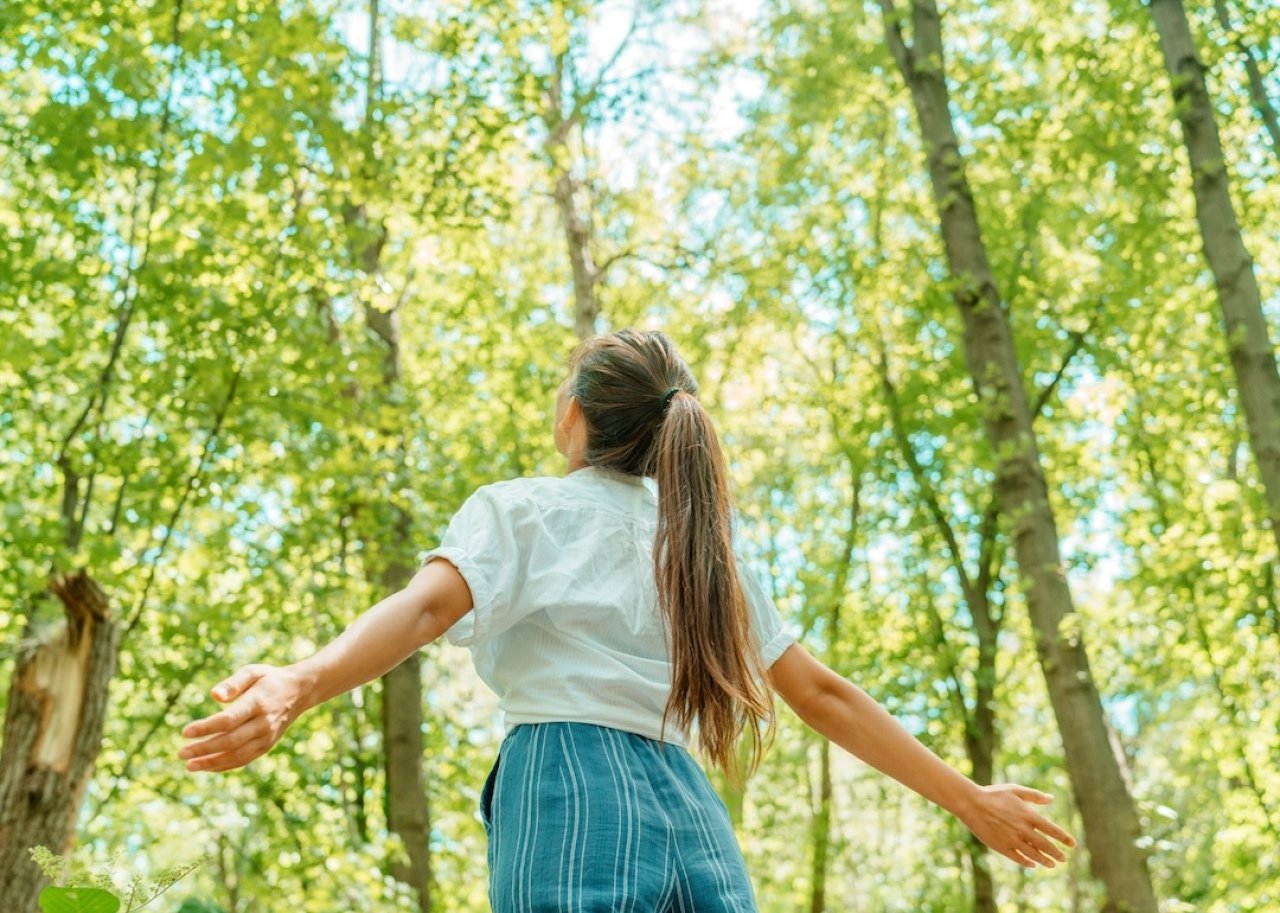
Cotton is a great fabric for the summer whether you live in the dry heat of Arizona or humid Florida; this light material allows air to circulate without getting trapped in one place, cooling your body naturally. Other fabrics that can help you fight off the sweat are chambray, rayon, linen, and synthetic blends, and lighter colors are generally cooler than darker colors.

Eat foods with high water content
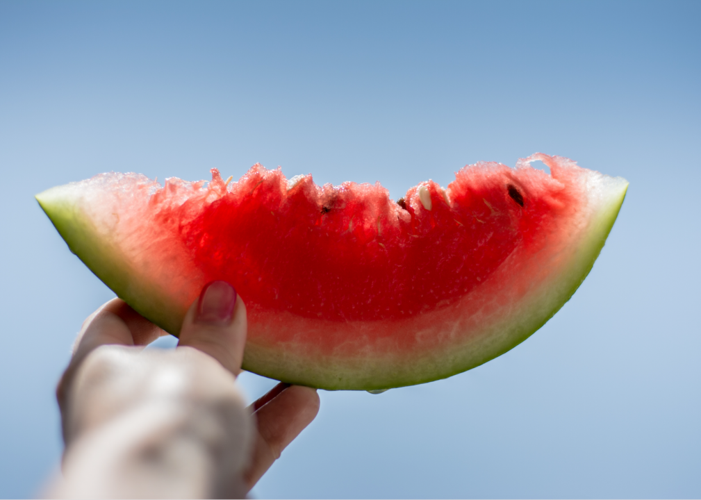
Drinking a lot of water is one way to stay hydrated during the summer, but it can also be done through eating foods that have high water content. This includes fruits and vegetables such as melons, cucumbers, lemons, grapes, leafy greens, and berries. Spicy foods prepared with chili peppers are great coolers as well: the chilis increase circulation and cause perspiration. And while ice cream might seem refreshing in the moment, it will only make you feel warmer in the long run—flavored ice is a good alternative.

Drink something hot
It seems counterintuitive, but drinking something hot on a warm, dry day can help to cool a body off. A Thermal Ergonomics Lab study found that drinking a hot beverage increases sweat production, which in turn cools the body off. There's just one caveat—the sweat needs to be able to evaporate in short order. This trick will not work if you're wearing a lot of clothing that can trap sweat or if the scorching day is paired with high humidity.
You may also like: 50 activities to keep children engaged this summer
Close your windows during the day
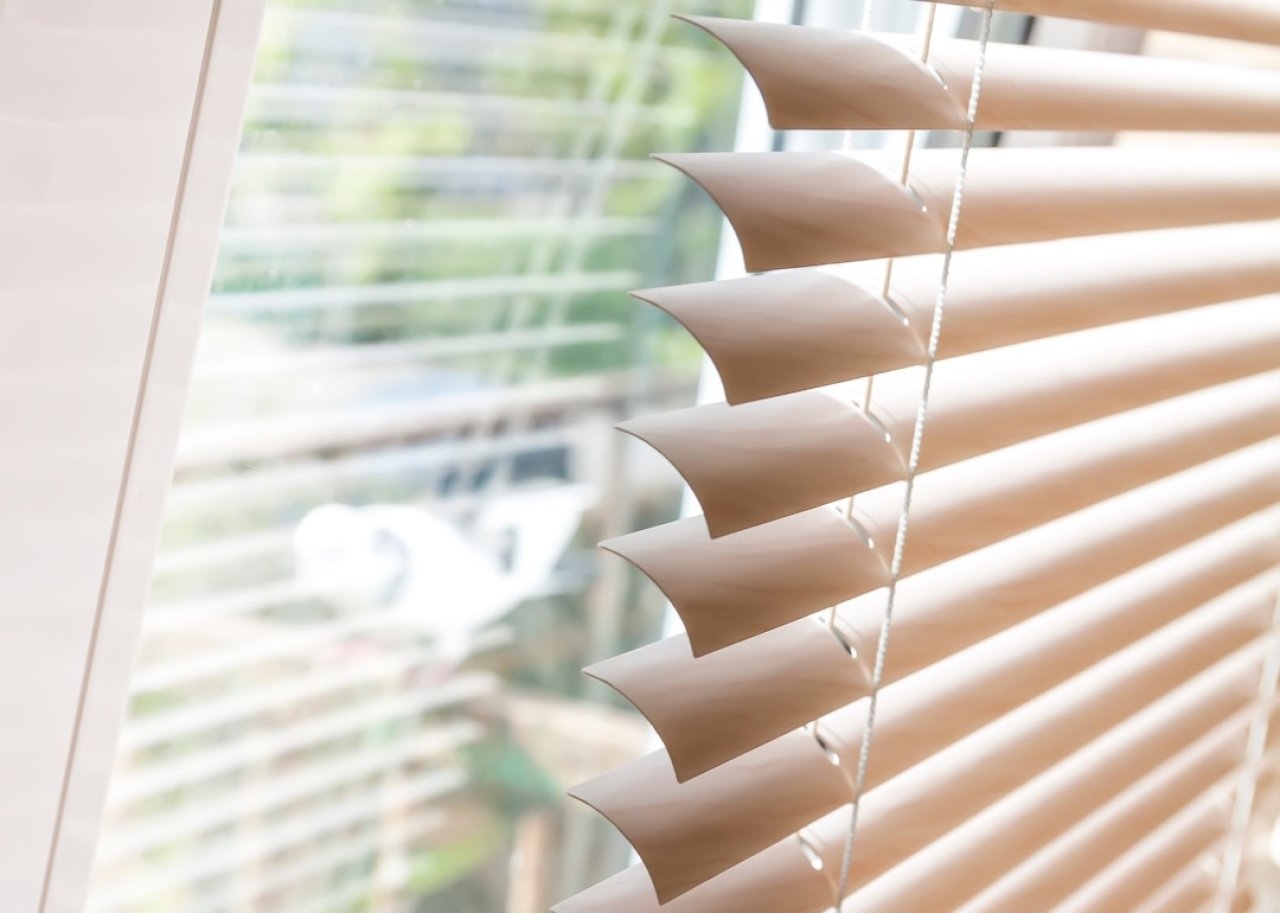
Strategically opening windows at night when the air is coolest and keeping them closed (with curtains drawn!) during the day is one of the most straightforward ways to keep a home cooler in summer months. This method is most effective if you have adequate insulation in the walls to trap the cooler night air inside. Another window trick is to take advantage of convection: When double-hung windows are open, keep them as such at the top and the bottom. Having the top window cracked allows hot air to escape, while the bottom window being cracked will suck in cooler air from outside.
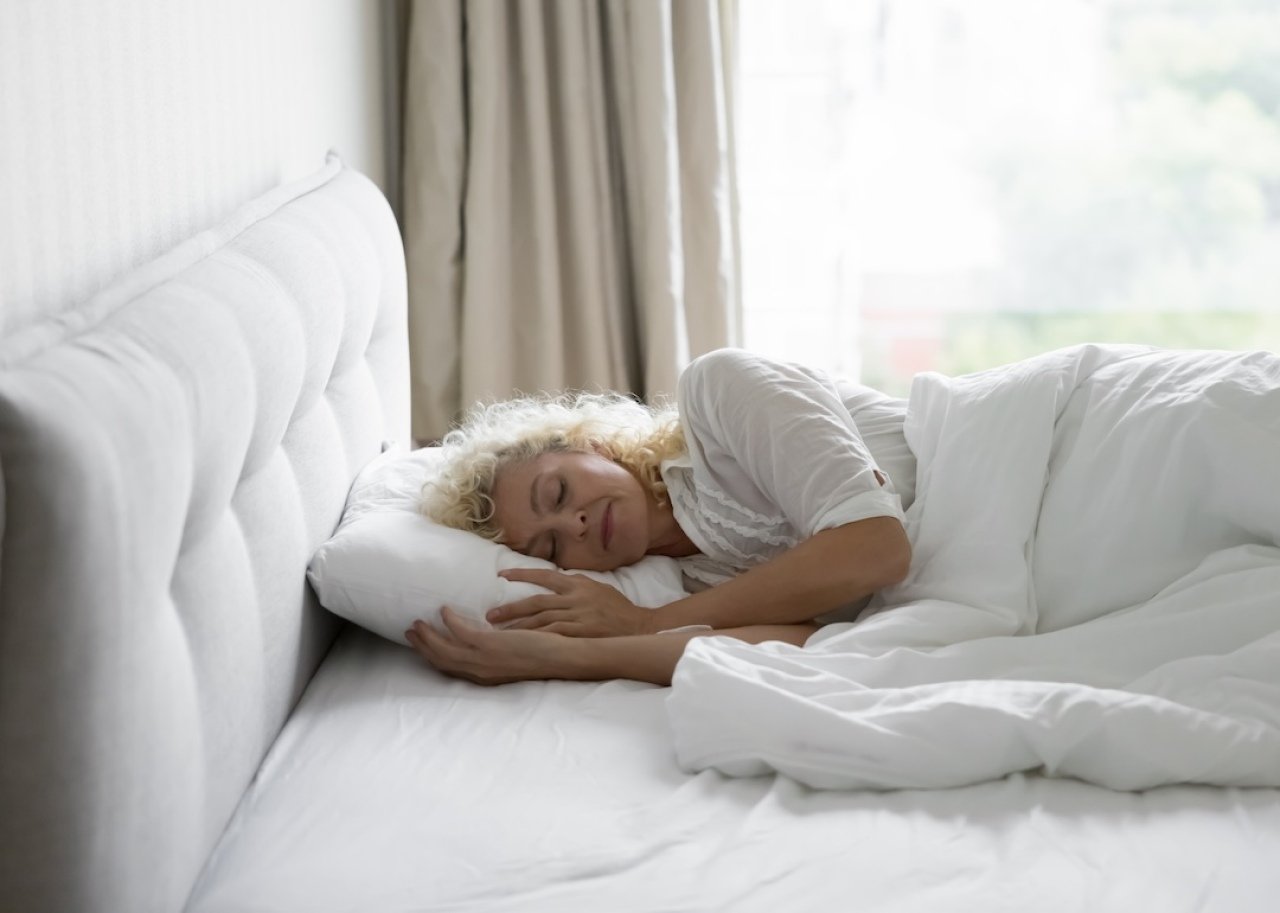
Chill your sheets before bed
Plan ahead for hot nights: fold up a top sheet, put it in a bag, and set said bag in the freezer a few hours before bed. When it's time to hit the hay, take the sheet out and lay it on top of you. For a last-minute (slightly messier) iteration of the same technique, before going to bed wet down a top sheet in cold water, wring the sheet out well, and put it over yourself.

Block the light
In addition to keeping windows closed during the day and open at night, use blackout curtains to trap cool air inside and keep the heat from coming in. They've been said to reduce heat transfer through windows by as much as 24%—that's a lot of degrees when it's sweltering outside.
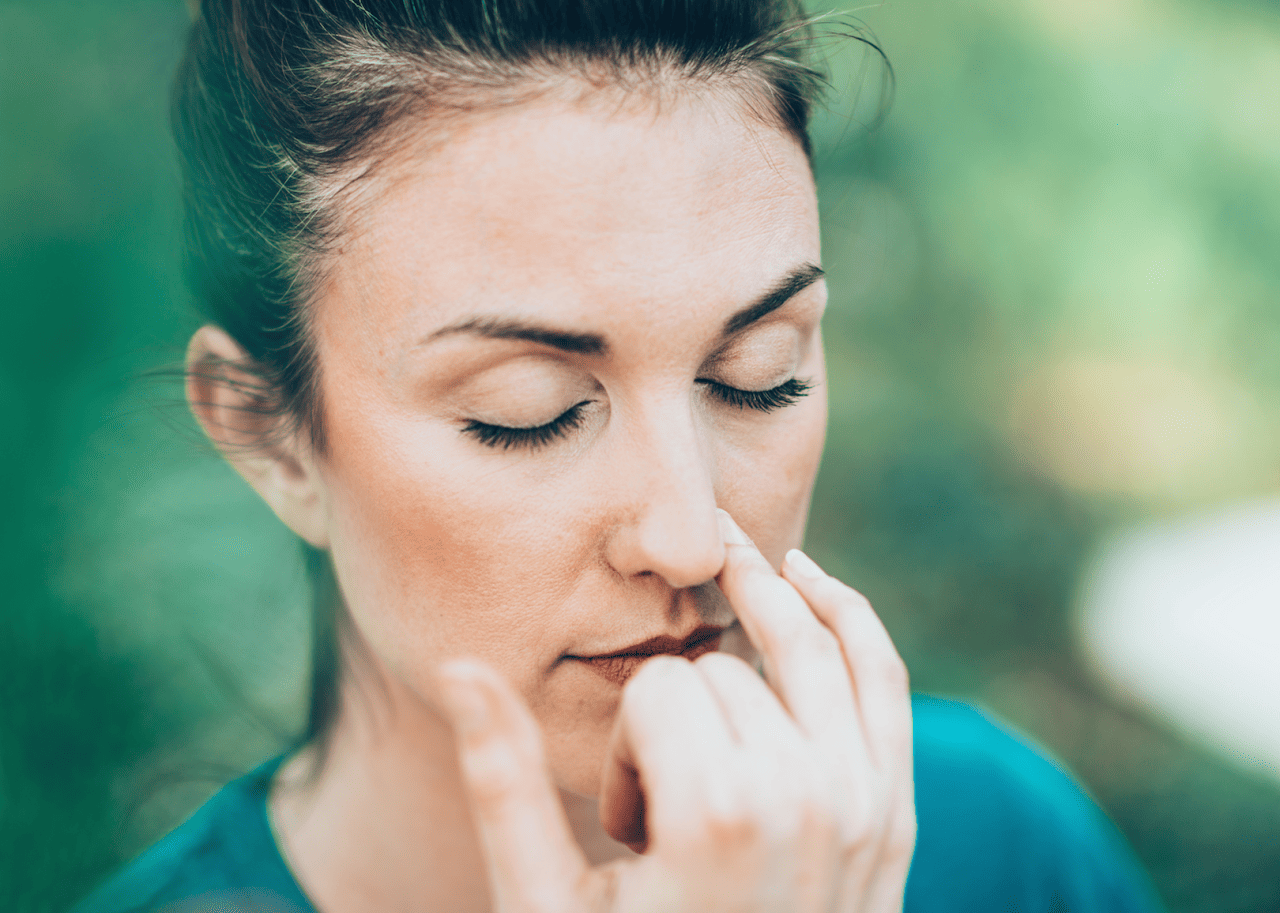
Practice Pranayama
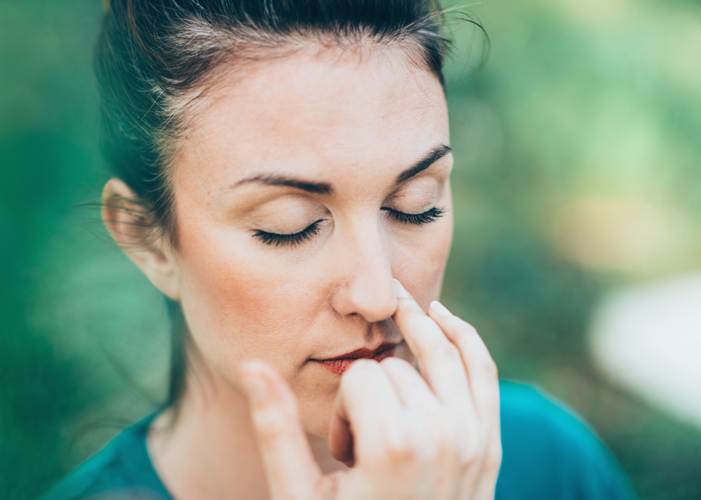
Pranayama is the practice of breath control—and utilizing it can make you feel noticeably cooler. Two breaths, in particular, that can help are the sitali ("cooling breath") and sitkari ("sipping" or "hissing"). In the sitali, the mouth is opened into an "O," and the tongue folded lengthwise into a tube to suck air through. After sticking the curled tongue out almost an inch from the lips, a big breath is drawn in, using the tongue like a drinking straw. This will pull cool air into the diaphragm. After breathing in, the mouth is closed and air slowly exhaled through the nose. The sitkari variation of this breath involves closing the top and bottom teeth together with lips open in a smile. Long, slow breaths are drawn in this position through the teeth and mouth, then the mouth is closed and the breath exhaled slowly through the nose.

2021 is already shaping up to be a hot year, with warmer than average spring temperatures and hot streaks across much of the continental U.S into June. In May 2021, there were 947 record warm daily high temperatures recorded across the U.S., according to the National Oceanic and Atmospheric Administration (NOAA). Stacker scoured scientific studies, DIY websites, and even American history to come up with 15 ways to stay cool on warm days without AC.
For anyone not living along the northern edges or mountains of the U.S., the dog days of summer feature weeks—if not months—on end of intolerable heat. Sizzling temperatures have been shown to negatively affect memory, reaction time, productivity, moods, and even suicide rates. One study by Harvard University in 2016 tracked students before and after a heatwave and determined that higher temperatures correlated with decreased cognitive function; another by Stanford University in 2018 studied the links between suicide rates and temperature and ultimately theorized that bumps in temperature from now through the year 2050 may correlate with an added 21,000 deaths from suicide.
For the times we can't be in air conditioning 24/7, there are thankfully many low-cost, energy-efficient ways to cool off during summer heat that work and don't involve sitting in a bath of ice water all day. These tricks can make a difference when your attention is required in a classroom or office setting, or if you're working outside and need relief from the hot sun.
Keep reading to see a simple hack for using skin care products to bring down your core temperature, how hot beverages may actually cool you off, and how to up your use of fans to beat the heat this summer.
You may also like: Song of summer the year you graduated from high school


