

Saguaro surgery; ocotillo - dead or alive?; blood oranges
- Updated
Answers to your gardening questions from an expert in Southern Arizona.
- By Peter L. Warren Special to the Arizona Daily Star
- Updated
- By Peter L. Warren Special to the Arizona Daily Star
- Updated
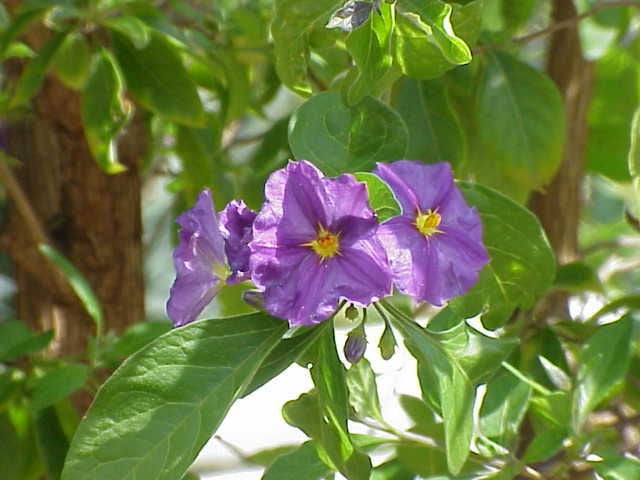
Q: I have a royal robe potato bush that when planted last year grew beautifully! I live in Hayden so the plant is in the full sun all day.
This year, however, it is not doing well at all. I believe the reason is that it was hit hard during the winter freeze. I trimmed the branches back to about 10 inches from the roots. Even though the branches are very dry and snap off easily there are actually some green leaves growing on a few of the branches. Should I just dig it up and start over, or wait awhile to see if it comes back to the original beauty I had from the beginning?
A: The royal robe potato bush (Lycianthes rantonnetii or Solanum rantonnetii) is a tropical plant that originated in South America. It grows well in our heat with adequate water but needs a little protection in the winter if temperatures get below freezing. Because potato bushes flower on new wood, prune them in winter before they start to put out new growth. You can prune them as early as they have finished blooming for the year. The golden rule of pruning is never take off more than a third at one time to avoid stressing out the plant. Since yours has new growth showing, you could see how it grows before giving up and starting over.
Peter L. Warren is the urban horticulture agent for the Pima County Cooperative Extension and the University of Arizona. Questions may be emailed to tucsongardensage@gmail.com

- By Peter L. Warren Special to the Arizona Daily Star
- Updated
- By Peter L. Warren Special to the Arizona Daily Star
- Updated
Q: We live at 4,000 feet of elevation at the base of the Santa Ritas and have two “rescued” saguaros and one nursery bought.
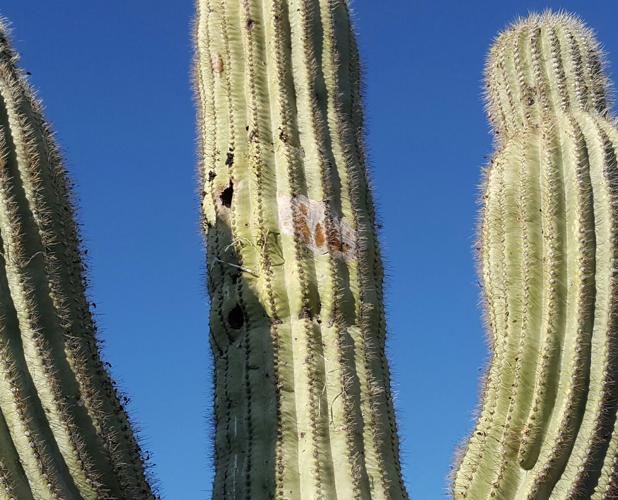
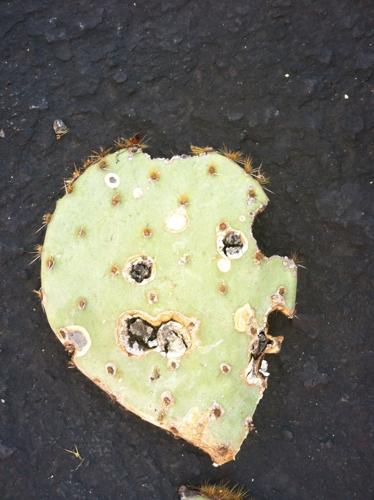
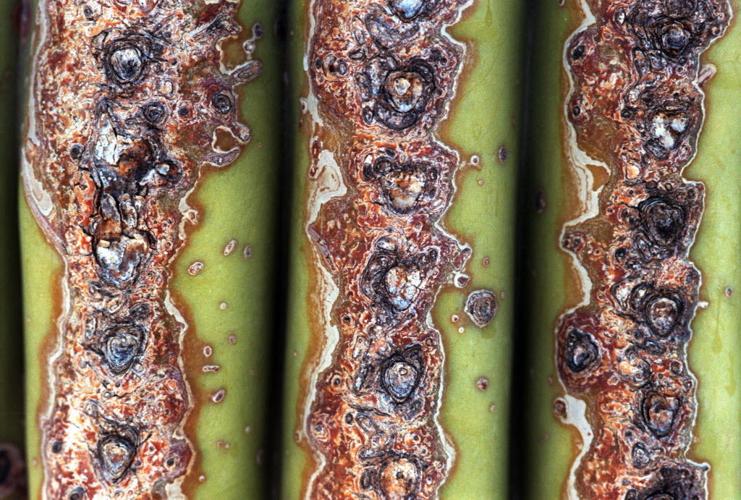
The biggest is George (pictured). We moved George here in 2010 from a construction excavation site. We have licenses for all three of them. He did great first year then 2011, the winter from hell, arrived. A great deal of his south side froze in the wet, windy, and below-freezing temps we had for four days. He survived the damage and thrived. The side in this picture is facing north toward the Catalinas. Over the past few years, he has become a high rise apartment complex for Gila woodpeckers. This year three additional holes appeared as prior holes are now occupied by European starlings. Now he has six large holes. A month ago this splotchy patch (pictured) appeared on the north side, underneath a rather large hole taken over by the starling family. Is this some kind of fungus or could the tissue be damaged from internal carving of the hole inside and nearby? Never had the starlings before and given George’s height, no way to get rid of them. At least the Gilas return to the same homes every year but this year had to drill more!
A: The splotchy patch appears to be a symptom of bacterial necrosis caused by the bacterium Erwinia cacticida. The initial symptom is typically a small, light-colored spot with a water-soaked margin on the surface of the trunk or branches. Obviously, you are looking out for George because symptoms like that could easily go unnoticed. The tissue under the infection site appears to be showing a brown color and may eventually turn almost black. As the disease progresses, the tissue may crack and exude a dark brown liquid. If decay is slow, the tissue may not show the liquid. Although it’s tempting to blame the invasive European starlings, the bacteria could be transmitted by any number of animals, not to mention wind blowing it in from nearby plants.
If the damage was very small and reachable, I might suggest carving it out. Given the height of George and the spread of the symptoms, it might be best to either call an arborist with the proper equipment to reach that high or just let nature take its course. I can’t tell if there is any danger to people or property from the photo but it would be wise to consider the potential hazard if the problem gets a lot worse.
Peter L. Warren is the urban horticulture agent for the Pima County Cooperative Extension and the University of Arizona. Questions may be emailed to tucsongardensage@gmail.com
- By Peter L. Warren Special to the Arizona Daily Star
- Updated
Q: We just installed five viga posts on our back patio. Two of them are where I could plant a vine in the ground; the other three need to be in a pot. Height to the patio roof is about 11 feet. Looking for something I can train to grow up and around the post, but the kind that cling. The area gets morning sun until about 11:30 a.m. and then shade the rest of the day. Flowering, thornless and non-deciduous would be ideal. Would also like to find a vine that I might be able to use along our retaining wall, specifically in the sections that have an iron railing between the stucco posts. This would be full sun most of the day and the height of the iron fence is about 6 feet.
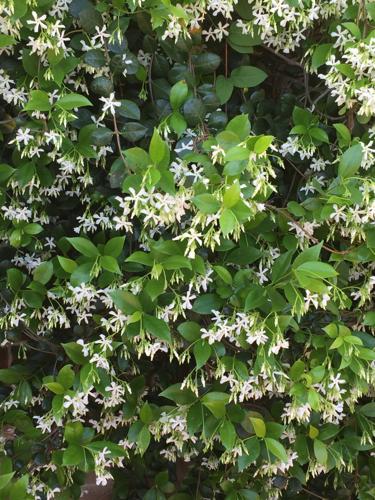
Answer: My first thought is star jasmine because I have it growing at my house and it’s flowering now. It does well in part shade and produces very fragrant flowers in the spring. For the retaining wall, you might consider cat’s claw. This vine loves full sun and will cover a sturdy wall. These are fast growing and need to be managed but most vines are that way to some extent. There are other vines to choose from; search for options at az1606.pdf
Peter L. Warren is the urban horticulture agent for the Pima County Cooperative Extension and the University of Arizona. Questions may be emailed to
- By Peter L. Warren Special to the Arizona Daily Star
- Updated
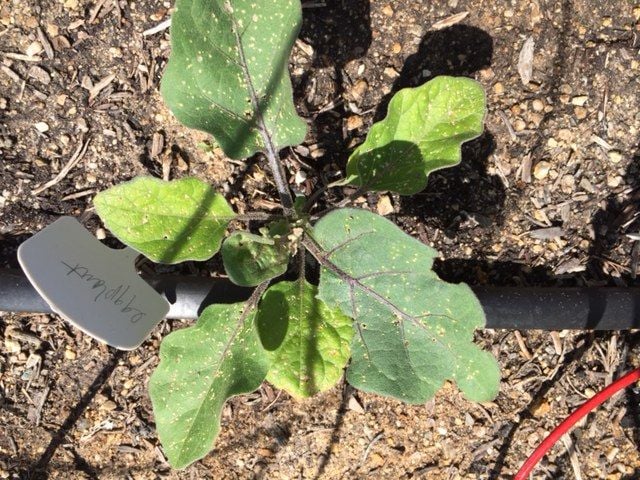
Q: Thanks for the bug lesson last weekend at the Jewish Community Center. Thanks to you, I was able to identify lace bugs on our sunflowers (you predicted they would show up) and I mitigated with blue Dawn. While there, I noticed that our Japanese eggplant have something going on with them. Are you able to help out based on the two images I am including? No insects were visible.
A: Flea beetles are eating your eggplant leaves. They are tiny and hard to see, and they tend to jump like fleas when they sense danger. They are one of the most difficult-to-manage pests of eggplant and cole crops. They are also a problem on seedlings of tomatoes, potatoes, peppers, turnips, radishes and corn. There are various species of flea beetles, all members of the Chrysomelidae family. The adults are active leaf-feeders that can, in large numbers, rapidly defoliate and kill plants. You are seeing the symptoms of adult flea beetle feeding: small, rounded, irregular holes that make leaves look as if they had been peppered with fine shot. Additional damage may be done by the larvae, which feed on plant roots. Some flea beetles are considered general feeders, though many species attack only one plant or closely related kinds of plants. Because of this you can sometimes use anther crop to lure them away. For example, radishes are sometimes preferred over eggplant. Another tactic is to put yellow sticky traps near your plants to attract and capture these insects. Organic products that have some effectiveness are insecticidal soap and neem oil. Pyrethrin products such as Pyganic as well as hot pepper wax and rotenone are reported to be better.
No matter what you choose, the most important things to do are spray them early in the season before they do too much damage to young plants and read the label before you use these products so you are aware of safety precautions for using them.
Peter L. Warren is the urban horticulture agent for the Pima County Cooperative Extension and the University of Arizona. Questions may be emailed to
- By Peter L. Warren Special to the Arizona Daily Star
- Updated
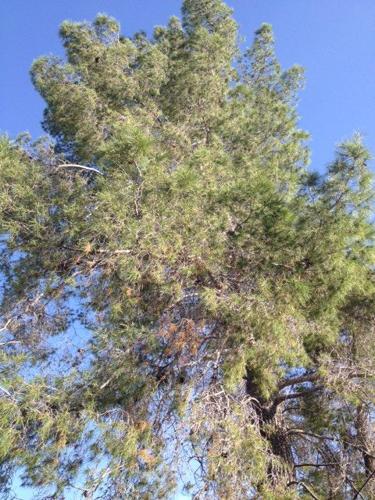
Q: I live in Barrio Santa Rosa and have two massive Aleppos that were planted on my property in the early 1950s. I have noticed recently that many of the lower branches on one of the trees are dying. I am seeing brown needles throughout the tree, but not a lot. These trees have defined our property and it looks like they may have fallen victim to the bark beetle. One of the trees looks fine; the other I can see a dozen of the lowest limbs dead. This one has brown leaves sporadically throughout, but mostly at the bottom, not at the crown.
I have had the entire property on drip for 15 years or more, so I always considered them adequately watered. Also, the gutters from the roof drain into this part of the yard. Any advice you can give me would be greatly appreciated. What I’d really like to hear you say is that they just need a bit more water!
A: Your trees don’t appear to be infested with bark beetles from the photos. The holes look like woodpecker damage and the dead branches in the crown of the tree are normal as the trees age. It would be good to hire an arborist to climb the trees and cut out the dead and damaged branches both to clean it up and also to prevent dead limbs from falling and hurting you or damaging your property. Watering these large trees is difficult because the root zones extend two to three times the height of the tree. You are likely not getting water to the absorbing roots at the end by using a hose. The best you can do is drip irrigation with emitters arranged in a circular fashion outside the drip line of the tree. The schedule for watering should be every seven to 14 days in the summer, every 10 to 21 days in the spring and summer, and every 14 to 21 days in the winter. The water should reach a depth of 24 to 36 inches each time and you can use a soil probe to determine how deep the water is going. So it’s not time to give up
Peter L. Warren is the urban horticulture agent for the Pima County Cooperative Extension and the University of Arizona. Questions may be emailed to
- By Peter L. Warren Special to the Arizona Daily Star
- Updated
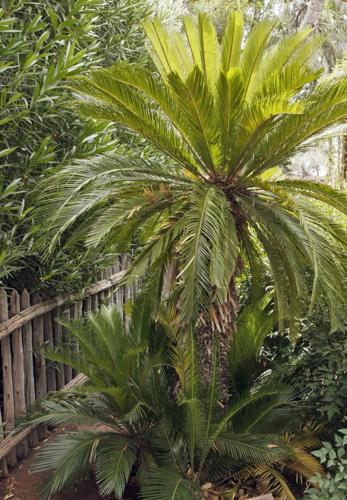
Q: I have Sago and Fan palms with shoots growing out from the base of the plant. Can I remove the shoots and replant them elsewhere? If so, how do I go about removing the shoots?
A: The Sago (Cycas revoluta) is not a true palm, but a cycad. It produces offshoots, sometimes called pups, at the base of the plants. They can be separated using a trowel and transplanted to another location after letting them dry for week or so to seal up the wound.
You might start them in a container in the shade or put some shade cloth over them until they are established if you plant them in the ground. The fan palm shoots are likely growing from seed that fell from nearby trees. These small plants can be moved to other locations by digging them up with the roots and replanting. They typically have small and shallow root systems so it shouldn’t be much trouble while they are young.
Peter L. Warren is the urban horticulture agent for the Pima County Cooperative Extension and the University of Arizona. Questions may be emailed to
- By Peter L. Warren Special to the Arizona Daily Star
- Updated
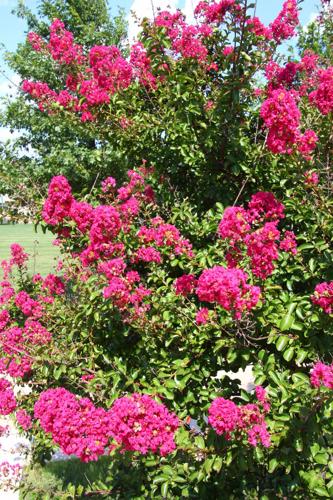
Q: Please tell me how and when to feed and care for crepe myrtle.
A: The crepe myrtle (Lagerstroemia indica) is an interesting woody Asian tree/shrub that grows well throughout the southern US. It does best in a loam/clay soil and needs regular watering.
By this I mean, every 7 to 14 days in the summer to a depth of 24 to 36 inches. In the spring and fall, water every 10 to 21 days and in the winter water every 14 to 21 days.
Fertilization can be done once each spring with a complete fertilizer such as 10-10-10 or you can use organic products such as composted manure. Make sure you water right after you apply the fertilizer.
In any case, a one to two inch layer of bark mulch over the root zone (being careful to keep it away from the trunk) will provide some protection for the roots from hot temperatures and help keep the root zone moist longer.
Some advocate for renovation pruning in the winter (called crepe murder by others) but this is hard on these plants so I recommend minimal pruning to remove dead and broken limbs, crossing and rubbing branches, and shape as needed.
Peter L. Warren is the urban horticulture agent for the Pima County Cooperative Extension and the University of Arizona. Questions may be emailed to
- By Peter L. Warren Special to the Arizona Daily Star
- Updated
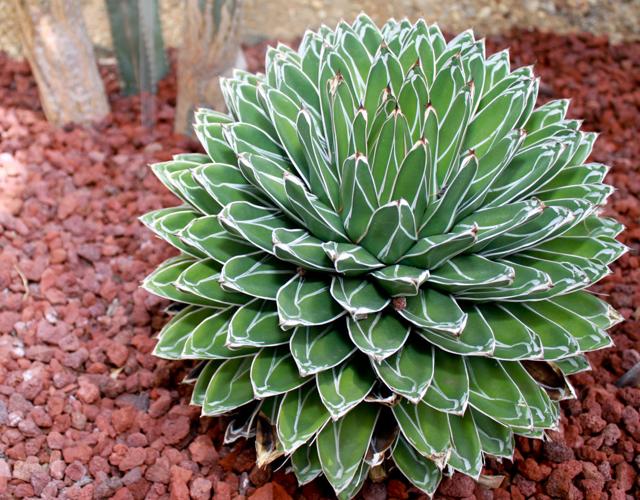
Q: Please tell me the name of this plant. Also if it blooms, will it then die?
A: This is the Queen Victoria agave (Agave victoriae-reginae). According to Greg Starr in his excellent book called “Agaves”, this is a Chihuahuan Desert species. It grows well throughout our area although it doesn’t do as well in the hot sun of the low desert so planting it in a spot with afternoon shade is a good idea. It is a slow growing species and after 20-25 years it will bloom and then die.
Peter L. Warren is the urban horticulture agent for the Pima County Cooperative Extension and the University of Arizona. Questions may be emailed to
- By Peter L. Warren Special to the Arizona Daily Star
- Updated
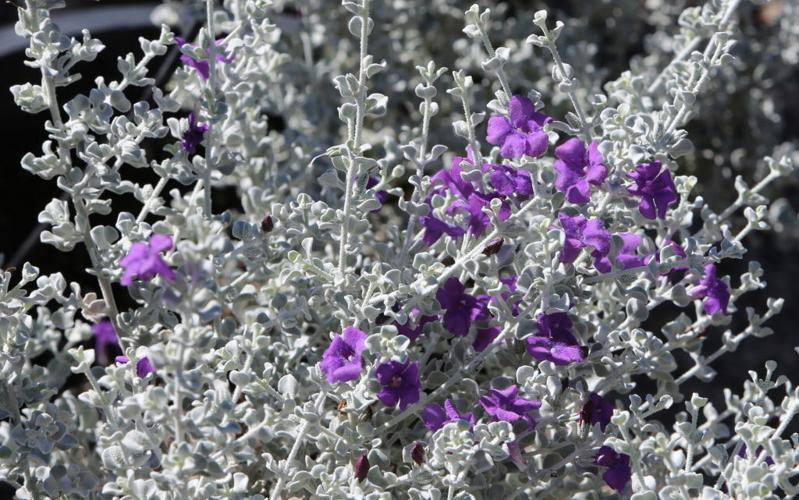
Q: Our HOA of 40-plus years has numerous sheared shrubs and we’re trying to renovate and naturalize as many as we can. I hope you can follow up your tree pruning advice with some on the positive approach of hard pruning or rejuvenating some currently sheared, older and overly large Texas rangers and oleanders.
A: Renovating or rejuvenating older, overly large, or previously sheared shrubs extends the life and improves the aesthetic value of these plants. One method is to cut all stems to about 12-18 inches above the ground.
This is a severe measure and changes the appearance drastically, however, when done in early spring before bud burst, causes a great number of stems to grow just below each cut by mid-summer. At that time, about half of the stems should be removed and the remaining ones should be cut back to different heights.
Varying the height and cutting just above an outward pointing bud will stimulate growth of new branches out of the canopy. According to University of Arizona Horticulture Specialist, Ursula Schuch, this procedure works well for larger fast growing shrubs like Texas ranger and oleander and for slower growing shrubs like hop bush and creosote.
Some shrubs such as cassias, arborvitae, rosemary, and junipers do not respond favorably to this treatment and might die. A less severe approach to rejuvenating shrubs is to remove half or more of the older unproductive branches at the base of the plant or those growing into the canopy. This thins out the plant to a much greater extent than regular maintenance pruning.
Follow-up care requires removing a portion of the new shoots a couple of weeks later, which might be too numerous and result in an overly dense canopy.
A third method of rejuvenation that spans three to four years and is less noticeable requires removing about one third to a quarter of the oldest unproductive branches each year. This method requires thinning excess branches and cutting back the remaining new branches as described before.
A common practice that is not recommended except in the case of formal hedges and topiaries is shearing. Shearing shrubs means cutting back branches to a uniform surface using heading cuts. We see all sorts of examples in our area where shrubs have been sheared to resemble beer can and meatball shapes. It doesn’t just look weird; it’s bad for other reasons.
The maintenance costs for sheared shrubs increases because they require repeat shearing more frequently than they would need regular pruning and they use more water to recover from this harsh treatment. Shearing stresses plants and can result in decline or death.
Peter L. Warren is the urban horticulture agent for the Pima County Cooperative Extension and the University of Arizona. Questions may be emailed to
- By Peter L. Warren Special to the Arizona Daily Star
- Updated
Q: I was in a shopping center yesterday and watched a landscape crew trimming the trees, if trimming is the word for what they were doing. I know little about the subject, but why would they cut so far back? There must be some good reason. We don’t get hurricanes, so that isn’t it.
A: There is no good reason for what was done to those trees. The pruning style is called tree topping and it is simply bad for the trees. Trees require a large leaf surface area to provide food for maintenance and growth.
Topping cuts off a major portion of the food making potential and depletes the stored reserves. While removing most of the buds that would form a normal branch system, topping often stimulates the regrowth of dense, unattractive, upright branches (water sprouts) just below the pruning cut. Water sprout regrowth is vigorous. A topped tree will rapidly return to its original height, but will lack its original form.
The branch wounds left from topping are slow to close, therefore more vulnerable to insect attacks and fungal decay. An invasion by either pest can spread into the trunk, killing the tree. Weakened stubs are more prone to wind and storm breakage because they generally begin to die back or decay.
Increased sun exposure on trunk and branches can lead to severe bark damage. Ugly branch stubs, conspicuous pruning cuts, and a broom-like branch growth replace natural beauty and form.
Topping reduces the real estate value of trees by 20 to 100 percent. A correctly trimmed tree increases in value at each pruning. If tree workers suggest topping, I would hire somebody else. I recommend using ISA Certified Arborists whenever possible to assure that your tree workers have received the proper training and passed an exam on the topics most critical to good tree care.
Peter L. Warren is the urban horticulture agent for the Pima County Cooperative Extension and the University of Arizona. Questions may be emailed to tucsongardensage@gmail.com
- By Peter L. Warren Special to the Arizona Daily Star
- Updated
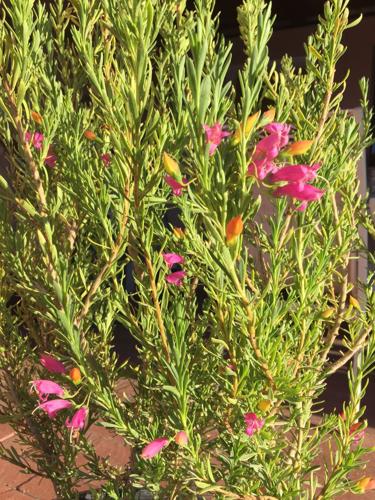
Q: I had an Eremophila racemosa for about three years until last week when it just dried up and died on me. I don’t know what happened. Is there some kind of insect that could have killed my bush? Also I would like to know about removing a stump from a tree that was cut down last year. I remember reading in your Sunday articles about how to remove a stump with some kind of natural items.
A: The emu shrub (Eremophila racemosa) is a desert-adapted plant from Australia. These plants are relatively free of insect pests, so I suspect that lack of water was the cause of its demise. In the summer, it is best to provide water every 7 to 14 days to a depth of 24 to 36 inches. In the spring and fall you can adjust your irrigation to water every 10 to 21 days and in the winter, every 14 to 21 days.
Stumps will naturally degrade in the soil. Depending on the size of the roots and the nature of your soil, it may take years to completely decompose. Fortunately for us, warmer soil temperatures are one factor that speeds up the process.
Other factors than can speed up the process include aerating the soil around the stump, irrigation of the stump as long as the water doesn’t accumulate, adding a small amount of nitrogen fertilizer and a layer of compost will help provide the microorganisms that break down the stump, and drilling holes in and/or scaring the stump and above ground roots provides access to fungi and bacteria that will aid in the process.
Peter L. Warren is the urban horticulture agent for the Pima County Cooperative Extension and the University of Arizona. Questions may be emailed to tucsongardensage@gmail.com
- By Peter L. Warren Special to the Arizona Daily Star
- Updated
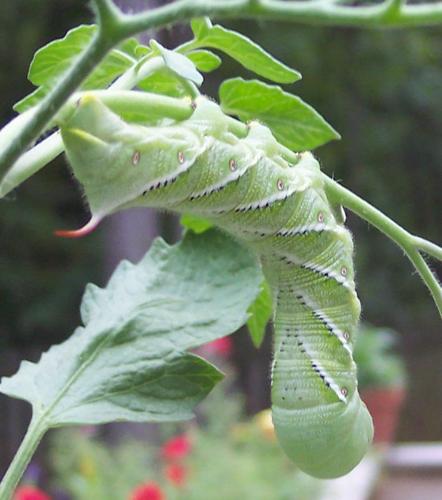
Q: We have several different types of trees in our yard that have for the past three to four years been infiltrated by those large green hornworms. It is a complete puzzle to us where they come from, as we have no tomato plants or vegetable garden of any kind, and also why they keep showing up every year.
My husband has sprayed the trees with a solution that usually causes the worms to fall to the ground and thereby easy to find and dispose of, but why are we having this problem year after year and what can we do to avoid it? The trees we find them in are ash and willow. Any advice you can give would be appreciated.
A: The hornworm caterpillars you are finding are related to the tomato hornworm but not necessarily the same species. Tomato hornworms feed on potato, tobacco, tomato, and other plants in the nightshade family (Solanaceae). Other species of hornworms will feed on other plants such as your trees.
The sphinx or hawk moth family (Sphingidae) to which the hornworms belong includes about 125 species in North America. Around 40 or so of these can be found in Pima County. They are called hornworms due to the conspicuous horn on the back end of their abdomen and that is a clue that helps identify them as members of this family.
The adult moths, which are excellent flyers, lay eggs on their host plants, often at night. These caterpillars are not considered to be pests on trees since trees can handle some defoliation without any adverse affects. The caterpillars are also a good food source for birds so you can leave the pest management to them and save yourself some time and money on the insecticides.
Plus, I am guessing you don’t want the birds to eat caterpillars laced with insecticides. There is no practical way to avoid this situation in the future. You like your trees and the caterpillars have to eat.
Peter L. Warren is the urban horticulture agent for the Pima County Cooperative Extension and the University of Arizona. Questions may be emailed to tucsongardensage@gmail.com
- By Peter L. Warren Special to the Arizona Daily Star
- Updated
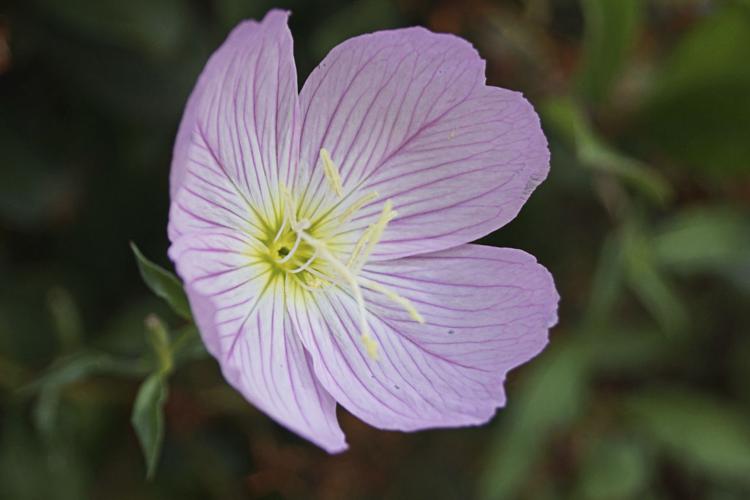
Q: How can I stop the infestation of Mexican primrose into my Bermuda lawn? Not knowing how invasive this plant can be, I placed several on a slope next to a grass area. Plants have now started growing in the grass.
A: Since Mexican primrose is a broadleaf plant, you can either pull it up as you see it or you can use a broadleaf herbicide to keep it out of your lawn area by spot treating where you see it coming up.
There are many broadleaf herbicides available and some are packaged with nonselective chemicals that also kill grass, like glyphosate.
It is important to read the label to make sure you are not also getting something that will kill your lawn and to make sure you understand the safety precautions for applying it.
Peter L. Warren is the urban horticulture agent for the Pima County Cooperative Extension and the University of Arizona. Questions and requests for site visits may be emailed to
- By Peter L. Warren Special to the Arizona Daily Star
- Updated
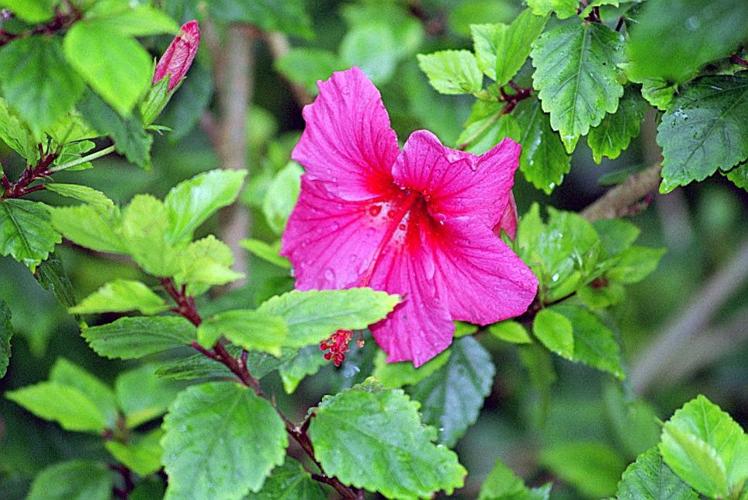
Q: I purchased a Hibiscus rosa-sinensis plant and I wonder if it can go in my front (open) patio. I don’t see many others around here in Green Valley, so I guess the javelina like them.
A: The hibiscus you purchased, sometimes called Chinese or Hawaiian hibiscus, is a tropical variety and would probably be best grown in a container in your neighborhood so that you can bring it indoors during the winter.
They don’t tolerate the temperatures we experience in the cool part of the year. The javelina would probably enjoy it as well, so maybe you maybe you can find an elevated place to put it out of reach or grow it indoors.
Peter L. Warren is the urban horticulture agent for the Pima County Cooperative Extension and the University of Arizona. Questions and requests for site visits may be emailed to
- By Peter L. Warren Special to the Arizona Daily Star
- Updated
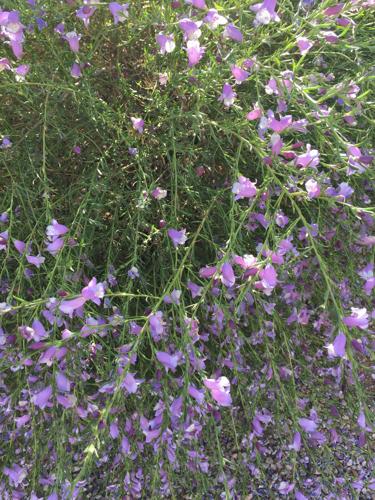
Q: I saw this plant while walking to work on campus. Can you tell me what it is?
A: The plant is called spotted emu bush (Eremophila divaricata). It’s an Australian native in the figwort or Scrophulariaceae family, which also includes the Texas rangers we see around these parts.
These shrubs do well in arid environments and seem to fair better with afternoon shade in our climate. Although they are desert-adapted plants, they do require some water.
Peter L. Warren is the urban horticulture agent for the Pima County Cooperative Extension and the University of Arizona. Questions and requests for site visits may be emailed to
- By Peter L. Warren Special to the Arizona Daily Star
- Updated
Q: We live at 4,000 feet of elevation at the base of the Santa Ritas and have two “rescued” saguaros and one nursery bought.
The biggest is George (pictured). We moved George here in 2010 from a construction excavation site. We have licenses for all three of them. He did great first year then 2011, the winter from hell, arrived. A great deal of his south side froze in the wet, windy, and below-freezing temps we had for four days. He survived the damage and thrived. The side in this picture is facing north toward the Catalinas. Over the past few years, he has become a high rise apartment complex for Gila woodpeckers. This year three additional holes appeared as prior holes are now occupied by European starlings. Now he has six large holes. A month ago this splotchy patch (pictured) appeared on the north side, underneath a rather large hole taken over by the starling family. Is this some kind of fungus or could the tissue be damaged from internal carving of the hole inside and nearby? Never had the starlings before and given George’s height, no way to get rid of them. At least the Gilas return to the same homes every year but this year had to drill more!
A: The splotchy patch appears to be a symptom of bacterial necrosis caused by the bacterium Erwinia cacticida. The initial symptom is typically a small, light-colored spot with a water-soaked margin on the surface of the trunk or branches. Obviously, you are looking out for George because symptoms like that could easily go unnoticed. The tissue under the infection site appears to be showing a brown color and may eventually turn almost black. As the disease progresses, the tissue may crack and exude a dark brown liquid. If decay is slow, the tissue may not show the liquid. Although it’s tempting to blame the invasive European starlings, the bacteria could be transmitted by any number of animals, not to mention wind blowing it in from nearby plants.
If the damage was very small and reachable, I might suggest carving it out. Given the height of George and the spread of the symptoms, it might be best to either call an arborist with the proper equipment to reach that high or just let nature take its course. I can’t tell if there is any danger to people or property from the photo but it would be wise to consider the potential hazard if the problem gets a lot worse.
Peter L. Warren is the urban horticulture agent for the Pima County Cooperative Extension and the University of Arizona. Questions may be emailed to tucsongardensage@gmail.com
- By Peter L. Warren Special to the Arizona Daily Star
Q: I have a royal robe potato bush that when planted last year grew beautifully! I live in Hayden so the plant is in the full sun all day.
This year, however, it is not doing well at all. I believe the reason is that it was hit hard during the winter freeze. I trimmed the branches back to about 10 inches from the roots. Even though the branches are very dry and snap off easily there are actually some green leaves growing on a few of the branches. Should I just dig it up and start over, or wait awhile to see if it comes back to the original beauty I had from the beginning?
A: The royal robe potato bush (Lycianthes rantonnetii or Solanum rantonnetii) is a tropical plant that originated in South America. It grows well in our heat with adequate water but needs a little protection in the winter if temperatures get below freezing. Because potato bushes flower on new wood, prune them in winter before they start to put out new growth. You can prune them as early as they have finished blooming for the year. The golden rule of pruning is never take off more than a third at one time to avoid stressing out the plant. Since yours has new growth showing, you could see how it grows before giving up and starting over.
Peter L. Warren is the urban horticulture agent for the Pima County Cooperative Extension and the University of Arizona. Questions may be emailed to tucsongardensage@gmail.com
- By Peter L. Warren Special to the Arizona Daily Star
Q: We live at 4,000 feet of elevation at the base of the Santa Ritas and have two “rescued” saguaros and one nursery bought.
The biggest is George (pictured). We moved George here in 2010 from a construction excavation site. We have licenses for all three of them. He did great first year then 2011, the winter from hell, arrived. A great deal of his south side froze in the wet, windy, and below-freezing temps we had for four days. He survived the damage and thrived. The side in this picture is facing north toward the Catalinas. Over the past few years, he has become a high rise apartment complex for Gila woodpeckers. This year three additional holes appeared as prior holes are now occupied by European starlings. Now he has six large holes. A month ago this splotchy patch (pictured) appeared on the north side, underneath a rather large hole taken over by the starling family. Is this some kind of fungus or could the tissue be damaged from internal carving of the hole inside and nearby? Never had the starlings before and given George’s height, no way to get rid of them. At least the Gilas return to the same homes every year but this year had to drill more!
A: The splotchy patch appears to be a symptom of bacterial necrosis caused by the bacterium Erwinia cacticida. The initial symptom is typically a small, light-colored spot with a water-soaked margin on the surface of the trunk or branches. Obviously, you are looking out for George because symptoms like that could easily go unnoticed. The tissue under the infection site appears to be showing a brown color and may eventually turn almost black. As the disease progresses, the tissue may crack and exude a dark brown liquid. If decay is slow, the tissue may not show the liquid. Although it’s tempting to blame the invasive European starlings, the bacteria could be transmitted by any number of animals, not to mention wind blowing it in from nearby plants.
If the damage was very small and reachable, I might suggest carving it out. Given the height of George and the spread of the symptoms, it might be best to either call an arborist with the proper equipment to reach that high or just let nature take its course. I can’t tell if there is any danger to people or property from the photo but it would be wise to consider the potential hazard if the problem gets a lot worse.
Peter L. Warren is the urban horticulture agent for the Pima County Cooperative Extension and the University of Arizona. Questions may be emailed to tucsongardensage@gmail.com
- By Peter L. Warren Special to the Arizona Daily Star
Q: We just installed five viga posts on our back patio. Two of them are where I could plant a vine in the ground; the other three need to be in a pot. Height to the patio roof is about 11 feet. Looking for something I can train to grow up and around the post, but the kind that cling. The area gets morning sun until about 11:30 a.m. and then shade the rest of the day. Flowering, thornless and non-deciduous would be ideal. Would also like to find a vine that I might be able to use along our retaining wall, specifically in the sections that have an iron railing between the stucco posts. This would be full sun most of the day and the height of the iron fence is about 6 feet.
Answer: My first thought is star jasmine because I have it growing at my house and it’s flowering now. It does well in part shade and produces very fragrant flowers in the spring. For the retaining wall, you might consider cat’s claw. This vine loves full sun and will cover a sturdy wall. These are fast growing and need to be managed but most vines are that way to some extent. There are other vines to choose from; search for options at az1606.pdf
Peter L. Warren is the urban horticulture agent for the Pima County Cooperative Extension and the University of Arizona. Questions may be emailed to
- By Peter L. Warren Special to the Arizona Daily Star
Q: Thanks for the bug lesson last weekend at the Jewish Community Center. Thanks to you, I was able to identify lace bugs on our sunflowers (you predicted they would show up) and I mitigated with blue Dawn. While there, I noticed that our Japanese eggplant have something going on with them. Are you able to help out based on the two images I am including? No insects were visible.
A: Flea beetles are eating your eggplant leaves. They are tiny and hard to see, and they tend to jump like fleas when they sense danger. They are one of the most difficult-to-manage pests of eggplant and cole crops. They are also a problem on seedlings of tomatoes, potatoes, peppers, turnips, radishes and corn. There are various species of flea beetles, all members of the Chrysomelidae family. The adults are active leaf-feeders that can, in large numbers, rapidly defoliate and kill plants. You are seeing the symptoms of adult flea beetle feeding: small, rounded, irregular holes that make leaves look as if they had been peppered with fine shot. Additional damage may be done by the larvae, which feed on plant roots. Some flea beetles are considered general feeders, though many species attack only one plant or closely related kinds of plants. Because of this you can sometimes use anther crop to lure them away. For example, radishes are sometimes preferred over eggplant. Another tactic is to put yellow sticky traps near your plants to attract and capture these insects. Organic products that have some effectiveness are insecticidal soap and neem oil. Pyrethrin products such as Pyganic as well as hot pepper wax and rotenone are reported to be better.
No matter what you choose, the most important things to do are spray them early in the season before they do too much damage to young plants and read the label before you use these products so you are aware of safety precautions for using them.
Peter L. Warren is the urban horticulture agent for the Pima County Cooperative Extension and the University of Arizona. Questions may be emailed to
- By Peter L. Warren Special to the Arizona Daily Star
Q: I live in Barrio Santa Rosa and have two massive Aleppos that were planted on my property in the early 1950s. I have noticed recently that many of the lower branches on one of the trees are dying. I am seeing brown needles throughout the tree, but not a lot. These trees have defined our property and it looks like they may have fallen victim to the bark beetle. One of the trees looks fine; the other I can see a dozen of the lowest limbs dead. This one has brown leaves sporadically throughout, but mostly at the bottom, not at the crown.
I have had the entire property on drip for 15 years or more, so I always considered them adequately watered. Also, the gutters from the roof drain into this part of the yard. Any advice you can give me would be greatly appreciated. What I’d really like to hear you say is that they just need a bit more water!
A: Your trees don’t appear to be infested with bark beetles from the photos. The holes look like woodpecker damage and the dead branches in the crown of the tree are normal as the trees age. It would be good to hire an arborist to climb the trees and cut out the dead and damaged branches both to clean it up and also to prevent dead limbs from falling and hurting you or damaging your property. Watering these large trees is difficult because the root zones extend two to three times the height of the tree. You are likely not getting water to the absorbing roots at the end by using a hose. The best you can do is drip irrigation with emitters arranged in a circular fashion outside the drip line of the tree. The schedule for watering should be every seven to 14 days in the summer, every 10 to 21 days in the spring and summer, and every 14 to 21 days in the winter. The water should reach a depth of 24 to 36 inches each time and you can use a soil probe to determine how deep the water is going. So it’s not time to give up
Peter L. Warren is the urban horticulture agent for the Pima County Cooperative Extension and the University of Arizona. Questions may be emailed to
- By Peter L. Warren Special to the Arizona Daily Star
Q: I have Sago and Fan palms with shoots growing out from the base of the plant. Can I remove the shoots and replant them elsewhere? If so, how do I go about removing the shoots?
A: The Sago (Cycas revoluta) is not a true palm, but a cycad. It produces offshoots, sometimes called pups, at the base of the plants. They can be separated using a trowel and transplanted to another location after letting them dry for week or so to seal up the wound.
You might start them in a container in the shade or put some shade cloth over them until they are established if you plant them in the ground. The fan palm shoots are likely growing from seed that fell from nearby trees. These small plants can be moved to other locations by digging them up with the roots and replanting. They typically have small and shallow root systems so it shouldn’t be much trouble while they are young.
Peter L. Warren is the urban horticulture agent for the Pima County Cooperative Extension and the University of Arizona. Questions may be emailed to
- By Peter L. Warren Special to the Arizona Daily Star
Q: Please tell me how and when to feed and care for crepe myrtle.
A: The crepe myrtle (Lagerstroemia indica) is an interesting woody Asian tree/shrub that grows well throughout the southern US. It does best in a loam/clay soil and needs regular watering.
By this I mean, every 7 to 14 days in the summer to a depth of 24 to 36 inches. In the spring and fall, water every 10 to 21 days and in the winter water every 14 to 21 days.
Fertilization can be done once each spring with a complete fertilizer such as 10-10-10 or you can use organic products such as composted manure. Make sure you water right after you apply the fertilizer.
In any case, a one to two inch layer of bark mulch over the root zone (being careful to keep it away from the trunk) will provide some protection for the roots from hot temperatures and help keep the root zone moist longer.
Some advocate for renovation pruning in the winter (called crepe murder by others) but this is hard on these plants so I recommend minimal pruning to remove dead and broken limbs, crossing and rubbing branches, and shape as needed.
Peter L. Warren is the urban horticulture agent for the Pima County Cooperative Extension and the University of Arizona. Questions may be emailed to
- By Peter L. Warren Special to the Arizona Daily Star
Q: Please tell me the name of this plant. Also if it blooms, will it then die?
A: This is the Queen Victoria agave (Agave victoriae-reginae). According to Greg Starr in his excellent book called “Agaves”, this is a Chihuahuan Desert species. It grows well throughout our area although it doesn’t do as well in the hot sun of the low desert so planting it in a spot with afternoon shade is a good idea. It is a slow growing species and after 20-25 years it will bloom and then die.
Peter L. Warren is the urban horticulture agent for the Pima County Cooperative Extension and the University of Arizona. Questions may be emailed to
- By Peter L. Warren Special to the Arizona Daily Star
Q: Our HOA of 40-plus years has numerous sheared shrubs and we’re trying to renovate and naturalize as many as we can. I hope you can follow up your tree pruning advice with some on the positive approach of hard pruning or rejuvenating some currently sheared, older and overly large Texas rangers and oleanders.
A: Renovating or rejuvenating older, overly large, or previously sheared shrubs extends the life and improves the aesthetic value of these plants. One method is to cut all stems to about 12-18 inches above the ground.
This is a severe measure and changes the appearance drastically, however, when done in early spring before bud burst, causes a great number of stems to grow just below each cut by mid-summer. At that time, about half of the stems should be removed and the remaining ones should be cut back to different heights.
Varying the height and cutting just above an outward pointing bud will stimulate growth of new branches out of the canopy. According to University of Arizona Horticulture Specialist, Ursula Schuch, this procedure works well for larger fast growing shrubs like Texas ranger and oleander and for slower growing shrubs like hop bush and creosote.
Some shrubs such as cassias, arborvitae, rosemary, and junipers do not respond favorably to this treatment and might die. A less severe approach to rejuvenating shrubs is to remove half or more of the older unproductive branches at the base of the plant or those growing into the canopy. This thins out the plant to a much greater extent than regular maintenance pruning.
Follow-up care requires removing a portion of the new shoots a couple of weeks later, which might be too numerous and result in an overly dense canopy.
A third method of rejuvenation that spans three to four years and is less noticeable requires removing about one third to a quarter of the oldest unproductive branches each year. This method requires thinning excess branches and cutting back the remaining new branches as described before.
A common practice that is not recommended except in the case of formal hedges and topiaries is shearing. Shearing shrubs means cutting back branches to a uniform surface using heading cuts. We see all sorts of examples in our area where shrubs have been sheared to resemble beer can and meatball shapes. It doesn’t just look weird; it’s bad for other reasons.
The maintenance costs for sheared shrubs increases because they require repeat shearing more frequently than they would need regular pruning and they use more water to recover from this harsh treatment. Shearing stresses plants and can result in decline or death.
Peter L. Warren is the urban horticulture agent for the Pima County Cooperative Extension and the University of Arizona. Questions may be emailed to
- By Peter L. Warren Special to the Arizona Daily Star
Q: I was in a shopping center yesterday and watched a landscape crew trimming the trees, if trimming is the word for what they were doing. I know little about the subject, but why would they cut so far back? There must be some good reason. We don’t get hurricanes, so that isn’t it.
A: There is no good reason for what was done to those trees. The pruning style is called tree topping and it is simply bad for the trees. Trees require a large leaf surface area to provide food for maintenance and growth.
Topping cuts off a major portion of the food making potential and depletes the stored reserves. While removing most of the buds that would form a normal branch system, topping often stimulates the regrowth of dense, unattractive, upright branches (water sprouts) just below the pruning cut. Water sprout regrowth is vigorous. A topped tree will rapidly return to its original height, but will lack its original form.
The branch wounds left from topping are slow to close, therefore more vulnerable to insect attacks and fungal decay. An invasion by either pest can spread into the trunk, killing the tree. Weakened stubs are more prone to wind and storm breakage because they generally begin to die back or decay.
Increased sun exposure on trunk and branches can lead to severe bark damage. Ugly branch stubs, conspicuous pruning cuts, and a broom-like branch growth replace natural beauty and form.
Topping reduces the real estate value of trees by 20 to 100 percent. A correctly trimmed tree increases in value at each pruning. If tree workers suggest topping, I would hire somebody else. I recommend using ISA Certified Arborists whenever possible to assure that your tree workers have received the proper training and passed an exam on the topics most critical to good tree care.
Peter L. Warren is the urban horticulture agent for the Pima County Cooperative Extension and the University of Arizona. Questions may be emailed to tucsongardensage@gmail.com
- By Peter L. Warren Special to the Arizona Daily Star
Q: I had an Eremophila racemosa for about three years until last week when it just dried up and died on me. I don’t know what happened. Is there some kind of insect that could have killed my bush? Also I would like to know about removing a stump from a tree that was cut down last year. I remember reading in your Sunday articles about how to remove a stump with some kind of natural items.
A: The emu shrub (Eremophila racemosa) is a desert-adapted plant from Australia. These plants are relatively free of insect pests, so I suspect that lack of water was the cause of its demise. In the summer, it is best to provide water every 7 to 14 days to a depth of 24 to 36 inches. In the spring and fall you can adjust your irrigation to water every 10 to 21 days and in the winter, every 14 to 21 days.
Stumps will naturally degrade in the soil. Depending on the size of the roots and the nature of your soil, it may take years to completely decompose. Fortunately for us, warmer soil temperatures are one factor that speeds up the process.
Other factors than can speed up the process include aerating the soil around the stump, irrigation of the stump as long as the water doesn’t accumulate, adding a small amount of nitrogen fertilizer and a layer of compost will help provide the microorganisms that break down the stump, and drilling holes in and/or scaring the stump and above ground roots provides access to fungi and bacteria that will aid in the process.
Peter L. Warren is the urban horticulture agent for the Pima County Cooperative Extension and the University of Arizona. Questions may be emailed to tucsongardensage@gmail.com
- By Peter L. Warren Special to the Arizona Daily Star
Q: We have several different types of trees in our yard that have for the past three to four years been infiltrated by those large green hornworms. It is a complete puzzle to us where they come from, as we have no tomato plants or vegetable garden of any kind, and also why they keep showing up every year.
My husband has sprayed the trees with a solution that usually causes the worms to fall to the ground and thereby easy to find and dispose of, but why are we having this problem year after year and what can we do to avoid it? The trees we find them in are ash and willow. Any advice you can give would be appreciated.
A: The hornworm caterpillars you are finding are related to the tomato hornworm but not necessarily the same species. Tomato hornworms feed on potato, tobacco, tomato, and other plants in the nightshade family (Solanaceae). Other species of hornworms will feed on other plants such as your trees.
The sphinx or hawk moth family (Sphingidae) to which the hornworms belong includes about 125 species in North America. Around 40 or so of these can be found in Pima County. They are called hornworms due to the conspicuous horn on the back end of their abdomen and that is a clue that helps identify them as members of this family.
The adult moths, which are excellent flyers, lay eggs on their host plants, often at night. These caterpillars are not considered to be pests on trees since trees can handle some defoliation without any adverse affects. The caterpillars are also a good food source for birds so you can leave the pest management to them and save yourself some time and money on the insecticides.
Plus, I am guessing you don’t want the birds to eat caterpillars laced with insecticides. There is no practical way to avoid this situation in the future. You like your trees and the caterpillars have to eat.
Peter L. Warren is the urban horticulture agent for the Pima County Cooperative Extension and the University of Arizona. Questions may be emailed to tucsongardensage@gmail.com
- By Peter L. Warren Special to the Arizona Daily Star
Q: How can I stop the infestation of Mexican primrose into my Bermuda lawn? Not knowing how invasive this plant can be, I placed several on a slope next to a grass area. Plants have now started growing in the grass.
A: Since Mexican primrose is a broadleaf plant, you can either pull it up as you see it or you can use a broadleaf herbicide to keep it out of your lawn area by spot treating where you see it coming up.
There are many broadleaf herbicides available and some are packaged with nonselective chemicals that also kill grass, like glyphosate.
It is important to read the label to make sure you are not also getting something that will kill your lawn and to make sure you understand the safety precautions for applying it.
Peter L. Warren is the urban horticulture agent for the Pima County Cooperative Extension and the University of Arizona. Questions and requests for site visits may be emailed to
- By Peter L. Warren Special to the Arizona Daily Star
Q: I purchased a Hibiscus rosa-sinensis plant and I wonder if it can go in my front (open) patio. I don’t see many others around here in Green Valley, so I guess the javelina like them.
A: The hibiscus you purchased, sometimes called Chinese or Hawaiian hibiscus, is a tropical variety and would probably be best grown in a container in your neighborhood so that you can bring it indoors during the winter.
They don’t tolerate the temperatures we experience in the cool part of the year. The javelina would probably enjoy it as well, so maybe you maybe you can find an elevated place to put it out of reach or grow it indoors.
Peter L. Warren is the urban horticulture agent for the Pima County Cooperative Extension and the University of Arizona. Questions and requests for site visits may be emailed to
- By Peter L. Warren Special to the Arizona Daily Star
Q: I saw this plant while walking to work on campus. Can you tell me what it is?
A: The plant is called spotted emu bush (Eremophila divaricata). It’s an Australian native in the figwort or Scrophulariaceae family, which also includes the Texas rangers we see around these parts.
These shrubs do well in arid environments and seem to fair better with afternoon shade in our climate. Although they are desert-adapted plants, they do require some water.
Peter L. Warren is the urban horticulture agent for the Pima County Cooperative Extension and the University of Arizona. Questions and requests for site visits may be emailed to
- By Peter L. Warren Special to the Arizona Daily Star
Q: We live at 4,000 feet of elevation at the base of the Santa Ritas and have two “rescued” saguaros and one nursery bought.
The biggest is George (pictured). We moved George here in 2010 from a construction excavation site. We have licenses for all three of them. He did great first year then 2011, the winter from hell, arrived. A great deal of his south side froze in the wet, windy, and below-freezing temps we had for four days. He survived the damage and thrived. The side in this picture is facing north toward the Catalinas. Over the past few years, he has become a high rise apartment complex for Gila woodpeckers. This year three additional holes appeared as prior holes are now occupied by European starlings. Now he has six large holes. A month ago this splotchy patch (pictured) appeared on the north side, underneath a rather large hole taken over by the starling family. Is this some kind of fungus or could the tissue be damaged from internal carving of the hole inside and nearby? Never had the starlings before and given George’s height, no way to get rid of them. At least the Gilas return to the same homes every year but this year had to drill more!
A: The splotchy patch appears to be a symptom of bacterial necrosis caused by the bacterium Erwinia cacticida. The initial symptom is typically a small, light-colored spot with a water-soaked margin on the surface of the trunk or branches. Obviously, you are looking out for George because symptoms like that could easily go unnoticed. The tissue under the infection site appears to be showing a brown color and may eventually turn almost black. As the disease progresses, the tissue may crack and exude a dark brown liquid. If decay is slow, the tissue may not show the liquid. Although it’s tempting to blame the invasive European starlings, the bacteria could be transmitted by any number of animals, not to mention wind blowing it in from nearby plants.
If the damage was very small and reachable, I might suggest carving it out. Given the height of George and the spread of the symptoms, it might be best to either call an arborist with the proper equipment to reach that high or just let nature take its course. I can’t tell if there is any danger to people or property from the photo but it would be wise to consider the potential hazard if the problem gets a lot worse.
Peter L. Warren is the urban horticulture agent for the Pima County Cooperative Extension and the University of Arizona. Questions may be emailed to tucsongardensage@gmail.com
Tags


View this profile on Instagram#ThisIsTucson 🌵 (@this_is_tucson) • Instagram photos and videos
Most viewed stories
-
Conservation park for endangered animal could open south of Tucson
-
Surprise! Wildflower season is starting early. Here's where to find the best blooms 🌼
-
43 events you won't want to miss, February 20-22! 🤠🐎
-
Jamie vs. Sonoran dogs: Follow me as I take on Visit Tucson's Sonoran Dog Trail 🌭
-
Over 60 fun events happening in Tucson in February 💖🐎
-
New owner saves Tucson's oldest bookstore from closing
-
A new chapter: Crossroads Restaurant is back open after fire