

Strip roof to wood; building code violations; tile or laminate?
- Updated
Get tips on making fixes around the house.
- By Rosie Romero Special to the Arizona Daily Star
- Updated
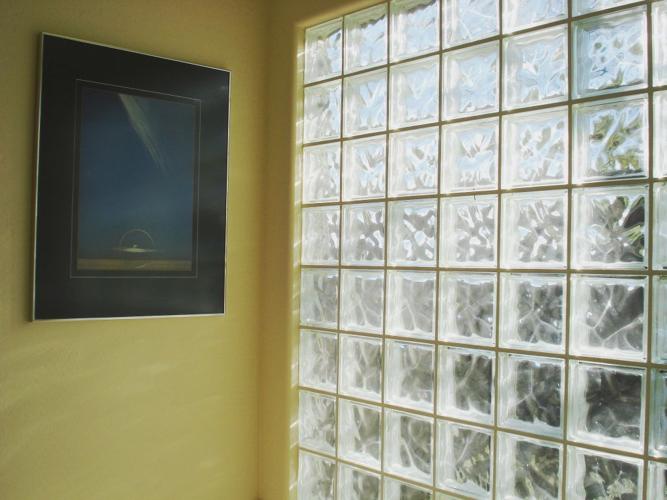
Q: My master bath shower has a “snail” entry with glass blocks comprising two sides of the entry. A few of the glass blocks on the bottom row have gotten mold or mildew in them. Since the glass blocks are sealed, how do I get at the mold in order to clean it out? How did it get in there to begin with?
A: If the mildew is indeed inside the block itself and not in the surrounding mortar, the block has likely lost its seal and would need to be removed and replaced as there is no way to gain entry to the interior of the block to disinfect and reseal it.
If the mildew is in the surrounding mortar joints, the mortar will need to be scraped out, the area thoroughly disinfected then re-mortared. After the mortar cures, it will require a couple coats of a good silicone sealer to protect it.
We’ve seen a lot of glass block shower enclosures with moldy mortar around the blocks, but can’t say we’ve ever seen a block with the mold on the inside of the block itself. They’re typically pretty tightly sealed at the factory. So take a good look at the area because what you may be seeing is the mold in the mortar as seen through the edge of the block, not inside the block itself.
These repairs are not the normal DIY kind of project and should be done by a licensed tile installation company that uses glass block in the normal course of their shower tile work, or a good masonry contractor familiar with this situation as an alternative. Glass blocks are very durable, but if not dealt with carefully, they can break and cause flying glass particles, so this kind of repair is not something we recommend homeowners undertake.
For more do-it-yourself tips, go to rosieonthehouse.com. An Arizona home building and remodeling industry expert for 25 years, Rosie Romero is the host of the syndicated Saturday morning Rosie on the House radio program, heard locally from 8-11 a.m. on KNST-AM (790) in Tucson and KGVY-AM (1080) and -FM (100.7) in Green Valley. Call 888-767-4348.
- By Rosie Romero Special to the Arizona Daily Star
- Updated
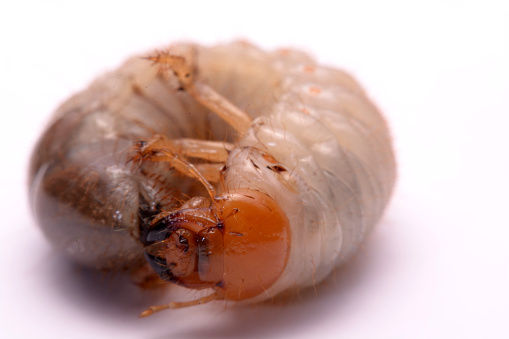
Q: I have a major grub problem in my yard. My flowers always die and when I pull them out of the ground, I always find lots of grubs among the roots. I had been using beneficial nematodes but they haven’t helped. How can I get rid of the grubs without using poison?
A: You can try mixing diatomaceous earth into the soil of your garden. Diatomaceous earth contains the tiny remains of diatoms, a type of hard-shelled algae.
If that doesn’t work, try solarizing your flower bed. In that process you remove the plants from the bed, till the soil, and then water heavily to two feet down. Then spread clear plastic over the soil. Weight down the plastic to keep it in place. Leave the plastic over the area all summer, and by fall, the grubs should be gone.
For more do-it-yourself tips, go to rosieonthehouse.com. An Arizona home building and remodeling industry expert for 25 years, Rosie Romero is the host of the syndicated Saturday morning Rosie on the House radio program, heard locally from 8-11 a.m. on KNST-AM (790) in Tucson and KGVY-AM (1080) and -FM (100.7) in Green Valley. Call 888-767-4348.
- By Rosie Romero Special to the Arizona Daily Star
- Updated
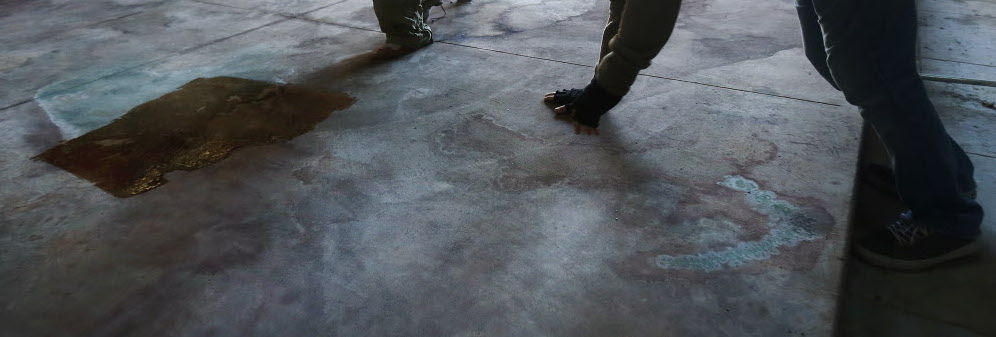
Q: I want to put an addition on my garage in order to put in a workroom plus extra storage space. There is an existing concrete slab next to the house where I could do the addition. What are some of the big issues involved?
A: You need to check with the city to make sure that you don’t violate any setbacks for your property. You may need to pour new concrete over the old in order to bring the slab up to the height of the current garage. This can be a very complicated process, however, so you want a licensed contractor to do this part of the project.
You’re also going to have to cut into the slab to put in the bearing footings to hold up the addition. You also have to address any drainage problems due to the extra water draining off the new roofing.
- By Rosie Romero Special to the Arizona Daily Star
- Updated
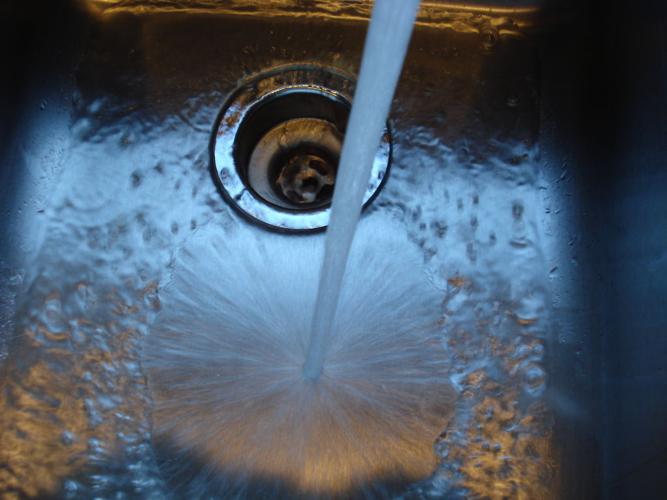
Q: People sometimes tell me that if you fill a big container with water and use it once a month to flush your toilet, you’ll never have clogged plumbing. Is that true or is it some kind of urban legend?
A: That technique is probably not all that beneficial for toilets, though it can’t hurt to try it. But flushing out lines with extra water can sometimes help improve drainage in kitchen plumbing, especially in homes of snowbirds who are not living in a house all year round.
If you’re worried about your toilets not flushing properly, you can check inside the tank to be sure that the water is reaching the proper level. If it isn’t, you might want to replace some of the equipment in the tank.
For more do-it-yourself tips, go to rosieonthehouse.com. An Arizona home building and remodeling industry expert for 25 years, Rosie Romero is the host of the syndicated Saturday morning Rosie on the House radio program, heard locally from 8-11 a.m. on KNST-AM (790) in Tucson and KGVY-AM (1080) and -FM (100.7) in Green Valley. Call 888-767-4348.
- By Rosie Romero Special to the Arizona Daily Star
- Updated
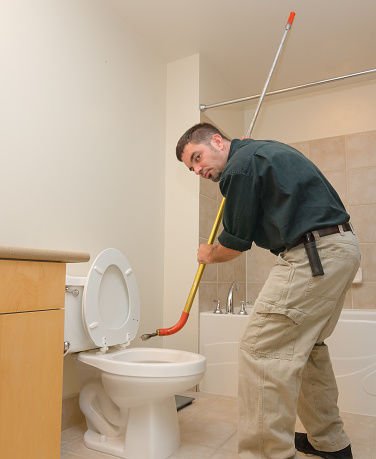
Q: I have a rental property where a toilet seems to be clogged off and on. Is this the kind of repair that I can do by myself?
A: You can buy an auger at a hardware store for about $15 and run it through the trap in the toilet to see if that works. Maybe something is caught in the trap — like a child’s toy. If that doesn’t help, you might need to call a plumber.
For more do-it-yourself tips, go to rosieonthehouse.com. An Arizona home building and remodeling industry expert for 25 years, Rosie Romero is the host of the syndicated Saturday morning Rosie on the House radio program, heard locally from 8-11 a.m. on KNST-AM (790) in Tucson and KGVY-AM (1080) and -FM (100.7) in Green Valley. Call 888-767-4348.

- By Rosie Romero Special to the Arizona Daily Star
- Updated
Q: There’s a gas water heater inside my house, but it creates too much heat and I want to move the heater out of the house to the garage. But should I use PEX or copper lines for the job?
A: When it’s not a challenge to run copper lines, it’s best to use copper. But PEX is a good alternative. If you ask plumbers which type of piping they prefer, half of them will say copper and the other half will choose PEX. The letters P-E-X stand for crosslinked polyethylene. PEX is generally lower cost and requires fewer fittings than rigid pipes. It also does not require soldering so the risk of fire is eliminated. But PEX isn’t really a do-it-yourself product; special tools and training are needed before you can use it.
For more do-it-yourself tips, go to rosieonthehouse.com. An Arizona home building and remodeling industry expert for 25 years, Rosie Romero is the host of the syndicated Saturday morning Rosie on the House radio program, heard locally from 8-11 a.m. on KNST-AM (790) in Tucson and KGVY-AM (1080) and -FM (100.7) in Green Valley. Call 888-767-4348.
- By Rosie Romero Special to the Arizona Daily Star
- Updated
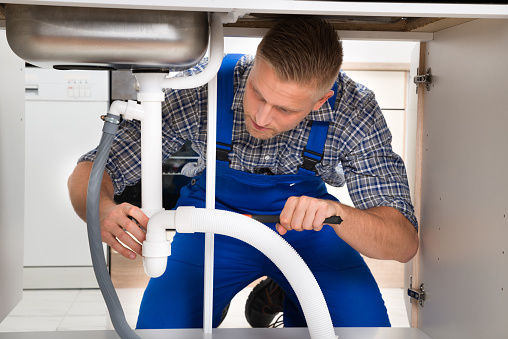
Q: I want to remodel my kitchen, and part of my plan is to move the sink to another wall about 20 feet away. Can I move the water line without too much trouble?
A: Moving the water line is the easy part. You can easily move it to another wall. The hard part is moving the drain.
Most of the time you have to saw-cut the floor in order to run the drain line to where the new sink will be located. It won’t be too hard though if the new sink location is on an outside wall. Then you can often find the drain line in the yard and can run a new connection up to the wall where the new sink will be.
For more do-it-yourself tips, go to rosieonthehouse.com. An Arizona home building and remodeling industry expert for 25 years, Rosie Romero is the host of the syndicated Saturday morning Rosie on the House radio program, heard locally from 8-11 a.m. on KNST-AM (790) in Tucson and KGVY-AM (1080) and -FM (100.7) in Green Valley. Call 888-767-4348.
- By Rosie Romero Special to the Arizona Daily Star
- Updated
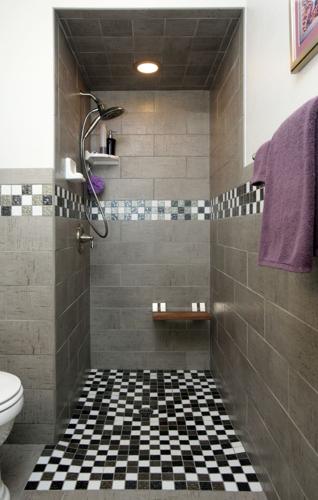
Q: I live in a 15-year-old house where the master bath shower only produces hot water if you first turn on the cold water in the bathtub and let it run for a little while. It’s always been a problem since we bought the house nine months ago, but now it seems to be getting worse.
A: If you get plenty of hot water coming out of other faucets in the house, then there is probably something wrong with the valve pressure in your shower. It’s possible to fix this type of problem yourself if an O-ring or washer has worn out. You need to shut off the water and pull the valve cover plate to see what’s going on underneath.
Take a photo of the area and take it to a plumbing supply house to show to them. They may be able to tell you what to do next and what parts you will need. Take note of the brand of the valve so the store clerk will know what you have.
- By Rosie Romero Special to the Arizona Daily Star
- Updated
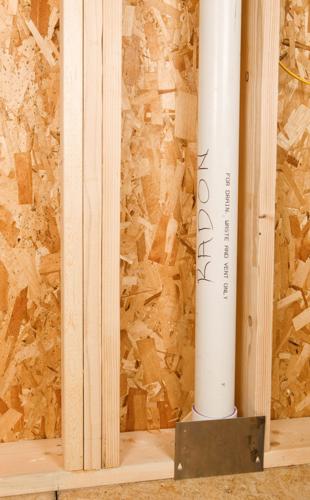
Q: We’re thinking of building a house on a lot near an old capped landfill. The landfill is about 600 feet away from the site. Is there any increased risk of radon in this house because of the landfill? And can we test the site for radon exposure before we build?
A: It doesn’t seem like there would be much risk of radon exposure, but there is no way of knowing for sure before you build. You have to wait until the home is finished to do a test. However, as you build the house, you can install a passive piping system in the walls that would be there later if you detect radon. The pipes would be there, but you wouldn’t install the fans on the roof unless you come up with positive radon readings later. The plastic pipes would not cost a great deal to install as you build.
For more do-it-yourself tips, go to rosieonthehouse.com. An Arizona home-building and remodeling industry expert for 25 years, Rosie Romero is the host of the syndicated Saturday morning Rosie on the House radio program, heard locally from 8-11 a.m. on KNST-AM (790) in Tucson and KGVY-AM (1080) and -FM (100.7) in Green Valley. Call 888-767-4348.
- By Rosie Romero Special to the Arizona Daily Star
- Updated
Q: Recently, we had a lot of water come flooding up through our bathroom drains and toilets. Plumbers came out and ran a device through the drains twice to cut out all the tree roots that were blocking the pipes. Once that was done, they ran a camera through the line and determined that the pipe was clear way out to the street. But just inside the city pipe line, tree roots were blocking the pipe. It’s possible that those were from one of our trees, but are we responsible for cleaning the city line, too?
A: Finding a solution to this problem will probably rest on your shoulders, not the city’s. You need to meet with the city to discuss the situation and any regular maintenance that needs to be done. Perhaps you will need to remove one of your trees as well. The problem is that the roots that were cut will be a continuing problem. The cutting can just make the roots grow faster.
- By Rosie Romero Special to the Arizona Daily Star
- Updated
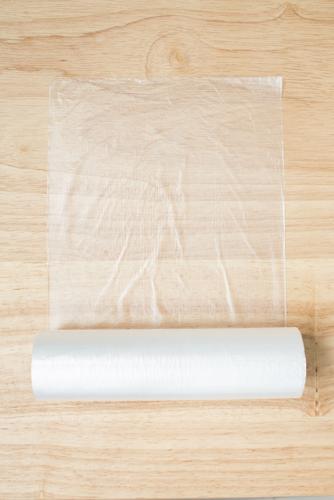
Q: I have an older concrete block home and on some walls inside the house, I often find condensation building up on exterior walls. I want to find the source of the moisture and I can’t seem to locate it. Moisture is not running down the walls onto the floor and there are no plants next to the wall outside that are being irrigated. What do I do next to find the problem?
A: Get several large pieces of kitchen-style plastic wrap and duct tape them to the walls in a few locations where this moisture problem seems to be happening. See if you find moisture on just one wall or more walls. Once you find out the location of your problem, you will have to concentrate your investigation on that area of the house. You may need to do what they call “out-sulation” to prevent moisture from getting through the problem walls.
For more do-it-yourself tips, go to rosieonthehouse.com. An Arizona home-building and remodeling industry expert for 25 years, Rosie Romero is the host of the syndicated Saturday morning Rosie on the House radio program, heard locally from 8-11 a.m. on KNST-AM (790) in Tucson and KGVY-AM (1080) and -FM (100.7) in Green Valley. Call 888-767-4348.
- By Rosie Romero Special to the Arizona Daily Star
- Updated
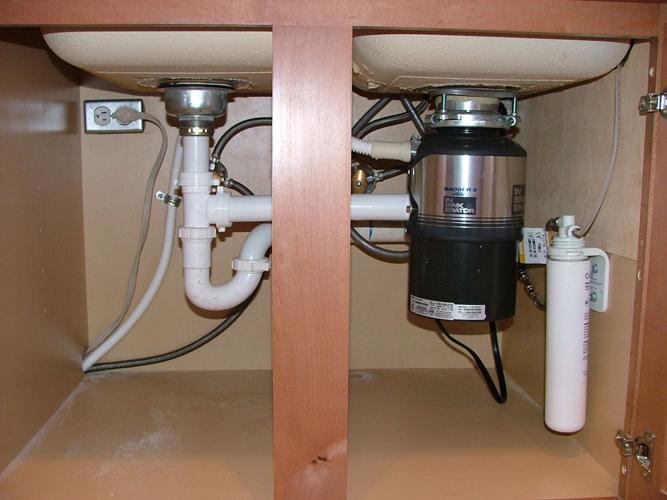
Q: I have trouble getting full pressure at my kitchen sink when I use the spray hose to clean off dishes. In fact, I have a lot of problems with getting full water pressure in my kitchen at all. It takes forever to fill the ice maker with water. It was bad when I moved into my house five years ago, but it seems to be getting worse and worse. My house was built in 2003.
A: It’s possible that some debris got stuck in your pipeline when your home was built. You might try removing the faucet and blowing it out to see if that helps. You could also turn off the emergency valves under the sink, take off the water supply lines, and flush them out into a large bucket. When you replace the lines, turn them on again very slowly. The worst possibility is that a construction worker might have crimped the line during installation. In that case, you will probably need the help of a plumber.
For more do-it-yourself tips, go to rosieonthehouse.com. An Arizona home-building and remodeling industry expert for 25 years, Rosie Romero is the host of the syndicated Saturday morning Rosie on the House radio program, heard locally from 8-11 a.m. on KNST-AM (790) in Tucson and KGVY-AM (1080) and -FM (100.7) in Green Valley. Call 888-767-4348.
- By Rosie Romero Special to the Arizona Daily Star
- Updated
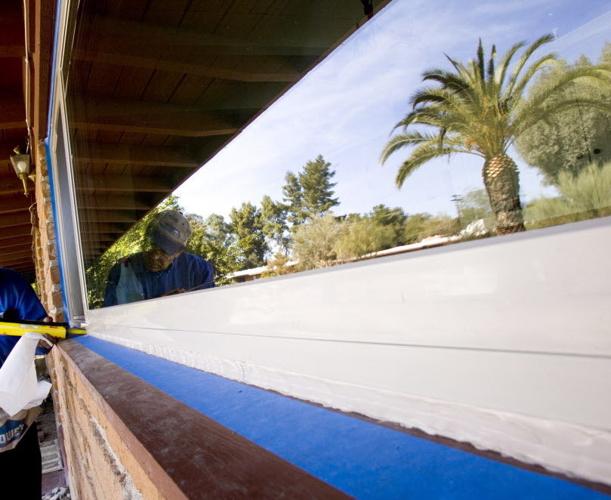
Q: I replaced my windows in the early 1990s with dual-pane windows that are still under warranty. The windows have argon gas between the panes and vinyl on the outside of the frames. Now the putty and vinyl are starting to disintegrate. What should I do?
A: Contact the manufacturer to see if they’ll live up to their warranty. However, I have to add that vinyl windows are not a favorite of mine for use in our desert climate.
My preference is wood with aluminum cladding on the outside. Vinyl windows have improved greatly over the years, however, and the latest models may perform more efficiently than those manufactured 10 to 20 years ago.
For more do-it-yourself tips, go to rosieonthehouse.com. An Arizona home building and remodeling industry expert for 25 years, Rosie Romero is the host of the syndicated Saturday morning Rosie on the House radio program, heard locally from 8-11 a.m. on KNST-AM (790) in Tucson and KGVY-AM (1080) and -FM (100.7) in Green Valley. Call 888-767-4348.

- By Rosie Romero Special to the Arizona Daily Star
- Updated
Q: I have a gas clothes dryer that was having a problem drying clothes – possibly because lint was building up in the unit and the vent. We tried to clean out the vent tube in the wall and filled up an entire shop vacuum with the lint debris. But then my husband went up on the roof to clean out the vent opening up there, but he couldn’t find the outdoor end of the vent. Where in the world is it?
A: It’s possible that your dryer vent ends up in your attic somewhere. It’s against code to do that when you install a dryer. But workers take that dubious shortcut all the time.
It might be hard to find in your attic — especially if the roof is really low and there is very little space to move around.
One trick you can try is putting some flour in the bottom of the vent and then blowing it up into the attic so you can see where the vent empties out. However, the vent may also exit through an opening in the exterior wall. So look around for a louvered vent or other type of exterior wall vent.
If the vent is truly in the attic, you might consider having it moved so it exits on the roof.
For more do-it-yourself tips, go to rosieonthehouse.com. An Arizona home building and remodeling industry expert for 25 years, Rosie Romero is the host of the syndicated Saturday morning Rosie on the House radio program, heard locally from 8-11 a.m. on KNST-AM (790) in Tucson and KGVY-AM (1080) and -FM (100.7) in Green Valley. Call 888-767-4348.
- By Rosie Romero Special to the Arizona Daily Star
- Updated
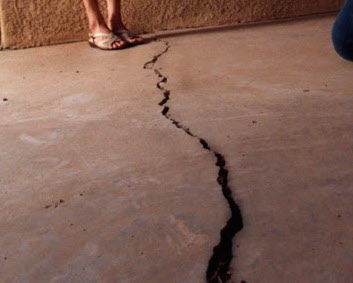
Q: I live in Tucson but have a second home in Show Low. It’s a two-story unit that’s half of a duplex. Recently, we found a crack in the slab near a brick wall. The crack is about 3/8ths to a half-inch wide, about 6 to 8 inches away from the brick wall. It runs all the way across the slab and into the other unit. Can this crack be fixed?
A: Yes, it can be fixed, but you should find out what’s causing the crack. It might even be that the slab is heaving up due to clay soils under the duplex.
You and your neighbor need to have a footprint done for the entire building with a manometer; an engineer needs to look at the results as well. Although the test will cost about $650, perhaps you and your neighbor could split the expense.
For more do-it-yourself tips, go to rosieonthehouse.com. An Arizona home building and remodeling industry expert for 25 years, Rosie Romero is the host of the syndicated Saturday morning Rosie on the House radio program, heard locally from 8-11 a.m. on KNST-AM (790) in Tucson and KGVY-AM (1080) and -FM (100.7) in Green Valley. Call 888-767-4348.
- By Rosie Romero Special to the Arizona Daily Star
- Updated
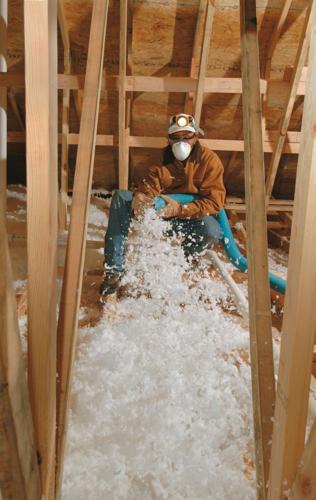
Q: If I have insulation blown into my attic, what is the recommended amount I need to have?
A: Anywhere below the Mogollon Rim in Arizona, you need to reach at least the R-30 level of insulation in your attic. You can put in a little more fill to reach the R-38 level — which would be slightly better for energy efficiency. But if an insulation contractor wants to blow in R-40 to R-60, the additional fill needed will not be much more of a benefit in Central or Southern Arizona. The extra cost will not provide you with great savings in your heating and cooling bills.
Make sure the insulation is properly and evenly installed in your attic. If there are any voids in the thickness of the fill, you could have serious reductions in the efficiency of your insulation.
The higher the R-value, the greater the insulation’s effectiveness. The R-value depends on the type of insulation, its thickness and density.
For more do-it-yourself tips, go to rosieonthehouse.com. An Arizona home building and remodeling industry expert for 25 years, Rosie Romero is the host of the syndicated Saturday morning Rosie on the House radio program, heard locally from 8-11 a.m. on KNST-AM (790) in Tucson and KGVY-AM (1080) and -FM (100.7) in Green Valley. Call 888-767-4348.
- By Rosie Romero Special to the Arizona Daily Star
- Updated
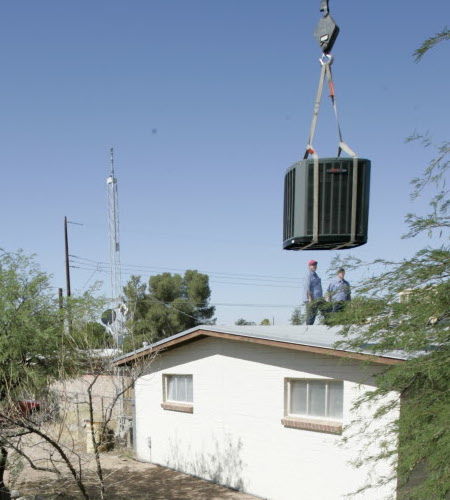
Q: I have a 5-year-old electrically powered air conditioner on my roof as well as having an electrically powered, forced-air furnace. Lately, the blower motor for this system seems to kick on and off 24 hours a day every five minutes. I have the fan set on “auto.” So what’s causing this?
A: It could be that you have wiring that is shorting out or you could have a bad fan control. You need an HVAC contractor to find and correct the problem.
For more do-it-yourself tips, go to rosieonthehouse.com. An Arizona homebuilding and remodeling industry expert for 25 years, Rosie Romero is the host of the syndicated Saturday morning Rosie on the House radio program, heard locally from 8-11 a.m. on KNST-AM (790) in Tucson and KGVY-AM (1080) and -FM (100.7) in Green Valley. Call 888-767-4348.
- By Rosie Romero Special to the Arizona Daily Star
- Updated
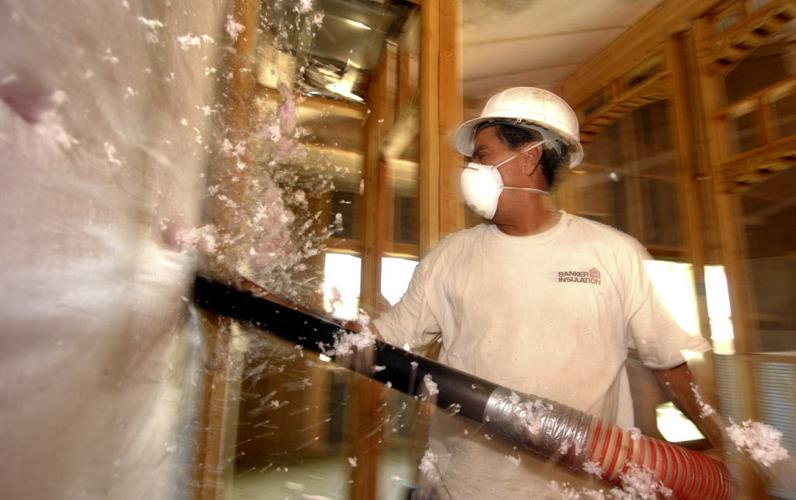
Q: I live in a 1970s-era house retrofitted with can lights in the ceiling. Now I’d like to blow insulation into my attic, but I’m worried that those can lights might not be thermal-protected and could cause a fire in the attic if I go ahead with the insulation. Can that happen?
A: Yes, adding insulation could create a hazard if the can lights are not rated “insulation compatible.” Here’s how to check: Remove the light bulb and look up inside the housing. There should be a label attached to the sheet metal with the rating of the fixture. If you see that “IC” rating, then the housing is approved for direct contact with insulation. But we like to err on the side of caution. So it’s best to build mesh cones as a protecting shroud around each fixture as well. Then leave an opening at the top of each cone so the heat can vent.
For more do-it-yourself tips, go to rosieonthehouse.com. An Arizona homebuilding and remodeling industry expert for 25 years, Rosie Romero is the host of the syndicated Saturday morning Rosie on the House radio program, heard locally from 8-11 a.m. on KNST-AM (790) in Tucson and KGVY-AM (1080) and -FM (100.7) in Green Valley. Call 888-767-4348.
- By Rosie Romero Special to the Arizona Daily Star
- Updated
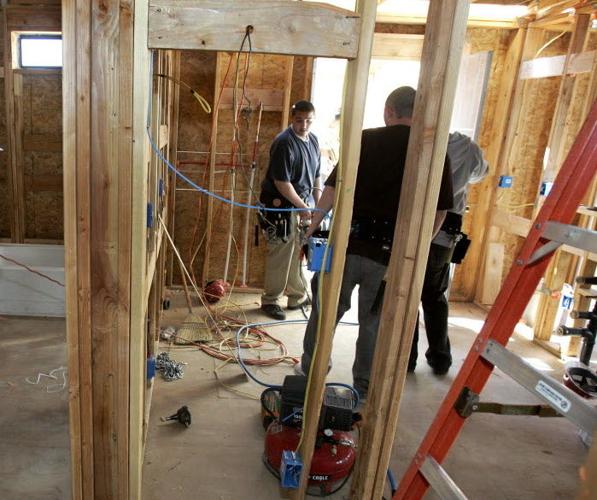
Q: What would cause a house to creak and pop when it is only two years old? We have tried to stop this problem by putting air vents into the roofing; we have had the AC and heating system checked; we had roofing and truss companies out to take a look. It only used to pop when the air conditioning and furnace heat came on, but now it seems to do it at random, especially during warmer weather.
A: Your problem is probably related to thermal and humidity issues. This type of popping tends to decrease as the lumber dries out and comes to rest in its final location; that might not have happened yet in your relatively new home. Another possibility is that this noise is due to having the roof sheathing laid so tightly that it creates this sound. If that’s true, and the roof is covered with asphalt shingles, you might begin to see small visible ridges in the shingles along the plywood sheathing joint lines. Keep us posted on whether the situation improves.
For more do-it-yourself tips, go to rosieonthehouse.com. An Arizona homebuilding and remodeling industry expert for 25 years, Rosie Romero is the host of the syndicated Saturday morning Rosie on the House radio program, heard locally from 8-11 a.m. on KNST-AM (790) in Tucson and KGVY-AM (1080) and -FM (100.7) in Green Valley. Call 888-767-4348.
- By Rosie Romero Special to the Arizona Daily Star
- Updated
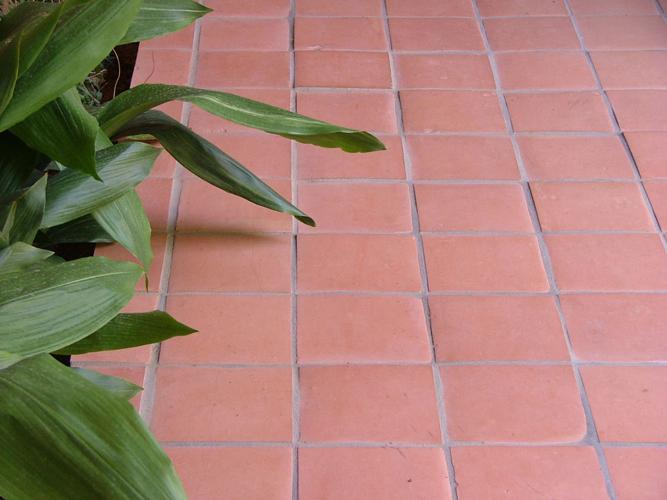
Q: We bought a fixer-upper that has 2,300 square feet of Saltillo tile flooring that we’re going to replace. After remodelers removed the kitchen tile, we realized what a disaster this would be — dusty and messy. So how should we go about removing the rest — some that’s on our concrete slab and some on an underlay? Some people say keep chipping away with a cold chisel; others say there’s a machine that will do the job. We plan to remove the rest of the tile ourselves, but we’ll have an expert put in the new flooring.
A: Saltillo tile is the messiest tile to remove of all. I’d suggest renting an electric chipping hammer from a rental outlet. It will take you some practice though to figure out just how to hold the blade of this machine onto the floor so you will not chip up the concrete when you work on the tile. However, if you do chip up some of the concrete slab, it can be fixed with a concrete patch. Be sure to tell the rental company that you are removing Saltillo tile so that they give you the right type of equipment. While you’re working, wear protective knee pads and dust masks, and protect your personal belongings and electronics from the dust that is created.
For more do-it-yourself tips, go to rosieonthehouse.com. An Arizona homebuilding and remodeling industry expert for 25 years, Rosie Romero is the host of the syndicated Saturday morning Rosie on the House radio program, heard locally from 8-11 a.m. on KNST-AM (790) in Tucson and KGVY-AM (1080) and -FM (100.7) in Green Valley. Call 888-767-4348.

- By Rosie Romero Special to the Arizona Daily Star
- Updated
Q: Can you plant a tree in the soil on top of a septic system?
A: Yes, you can do that provided that you don’t have a really old septic system. Contrary to popular opinion, the roots of trees don’t go straight down into the ground so they’re unlikely to bother a septic system that is two or three feet deep in your yard. The roots tend to grow laterally, but not deeply. They stay close to the soil’s surface in order to get adequate oxygen and water. You also want to make sure that you choose a moderately sized tree and not a really large, tall one.
For more do-it-yourself tips, go to rosieonthehouse.com. An Arizona home building and remodeling industry expert for 25 years, Rosie Romero is the host of the syndicated Saturday morning Rosie on the House radio program, heard locally from 8-11 a.m. on KNST-AM (790) in Tucson and KGVY-AM (1080) and -FM (100.7) in Green Valley. Call 888-767-4348.
- By Rosie Romero Special to the Arizona Daily Star
- Updated
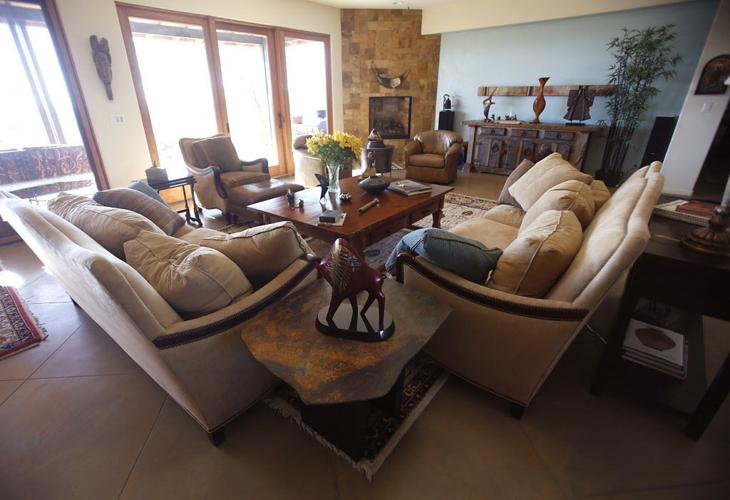
Q: We have a sunken family room that was built about 4 inches lower than the rest of the house. For various reasons, we’d like to bring it up to the level of the other floors. Can you give us some advice on doing this job?
A: Homeowners often ask me if they can put new floor joists down and build a new wooden floor. That may work, but adding all that wood is very conducive to attracting termites. The right way to do the job is by pouring in high-slump fresh concrete to fill the area to the level of the rest of your flooring. It could be somewhat uncomfortable to do this as your house will feel like a cold sauna for about a week. You’ll have to open all the windows to let the moisture escape while the concrete is curing.
For more do-it-yourself tips, go to rosieonthehouse.com. An Arizona home building and remodeling industry expert for 25 years, Rosie Romero is the host of the syndicated Saturday morning Rosie on the House radio program, heard locally from 8-11 a.m. on KNST-AM (790) in Tucson and KGVY-AM (1080) and -FM (100.7) in Green Valley. Call 888-767-4348.
- By Rosie Romero Special to the Arizona Daily Star
- Updated
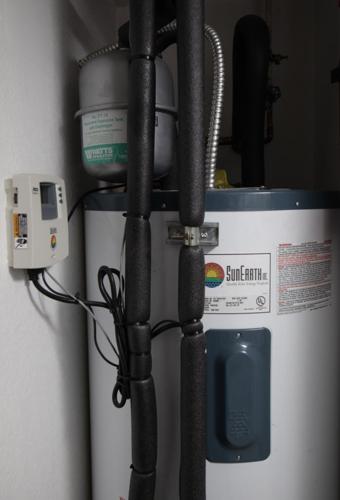
Q: I just replaced the hot water heater in my house and did the job myself. Now we’re getting hot and cold flashes of water coming out of faucets throughout the house. What did I do wrong?
A: It sounds as if the on-off valve on top of the tank is not working properly. You probably have installed a gate valve instead of an angle ball valve. But you can easily replace that valve after you turn off the water heater.
For more do-it-yourself tips, go to rosieonthehouse.com. An Arizona home building and remodeling industry expert for 25 years, Rosie Romero is the host of the syndicated Saturday morning Rosie on the House radio program, heard locally from 8-11 a.m. on KNST-AM (790) in Tucson and KGVY-AM (1080) and -FM (100.7) in Green Valley. Call 888-767-4348.
- By Rosie Romero Special to the Arizona Daily Star
- Updated
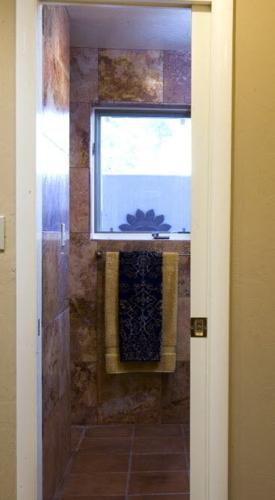
Q: I’m doing a bathroom renovation and wondered if I could remove the old fiberglass panels for my present shower and replace the whole thing with a drop-in shower stall? Or should I remove the panels and refinish the walls with tile and grout?
A: If you’re concerned about saving money on your bath remodel, tub and shower liners are an effective and low-cost alternative. A shower liner can actually be dropped in on top of your old shower pan. The finished product will be just as durable as a tile shower.
For more do-it-yourself tips, go to rosieonthehouse.com. An Arizona home building and remodeling industry expert for 25 years, Rosie Romero is the host of the syndicated Saturday morning Rosie on the House radio program, heard locally from 8-11 a.m. on KNST-AM (790) in Tucson and KGVY-AM (1080) and -FM (100.7) in Green Valley. Call 888-767-4348.
- By Rosie Romero Special to the Arizona Daily Star
- Updated
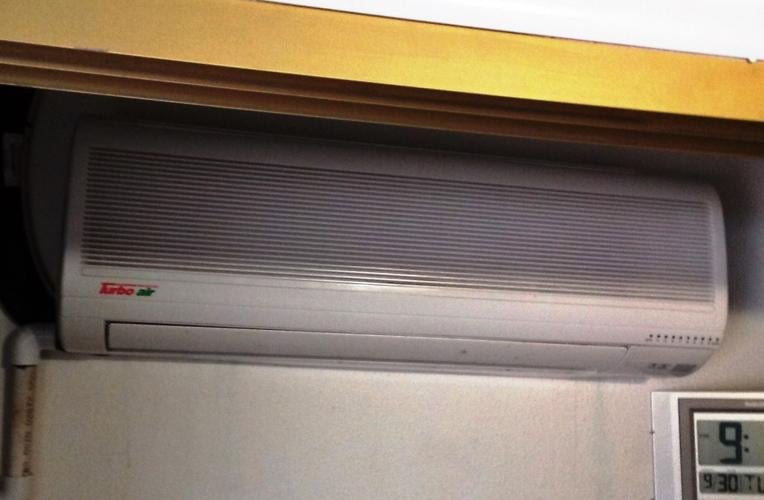
Q: Our heat pump went out a couple of months ago; the compressor broke down. It’s going to cost us $5,000 to $6,000 to replace the whole unit. However, we’ve been able to keep our 1,700 square-foot, all-electric house bearable this winter by using an infrared space heater. Its heat, along with heat generated by cooking and showering, seems to be enough to make it comfortable. So I’ve been wondering could we just put a mini-split air-conditioning unit in a couple of rooms to provide cooling, rather than one big heat pump?
A: Mini-splits are a wonderful alternative, and they can be installed room by room without connecting them to your ductwork. But the fact is that putting in three individual mini-splits would cost you much, much more money than replacing your old heat pump. The best way to use a mini-split is to provide extra cooling in a room that isn’t getting much benefit from your standard HVAC system.
For more do-it-yourself tips, go to rosieonthehouse.com. An Arizona home building and remodeling industry expert for 25 years, Rosie Romero is the host of the syndicated Saturday morning Rosie on the House radio program, heard locally from 8-11 a.m. on KNST-AM (790) in Tucson and KGVY-AM (1080) and -FM (100.7) in Green Valley. Call 888-767-4348.

- By Rosie Romero Special to the Arizona Daily Star
- Updated
Q: I’m trying to decide whether to install carpet tiles or laminate on the floor in my children’s bedroom. Which would be better? And will changing the flooring get rid of the current smell in the old carpeting? It’s been like that ever since we moved into the house a year and a half ago.
A: I like the idea of having hard-surfaced flooring like laminate because it’s easier to keep clean. You can also put in an area rug over it that can be rolled up and taken to the carpet cleaners when it gets too dirty. On the other hand, the carpet tiles are the easiest to install, and if one or two of them get worn or damaged, you can remove them and replace them yourself. I have a feeling that the odor problem might have been caused by someone else’s pet. So if you really want to get rid of that problem, you can pull up all the flooring, get down to the slab, and then paint the floor with a sealant before putting down carpet or tile. If you don’t seal that floor, the odor could come back again.
For more do-it-yourself tips, go to rosieonthehouse.com. An Arizona home building and remodeling industry expert for 25 years, Rosie Romero is the host of the syndicated Saturday morning “Rosie on the House” radio program, heard locally from 8-11 a.m. on KNST-AM (790) in Tucson and KGVY-AM (1080) and -FM (100.7) in Green Valley. Call 888-767-4348.

- By Rosie Romero Special to the Arizona Daily Star
- Updated
Q: I have completely turned my garage into a workshop area. On one side, I have my tools, workbench and all my projects going on; on the other side, my wife has her projects. I have built a temporary, freestanding wall down the middle that is not attached to the other walls in any way. I use it for shelves to store my tools. I didn’t run new electricity into the work areas; I power my tools using extension cords connected to existing outlets. Have I done anything illegal? Would I need a building permit for this area? Now I’m planning to rent out the house. Do I have to make any changes first?
A: Certainly, it goes against code to use extension cords to power up those tools on a semi-permanent basis. You need to have new permanent outlets installed with wiring that runs to your electric panel and that is protected by approved circuit breakers. Installing new electrical circuits requires a permit from the city. If you’re planning to rent the house, you might need to make more changes, like turning the garage back into a garage again.
For more do-it-yourself tips, go to rosieonthehouse.com. An Arizona home building and remodeling industry expert for 25 years, Rosie Romero is the host of the syndicated Saturday morning “Rosie on the House” radio program, heard locally from 8-11 a.m. on KNST-AM (790) in Tucson and KGVY-AM (1080) and -FM (100.7) in Green Valley. Call 888-767-4348.
- By Rosie Romero Special to the Arizona Daily Star
- Updated
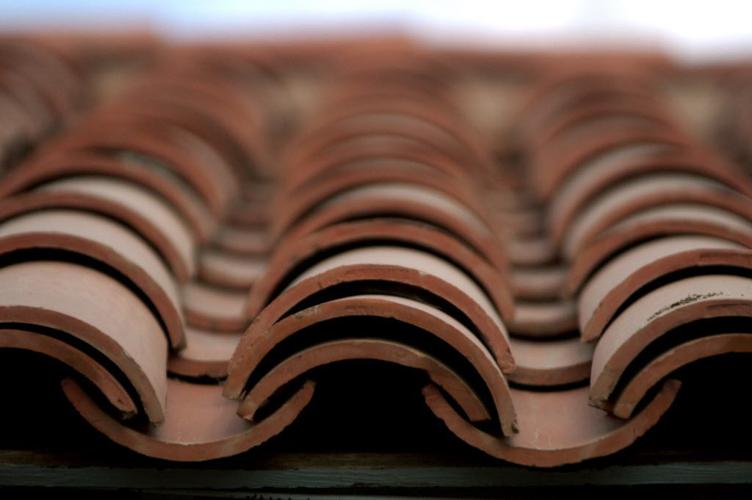
Q: I have a 30-year-old concrete tile roof that needs replacing. After taking off the tile, the roofers want to put new peel-and-stick roofing on top of the old underlayment. Then they’d put the old tiles back on. Is it OK to put the new peel-and-stick on the old underlayment?
A: Your best option is to take the old underlayment off and get down to the deck to find out if you have any other problems with your roof. Maybe some wood in the deck needs replacing. Then you can put on the new underlayment and put the old tiles back. You might also go up in your attic right now to look at the deck from the underside so that you can see if there are other problems going on — like leaks or mold or rotting wood.
For more do-it-yourself tips, go to rosieonthehouse.com. An Arizona home building and remodeling industry expert for 25 years, Rosie Romero is the host of the syndicated Saturday morning “Rosie on the House” radio program, heard locally from 8-11 a.m. on KNST-AM (790) in Tucson and KGVY-AM (1080) and -FM (100.7) in Green Valley. Call 888-767-4348.
- By Rosie Romero Special to the Arizona Daily Star
- Updated
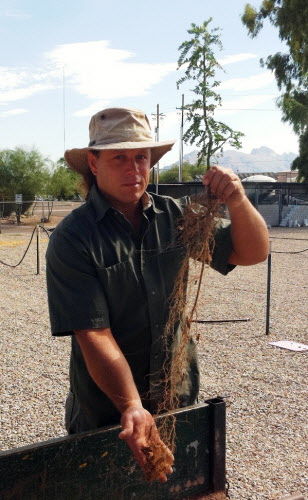
Q: I have a 2-foot-tall mesquite that sprouted in my yard that I’d like to move to a new location. Is it OK to do that and will it survive?
A: You can certainly do that, but it’s just a tough job to do just to save that young tree that you’re better off to go to a nursery and buy a 5-gallon mesquite and plant it. It’s just too much work to transplant the other tree. Even though it’s only 2 feet tall, it’s going to have a tap root that goes really, really deep and would be difficult to remove from your garden.
For more do-it-yourself tips, go to rosieonthehouse.com. An Arizona home building and remodeling industry expert for 25 years, Rosie Romero is the host of the syndicated Saturday morning “Rosie on the House” radio program, heard locally from 8-11 a.m. on KNST-AM (790) in Tucson and KGVY-AM (1080) and -FM (100.7) in Green Valley. Call 888-767-4348.
- By Rosie Romero Special to the Arizona Daily Star
Q: My master bath shower has a “snail” entry with glass blocks comprising two sides of the entry. A few of the glass blocks on the bottom row have gotten mold or mildew in them. Since the glass blocks are sealed, how do I get at the mold in order to clean it out? How did it get in there to begin with?
A: If the mildew is indeed inside the block itself and not in the surrounding mortar, the block has likely lost its seal and would need to be removed and replaced as there is no way to gain entry to the interior of the block to disinfect and reseal it.
If the mildew is in the surrounding mortar joints, the mortar will need to be scraped out, the area thoroughly disinfected then re-mortared. After the mortar cures, it will require a couple coats of a good silicone sealer to protect it.
We’ve seen a lot of glass block shower enclosures with moldy mortar around the blocks, but can’t say we’ve ever seen a block with the mold on the inside of the block itself. They’re typically pretty tightly sealed at the factory. So take a good look at the area because what you may be seeing is the mold in the mortar as seen through the edge of the block, not inside the block itself.
These repairs are not the normal DIY kind of project and should be done by a licensed tile installation company that uses glass block in the normal course of their shower tile work, or a good masonry contractor familiar with this situation as an alternative. Glass blocks are very durable, but if not dealt with carefully, they can break and cause flying glass particles, so this kind of repair is not something we recommend homeowners undertake.
For more do-it-yourself tips, go to rosieonthehouse.com. An Arizona home building and remodeling industry expert for 25 years, Rosie Romero is the host of the syndicated Saturday morning Rosie on the House radio program, heard locally from 8-11 a.m. on KNST-AM (790) in Tucson and KGVY-AM (1080) and -FM (100.7) in Green Valley. Call 888-767-4348.
- By Rosie Romero Special to the Arizona Daily Star
Q: I have a major grub problem in my yard. My flowers always die and when I pull them out of the ground, I always find lots of grubs among the roots. I had been using beneficial nematodes but they haven’t helped. How can I get rid of the grubs without using poison?
A: You can try mixing diatomaceous earth into the soil of your garden. Diatomaceous earth contains the tiny remains of diatoms, a type of hard-shelled algae.
If that doesn’t work, try solarizing your flower bed. In that process you remove the plants from the bed, till the soil, and then water heavily to two feet down. Then spread clear plastic over the soil. Weight down the plastic to keep it in place. Leave the plastic over the area all summer, and by fall, the grubs should be gone.
For more do-it-yourself tips, go to rosieonthehouse.com. An Arizona home building and remodeling industry expert for 25 years, Rosie Romero is the host of the syndicated Saturday morning Rosie on the House radio program, heard locally from 8-11 a.m. on KNST-AM (790) in Tucson and KGVY-AM (1080) and -FM (100.7) in Green Valley. Call 888-767-4348.
- By Rosie Romero Special to the Arizona Daily Star
Q: I want to put an addition on my garage in order to put in a workroom plus extra storage space. There is an existing concrete slab next to the house where I could do the addition. What are some of the big issues involved?
A: You need to check with the city to make sure that you don’t violate any setbacks for your property. You may need to pour new concrete over the old in order to bring the slab up to the height of the current garage. This can be a very complicated process, however, so you want a licensed contractor to do this part of the project.
You’re also going to have to cut into the slab to put in the bearing footings to hold up the addition. You also have to address any drainage problems due to the extra water draining off the new roofing.
- By Rosie Romero Special to the Arizona Daily Star
Q: People sometimes tell me that if you fill a big container with water and use it once a month to flush your toilet, you’ll never have clogged plumbing. Is that true or is it some kind of urban legend?
A: That technique is probably not all that beneficial for toilets, though it can’t hurt to try it. But flushing out lines with extra water can sometimes help improve drainage in kitchen plumbing, especially in homes of snowbirds who are not living in a house all year round.
If you’re worried about your toilets not flushing properly, you can check inside the tank to be sure that the water is reaching the proper level. If it isn’t, you might want to replace some of the equipment in the tank.
For more do-it-yourself tips, go to rosieonthehouse.com. An Arizona home building and remodeling industry expert for 25 years, Rosie Romero is the host of the syndicated Saturday morning Rosie on the House radio program, heard locally from 8-11 a.m. on KNST-AM (790) in Tucson and KGVY-AM (1080) and -FM (100.7) in Green Valley. Call 888-767-4348.
- By Rosie Romero Special to the Arizona Daily Star
Q: I have a rental property where a toilet seems to be clogged off and on. Is this the kind of repair that I can do by myself?
A: You can buy an auger at a hardware store for about $15 and run it through the trap in the toilet to see if that works. Maybe something is caught in the trap — like a child’s toy. If that doesn’t help, you might need to call a plumber.
For more do-it-yourself tips, go to rosieonthehouse.com. An Arizona home building and remodeling industry expert for 25 years, Rosie Romero is the host of the syndicated Saturday morning Rosie on the House radio program, heard locally from 8-11 a.m. on KNST-AM (790) in Tucson and KGVY-AM (1080) and -FM (100.7) in Green Valley. Call 888-767-4348.
- By Rosie Romero Special to the Arizona Daily Star
Q: There’s a gas water heater inside my house, but it creates too much heat and I want to move the heater out of the house to the garage. But should I use PEX or copper lines for the job?
A: When it’s not a challenge to run copper lines, it’s best to use copper. But PEX is a good alternative. If you ask plumbers which type of piping they prefer, half of them will say copper and the other half will choose PEX. The letters P-E-X stand for crosslinked polyethylene. PEX is generally lower cost and requires fewer fittings than rigid pipes. It also does not require soldering so the risk of fire is eliminated. But PEX isn’t really a do-it-yourself product; special tools and training are needed before you can use it.
For more do-it-yourself tips, go to rosieonthehouse.com. An Arizona home building and remodeling industry expert for 25 years, Rosie Romero is the host of the syndicated Saturday morning Rosie on the House radio program, heard locally from 8-11 a.m. on KNST-AM (790) in Tucson and KGVY-AM (1080) and -FM (100.7) in Green Valley. Call 888-767-4348.
- By Rosie Romero Special to the Arizona Daily Star
Q: I want to remodel my kitchen, and part of my plan is to move the sink to another wall about 20 feet away. Can I move the water line without too much trouble?
A: Moving the water line is the easy part. You can easily move it to another wall. The hard part is moving the drain.
Most of the time you have to saw-cut the floor in order to run the drain line to where the new sink will be located. It won’t be too hard though if the new sink location is on an outside wall. Then you can often find the drain line in the yard and can run a new connection up to the wall where the new sink will be.
For more do-it-yourself tips, go to rosieonthehouse.com. An Arizona home building and remodeling industry expert for 25 years, Rosie Romero is the host of the syndicated Saturday morning Rosie on the House radio program, heard locally from 8-11 a.m. on KNST-AM (790) in Tucson and KGVY-AM (1080) and -FM (100.7) in Green Valley. Call 888-767-4348.
- By Rosie Romero Special to the Arizona Daily Star
Q: I live in a 15-year-old house where the master bath shower only produces hot water if you first turn on the cold water in the bathtub and let it run for a little while. It’s always been a problem since we bought the house nine months ago, but now it seems to be getting worse.
A: If you get plenty of hot water coming out of other faucets in the house, then there is probably something wrong with the valve pressure in your shower. It’s possible to fix this type of problem yourself if an O-ring or washer has worn out. You need to shut off the water and pull the valve cover plate to see what’s going on underneath.
Take a photo of the area and take it to a plumbing supply house to show to them. They may be able to tell you what to do next and what parts you will need. Take note of the brand of the valve so the store clerk will know what you have.
- By Rosie Romero Special to the Arizona Daily Star
Q: We’re thinking of building a house on a lot near an old capped landfill. The landfill is about 600 feet away from the site. Is there any increased risk of radon in this house because of the landfill? And can we test the site for radon exposure before we build?
A: It doesn’t seem like there would be much risk of radon exposure, but there is no way of knowing for sure before you build. You have to wait until the home is finished to do a test. However, as you build the house, you can install a passive piping system in the walls that would be there later if you detect radon. The pipes would be there, but you wouldn’t install the fans on the roof unless you come up with positive radon readings later. The plastic pipes would not cost a great deal to install as you build.
For more do-it-yourself tips, go to rosieonthehouse.com. An Arizona home-building and remodeling industry expert for 25 years, Rosie Romero is the host of the syndicated Saturday morning Rosie on the House radio program, heard locally from 8-11 a.m. on KNST-AM (790) in Tucson and KGVY-AM (1080) and -FM (100.7) in Green Valley. Call 888-767-4348.
- By Rosie Romero Special to the Arizona Daily Star
Q: Recently, we had a lot of water come flooding up through our bathroom drains and toilets. Plumbers came out and ran a device through the drains twice to cut out all the tree roots that were blocking the pipes. Once that was done, they ran a camera through the line and determined that the pipe was clear way out to the street. But just inside the city pipe line, tree roots were blocking the pipe. It’s possible that those were from one of our trees, but are we responsible for cleaning the city line, too?
A: Finding a solution to this problem will probably rest on your shoulders, not the city’s. You need to meet with the city to discuss the situation and any regular maintenance that needs to be done. Perhaps you will need to remove one of your trees as well. The problem is that the roots that were cut will be a continuing problem. The cutting can just make the roots grow faster.
- By Rosie Romero Special to the Arizona Daily Star
Q: I have an older concrete block home and on some walls inside the house, I often find condensation building up on exterior walls. I want to find the source of the moisture and I can’t seem to locate it. Moisture is not running down the walls onto the floor and there are no plants next to the wall outside that are being irrigated. What do I do next to find the problem?
A: Get several large pieces of kitchen-style plastic wrap and duct tape them to the walls in a few locations where this moisture problem seems to be happening. See if you find moisture on just one wall or more walls. Once you find out the location of your problem, you will have to concentrate your investigation on that area of the house. You may need to do what they call “out-sulation” to prevent moisture from getting through the problem walls.
For more do-it-yourself tips, go to rosieonthehouse.com. An Arizona home-building and remodeling industry expert for 25 years, Rosie Romero is the host of the syndicated Saturday morning Rosie on the House radio program, heard locally from 8-11 a.m. on KNST-AM (790) in Tucson and KGVY-AM (1080) and -FM (100.7) in Green Valley. Call 888-767-4348.
- By Rosie Romero Special to the Arizona Daily Star
Q: I have trouble getting full pressure at my kitchen sink when I use the spray hose to clean off dishes. In fact, I have a lot of problems with getting full water pressure in my kitchen at all. It takes forever to fill the ice maker with water. It was bad when I moved into my house five years ago, but it seems to be getting worse and worse. My house was built in 2003.
A: It’s possible that some debris got stuck in your pipeline when your home was built. You might try removing the faucet and blowing it out to see if that helps. You could also turn off the emergency valves under the sink, take off the water supply lines, and flush them out into a large bucket. When you replace the lines, turn them on again very slowly. The worst possibility is that a construction worker might have crimped the line during installation. In that case, you will probably need the help of a plumber.
For more do-it-yourself tips, go to rosieonthehouse.com. An Arizona home-building and remodeling industry expert for 25 years, Rosie Romero is the host of the syndicated Saturday morning Rosie on the House radio program, heard locally from 8-11 a.m. on KNST-AM (790) in Tucson and KGVY-AM (1080) and -FM (100.7) in Green Valley. Call 888-767-4348.
- By Rosie Romero Special to the Arizona Daily Star
Q: I replaced my windows in the early 1990s with dual-pane windows that are still under warranty. The windows have argon gas between the panes and vinyl on the outside of the frames. Now the putty and vinyl are starting to disintegrate. What should I do?
A: Contact the manufacturer to see if they’ll live up to their warranty. However, I have to add that vinyl windows are not a favorite of mine for use in our desert climate.
My preference is wood with aluminum cladding on the outside. Vinyl windows have improved greatly over the years, however, and the latest models may perform more efficiently than those manufactured 10 to 20 years ago.
For more do-it-yourself tips, go to rosieonthehouse.com. An Arizona home building and remodeling industry expert for 25 years, Rosie Romero is the host of the syndicated Saturday morning Rosie on the House radio program, heard locally from 8-11 a.m. on KNST-AM (790) in Tucson and KGVY-AM (1080) and -FM (100.7) in Green Valley. Call 888-767-4348.
- By Rosie Romero Special to the Arizona Daily Star
Q: I have a gas clothes dryer that was having a problem drying clothes – possibly because lint was building up in the unit and the vent. We tried to clean out the vent tube in the wall and filled up an entire shop vacuum with the lint debris. But then my husband went up on the roof to clean out the vent opening up there, but he couldn’t find the outdoor end of the vent. Where in the world is it?
A: It’s possible that your dryer vent ends up in your attic somewhere. It’s against code to do that when you install a dryer. But workers take that dubious shortcut all the time.
It might be hard to find in your attic — especially if the roof is really low and there is very little space to move around.
One trick you can try is putting some flour in the bottom of the vent and then blowing it up into the attic so you can see where the vent empties out. However, the vent may also exit through an opening in the exterior wall. So look around for a louvered vent or other type of exterior wall vent.
If the vent is truly in the attic, you might consider having it moved so it exits on the roof.
For more do-it-yourself tips, go to rosieonthehouse.com. An Arizona home building and remodeling industry expert for 25 years, Rosie Romero is the host of the syndicated Saturday morning Rosie on the House radio program, heard locally from 8-11 a.m. on KNST-AM (790) in Tucson and KGVY-AM (1080) and -FM (100.7) in Green Valley. Call 888-767-4348.
- By Rosie Romero Special to the Arizona Daily Star
Q: I live in Tucson but have a second home in Show Low. It’s a two-story unit that’s half of a duplex. Recently, we found a crack in the slab near a brick wall. The crack is about 3/8ths to a half-inch wide, about 6 to 8 inches away from the brick wall. It runs all the way across the slab and into the other unit. Can this crack be fixed?
A: Yes, it can be fixed, but you should find out what’s causing the crack. It might even be that the slab is heaving up due to clay soils under the duplex.
You and your neighbor need to have a footprint done for the entire building with a manometer; an engineer needs to look at the results as well. Although the test will cost about $650, perhaps you and your neighbor could split the expense.
For more do-it-yourself tips, go to rosieonthehouse.com. An Arizona home building and remodeling industry expert for 25 years, Rosie Romero is the host of the syndicated Saturday morning Rosie on the House radio program, heard locally from 8-11 a.m. on KNST-AM (790) in Tucson and KGVY-AM (1080) and -FM (100.7) in Green Valley. Call 888-767-4348.
- By Rosie Romero Special to the Arizona Daily Star
Q: If I have insulation blown into my attic, what is the recommended amount I need to have?
A: Anywhere below the Mogollon Rim in Arizona, you need to reach at least the R-30 level of insulation in your attic. You can put in a little more fill to reach the R-38 level — which would be slightly better for energy efficiency. But if an insulation contractor wants to blow in R-40 to R-60, the additional fill needed will not be much more of a benefit in Central or Southern Arizona. The extra cost will not provide you with great savings in your heating and cooling bills.
Make sure the insulation is properly and evenly installed in your attic. If there are any voids in the thickness of the fill, you could have serious reductions in the efficiency of your insulation.
The higher the R-value, the greater the insulation’s effectiveness. The R-value depends on the type of insulation, its thickness and density.
For more do-it-yourself tips, go to rosieonthehouse.com. An Arizona home building and remodeling industry expert for 25 years, Rosie Romero is the host of the syndicated Saturday morning Rosie on the House radio program, heard locally from 8-11 a.m. on KNST-AM (790) in Tucson and KGVY-AM (1080) and -FM (100.7) in Green Valley. Call 888-767-4348.
- By Rosie Romero Special to the Arizona Daily Star
Q: I have a 5-year-old electrically powered air conditioner on my roof as well as having an electrically powered, forced-air furnace. Lately, the blower motor for this system seems to kick on and off 24 hours a day every five minutes. I have the fan set on “auto.” So what’s causing this?
A: It could be that you have wiring that is shorting out or you could have a bad fan control. You need an HVAC contractor to find and correct the problem.
For more do-it-yourself tips, go to rosieonthehouse.com. An Arizona homebuilding and remodeling industry expert for 25 years, Rosie Romero is the host of the syndicated Saturday morning Rosie on the House radio program, heard locally from 8-11 a.m. on KNST-AM (790) in Tucson and KGVY-AM (1080) and -FM (100.7) in Green Valley. Call 888-767-4348.
- By Rosie Romero Special to the Arizona Daily Star
Q: I live in a 1970s-era house retrofitted with can lights in the ceiling. Now I’d like to blow insulation into my attic, but I’m worried that those can lights might not be thermal-protected and could cause a fire in the attic if I go ahead with the insulation. Can that happen?
A: Yes, adding insulation could create a hazard if the can lights are not rated “insulation compatible.” Here’s how to check: Remove the light bulb and look up inside the housing. There should be a label attached to the sheet metal with the rating of the fixture. If you see that “IC” rating, then the housing is approved for direct contact with insulation. But we like to err on the side of caution. So it’s best to build mesh cones as a protecting shroud around each fixture as well. Then leave an opening at the top of each cone so the heat can vent.
For more do-it-yourself tips, go to rosieonthehouse.com. An Arizona homebuilding and remodeling industry expert for 25 years, Rosie Romero is the host of the syndicated Saturday morning Rosie on the House radio program, heard locally from 8-11 a.m. on KNST-AM (790) in Tucson and KGVY-AM (1080) and -FM (100.7) in Green Valley. Call 888-767-4348.
- By Rosie Romero Special to the Arizona Daily Star
Q: What would cause a house to creak and pop when it is only two years old? We have tried to stop this problem by putting air vents into the roofing; we have had the AC and heating system checked; we had roofing and truss companies out to take a look. It only used to pop when the air conditioning and furnace heat came on, but now it seems to do it at random, especially during warmer weather.
A: Your problem is probably related to thermal and humidity issues. This type of popping tends to decrease as the lumber dries out and comes to rest in its final location; that might not have happened yet in your relatively new home. Another possibility is that this noise is due to having the roof sheathing laid so tightly that it creates this sound. If that’s true, and the roof is covered with asphalt shingles, you might begin to see small visible ridges in the shingles along the plywood sheathing joint lines. Keep us posted on whether the situation improves.
For more do-it-yourself tips, go to rosieonthehouse.com. An Arizona homebuilding and remodeling industry expert for 25 years, Rosie Romero is the host of the syndicated Saturday morning Rosie on the House radio program, heard locally from 8-11 a.m. on KNST-AM (790) in Tucson and KGVY-AM (1080) and -FM (100.7) in Green Valley. Call 888-767-4348.
- By Rosie Romero Special to the Arizona Daily Star
Q: We bought a fixer-upper that has 2,300 square feet of Saltillo tile flooring that we’re going to replace. After remodelers removed the kitchen tile, we realized what a disaster this would be — dusty and messy. So how should we go about removing the rest — some that’s on our concrete slab and some on an underlay? Some people say keep chipping away with a cold chisel; others say there’s a machine that will do the job. We plan to remove the rest of the tile ourselves, but we’ll have an expert put in the new flooring.
A: Saltillo tile is the messiest tile to remove of all. I’d suggest renting an electric chipping hammer from a rental outlet. It will take you some practice though to figure out just how to hold the blade of this machine onto the floor so you will not chip up the concrete when you work on the tile. However, if you do chip up some of the concrete slab, it can be fixed with a concrete patch. Be sure to tell the rental company that you are removing Saltillo tile so that they give you the right type of equipment. While you’re working, wear protective knee pads and dust masks, and protect your personal belongings and electronics from the dust that is created.
For more do-it-yourself tips, go to rosieonthehouse.com. An Arizona homebuilding and remodeling industry expert for 25 years, Rosie Romero is the host of the syndicated Saturday morning Rosie on the House radio program, heard locally from 8-11 a.m. on KNST-AM (790) in Tucson and KGVY-AM (1080) and -FM (100.7) in Green Valley. Call 888-767-4348.
- By Rosie Romero Special to the Arizona Daily Star
Q: Can you plant a tree in the soil on top of a septic system?
A: Yes, you can do that provided that you don’t have a really old septic system. Contrary to popular opinion, the roots of trees don’t go straight down into the ground so they’re unlikely to bother a septic system that is two or three feet deep in your yard. The roots tend to grow laterally, but not deeply. They stay close to the soil’s surface in order to get adequate oxygen and water. You also want to make sure that you choose a moderately sized tree and not a really large, tall one.
For more do-it-yourself tips, go to rosieonthehouse.com. An Arizona home building and remodeling industry expert for 25 years, Rosie Romero is the host of the syndicated Saturday morning Rosie on the House radio program, heard locally from 8-11 a.m. on KNST-AM (790) in Tucson and KGVY-AM (1080) and -FM (100.7) in Green Valley. Call 888-767-4348.
- By Rosie Romero Special to the Arizona Daily Star
Q: We have a sunken family room that was built about 4 inches lower than the rest of the house. For various reasons, we’d like to bring it up to the level of the other floors. Can you give us some advice on doing this job?
A: Homeowners often ask me if they can put new floor joists down and build a new wooden floor. That may work, but adding all that wood is very conducive to attracting termites. The right way to do the job is by pouring in high-slump fresh concrete to fill the area to the level of the rest of your flooring. It could be somewhat uncomfortable to do this as your house will feel like a cold sauna for about a week. You’ll have to open all the windows to let the moisture escape while the concrete is curing.
For more do-it-yourself tips, go to rosieonthehouse.com. An Arizona home building and remodeling industry expert for 25 years, Rosie Romero is the host of the syndicated Saturday morning Rosie on the House radio program, heard locally from 8-11 a.m. on KNST-AM (790) in Tucson and KGVY-AM (1080) and -FM (100.7) in Green Valley. Call 888-767-4348.
- By Rosie Romero Special to the Arizona Daily Star
Q: I just replaced the hot water heater in my house and did the job myself. Now we’re getting hot and cold flashes of water coming out of faucets throughout the house. What did I do wrong?
A: It sounds as if the on-off valve on top of the tank is not working properly. You probably have installed a gate valve instead of an angle ball valve. But you can easily replace that valve after you turn off the water heater.
For more do-it-yourself tips, go to rosieonthehouse.com. An Arizona home building and remodeling industry expert for 25 years, Rosie Romero is the host of the syndicated Saturday morning Rosie on the House radio program, heard locally from 8-11 a.m. on KNST-AM (790) in Tucson and KGVY-AM (1080) and -FM (100.7) in Green Valley. Call 888-767-4348.
- By Rosie Romero Special to the Arizona Daily Star
Q: I’m doing a bathroom renovation and wondered if I could remove the old fiberglass panels for my present shower and replace the whole thing with a drop-in shower stall? Or should I remove the panels and refinish the walls with tile and grout?
A: If you’re concerned about saving money on your bath remodel, tub and shower liners are an effective and low-cost alternative. A shower liner can actually be dropped in on top of your old shower pan. The finished product will be just as durable as a tile shower.
For more do-it-yourself tips, go to rosieonthehouse.com. An Arizona home building and remodeling industry expert for 25 years, Rosie Romero is the host of the syndicated Saturday morning Rosie on the House radio program, heard locally from 8-11 a.m. on KNST-AM (790) in Tucson and KGVY-AM (1080) and -FM (100.7) in Green Valley. Call 888-767-4348.
- By Rosie Romero Special to the Arizona Daily Star
Q: Our heat pump went out a couple of months ago; the compressor broke down. It’s going to cost us $5,000 to $6,000 to replace the whole unit. However, we’ve been able to keep our 1,700 square-foot, all-electric house bearable this winter by using an infrared space heater. Its heat, along with heat generated by cooking and showering, seems to be enough to make it comfortable. So I’ve been wondering could we just put a mini-split air-conditioning unit in a couple of rooms to provide cooling, rather than one big heat pump?
A: Mini-splits are a wonderful alternative, and they can be installed room by room without connecting them to your ductwork. But the fact is that putting in three individual mini-splits would cost you much, much more money than replacing your old heat pump. The best way to use a mini-split is to provide extra cooling in a room that isn’t getting much benefit from your standard HVAC system.
For more do-it-yourself tips, go to rosieonthehouse.com. An Arizona home building and remodeling industry expert for 25 years, Rosie Romero is the host of the syndicated Saturday morning Rosie on the House radio program, heard locally from 8-11 a.m. on KNST-AM (790) in Tucson and KGVY-AM (1080) and -FM (100.7) in Green Valley. Call 888-767-4348.
- By Rosie Romero Special to the Arizona Daily Star
Q: I’m trying to decide whether to install carpet tiles or laminate on the floor in my children’s bedroom. Which would be better? And will changing the flooring get rid of the current smell in the old carpeting? It’s been like that ever since we moved into the house a year and a half ago.
A: I like the idea of having hard-surfaced flooring like laminate because it’s easier to keep clean. You can also put in an area rug over it that can be rolled up and taken to the carpet cleaners when it gets too dirty. On the other hand, the carpet tiles are the easiest to install, and if one or two of them get worn or damaged, you can remove them and replace them yourself. I have a feeling that the odor problem might have been caused by someone else’s pet. So if you really want to get rid of that problem, you can pull up all the flooring, get down to the slab, and then paint the floor with a sealant before putting down carpet or tile. If you don’t seal that floor, the odor could come back again.
For more do-it-yourself tips, go to rosieonthehouse.com. An Arizona home building and remodeling industry expert for 25 years, Rosie Romero is the host of the syndicated Saturday morning “Rosie on the House” radio program, heard locally from 8-11 a.m. on KNST-AM (790) in Tucson and KGVY-AM (1080) and -FM (100.7) in Green Valley. Call 888-767-4348.
- By Rosie Romero Special to the Arizona Daily Star
Q: I have completely turned my garage into a workshop area. On one side, I have my tools, workbench and all my projects going on; on the other side, my wife has her projects. I have built a temporary, freestanding wall down the middle that is not attached to the other walls in any way. I use it for shelves to store my tools. I didn’t run new electricity into the work areas; I power my tools using extension cords connected to existing outlets. Have I done anything illegal? Would I need a building permit for this area? Now I’m planning to rent out the house. Do I have to make any changes first?
A: Certainly, it goes against code to use extension cords to power up those tools on a semi-permanent basis. You need to have new permanent outlets installed with wiring that runs to your electric panel and that is protected by approved circuit breakers. Installing new electrical circuits requires a permit from the city. If you’re planning to rent the house, you might need to make more changes, like turning the garage back into a garage again.
For more do-it-yourself tips, go to rosieonthehouse.com. An Arizona home building and remodeling industry expert for 25 years, Rosie Romero is the host of the syndicated Saturday morning “Rosie on the House” radio program, heard locally from 8-11 a.m. on KNST-AM (790) in Tucson and KGVY-AM (1080) and -FM (100.7) in Green Valley. Call 888-767-4348.
- By Rosie Romero Special to the Arizona Daily Star
Q: I have a 30-year-old concrete tile roof that needs replacing. After taking off the tile, the roofers want to put new peel-and-stick roofing on top of the old underlayment. Then they’d put the old tiles back on. Is it OK to put the new peel-and-stick on the old underlayment?
A: Your best option is to take the old underlayment off and get down to the deck to find out if you have any other problems with your roof. Maybe some wood in the deck needs replacing. Then you can put on the new underlayment and put the old tiles back. You might also go up in your attic right now to look at the deck from the underside so that you can see if there are other problems going on — like leaks or mold or rotting wood.
For more do-it-yourself tips, go to rosieonthehouse.com. An Arizona home building and remodeling industry expert for 25 years, Rosie Romero is the host of the syndicated Saturday morning “Rosie on the House” radio program, heard locally from 8-11 a.m. on KNST-AM (790) in Tucson and KGVY-AM (1080) and -FM (100.7) in Green Valley. Call 888-767-4348.
- By Rosie Romero Special to the Arizona Daily Star
Q: I have a 2-foot-tall mesquite that sprouted in my yard that I’d like to move to a new location. Is it OK to do that and will it survive?
A: You can certainly do that, but it’s just a tough job to do just to save that young tree that you’re better off to go to a nursery and buy a 5-gallon mesquite and plant it. It’s just too much work to transplant the other tree. Even though it’s only 2 feet tall, it’s going to have a tap root that goes really, really deep and would be difficult to remove from your garden.
For more do-it-yourself tips, go to rosieonthehouse.com. An Arizona home building and remodeling industry expert for 25 years, Rosie Romero is the host of the syndicated Saturday morning “Rosie on the House” radio program, heard locally from 8-11 a.m. on KNST-AM (790) in Tucson and KGVY-AM (1080) and -FM (100.7) in Green Valley. Call 888-767-4348.


View this profile on Instagram#ThisIsTucson 🌵 (@this_is_tucson) • Instagram photos and videos
Most viewed stories
-
This Tucson chef has been named a semifinalist for prestigious James Beard Award 🎉
-
A saber tooth tiger fossil, gemstone paintings, and more: Here's the low-down on 4 Tucson gem shows! 💎
-
Sparkle City: Gem shows season has started — here's what to know
-
Check out these 23 exciting Tucson events, January 30 - February 1! ✨
-
Horchata lattes and breakfast burritos: Tucson's Barista del Barrio opens 2nd location
-
30 fun events happening in Tucson January 23-25! 🪩
-
Get ready to eat all the spicy tuna rolls you can at this viral sushi spot 🍣
-
27 exciting events to check out this weekend, January 16-18 💎
-
Nearly 50 fun events happening in the month of January! ✨
-
Community determined to regroup after loss of Tucson Pride