

Photos: The notable characters who saw Arizona into statehood
Learn more about the leaders, citizens and rogues who made Arizona what it was by statehood on Feb. 14, 1912.
Gallery originally published in 2011.
Mary 'Mamie' Bernard Aguirre: Headed two UA departments; her diary told of Old West
Updated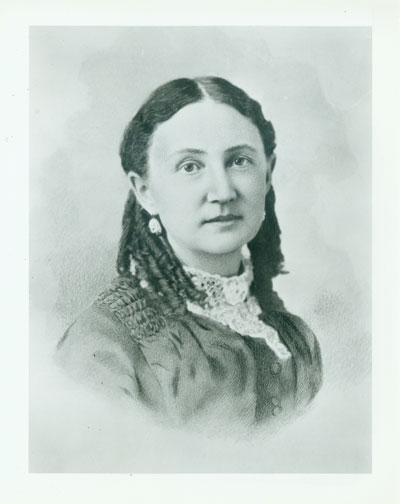
Ralph Cameron: He charged $1 toll to use Grand Canyon trail
Updated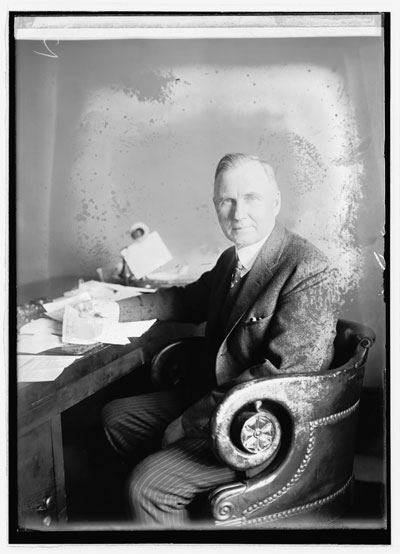
Gen. George Crook: Apache fighter he believed Indians belonged on reservations
Updated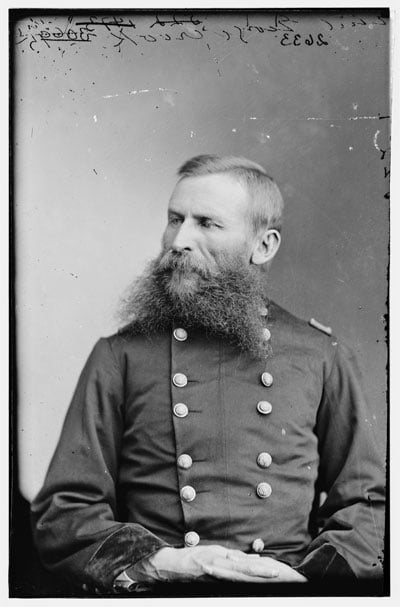
Fred Harvey: He wasn’t an Arizonan, but he left a big mark on tourism here
Updated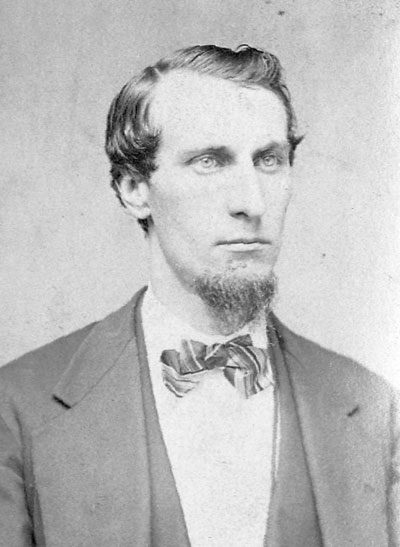
Charles Trumbull Hayden: Early trader, probate judge and founder of Tempe
Updated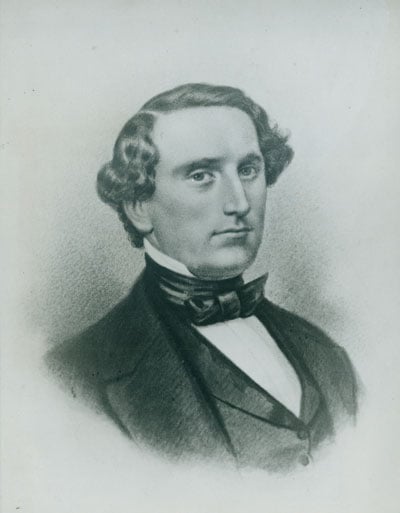
Henry Clay Hooker: Selling turkeys helped his business, ranches
Updated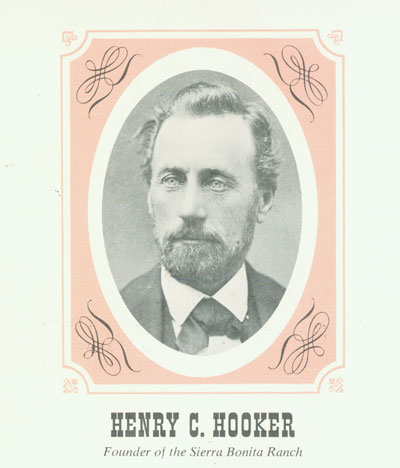
John Lorenzo Hubbell: Most famous of the Indian traders, family operated 30-plus trading posts
Updated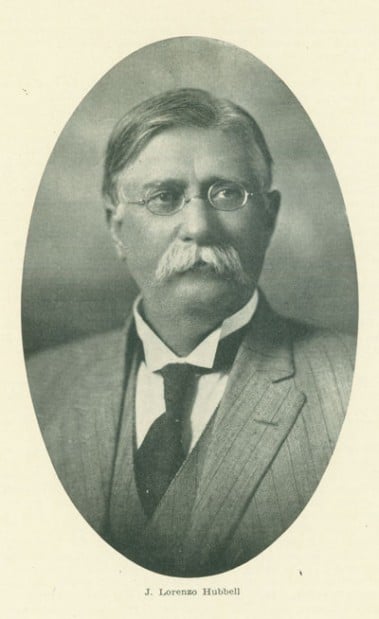
Samuel Hughes: He came in search of health
Updated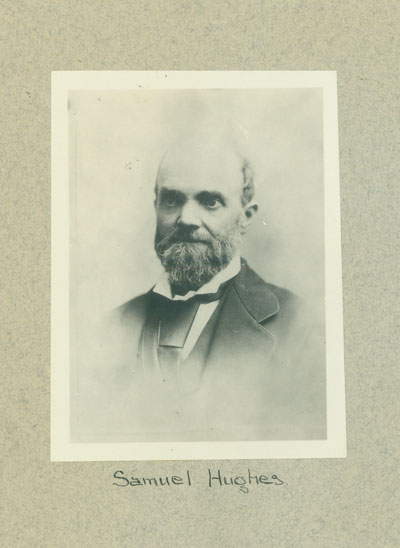
Louis J.F. Jaeger: Survived arrow in neck; ran Colorado River ferry
Updated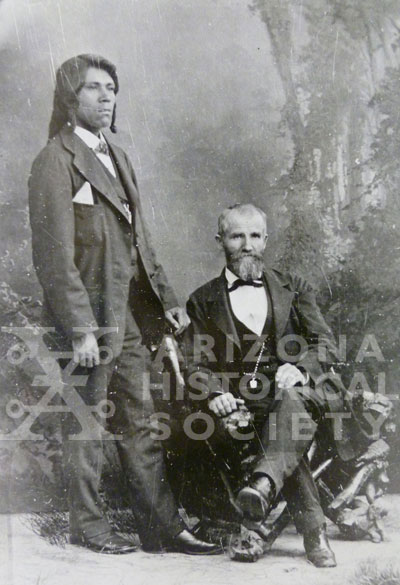
Judge Joseph H. Kibbey: Ruled on water law, fought school segregation
Updated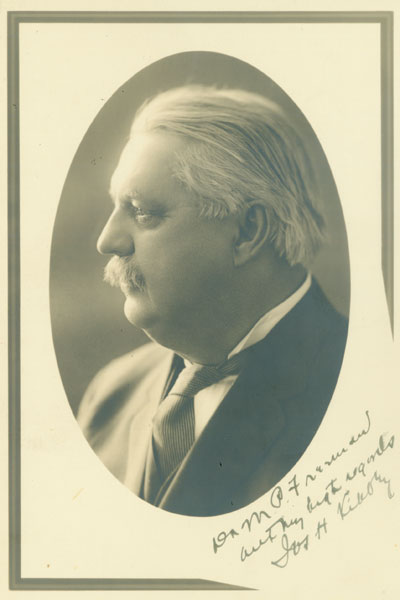
Jacob Mansfeld: He opened the first public library and helped found the University of Arizona
Updated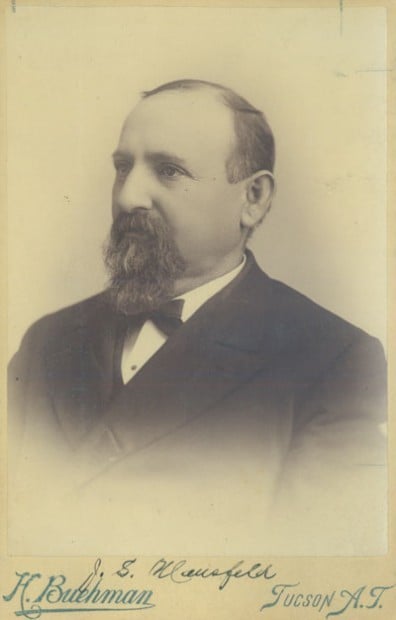
Manuelito: Navajo warrior evolved later in life into statesman who embraced Americans
Updated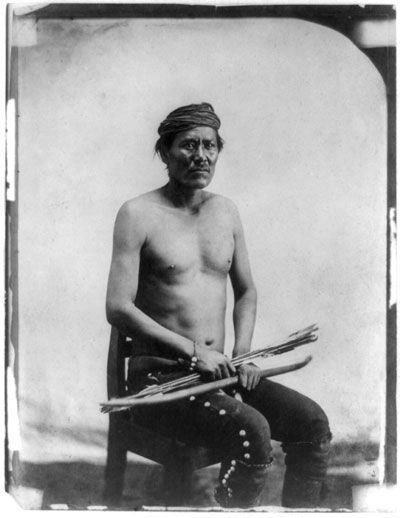
Nampeyo: A great Hopi potter, she revived a historic style
Updated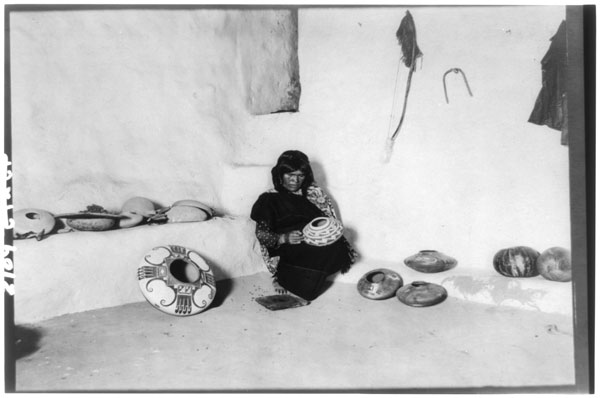
Esteban Ochoa: A merchant prince, and a generous and modest citizen
Updated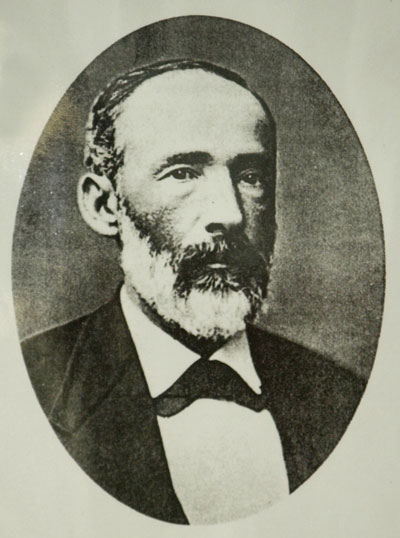
Federico José María Ronstadt: Tucson’s music maker
Updated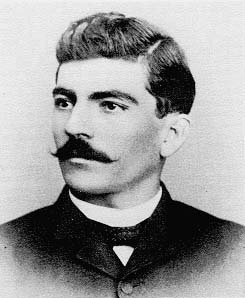
Anson Pacely Killen Safford: Arizona’s 3rd territorial governor and the father of our schools
Updated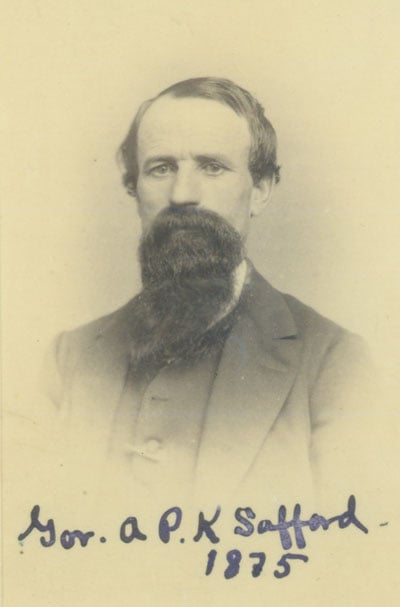
Bishop John Baptist Salpointe: The cleric who built things
Updated
There was no operating church in Arizona when Salpointe’s party of four — three priests and a teacher — came from New Mexico in 1866. Salpointe, newly named vicar general of the Arizona missions, was their leader. He was a Frenchman who had arrived in America as a missionary six years earlier. Within two years of his arrival in Tucson, Arizona’s status in the church was elevated to a vicariate apostolic and Salpointe was named bishop. His territory stretched east to El Paso and north to Utah. Over the next 15-plus years, he oversaw the establishment of many parishes and schools — Prescott, Phoenix and Tombstone among them. He eventually became archbishop of Santa Fe, but returned to Tucson after his retirement.
John William Swilling: His recycling project created what is now Phoenix
Updated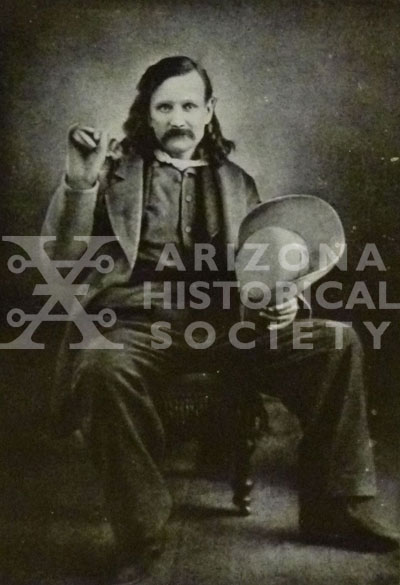
Swilling had been a Confederate soldier and deserter, a Union freighter and a prospector. During travels through the Salt River Valley, he noticed ancient Indian irrigation canals and figured they could be rebuilt to bring water to farms. He organized investors in 1867 and built the Swilling Ditch at the place we call Phoenix. Swilling found trouble in the alcohol and drugs he took to relieve headaches and back pain, and he was under investigation for stagecoach robbery when he died at the Yuma jail in 1878.
Godfrey & Stanley Sykes: Inventors, makers and menders of anything
Updated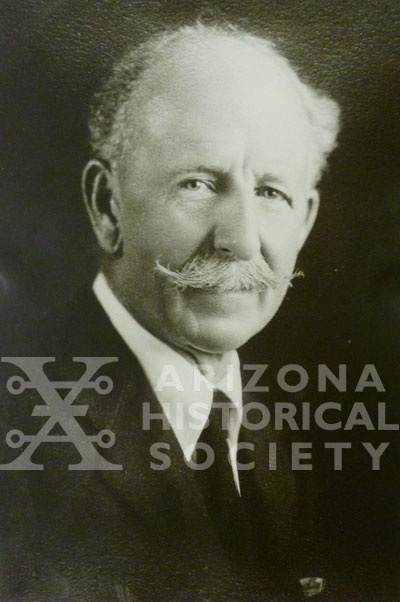
The English-born brothers arrived in Flagstaff in 1886 and soon opened a bicycle shop, where they advertised that they could fix almost anything. They gathered around them a group called “The Busy Bees” to exchange the latest scientific gossip. That’s how they came to know many of Arizona’s leading minds of the day. Though they had no experience, the brothers designed and built domes for telescopes in Flagstaff and Tucson. Stanley worked at Flagstaff’s Lowell Observatory for 46 years, while Godfrey moved to Tucson in 1906 to become facilities manager for the Carnegie laboratory on Tumamoc Hill. Godfrey explored and wrote about our desert and the Colorado River delta, among other research. His autobiography, “A Westerly Trend,” told how the Western frontier looked to a Britisher.
David King Udall: Mormon pioneer, polygamist, patriarch of leaders
Updated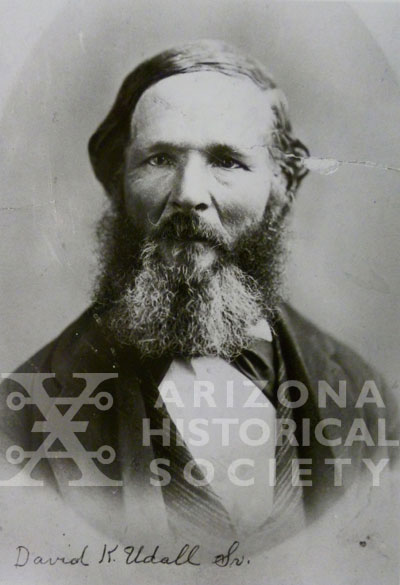
Udall was 29 when he was called upon by Brigham Young in 1880 to lead 50 Mormon families to Northeast Arizona, where they founded the town of St. Johns. His group was one of many that came here starting in the 1870s. Mormons established Pinetop, Show Low, Mesa, Safford, Thatcher and St. David, among others. By 1890, the census showed 6,500 Mormons in the territory. Mormons were admired for their hard work and community-building, including the opening of many schools. There also was hostility toward them, though, for the polygamist practices of some members, Udall among them. That eased after the church officially abandoned polygamy in 1890. Udall and his two wives had 18 children. Two became Arizona Supreme Court justices, one a state legislator and one a mayor of Phoenix. The next generation included three mayors and two U.S. congressmen — Stewart and Morris. The current generation includes two U.S. senators — Tom and Mark.
Harry C. Wheeler: Final captain of Arizona Rangers; rejected by U.S. Military Academy because he was too short
Updated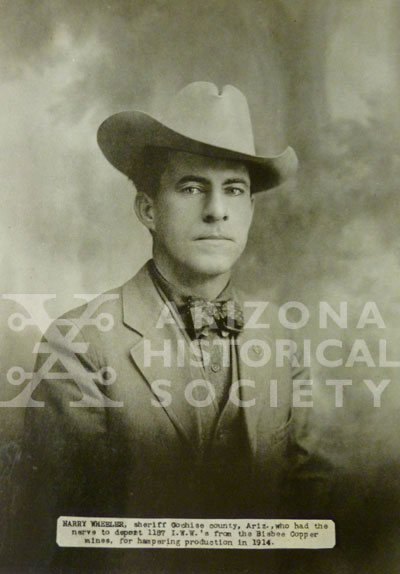
Taking a lead from Texas, Arizona’s Legislature in 1901 established a force of roving lawmen. It was called the Arizona Rangers, and it arrested thousands of cattle rustlers, train robbers, killers and others before it was disbanded eight years later. The Rangers concentrated their work in southeastern Arizona and had the cooperation of Mexican officials to cross the international line in pursuit of desperadoes. Wheeler was the third and final leader of the Rangers, a sometimes secretive bunch that included no more than 26 men at a time. He was paid $175 a month for the dangerous work and had to provide his own horse.
Henry Wickenburg: His mine produced riches, but not for him
Updated
The Vulture Mine northwest of Phoenix had so much gold that at first it was visible to the eye. Or so the lore goes. Wickenburg discovered it in the early 1860s, but didn’t have the financial wherewithal to develop it. He sold for $100,000 or less. Estimates of the Vulture’s production vary from $3 million to $30 million. Wickenburg did obtain something of lasting value — a town named for him.
As featured on

George Wiley Paul Hunt walked from his Phoenix hotel to the Capitol on Feb. 14, 1912 to be s…

In this year leading up to Arizona's centennial, on Feb. 14, 2012, we'll reprint a story or …

PHOENIX — Arizona is marking 110 years of statehood.

