

Photos: International Space Station Anniversary
- Updated
The International Space Station had its first regular inhabitants Nov. 2, 2000, and has been a temporary home to adventurers and scientists ever since.
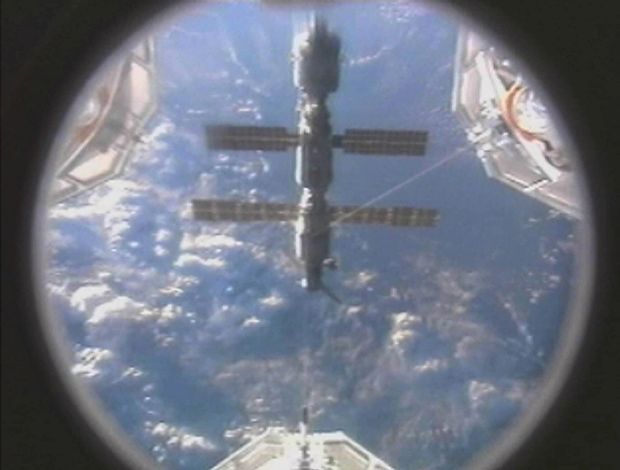
A camera mounted inside the docking hatch of Atlantis has a clear view of the International Space Station with the Earth in the background as the two crafts prepare to dock Sunday, Sept. 10, 2000. The station measuring 143 feet and weighing 67 tons will be stocked with supplies for future crews. (AP Photo/NASA TV)
- NASA TV
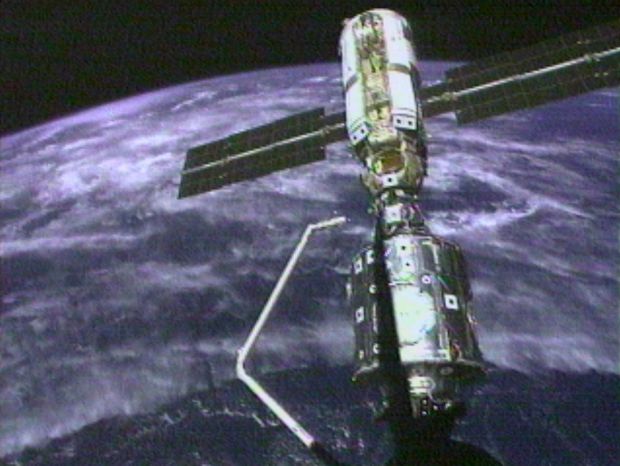
**FILE** In this Dec. 6, 1998 file photo, the robot arm of the Endeavour moves away from the docked Unity (bottom) and Zarya modules (top, with solar panels) as the first orbital assembly of the International Space Station was completed in a view from television. On Nov. 20, 1998, the first part of the space station was launched by the Russians from Kazakhstan. NASA followed up two weeks later with piece No. 2 carried up by a space shuttle. Astronauts and cosmonauts moved in two years later, and the rest, as they say, is history. (AP Photo/NASA TV, file)
- ASSOCIATED PRESS

The robot arm of the Endeavour moves away from the docked Unity (bottom) and Zarya modules (top, with solar panels) as the first orbital assembly of the International Space Station was completed in this view from television Sunday, Dec. 6, 1998.(AP Photo/NASA TV)
- AP
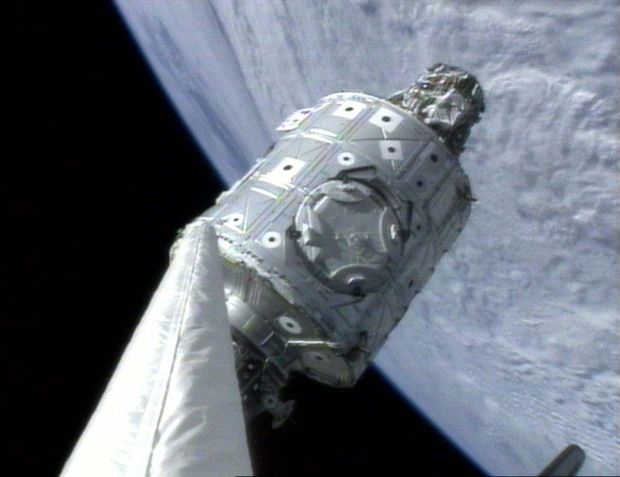
The 12.8 ton International Space Station module called Unity is lifted out of the payload bay of the Space Shuttle Endeavour Saturday, Dec. 5, 1998 in this image from NASA television. The shuttle is carrying the U.S. built module to orbit with the Russian built Zarya module.(AP NASA TV)
- ASSOCIATED PRESS
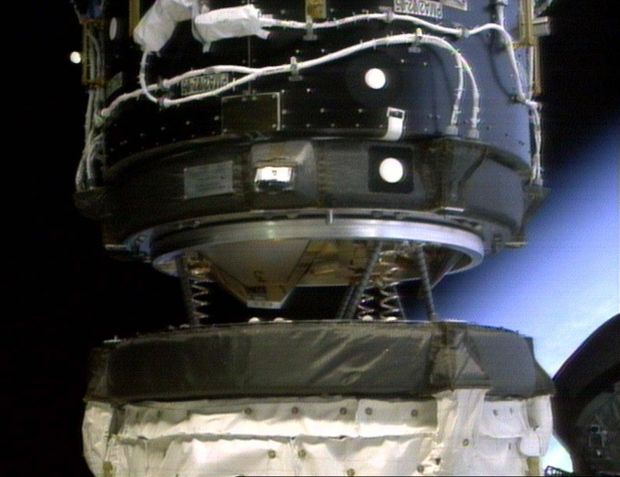
The 12.8 ton International Space Station module called Unity is connected to the docking module in the payload bay of the Space Shuttle Endeavour Saturday, Dec. 5, 1998 in this image from NASA television. The shuttle is carrying the U.S. built module to orbit with the Russian built Zarya module.(AP Photo/NASA TV)
- ASSOCIATED PRESS
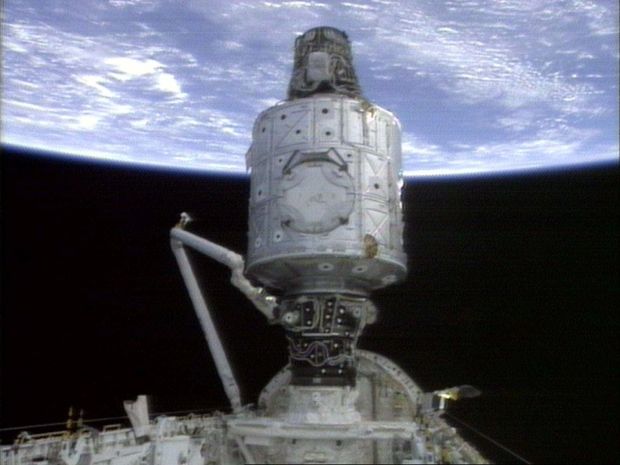
The 12.8 ton International Space Station module called Unity is firmly connected and sealed to the docking module in the payload bay of the Space Shuttle Endeavour Saturday, Dec. 5, 1998 in this image from NASA television. The shuttle is carrying the U.S. built module to orbit with the Russian built Zarya module.(AP Photo/NASA TV)
- AP
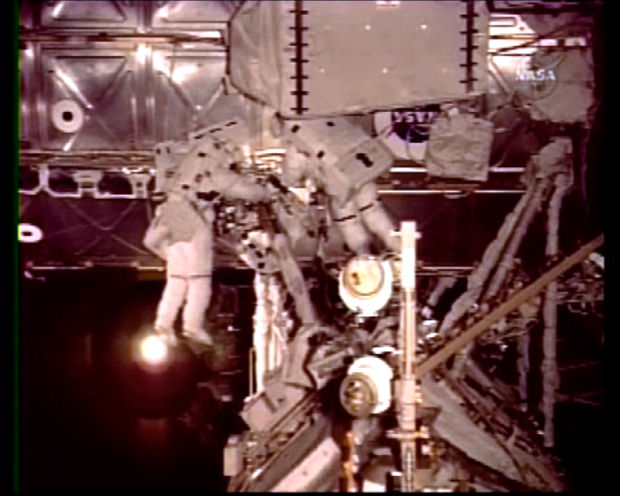
In this image from NAST TV, international space station Commander Peggy Whitson, right, and flight engineer Daniel Tani are seen during a spacewalk Tuesday, Nov. 20, 2007, as they wire the Harmony compartment that was delivered by the shuttle last month. (AP Photo/NASA TV)
- Anonymous
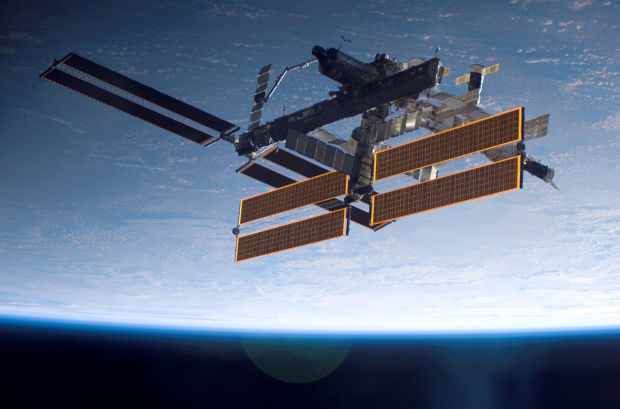
This view of the International Space Station, backdropped against a blue and white Earth, provided by NASA Saturday Sept. 17, 2006 was taken shortly after the Space Shuttle Atlantis undocked from the orbital outpost at 8:50 a.m. EDT. The unlinking completed six days, two hours and two minutes of joint operations with the station crew. Atlantis left the station with a new, second pair of 240-foot solar wings, attached to a new 17.5-ton section of truss with batteries, electronics and a giant rotating joint. The new solar arrays eventually will double the station's onboard power when their electrical systems are brought online during the next shuttle flight, planned for launch in December. (AP Photo/NASA)
- Anonymous
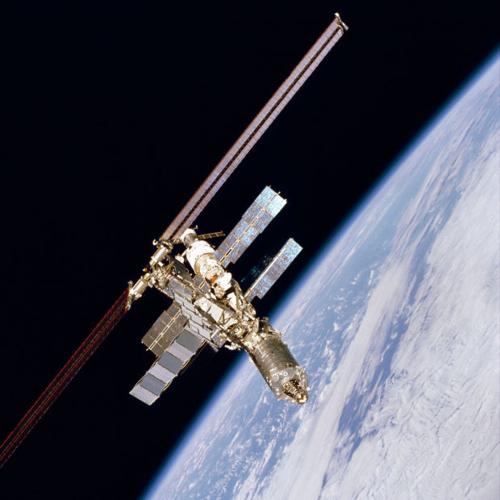
FILE - This Feb. 16, 2001 file photo provided by NASA, shows the International Space Station as it orbits the Earth. A discarded chunk of a Russian rocket is forcing six space station astronauts to seek shelter in escape capsules early Saturday, March 24, 2012. (AP Photo/NASA, FILE)
- Anonymous
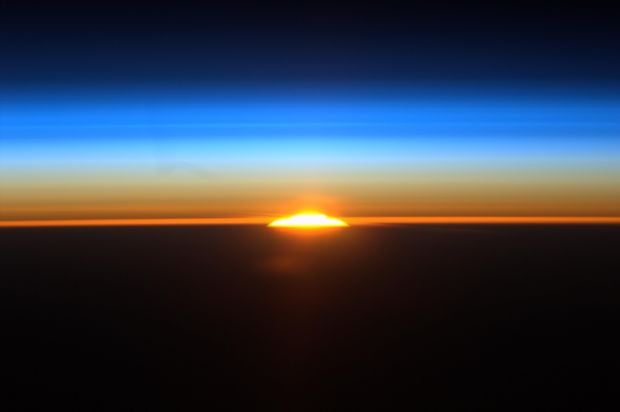
In this Sat., Aug. 27, 2011 photo provided by NASA and taken from aboard the international space station by astronaut Ron Garan, the sun rises above above the earth in one of the sixteen sunrises astronauts see each day. This sunrise image shows the rising sun as the space station flew along a path between Rio de Janeiro, Brazil and Buenos Aires, Argentina. (AP Photo/NASA)
- ASSOCIATED PRESS
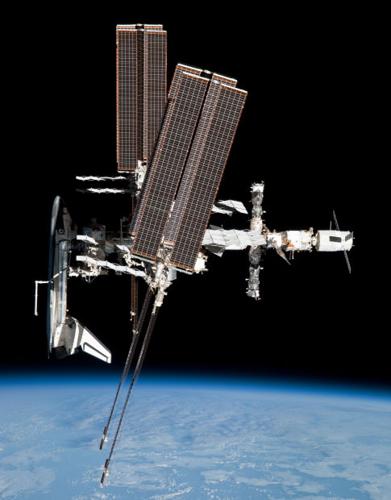
This May 23, 2011 photo released by NASA, shows the International Space Station and the docked space shuttle Endeavour, left, flying at an altitude of approximately 220 miles, in an image taken by Expedition 27 crew member Paolo Nespoli from the Soyuz TMA-20 following its undocking. It is the first-ever image of a space shuttle docked to the International Space Station. (AP Photo/NASA, Paolo Nespoli)
- Paolo Nespoli
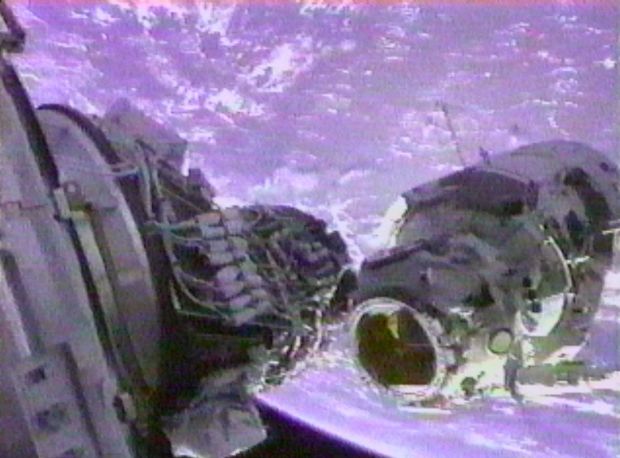
A television camera inside the shuttle Endeavour captured the American-made Unity module, left, and the Russian-made Zarya module before they were joined Sunday, Dec. 6, 1998. This view aired on NASA TV Monday, Dec. 7, 1998. (AP Photo/NASA TV)
- ASSOCIATED PRESS
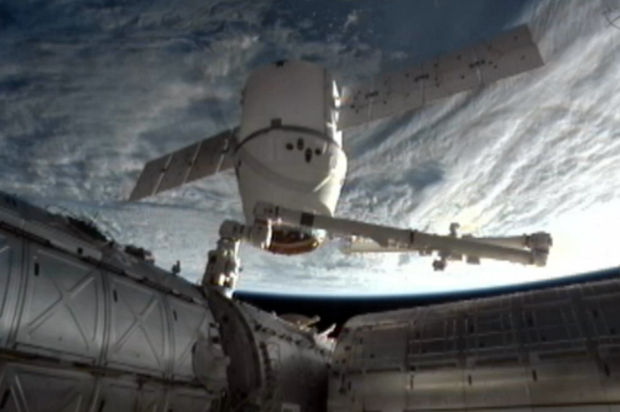
This image provided by NASA-TV shows the SpaceX Dragon commercial cargo craft as it is backed away from the International Space Station early Tuesday March 26, 2013 by the International Space Station's Canadarm2 robotic arm. The Dragon is expected to splash down in the eastern Pacific ocean approximately 246 miles off the coast of Baja Calif., later this morning. (AP Photo/NASA)
- Uncredited
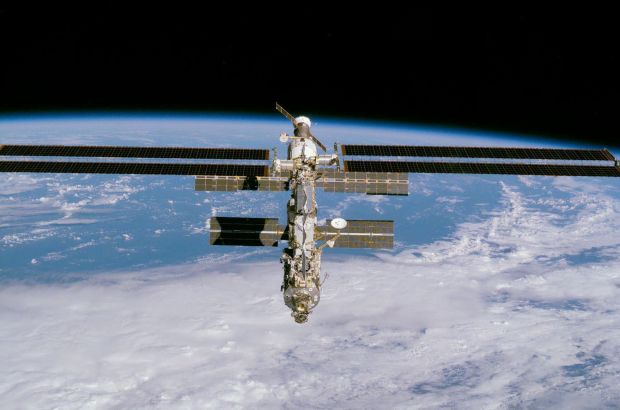
The International Space Station is shown in a digital still camera view Saturday, Dec. 9, 2000, during a fly-around by the Space Shuttle Endeavour. The 240-foot solar array installed by the crew of Endeavour during three spacewalks stretches across the frame. (AP Photo/NASA)
- Anonymous
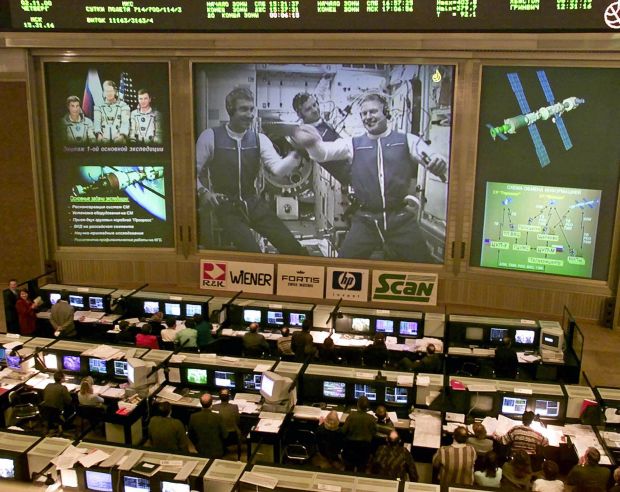
Operators of Russia's Mission Control center monitor the crew floating inside Expedition One floating international space station, at Korolyov, just outside Moscow, Thursday, Nov. 2, 2000. The central screen shows American astronaut Bill Shepherd, right, Russian cosmonauts Yuri Gidzenko, center, and Sergei Krikalev, left. The first residents floated into the space station about one and a half hours after their Russian Soyuz capsule docked at 12:21 p.m. (0921 GMT). (AP Photo/Mikhail Metzel)
- MIKHAIL METZEL
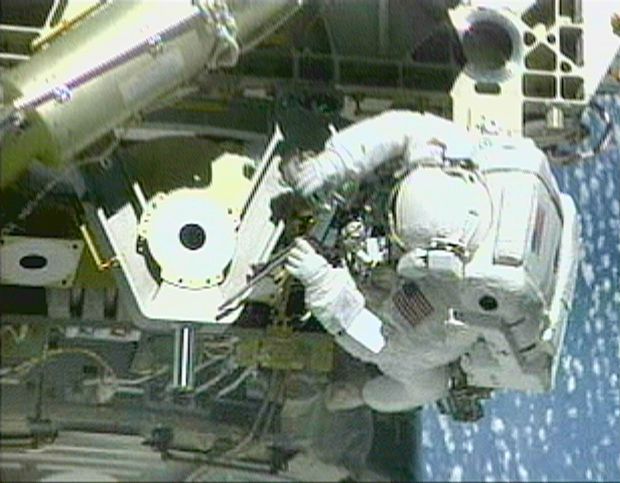
Astronaut Bill McArthur works on the Unity module of the international space station in this view from television Sunday, Oct. 15, 2000. McArthur helped to deploy and antenna boom that will be used by future space station residents. (AP Photo/NASA TV)
- ASSOCIATED PRESS
A camera mounted inside the docking hatch of Atlantis has a clear view of the International Space Station with the Earth in the background as the two crafts prepare to dock Sunday, Sept. 10, 2000. The station measuring 143 feet and weighing 67 tons will be stocked with supplies for future crews. (AP Photo/NASA TV)
- NASA TV

In this image from video made available by NASA, crew members aboard the International Space Station release Orbital Sciences' Cygnus spacecraft from the station's robotic arm Tuesday, Oct. 22, 2013. (AP Photo/NASA)
- Uncredited
**FILE** In this Dec. 6, 1998 file photo, the robot arm of the Endeavour moves away from the docked Unity (bottom) and Zarya modules (top, with solar panels) as the first orbital assembly of the International Space Station was completed in a view from television. On Nov. 20, 1998, the first part of the space station was launched by the Russians from Kazakhstan. NASA followed up two weeks later with piece No. 2 carried up by a space shuttle. Astronauts and cosmonauts moved in two years later, and the rest, as they say, is history. (AP Photo/NASA TV, file)
- ASSOCIATED PRESS
The robot arm of the Endeavour moves away from the docked Unity (bottom) and Zarya modules (top, with solar panels) as the first orbital assembly of the International Space Station was completed in this view from television Sunday, Dec. 6, 1998.(AP Photo/NASA TV)
- AP
The 12.8 ton International Space Station module called Unity is lifted out of the payload bay of the Space Shuttle Endeavour Saturday, Dec. 5, 1998 in this image from NASA television. The shuttle is carrying the U.S. built module to orbit with the Russian built Zarya module.(AP NASA TV)
- ASSOCIATED PRESS
The 12.8 ton International Space Station module called Unity is connected to the docking module in the payload bay of the Space Shuttle Endeavour Saturday, Dec. 5, 1998 in this image from NASA television. The shuttle is carrying the U.S. built module to orbit with the Russian built Zarya module.(AP Photo/NASA TV)
- ASSOCIATED PRESS
The 12.8 ton International Space Station module called Unity is firmly connected and sealed to the docking module in the payload bay of the Space Shuttle Endeavour Saturday, Dec. 5, 1998 in this image from NASA television. The shuttle is carrying the U.S. built module to orbit with the Russian built Zarya module.(AP Photo/NASA TV)
- AP
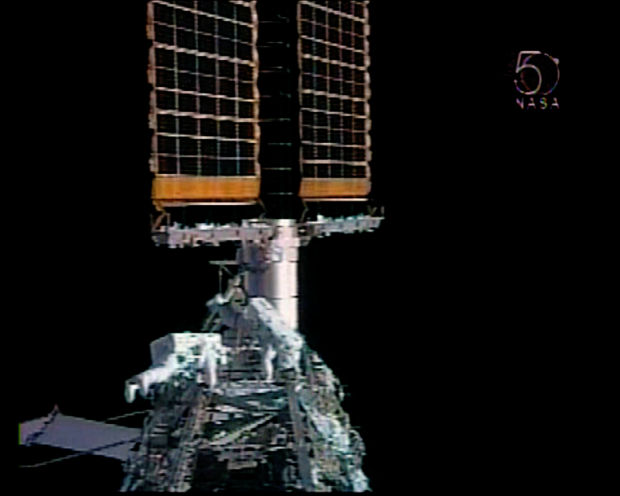
In this image from NASA Television space station flight engineer Dan Tani, left, and commander Peggy Whitson are seen during a space walk under a solar panel on the International Space Station, Wednesday, Jan. 30, 2008. (AP Photo/NASA TV)
- Anonymous
In this image from NAST TV, international space station Commander Peggy Whitson, right, and flight engineer Daniel Tani are seen during a spacewalk Tuesday, Nov. 20, 2007, as they wire the Harmony compartment that was delivered by the shuttle last month. (AP Photo/NASA TV)
- Anonymous
This view of the International Space Station, backdropped against a blue and white Earth, provided by NASA Saturday Sept. 17, 2006 was taken shortly after the Space Shuttle Atlantis undocked from the orbital outpost at 8:50 a.m. EDT. The unlinking completed six days, two hours and two minutes of joint operations with the station crew. Atlantis left the station with a new, second pair of 240-foot solar wings, attached to a new 17.5-ton section of truss with batteries, electronics and a giant rotating joint. The new solar arrays eventually will double the station's onboard power when their electrical systems are brought online during the next shuttle flight, planned for launch in December. (AP Photo/NASA)
- Anonymous
FILE - This Feb. 16, 2001 file photo provided by NASA, shows the International Space Station as it orbits the Earth. A discarded chunk of a Russian rocket is forcing six space station astronauts to seek shelter in escape capsules early Saturday, March 24, 2012. (AP Photo/NASA, FILE)
- Anonymous
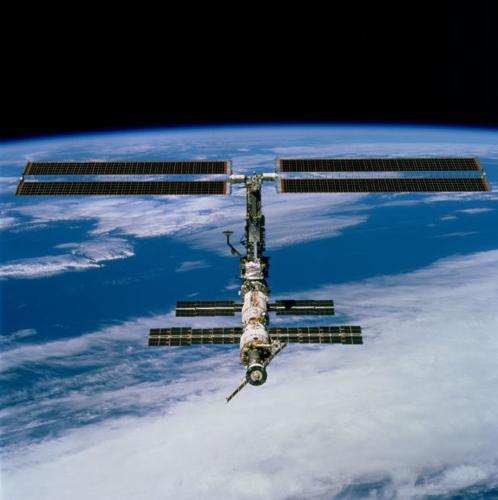
** FILE ** In this photo provided by NASA, the International Space Station is shown, Dec. 9, 2000. Wednesday, Nov. 2, 2005, marks the fifth anniversary of continuous human presence onboard the space station. (AP Photo/NASA, File)
- Anonymous
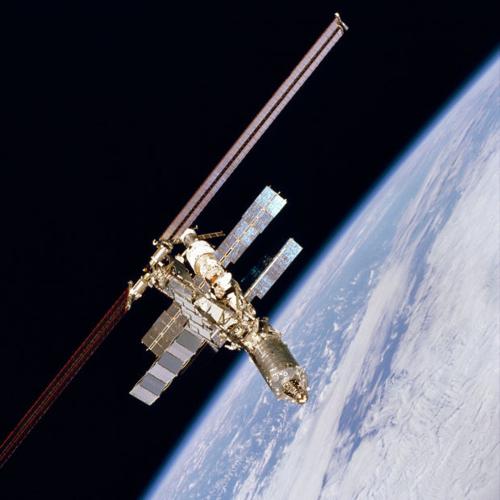
A water-purification system developed by Tucson-based Paragon Space Development Corp. may be initially used on the International Space Station.
- NASA
In this Sat., Aug. 27, 2011 photo provided by NASA and taken from aboard the international space station by astronaut Ron Garan, the sun rises above above the earth in one of the sixteen sunrises astronauts see each day. This sunrise image shows the rising sun as the space station flew along a path between Rio de Janeiro, Brazil and Buenos Aires, Argentina. (AP Photo/NASA)
- ASSOCIATED PRESS
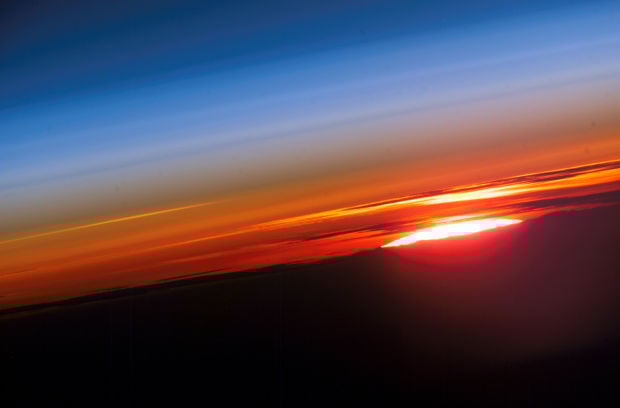
This image provided by NASA shows the profile of the atmosphere and a setting sun are featured in this image photographed by an Expedition 15 crewmember on the International Space Station June 3, 2007. (AP Photo/NASA)
- Anonymous
This May 23, 2011 photo released by NASA, shows the International Space Station and the docked space shuttle Endeavour, left, flying at an altitude of approximately 220 miles, in an image taken by Expedition 27 crew member Paolo Nespoli from the Soyuz TMA-20 following its undocking. It is the first-ever image of a space shuttle docked to the International Space Station. (AP Photo/NASA, Paolo Nespoli)
- Paolo Nespoli
A television camera inside the shuttle Endeavour captured the American-made Unity module, left, and the Russian-made Zarya module before they were joined Sunday, Dec. 6, 1998. This view aired on NASA TV Monday, Dec. 7, 1998. (AP Photo/NASA TV)
- ASSOCIATED PRESS
This image provided by NASA-TV shows the SpaceX Dragon commercial cargo craft as it is backed away from the International Space Station early Tuesday March 26, 2013 by the International Space Station's Canadarm2 robotic arm. The Dragon is expected to splash down in the eastern Pacific ocean approximately 246 miles off the coast of Baja Calif., later this morning. (AP Photo/NASA)
- Uncredited
The International Space Station is shown in a digital still camera view Saturday, Dec. 9, 2000, during a fly-around by the Space Shuttle Endeavour. The 240-foot solar array installed by the crew of Endeavour during three spacewalks stretches across the frame. (AP Photo/NASA)
- Anonymous
Operators of Russia's Mission Control center monitor the crew floating inside Expedition One floating international space station, at Korolyov, just outside Moscow, Thursday, Nov. 2, 2000. The central screen shows American astronaut Bill Shepherd, right, Russian cosmonauts Yuri Gidzenko, center, and Sergei Krikalev, left. The first residents floated into the space station about one and a half hours after their Russian Soyuz capsule docked at 12:21 p.m. (0921 GMT). (AP Photo/Mikhail Metzel)
- MIKHAIL METZEL
Astronaut Bill McArthur works on the Unity module of the international space station in this view from television Sunday, Oct. 15, 2000. McArthur helped to deploy and antenna boom that will be used by future space station residents. (AP Photo/NASA TV)
- ASSOCIATED PRESS
As featured on

The U.S. space capsule Gemini 3 took off for its 5-hour mission on March 23, 1965. It was th…
More information


View this profile on Instagram#ThisIsTucson 🌵 (@this_is_tucson) • Instagram photos and videos
Most viewed stories
-
Over 40 free events happening in Tucson this December! ⛄
-
Save the date! Here's the ultimate list of Tucson holiday events 🎄
-
A large list of fun and festive events in December! 🎄❄️
-
20 gifts under $20 from Tucson shops! 🎄🎁
-
17 festive holiday markets that support Tucson artisans
-
A giant guide to gifts made by Tucson makers and small businesses
-
Cafe Maggie suddenly closes doors on Tucson's North Fourth Avenue
-
Get fresh bread and flaky, buttery croissants at the MSA Annex's new micro-bakery 🥖
-
Where to get your tamales this holiday season, recommended by our readers
-
More than 40 fun events in Tucson, December 12-14! ❄️✨