


If you can drive a truck, move a package or dress a wound you’re likely to have no problem finding employment between now and the end of the decade.
And that’s because more people are shopping online and a greater percentage of Arizonans are becoming senior citizens in need of health care.
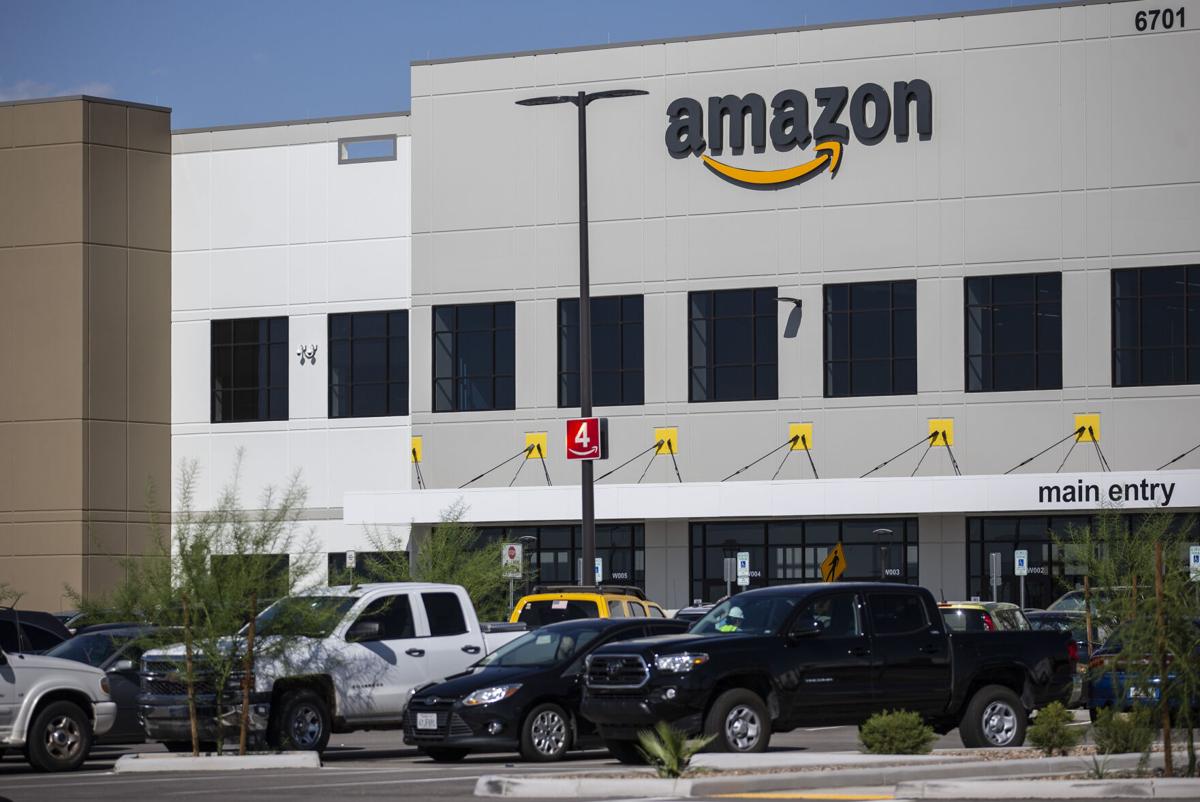
A new report Thursday shows that warehouse employment is projected to increase at the rate of 5.0% a year through 2030. Think all those fulfillment centers for Amazon and other online retailers.
And the demand for couriers — the folks delivering all those items — will go up 4.4% a year.
At the same time, the state Office of Economic Opportunity figures that employment at medical clinics and doctor’s offices will grow by 4.2%. And there will be a 4.5% annual increase in jobs at nursing homes and other residential care facilities.
How strong is that?
The state Office of Economic Opportunity figures that overall employment in all sectors will grow by 2.2% annually.
Not that that is anything to sneeze at. By contrast, job growth in the rest of the country is projected to be just 0.7% a year.
Several things are driving all that.
It starts with the increasing number of consumers who prefer to point and click their way to purchases.
Doug Walls, the agency’s labor market information director, said that already had been occurring in the past decade. But it was the COVID pandemic that really boosted online buying, going as high at 15.7% of total purchases nationally.
That has dropped a bit as consumers feel more comfortable going back into stores — but just to 13.3%.
“But it’s likely to continue that upward trend as consumers get more comfortable with online shopping and as it just becomes more convenient for them as well,” Walls said.
Of course, that comes at the expense of brick-and-mortar retailers. In fact, the agency predicts that employment in retail trade will lag at just 0.8% a year.
As to those health care jobs, think about a graying Arizona. More older folks means greater medical needs.
How much?
Walls cites a study which shows that nearly half of any individual’s lifetime medical expenses are incurred during the senior years, meaning those 65 and older.
Construction employment also is expected to outpace the statewide average.
What’s driving that starts with population growth.
Walls said the number of Arizonans is increasing by about 1.8% a year, largely due to people moving here from other states. That was good enough to rank second in the country in 2020.
The national average is 0.4%.
All that translates into the need for more housing, which has not kept pace with demand which slowed during the last decade.
Consider: Home prices in Arizona increased 18.7% between the second quarter of this year and the same time a year earlier. That’s the largest year-over-year increase in 14 years.
That, said Walls, will provide an incentive for more construction — and a need for more workers.
It’s not just that demand for homeownership that is driving that need.
He said that the current vacancy rate for residential rentals is at 4.7%, a figure he said is at near historic lows. Walls said that, too, will mean the need for more workers.
The new report also predicts a strong rebound for the leisure and hospitality sector of the economy that was hit hard and fast by the COVID outbreak.
In just the two months between February and April 2020, total employment dropped by 146,600 jobs. That’s more than 43% of those working in the industry.
It has recovered somewhat, though it still remains about 25,000 below its pre-COVID peak of 336,200.
Walls is predicting that employment at hotels and resorts will grow at the rate of 3.7% a year between now and the end of the decade. He also predicts a 2.6% annual growth rate at bars and restaurants as they recover those lost jobs.
On the other side of the equation, the report predicts a decline in employment at stores that sell electronics and appliances, likely the flip side of the trend toward online purchases. Ditto the number of people working in selling sporting goods, hobby items and books.
And there will be fewer people working in publishing in 2030 than now, with the lone exception being internet firms.
All this, Walls cautioned, assumes no major disruptions in the economy, including from COVID, though he noted that the infection rate has increased since August.
Not surprising is the largest employment growth will come in Maricopa County, which is expected to see a 2.4% annual growth rate.
But from there, there is less correlation between the size of the county and how fast the new jobs will come.
For example, Pima County, at No. 2 population-wise, will actually see just a 1.3% annual job growth, putting it no higher than No. 8 among the 15 counties. Instead, it is Pinal County that will have the second-fastest job growth at 2.2%.


