





An Arizona bill that would have given dental benefits to pregnant women enrolled in Medicaid failed because of bad timing, not a lack of support, the bill’s sponsor says.
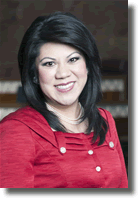
“Everyone had to put aside key priorities to be able to fund the teacher pay raise,” Senate majority leader Kimberly Yee, a Republican from Phoenix, said Thursday. “This (dental bill) was one I put aside.”
Yee’s bill would have given pregnant women enrolled in Arizona’s Medicaid program up to $1,000 per year in comprehensive oral health benefits, including preventive care. A similar measure failed last legislative session, too.
The bill’s failure was a “missed opportunity” to improve public health, said Will Humble, executive director of the Arizona Public Health Association, which supported the bill.
“We think it will reduce the number of premature births and a subportion of higher-expense babies who may be in the hospital for more days,” Humble said.
Advocates say the measure could improve birth outcomes, as gum disease can be passed from pregnant moms to their babies.
Humble said giving oral health care to women during pregnancy is a “teachable moment” for counseling women on cavity prevention for themselves and for their babies. Cavities are the most common chronic disease affecting children in the United States, the U.S. Centers for Disease Control and Prevention says.
Physical and nutritional changes that occur during pregnancy raise the risk of dental and gum problems. About one-third of pregnant women in the state have gum disease, the Arizona Public Health Association estimates.
The March of Dimes in Arizona, which also supported the bill, says the premature birthrate in women without periodontal (gum) disease is about 11 percent, compared with a rate of nearly 29 percent in women with moderate to severe periodontal disease.
“The scientific jury is still out on whether the link is causal or just correlative,” said Breann Westmore, director of maternal child health and government affairs for the March of Dimes’ south-central region.
“But there is a considerable amount of literature on the link that suggests the inflammatory mediators produced in response to periodontal disease affect placental function, which can lead to induction of labor and poor fetal outcomes.”
Bipartisan support
Arizona’s Medicaid program is called the Arizona Health Care Cost Containment System, AHCCCS, and is a government health insurance program for low-income people. The mothers of more than half of the babies born in Arizona each year are covered by Medicaid.
Pregnant women with an annual income of up to 156 percent of the federal poverty level (nearly $19,000 per year for a single person) qualify for the program, which currently enrolls 21,000 women.
Yee is leaving the Senate to run for state treasurer, but said she’s confident the measure will have legislative success in the future. She stressed the bill had overwhelming bipartisan support when it passed the Senate, but that it stalled in the house during the budget process.
“There were so many co-sponsors, so it wasn’t a lack of support,” Yee said. “It was a timing issue.”
While the legislature’s focus on K-12 education was a key reason the dental bill did not move forward, disparate estimates of how much the measure would cost were another.
Yee’s original bill placed the state’s direct cost at an estimated $268,000 per year. The Joint Legislative Budget Committee (JLBC) came up with a secondary cost estimate of up to $3.7 million per year.
That JLBC analysis assumes the benefit could result in more pregnant women on AHCCCS seeking prenatal care and drive up costs, since the “pregnant” category of AHCCCS has a less favorable formula for federal matching funds than the regular population.
It’s always good public health policy for women to get prenatal care and prevent expensive conditions like preeclampsia, gestational diabetes and other issues that can be addressed during pregnancy but could result in costly medical care if they are not, Humble said.
“You have to believe that the secondary cost of preventive care is less than whatever it costs on the emergency side,” he said.
Long-term investment
It took seven years to get an emergency benefit for adults on AHCCCS restored after it was slashed in 2010, said Kevin Earle, executive director of the Arizona Dental Association.
Earle is optimistic the dental benefit for pregnant Medicaid enrollees will eventually pass, too.
“I think the problem was that this, along with other budgetary items, got caught in the Red for Ed tide,” Earle said. “We thought we had pretty good prospects until a lot of that started up.”
But Earle said supporters, who include the American Congress of Obstetricians and Gynecologists, Protecting Arizona’s Family Coalition and the Phoenix-based Children’s Action Alliance, remain enthusiastic about getting it passed.
“Potentially there are some budgetary impacts in the short-term, but clearly the long-term impacts of healthier pregnancies and healthier babies far outweighs the minimal investment in dental care.”

