




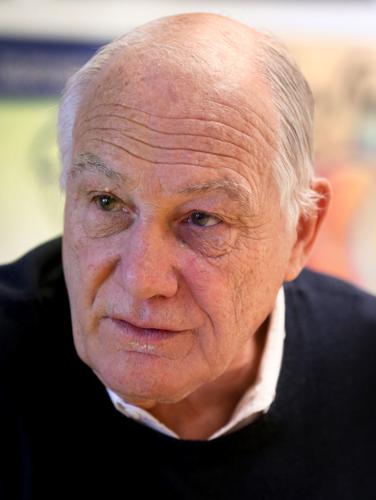

The operator of El Tour de Tucson has paid off its overdue debt to taxpayers and intends to stage the premier cycling event again this year despite its financial struggles.
Perimeter Bicycling Association of America, the nonprofit that runs El Tour, headed off a potential Pima County lawsuit late Thursday when it finished paying off a $180,000 bill for traffic-control services that had gone unpaid since December.
Though awash in red ink in recent years, Perimeter was able to make good on the overdue bill with donations from community members and Perimeter board members, said board chairman Pat Lopez.
But the next El Tour this fall could cost up to $1.3 million, money the organization doesn’t have yet and is hoping to raise before the 2019 race bills come due.
Lopez said he’s optimistic.
“I think there’s a huge amount of support in the community for the ride and what it’s done for Tucson,” he said, noting El Tour has helped raise tens of millions of dollars for charity since it began 36 years ago.
“We’ve heard from a lot of charities who have strongly encouraged us to keep going,” Lopez said.
El Tour still doesn’t have a title sponsor for 2019, a critical need because the $200,000 fee for title sponsorship represents roughly 15% to 20% of the expected budget for this year’s event. Lopez said the board is in discussions with two potential title sponsors, but acknowledged one of them is having difficulty obtaining the necessary funds.
Beyond finding a title sponsor, El Tour is actively courting additional support. Many past supporters pledged to contribute in 2019 on the condition that the board address management problems identified in an Arizona Daily Star story in March.
“We are actively working with a number of sponsors who said, ‘We’ll sponsor you in 2019 but we want to know that you’ve taken care of the problems,’” Lopez said.
The Star found El Tour’s traditional ridership fell more than 30 percent over the past decade as sponsorships declined, resulting in six-figure operating losses in 2015, 2016 and 2018.
El Tour’s founder and longtime chief executive Richard DeBernardis agreed to step down and assume an advisory role for 2019 while the board works to stabilize finances and eventually hire a new CEO.
Now that the county bill is paid, DeBernardis can continue to draw his $108,000 salary until year’s end. The board voted in March to cut his pay in half until the bill was paid, but he volunteered to go without pay entirely until then.
Lopez said Perimeter recently reviewed the organization’s finances and determined that no money was missing and funds are properly accounted for.
This year’s El Tour will be similar to years past, with possible additional attractions, such as live music, to increase participation, he said. But substantial changes are likely in 2020, such as fewer races and route changes to reduce costs, and the possibility of companion events spanning the entire El Tour weekend.
Lopez said the Perimeter board has five new members, all cyclists: Tucson attorney Natasha Wrae; Steve Morganstern, owner of Bicycle Ranch Tucson; Charmaine Lang, a CPA; Tucson businessman Yoram Levy; and software development manager Lee Walker.
The new board members replace several who had served for decades and have brought new ideas and energy to the organization, Lopez said.
El Tour and its supporters have been relying in part on GoFundMe online fundraising campaigns to raise money for the organization, but with limited success so far.
A campaign by a businessman to pay off the $180,000 debt fizzled after $1,200 was raised. A second campaign, launched last month by Perimeter itself, has raised almost $7,500 so far, about 10 percent of its $75,000 goal.
A third campaign, run by local Rotary Club members, is trying to raise $200,000 by May 1 to have Rotary named as this year’s title sponsor. That campaign has raised less than $10,000 with a few days remaining until the deadline.
Pima County Administrator Chuck Huckelberry, who had threatened a lawsuit if Perimeter didn’t repay the county, said he met recently with board officials and believes they have made the changes necessary to operate successfully in the future.
“I think the crisis had to happen in order to facilitate change,” Huckelberry said of the fallout from El Tour’s unpaid county bill.
“Now they’ve basically got nowhere to go but up.”

