



The partial shutdown of the federal government is delaying a Tucson lawsuit over conditions inside Border Patrol holding rooms, at a time when the deaths of two children in custody in New Mexico have put the agency under intense scrutiny.
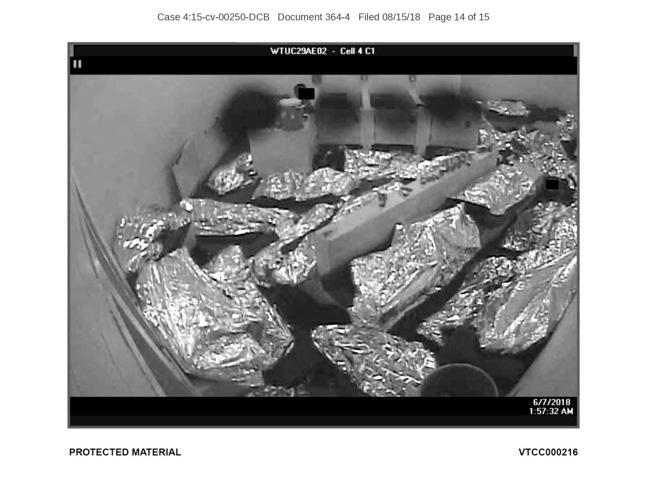
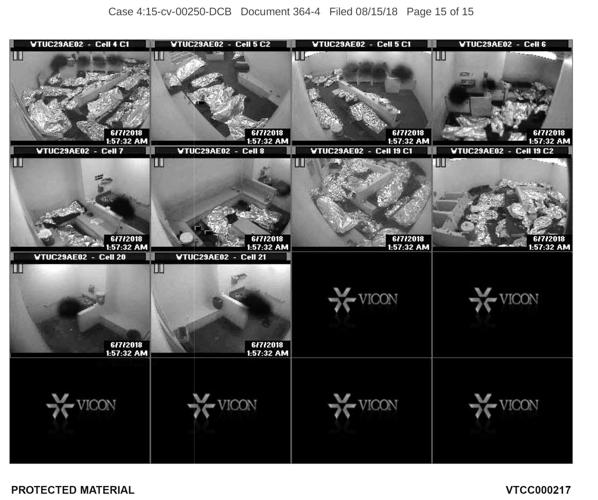
A federal judge ordered the Border Patrol in November 2016 to improve sleeping conditions at Southern Arizona holding rooms, known among migrants as “iceboxes” for the cold temperatures inside. But video footage from June showed that detainees “continue to be held in crowded cells, forced to lie next to toilets and repeatedly stepped over,” attorneys representing detainees said in documents filed in U.S. District Court in Tucson.
The Department of Justice was due to respond in the next few days, but the department’s attorneys are “prohibited from working, even on a voluntary basis” during the shutdown, according to a Dec. 27 request to move back their deadline. An exception is an emergency “involving the safety of human life or the protection of property.”
That exception fits the current situation, attorneys for detainees said in a Dec. 28 motion opposing any changes to the deadline. The lawsuit “challenges the inhumane and punitive conditions of detention” in Border Patrol facilities in the Tucson Sector, which implicates the “safety and well-being” of detainees.
“Addressing these safety concerns are even more salient in light of recent reports regarding the deaths of two children in (Customs and Border Protection) custody and prolonged detentions in overcrowded Tucson Sector facilities,” wrote attorneys with the Morrison and Foerster law firm, which represents detainees alongside the ACLU and immigrant rights groups.
They also pointed to the four months the Justice Department has had to respond to the Aug. 15 request to submit the video footage as evidence, as well as the need to resolve the case as efficiently as possible.
The video footage, which was taken by Border Patrol cameras, could play a key role in a request for summary judgment against the agency. The motion was sealed, but related court filings say it dealt with “defendants’ obligation to provide beds.”
Immediately after Judge David C. Bury’s 2016 order for sleeping mats and blankets to be provided to detainees in custody for 12 hours or more, the Border Patrol distributed the mats and blankets to all eight stations in the Tucson Sector, the agency said in a December 2016 court filing.
But attorneys representing detainees said the footage from June contradicts the Border Patrol’s assertion that poor sleeping conditions ended shortly after Bury’s order, according to the Aug. 15 motion.
Supervisory Border Patrol Agent Michiko Enciso countered that the June footage came as the Tucson Sector saw a “significant surge in monthly apprehensions” from March to July.
The footage showed the Tucson station from midnight to 6 a.m., when the station typically is at maximum capacity, Enciso wrote in a Sept. 5 declaration. During those hours, the Tucson station accepts detainees from other stations as they prepare to be deported at the U.S.-Mexico border or by plane. Others are bused from the Tucson station to the federal courthouse or placed in Immigration and Customs Enforcement custody.
Within hours of the time stamps on the video, most of the people were out of Border Patrol holding rooms, Enciso wrote.
As the lawsuit unfolds in Tucson, the Border Patrol is asking other federal agencies for help with medical care and overcrowded stations in the El Paso area, where a 7-year-old girl and an 8-year-old boy, both from Guatemala, died in separate incidents this month while in custody.
Calling the most recent death a “tragic loss,” U.S. Customs and Border Protection Commissioner Kevin K. McAleenan ordered secondary medical screenings for all children in Border Patrol custody.
Department of Homeland Security Kirstjen Nielsen visited El Paso last week to review medical screenings and conditions at Border Patrol stations. She was scheduled to visit Yuma over the weekend.

