

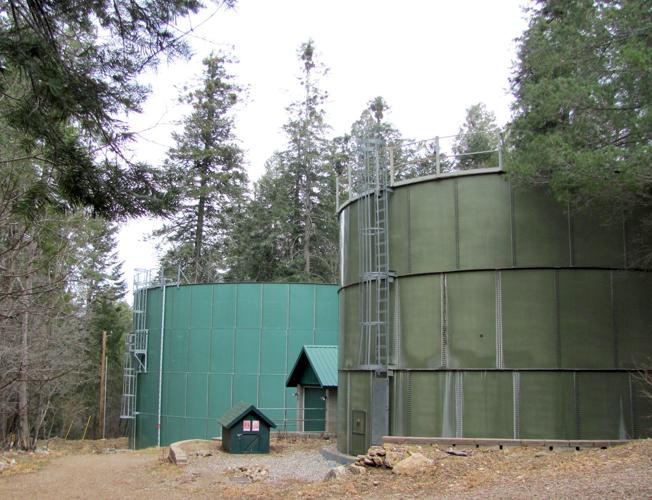

Critical water storage tanks high in the Catalina Mountains are full, thanks to some late-winter snow and rain, but the mountains have become “tinderbox dry” since then, says the manager of the Mount Lemmon Water District.
“We’re cautiously optimistic, but we can’t predict the weather,” said manager Michael Stanley. “Even though we have water available now, as it gets drier we want to hold back some water for firefighting and convince our water customers to be conservative.”
At least average monsoon rains will be vital to keeping water supplies adequate, Stanley said.
“If we get that, we’ll probably be all right,” he said. “We love seeing precipitation. But a lot of times it’s either feast or famine. ... Still, this is the driest I’ve seen it up here at this time of year.”
“Right now, we’re tinderbox dry. The snow is gone. We used to get 100 inches of snow in the winter. But in the last few years, we’ve had only 4 or 5 or 6 feet (from 48 to 72 inches) of snow.”
SPRING SOURCES
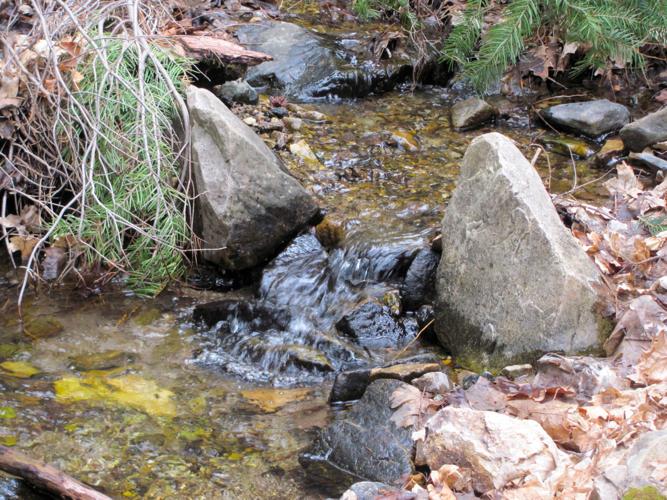
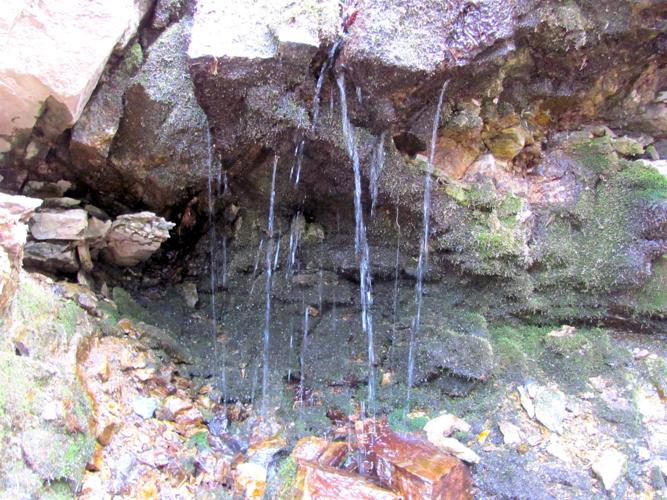
Water for the Mount Lemmon District’s approximately 400 customers, thousands of visitors and firefighting comes from springs fed by precipitation.
One of the springs, tucked away high in a canyon, was flowing at what could be called a fast drip over the past weekend.
“Now, we have about 18 gallons a minute” coming from two main spring sources, Stanley said. “We might normally be getting 30 or 32 gallons a minute at this time of year.”
Water that arrived as rain and snow has resulted in a current supply of 2 million gallons in storage tanks.
One tank in Upper Sabino Canyon near the mountain village of Summerhaven holds 800,000 gallons and another there holds 200,000 . An additional 1 million gallons is stored in tanks elsewhere in the mountains.
“Our season (for crowds of visitors) typically starts on Memorial Day,” Stanley said. “June is usually our driest month, and I’m worried about fires.”
All that means abundant monsoon rains will be needed to keep those now-adequate water supplies from dwindling.

