



Note to readers: Arizona Daily Star copy editor Myles Standish is the great-great-great-great-great-great-great-great-grandson of Myles Standish, who was among the 41 men who signed the Mayflower Compact in 1620.
The historic document is worth remembering, especially in this week of Thanksgiving.
***
About 396 years ago today — long before football, parades and shopping —there were Pilgrims, Plymouth Rock and the Mayflower Compact.
Before settling down for an afternoon of turkey and pie, we're taking a moment to review one of the nation's founding documents that is intrinsic to today's Thanksgiving celebration.
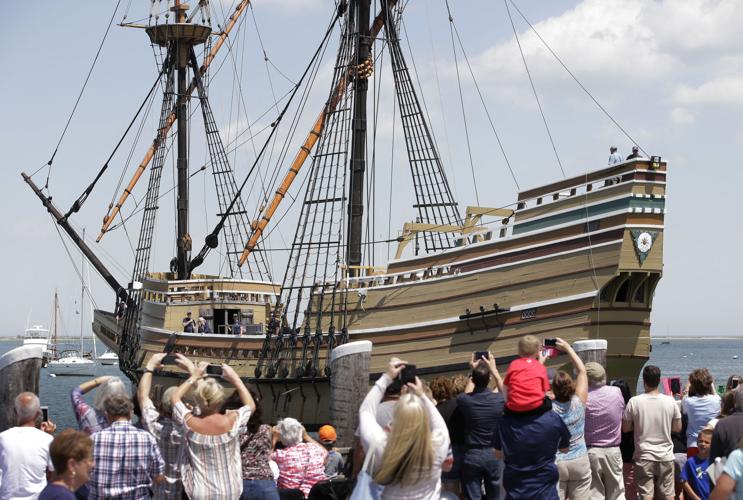
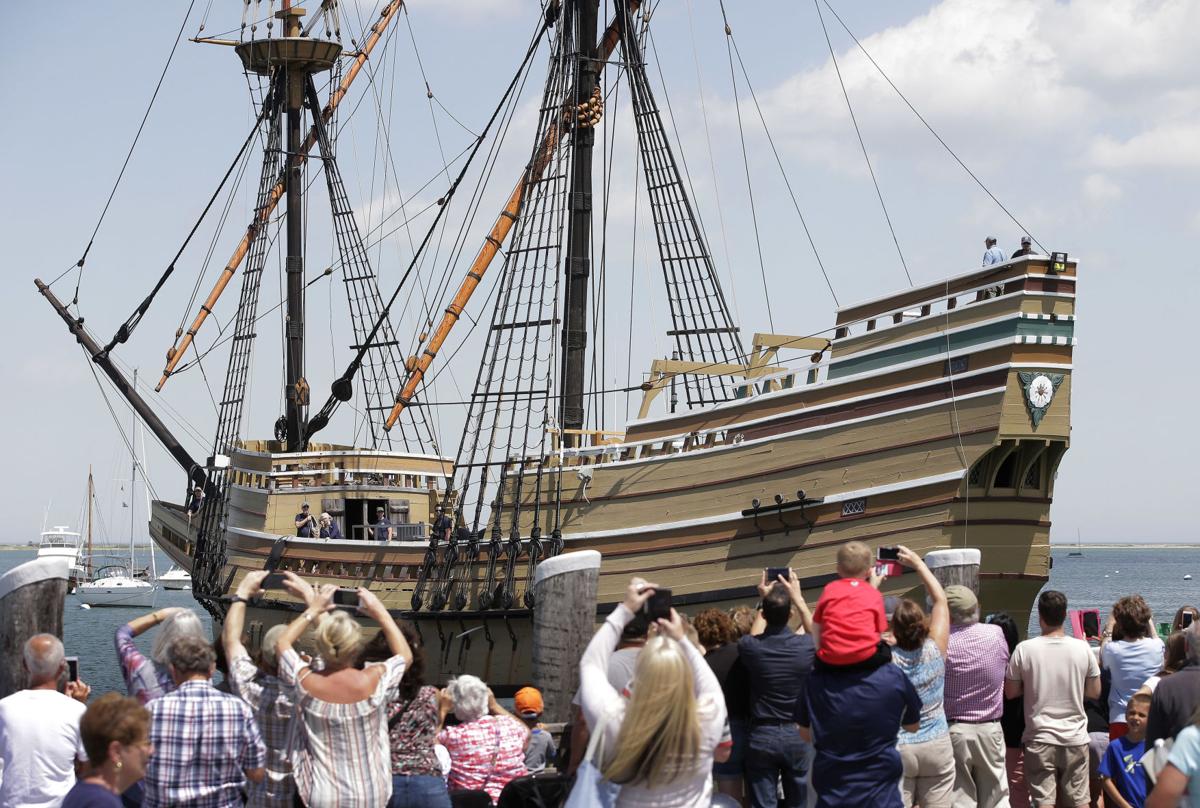
As you'll recall from history class, the Pilgrims, a branch of the Puritans, sailed across the ocean on the Mayflower toward the New World to live following their strict religious beliefs. The group landed off the Massachusetts coast in November 1620.
They learned from the disarray caused by lack of government and leadership in the earlier English settlement at Jamestown in Virginia and pulled together a consensus document, a social contract — the Mayflower Compact.
The compact was not the United States' "first constitution" — a common misconception — because it did not outline a governmental framework. Rather, the compact is a foundation for government written with the ideals of abiding by majority rule and cooperating for the general good of the colony.
The original Mayflower Compact document is lost, but several accounts, most notably William Bradford's handwritten journal that chronicled the history of the first 30 years of Plymouth Colony, agree that the Mayflower Compact read:
"IN THE NAME OF GOD, AMEN. We, whose names are underwritten, the Loyal Subjects of our dread Sovereign Lord King James, by the Grace of God, of Great Britain, France, and Ireland, King, Defender of the Faith, &c. Having undertaken for the Glory of God, and Advancement of the Christian Faith, and the Honour of our King and Country, a Voyage to plant the first Colony in the northern Parts of Virginia; Do by these Presents, solemnly and mutually, in the Presence of God and one another, covenant and combine ourselves together into a civil Body Politick, for our better Ordering and Preservation, and Furtherance of the Ends aforesaid: And by Virtue hereof do enact, constitute, and frame, such just and equal Laws, Ordinances, Acts, Constitutions, and Officers, from time to time, as shall be thought most meet and convenient for the general Good of the Colony; unto which we promise all due Submission and Obedience. IN WITNESS whereof we have hereunto subscribed our names at Cape-Cod the eleventh of November, in the Reign of our Sovereign Lord King James, of England, France, and Ireland, the eighteenth, and of Scotland the fifty-fourth, Anno Domini; 1620."

