



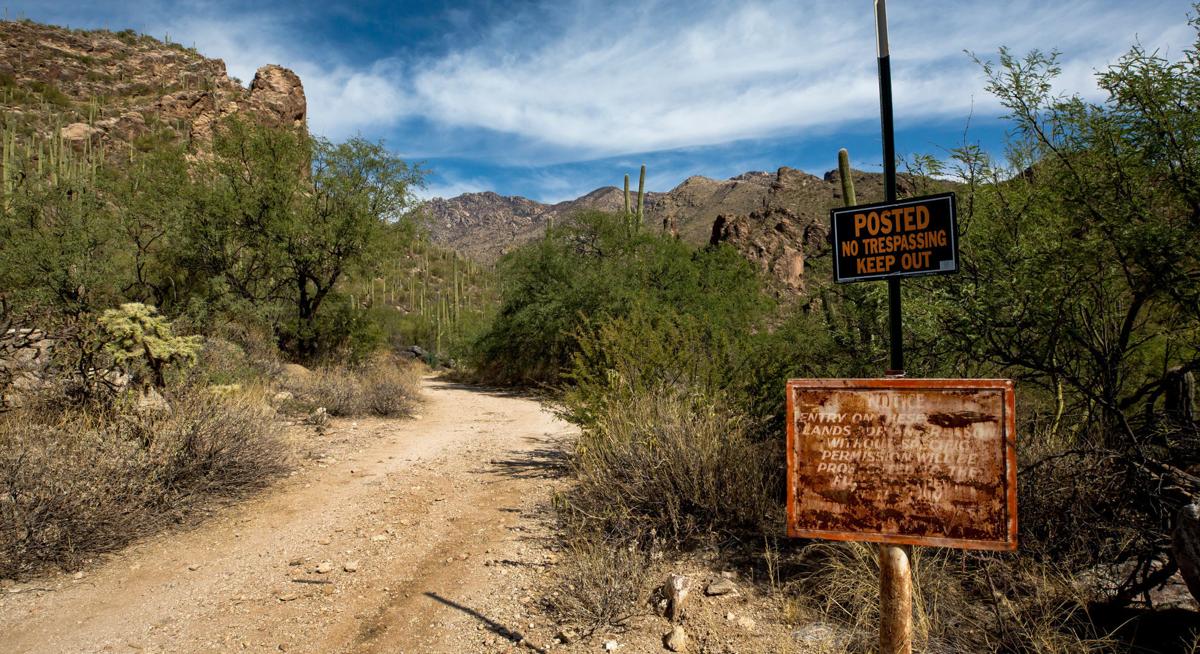
It’s only one house, planned for the edge of Coronado National Forest, on a lot bisected by a popular public hiking trail.
But a dispute over whether to serve this Catalina Foothills home with Tucson water is a test of a newly toughened city attitude about trading water for possible future annexation.
The home would be built on a 20-acre private parcel lying amidst saguaro, mesquite and prickly pear just before Ventana Canyon Trail meets the national forest.
As builder Albert Moussa sees it, his plan embodies environmental sensitivity. He has committed to keeping densities low on land whose zoning allows up to six homes.
He plans to grade less than an acre total for the home and a dirt road, which already exists along with a building pad.
“If you have any environmental conscience, you really have to support this,” he said.
But a coalition of environmental and other community groups opposes Moussa’s request for city water, since his unincorporated parcel lies 5.1 miles north of city limits. The City Council must approve his request.
Moussa seeks to sweeten the pot for Tucson by pledging to build a fire hydrant, for use by city and suburban firefighters and Forest Service firefighters.
“This property is going to develop anyway. Isn’t it better if you have the water there for public use?” he said.
The coalition, however, sees the parcel’s annexation prospects as dim, given the historic opposition to annexation from many foothills residents.
Moussa says his client will happily annex when the city wants him to. But Tucson official Kevin Burke wrote recently that “annexation of the subject parcel is highly improbable.”
Burke, deputy director of economic initiatives, didn’t elaborate on that comment, which responded to a City Council inquiry.
The council will hear Moussa’s request on Nov. 17. It will be the first time a specific landowner’s request for a pre-annexation and development agreement to get water has drawn controversy.
The Bighorn Fire burning in the upper elevations of Ventana Canyon in the Santa Catalina Mountains north of Tucson on June 19, 2020. Fire managers expected unburned fuel to feed the fire. Fire lines below should keep the fire from backing into the foothills and homes. Video by Josh Galemore / Arizona Daily Star
Proposal would require lifting water to homesite
The agreements have been routinely granted since 2010, when the council overhauled policies for serving water outside city limits. The council has approved 94 of them, covering 1,400 acres, in which a landowner seeking city water agrees to be annexed when the city is ready.
And City Manager Michael Ortega endorses this latest proposed agreement. It meets city policy to pursue annexation of vacant land within the city’s water service area, considering “the development/growth potential, projected revenues ... and projected costs and capability to serve the area, and the strategic importance of the area,” Ortega wrote in a memo.
But due to the site’s remoteness, Councilman Paul Cunningham opposes this agreement.
The council already signaled its intent to overhaul other policies for such agreements. Last month, it asked city staff for proposals to charge fees to landowners who sign such agreements, and to charge the future homeowners higher water rates than city residents until they annex.
There’s plenty of other land ready for future pre-annexation water agreements. This site and nearly 17,460 other acres lie within what Tucson Water calls “potential expansion areas.”
Many of these lands, like this parcel, lie far from city limits. Others directly abut them.
Cunningham said getting city water to this homesite will require installing some kind of booster pump setup to lift water.
Tucson Water officials say they won’t know specifics on what will be needed until reviewing engineering drawings, but said in an email, “Certainly the pressure will need to be boosted and offsite improvements will be required.”
“He could come and convince me ways to justify it economically and ecologically, but I don’t think it’s ever going to happen,” Cunningham said of Moussa. “Why would we build a booster for one house?”
From now on, it makes sense for the council to consider each pre-annexation request more carefully, and turn down those that aren’t justified, said Councilman Steve Kozachik.
“If we are presented with one in an area around Sabino Canyon and we have a low water table that we want to protect from wildcat drilling, that makes sense,” he said. “If we have one like this one, 5 miles from city limits … if it is separated by a bunch of people who say, ‘No way in hell I’m going to go into the city,’ then why are we doing this?”
“They should beg him” to take city water
To reach this parcel, the public hiking trail winds through a 15-foot-wide easement amidst private lands owned by Moussa’s client, Brian Schroeder and others for about a mile from the parking lot of Loew’s Ventana Canyon Resort.
The canyon flows from north to south, “forming what can almost be described as a deep gorge” in this area, a Tucson Water staffer said in a recent email. The nearest city water main is 1,380 feet south, the email said.
Schroeder paid Moussa $1.1 million for it last April. In selling the land, Moussa limited its development to one home.
“It’s very spiritual, like you were in Sedona. The natural look of the area is so spiritual. That’s why he wanted to keep it natural like this,” Moussa said to explain why his client would agree to build only one house. “He thinks it is a very beautiful area.”
Schroeder has obtained state permission to drill a well and will do it if necessary, he said. But he wants city water service because “he likes Tucson water,” Moussa said.
He has agreed to spend about $50,000 to install the fire hydrant and to get a water pipe built crossing 35 acres to reach his property, Moussa said.
“They should beg him” to take city water, Moussa said of city officials. “The guy wants Tucson Water. He lives in a house served by Tucson Water and he enjoys it. He thinks it’s great water.”
“This is not a development. This is a house that has a tremendous amenity,” Moussa said.
Critics say plan would cost Tucson Water customers
The Community Water Coalition calls this proposal “a poster child” for how not to deal with water-annexation issues.
“The topography is severe, daunting, and service would require booster pumping in addition to normal infrastructure extension.
“Why should Tucson Water customers have to assume all operation and maintenance costs in perpetuity for a single residence that will most likely never be annexed into the city of Tucson?” coalition president Ivy Schwartz wrote the City Council on October 16.
Under city policies, builders pay for water infrastructure for their projects and the city pays to maintain it.
Moussa countered that to turn him down would be discrimination, given all the houses that lie near and above the canyon, to his property’s east and west, and receive city water. They include the neighboring Loew’s resort.
“These comments overlook the fact that a homesite was first conceived and planned for the proposed location more than 50 years ago,” he wrote the council in response to the coalition letter. “Long ago, the site was cleared and a dirt road constructed for the homesite,” Moussa wrote.
But most surrounding homes were approved for city water many years ago, during the era of “manifest destiny” when the Tucson Water utility saw itself as a regional water provider, said Carolyn Campbell, director of the Coalition for Sonoran Desert Protection, a water coalition member.
“They changed their mind,” Campbell said of city officials. “They are dealing with drought and climate change. Water is a big deal now so they have a policy.”
30+ historic photos of the Santa Cruz River through Tucson
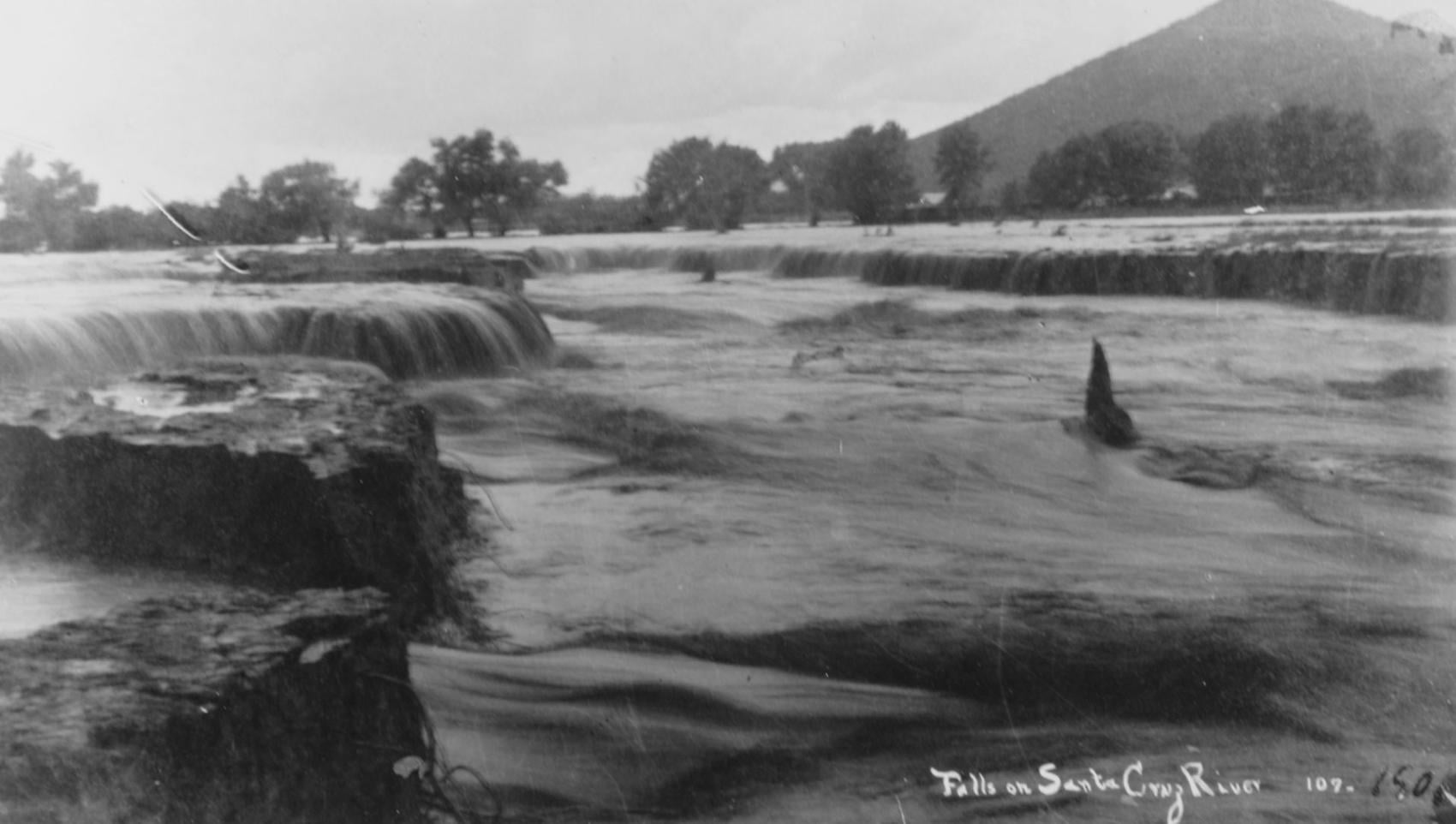
Waterfalls on the Santa Cruz River in 1889 near Sentinel Peak in Tucson.

Girls in Santa Cruz River,1889-1890.
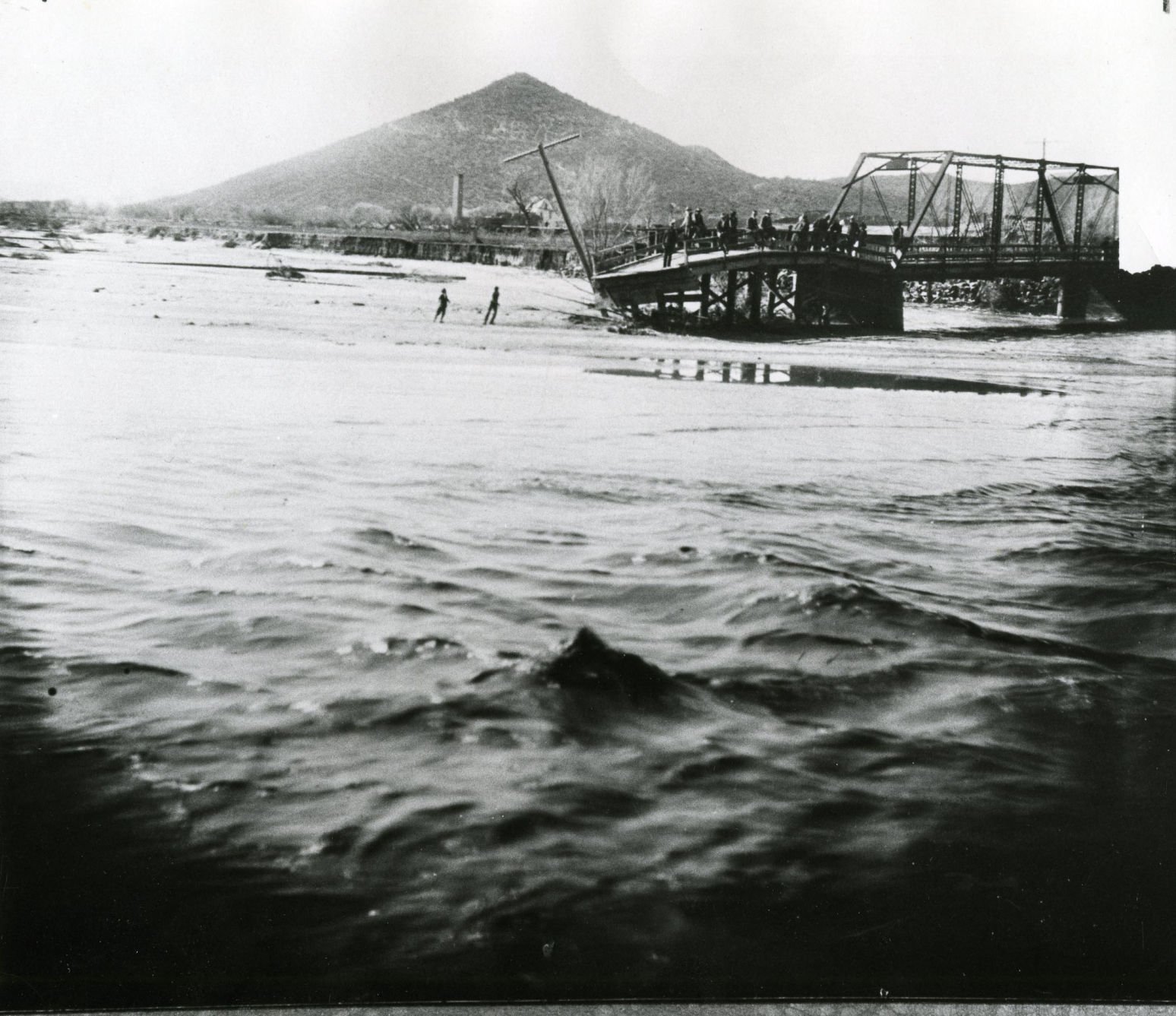
A bridge over the Santa Cruz River near Sentinel Peak in Tucson washed out during flooding in 1915.
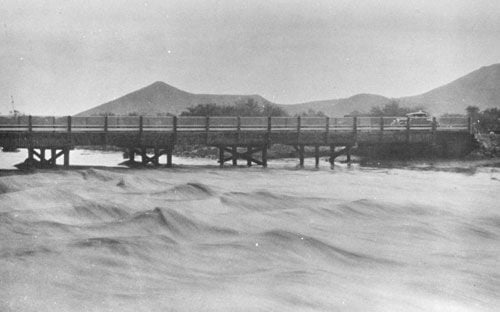
Santa Cruz River at St. Mary's Road bridge in 1931.
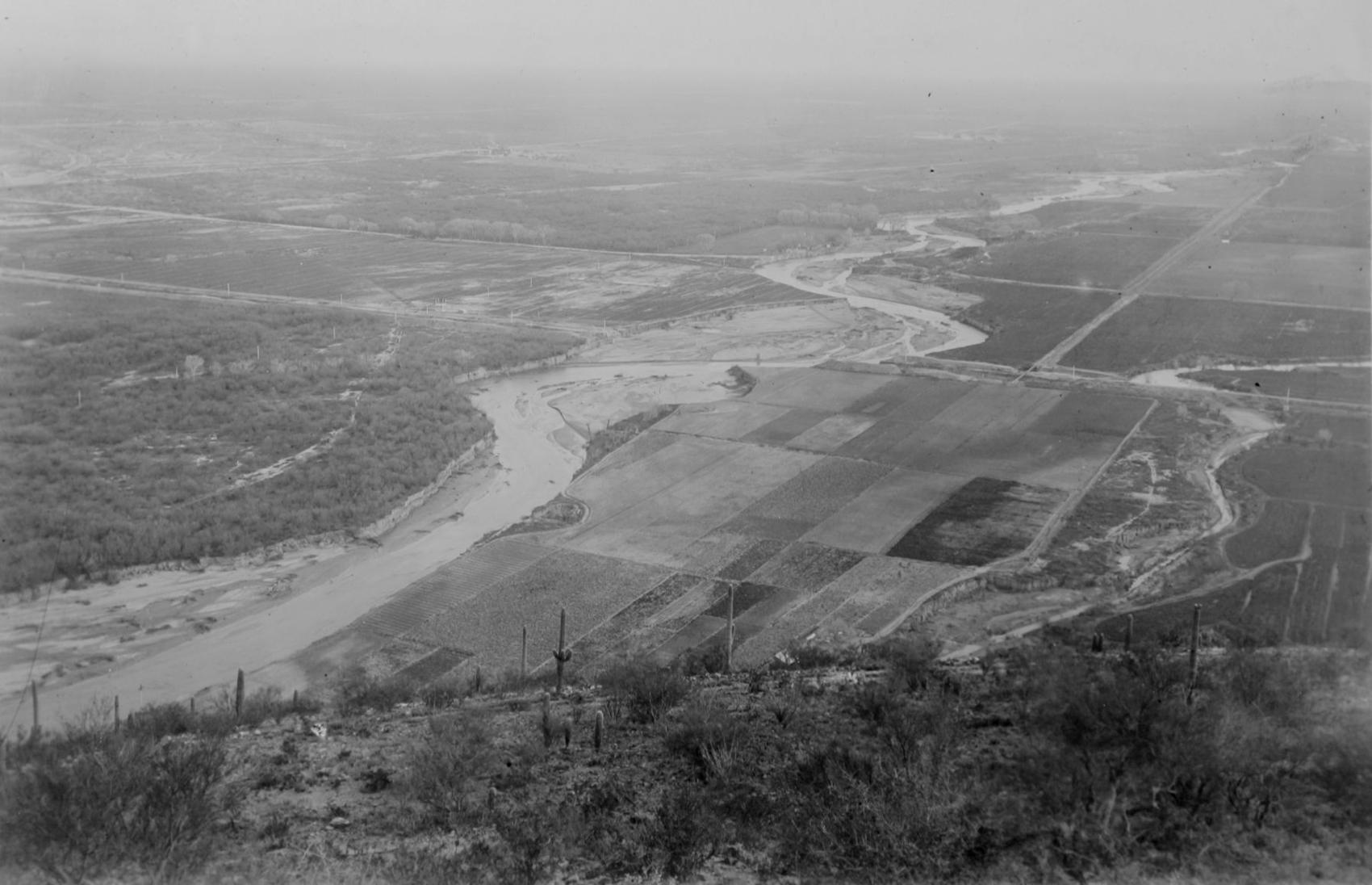
The Santa Cruz River flows north as seen from Sentinel Peak in Tucson in the early 1900's.
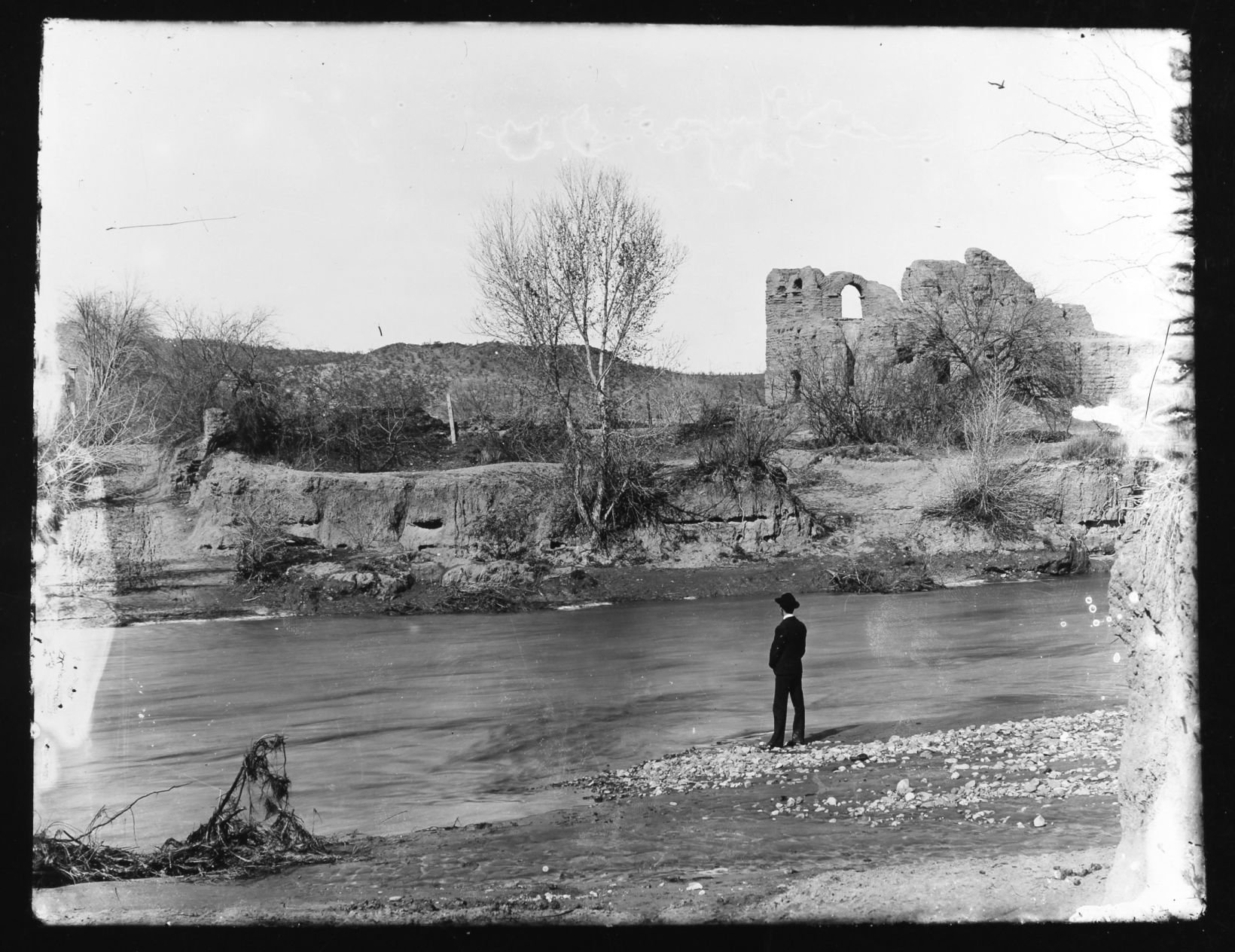
El Convento along the Santa Cruz River, ca. 1910.
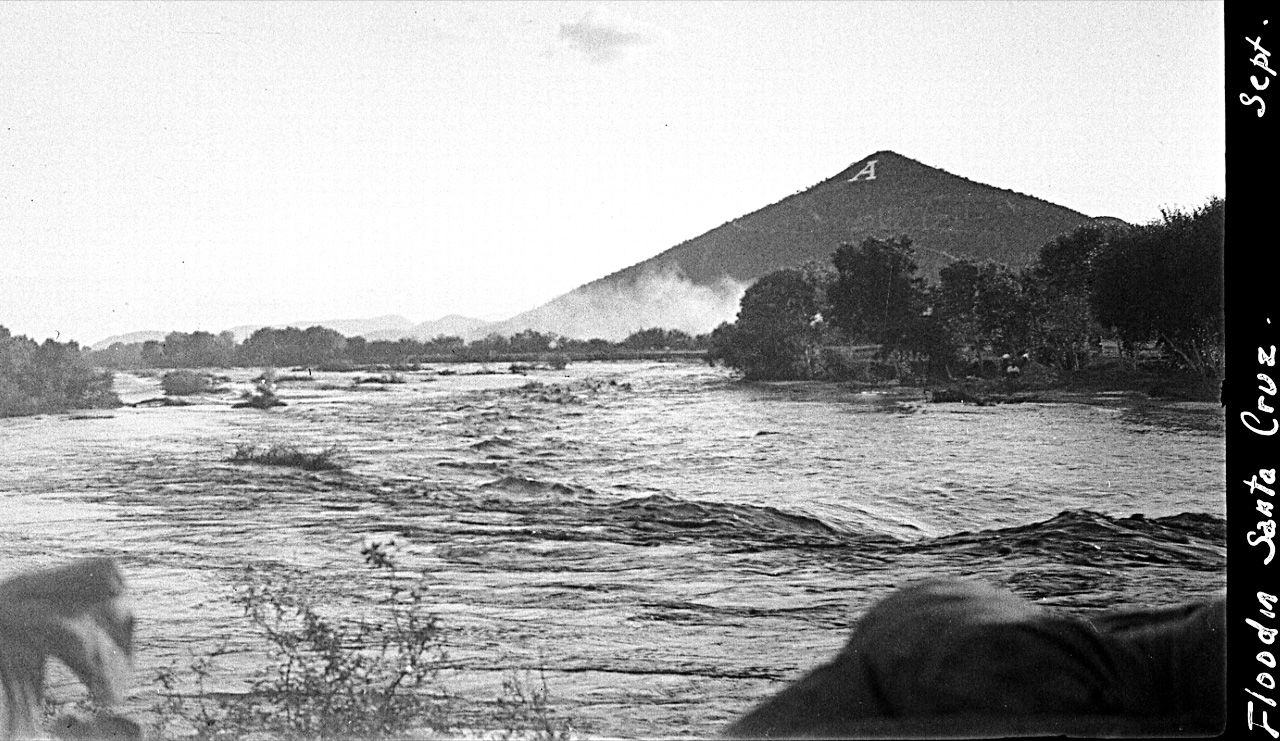
Flooding of the Santa Cruz River, Tucson, in September, 1926, from “Letters from Tucson, 1925-1927” by Ethel Stiffler.
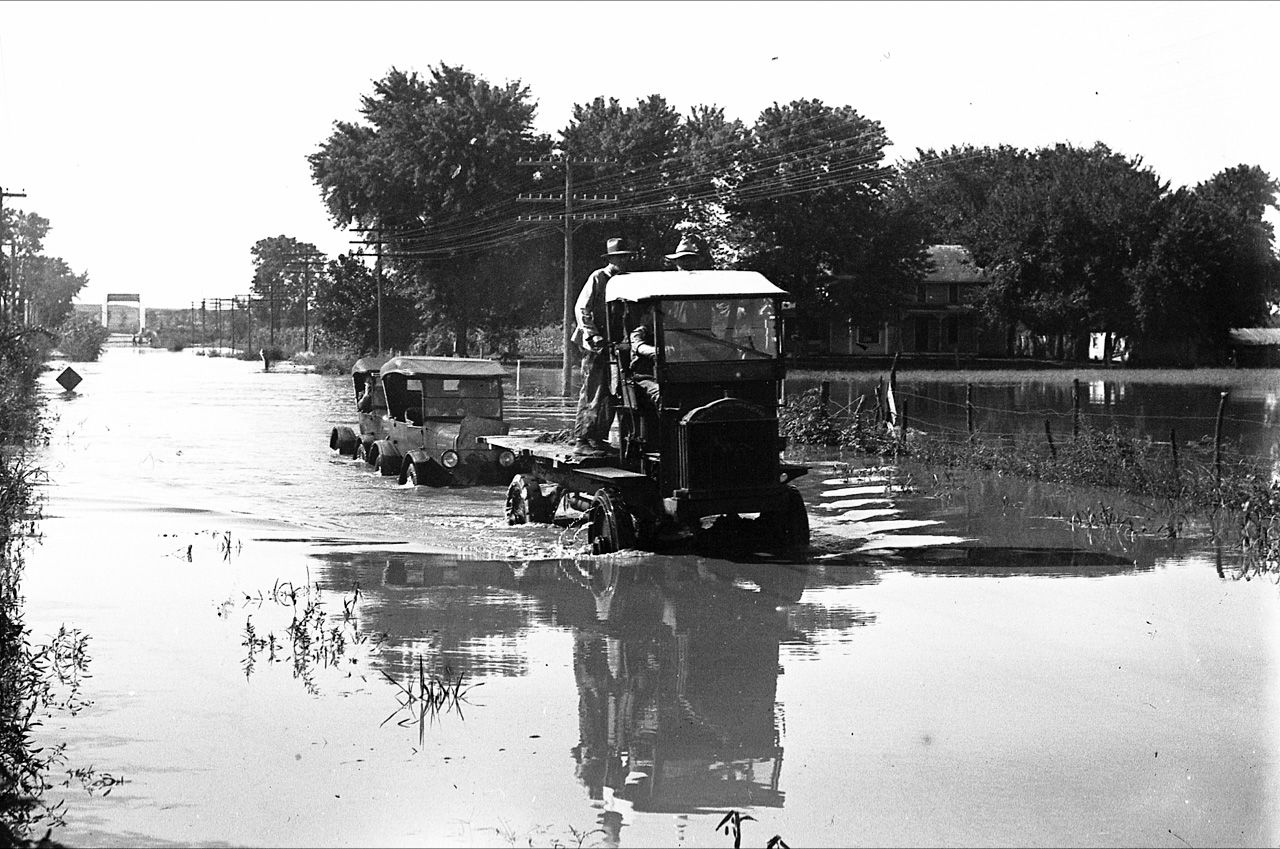
Flooding of the Santa Cruz River, Tucson, in September, 1926, from “Letters from Tucson, 1925-1927” by Ethel Stiffler.

Aerial view of the Santa Cruz River as it winds its way through Pima County north of Cortaro Road in 1953. The county was considering a bridge at several locations, but had to contend with the ever-changing course of the river.

The Tucson Citizen wrote in 1970, "The Santa Cruz River is a garbage dump" and "even marijuana grows in it." City leaders were pushing to upgrade and beautify the channel. The U.S. Army Corps of Engineers was studying the possibility.
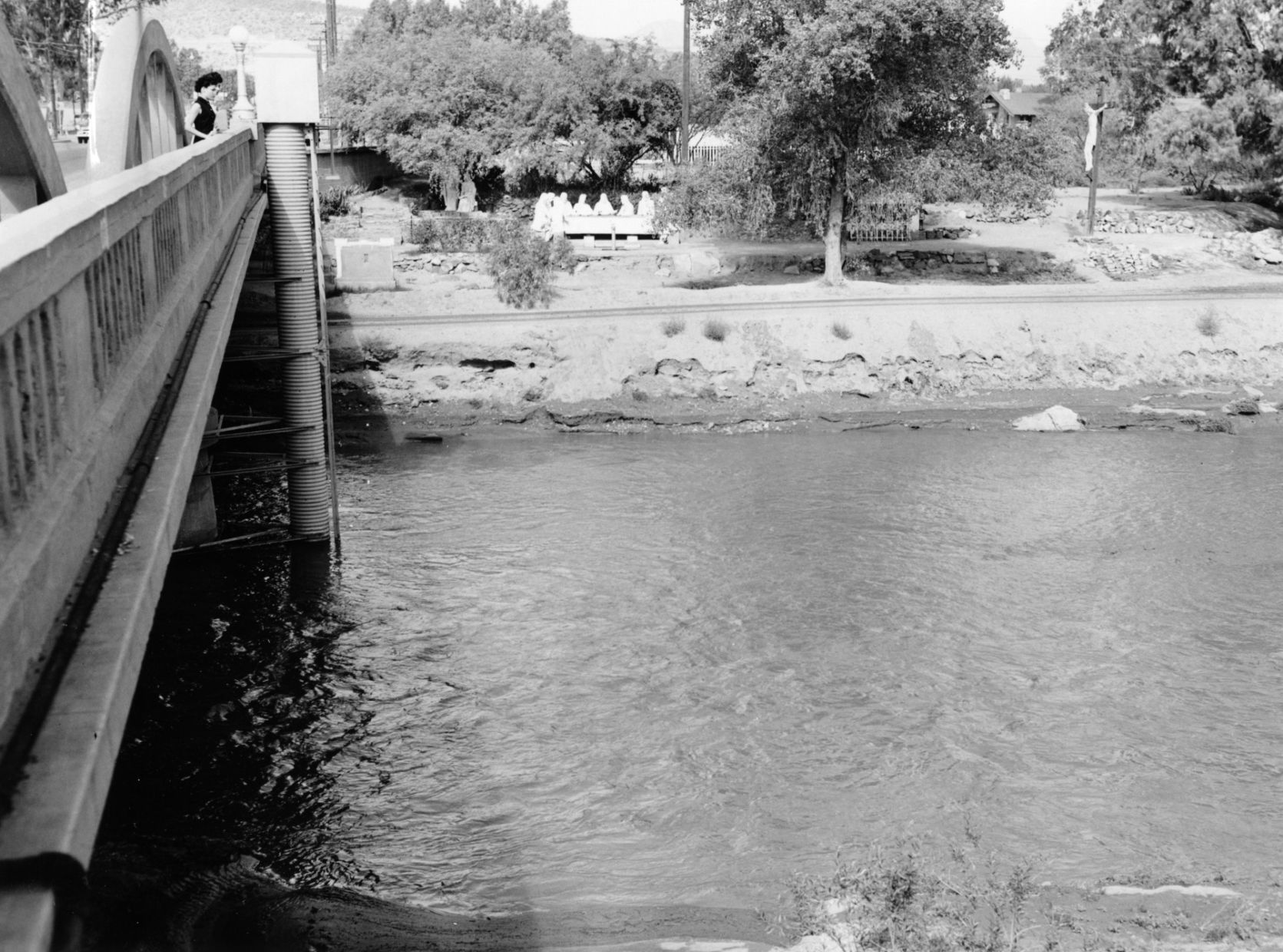
The Santa Cruz River flowing under the Congress Street bridge in August, 1952. The Garden of Gesthemane is in the background.
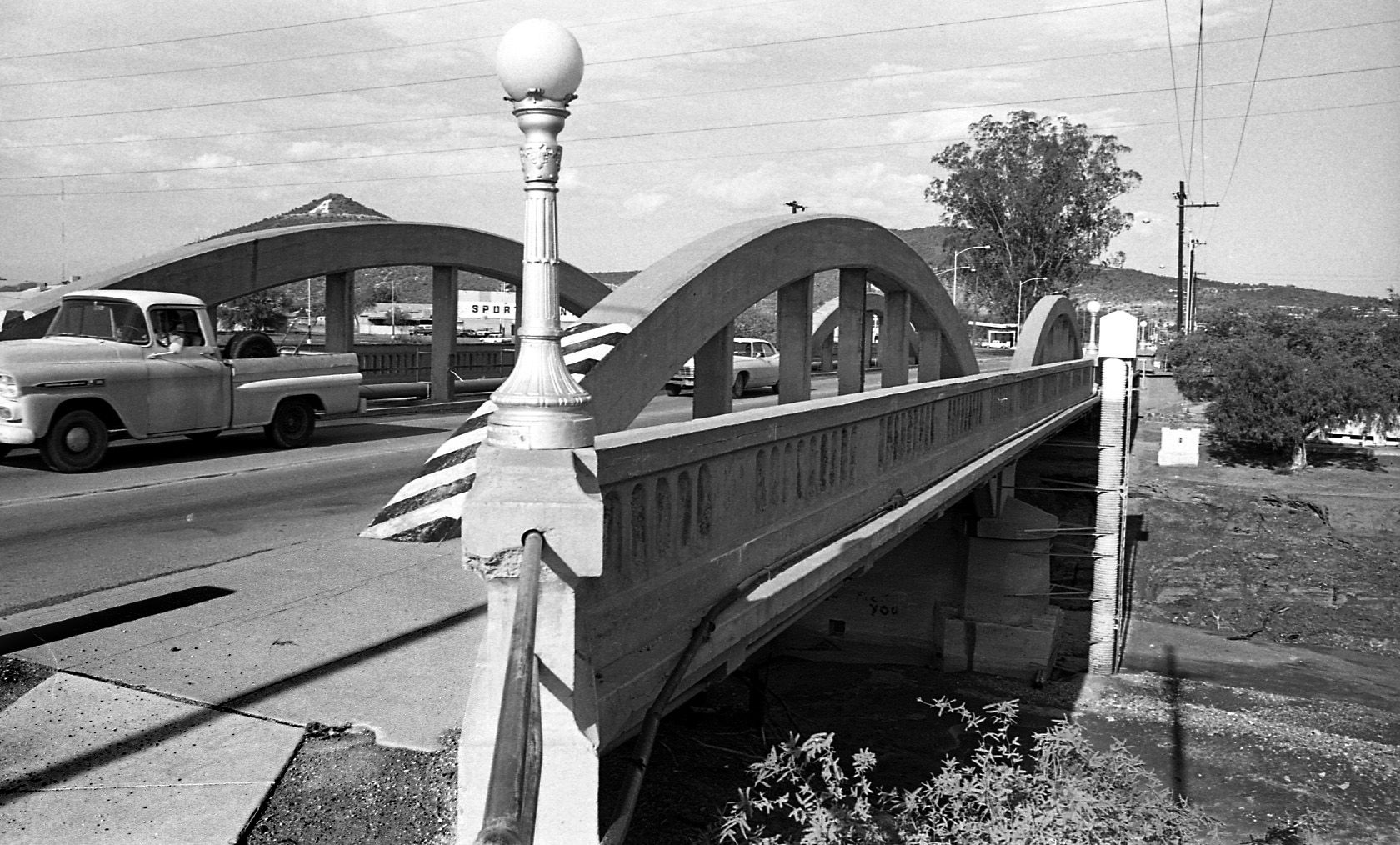
By July 24, 1970 the old bridge on West Congress over the Santa Cruz River had to go and be replaced by a new bridge.

By July 24, 1970 the figures from Felix Lucero's Last Supper had been on the west side of the Santa Cruz River for more than 20 years. City authorities had decided to leave it in place while a new bridge on West Congress Street was to be replaced.
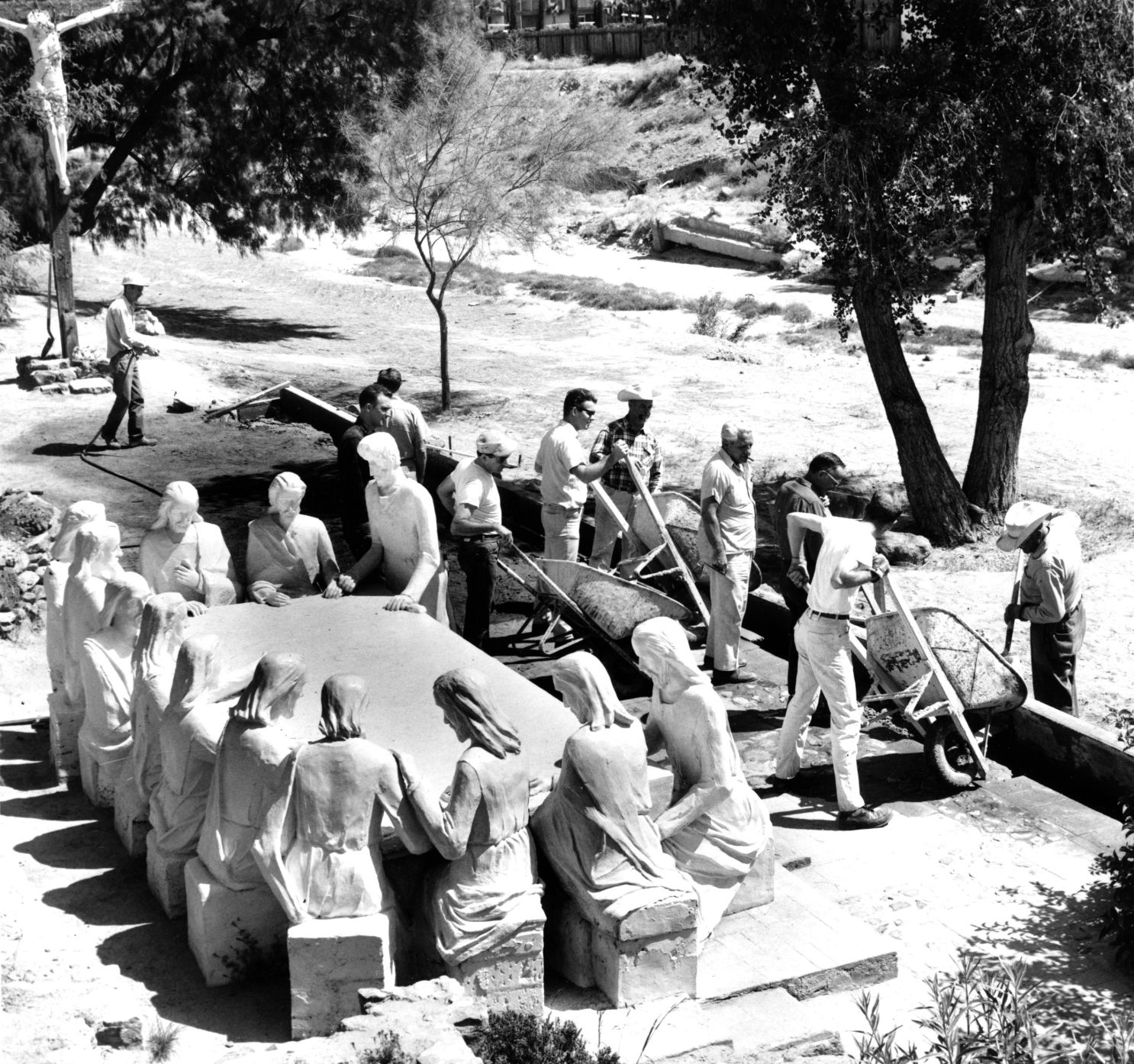
Volunteers from the Tucson Jaycees and Junior Chamber of Commerce finish restoration of the statues and grounds of the Garden of Gethsemane along the Santa Cruz River in May, 1964. The statues were ravaged by vandals and weather. The city parks and recreation department worked with the volunteers. Artist Felix Lucero began sculpture project in 1938 and finished it nine years later.

Drought in June, 1974, turned the Santa Cruz riverbed into crunchy chunks of dried mud.

The Santa Cruz River flowing under Silverlake Road in August, 1970.

Children play in the Santa Cruz River near Speedway Blvd in August, 1970.
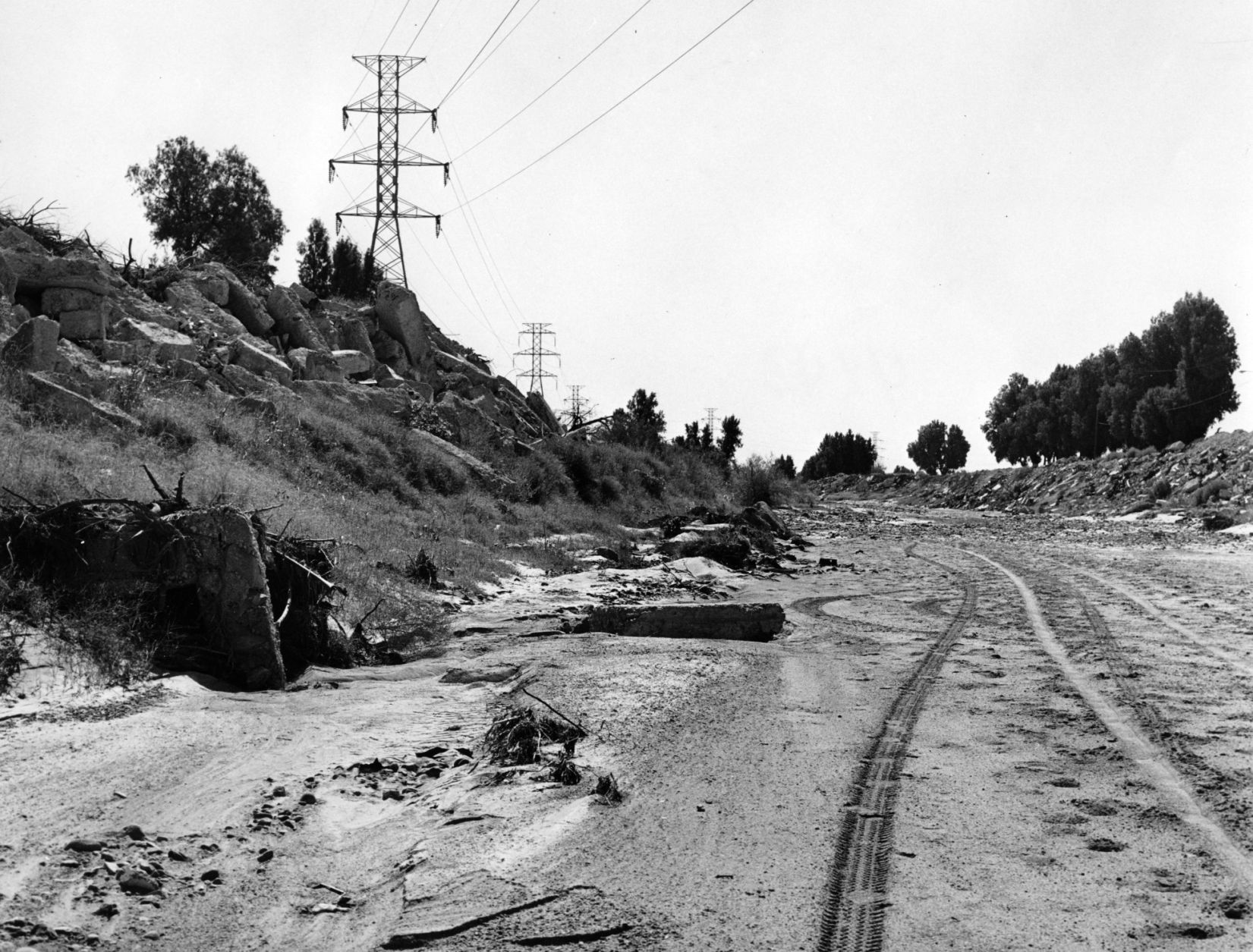
The Santa Cruz riverbed at Congress Street in November, 1967.

After years of waiting, crews began clearing debris and channeling the Santa Cruz River in November, 1977, and constructing what would become a 14-mile river park. The Speedway Blvd. bridge is in the background.

After years of waiting, crews began clearing debris and channeling the Santa Cruz River in November, 1977, and constructing what would become a 14-mile river park.

The Santa Cruz River looks peaceful flowing underneath Speedway Road after days of flooding in October, 1977.

Adalberto Ballesteros rides along the Santa Cruz River west of downtown Tucson in 1980.

The Santa Cruz River looking north from Valencia Road in July, 1974.

Junked cars and trash spill into the Santa Cruz River, looking south, just south of Grant Road in July, 1974.

Road graders scrape the Santa Cruz River channel between Speedway and Grant roads during bank stabilization construction in May, 1991.
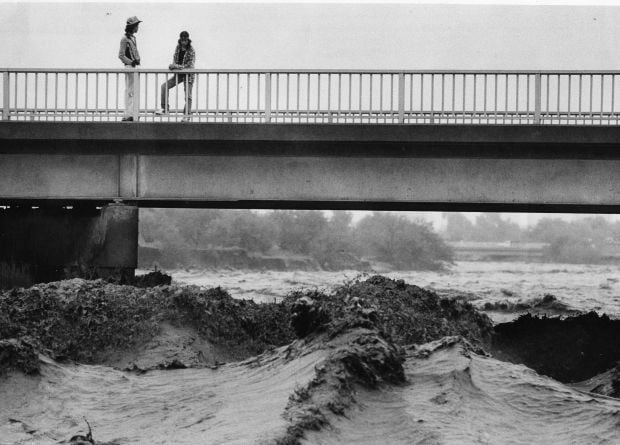
Water surges in the Santa Cruz River at the St. Mary’s Road bridge on Oct. 2, 1983.

Flooding in Marana after the Santa Cruz River overflowed its banks in Oct. 1983.

A bridge on the Santa Cruz River northwest of Tucson washed out during flooding in October 1983.

Residents watch the surging Santa Cruz River rush past West St. Mary's Road on January 19, 1993.

Tucson firefighters are standing by and waiting for two kids floating in the Santa Cruz River on some type of object during flooding in July, 1996.

As the Tucson Modern Streetcar rumbles across the Luis G. Gutierrez Bridge, water flows bank to bank along the Santa Cruz River after a morning monsoon storm on July 15, 2014.

Johnny Dearmore skips a rock in the Santa Cruz River as reclaimed water is released into the channel at 29th Street as part of the Santa Cruz River Heritage Project on June 24, 2019. The release of effluent is the city’s first effort to restore a fraction of the river’s flow since groundwater pumping dried it up in the 1940s.

The Santa Cruz River flows Friday morning July 23, 2021 after an overnight monsoon storm passed over in Tucson, Ariz.

Betsy Grube, center, with Arizona Game and Fish Department, releases longfin dace fish into the Santa Cruz River at Starr Pass Boulevard on March 23, 2022, as Mark Hart, right, takes a video and Michael Bogan, a professor in aquatic ecology at the University of Arizona, picks up more fish to release. The 600 fish were captured from Cienega Creek in Vail.

