


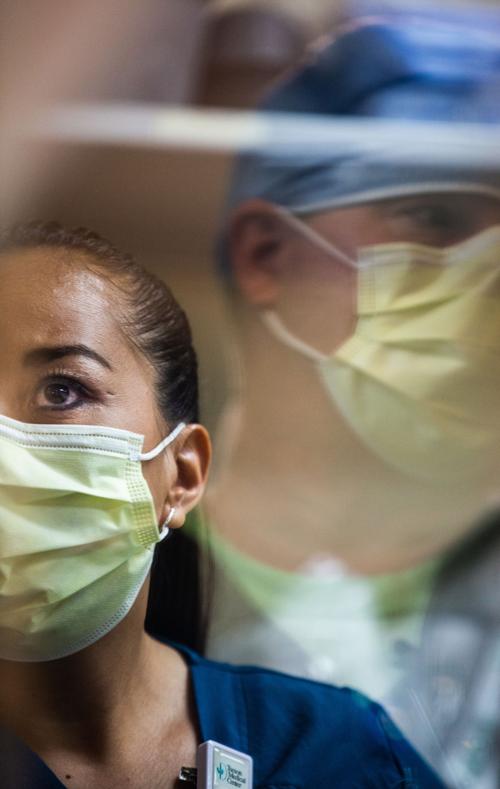
Arizonans in the highest-priority categories of risk or need could get their first doses of COVID-19 vaccine in two weeks.
They won’t be risk-free for weeks after that.
And it won’t be until next summer or early fall before everyone who wants to get inoculated will be able to do so.
On Friday, state health director Dr. Cara Christ laid out the preliminary schedule for when vaccines will be delivered to health-care providers and others. She figures the first doses of the Pfizer vaccine could be administered as early as Dec. 15.
That first group will be limited to about 383,750 people.
That is what Christ figures Arizona will get as its share of both the Pfizer and Moderna vaccines — assuming both are given final approval this month by the Food and Drug Administration for emergency use — based on the fact that Arizona’s population is about 2% of the nation.
Britain is preparing to become the first country to roll out the Pfizer/BioNTech COVID-19 vaccine this week, initially making the shot available at hospitals before distributing stocks to doctors' clinics, the government said on Sunday.
Within that group, health-care workers will be the first to get the shots, particularly those who are working directly with patients. They will get about the first 184,000, with another 70,000 for home health aides, nursing assistants and medical assistants.
After them will come residents of skilled nursing facilities and independent and assisted living centers. That’s another 122,000 people.
“We know that living in a congregate setting puts you at higher risk for severe outcomes,” Christ said. “And these are some of our most medically fragile individuals.”
She is hoping for a second batch of vaccines, in about the same number, about three to four weeks later. That, in turn, would provide doses for second-priority Arizonans, including adults with high-risk medical conditions living in shelters or other congregate living settings.
In that second-priority group are teachers, about 146,000 of them, along with police, corrections officers and other emergency response workers. This group also includes others who work at schools including bus drivers, cafeteria workers and front-office workers who deal with children.
After that come workers for utility companies and then people in food industries including those at grocery stores and restaurants, and transportation workers like those who drive trucks and buses, as well as gas station employees.
Also in that second group are other “essential workers,” which the state says include everything from financial services to funeral home employees.
The next priority would be nearly 2.3 million Arizonans with underlying medical conditions like obesity, heart diseases and chronic lung disease.
Then there are more than 1.2 million Arizonans older than 65 who, assuming they haven’t fallen into one of the higher priority groups, will be next in line.
This category also includes those confined to prisons and jails. But Christ said inmates who have underlying medical conditions may, on an individual basis, be moved into a higher-priority category.
That leaves everyone else as supplies become available — and as people choose to get vaccinated.
Christ said that even with a public-relations campaign aimed at those who appear most hesitant, she knows there will be those who refuse.
There are also groups for whom the vaccine is not yet recommended due to lack of testing on them, including children and pregnant women.
All this assumes that the system of delivering and administering the vaccine works as planned. There are technical issues.
Pfizer, whose vaccine is expected to be approved first, has some specific storage and shipping issues, particularly with the requirement for subzero temperatures.
Any provider that wants a share must be able to accept a minimum of 975 doses per order, at least at first.
“It will be shipped in a thermal box with dry ice,” Christ said, with the ability to recharge the box. She said that means it can be shipped to providers who don’t have cold-storage freezers.
The containers should keep the vaccine at the necessary temperature for up to 10 days, Christ said.
For those providers who can’t handle that many doses, Moderna is making its version available in lots of a minimum of 100. And Christ said these can be kept in a regular freezer if not administered within 14 days.
There is something common to both: Each requires two doses, within either 21 or 28 days apart depending on the vaccine, to be fully effective.
“So while some protection will be obtained two weeks after the first dose, full protection will not be achieved until one to two weeks after the second dose,” Christ said. “So it’s really important that everyone continue taking precautions even after being vaccinated to ensure that everyone is protected.”
She said procedures are being set up to ensure that people come back for the second dose.
When the manufacturers ship the vaccine they are providing a complete kit, with syringes, personal protective equipment and reminder cards to give to patients, she said. People can make the appointment for the second dose at the time they get their first one.
But, even after everyone who wants to be inoculated is served, that doesn’t end the matter. “What we don’t know is how long that immunity lasts,” Christ said.
She said it could end up being a situation like the flu where people have to get revaccinated on a regular basis, or it could be like the measles where there is a need for a “booster” after a certain period of time.
“Those kind of studies will still be ongoing,” Christ said.
As for those who refuse to get inoculated, Christ said the state has no plans to force the shots on anyone.
But she said that employers, particularly those whose workers deal with the public — and especially those who are vulnerable — are free to impose such a requirement.
Cost is not going to be an issue.
The government is providing the vaccine without cost to those who agree to administer it.
And she said insurance companies have agreed to waive any out-of-network deductibles, no matter what the providers charge for the shots.
Christ did not answer questions about when, if ever, she expects to have 70% of the Arizona population inoculated. That is what some scientists consider the minimum level to prevent an epidemic, with even higher participation necessary for “herd immunity.”
Photos: Tucsonans Don Masks to help curb Coronavirus
Tucsonans wearing masks, coronavirus
Updated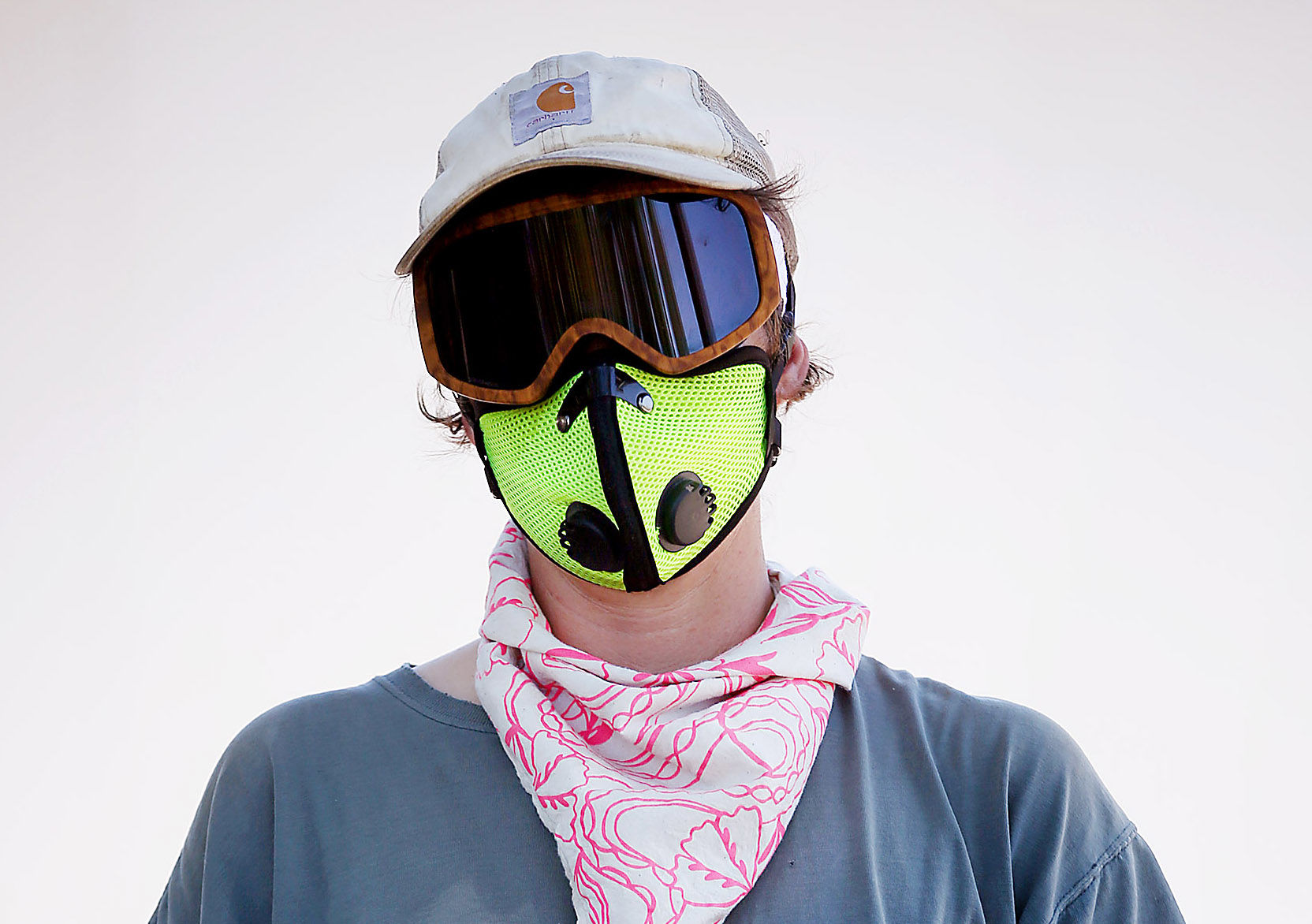
Tucsonans wearing masks, coronavirus
Updated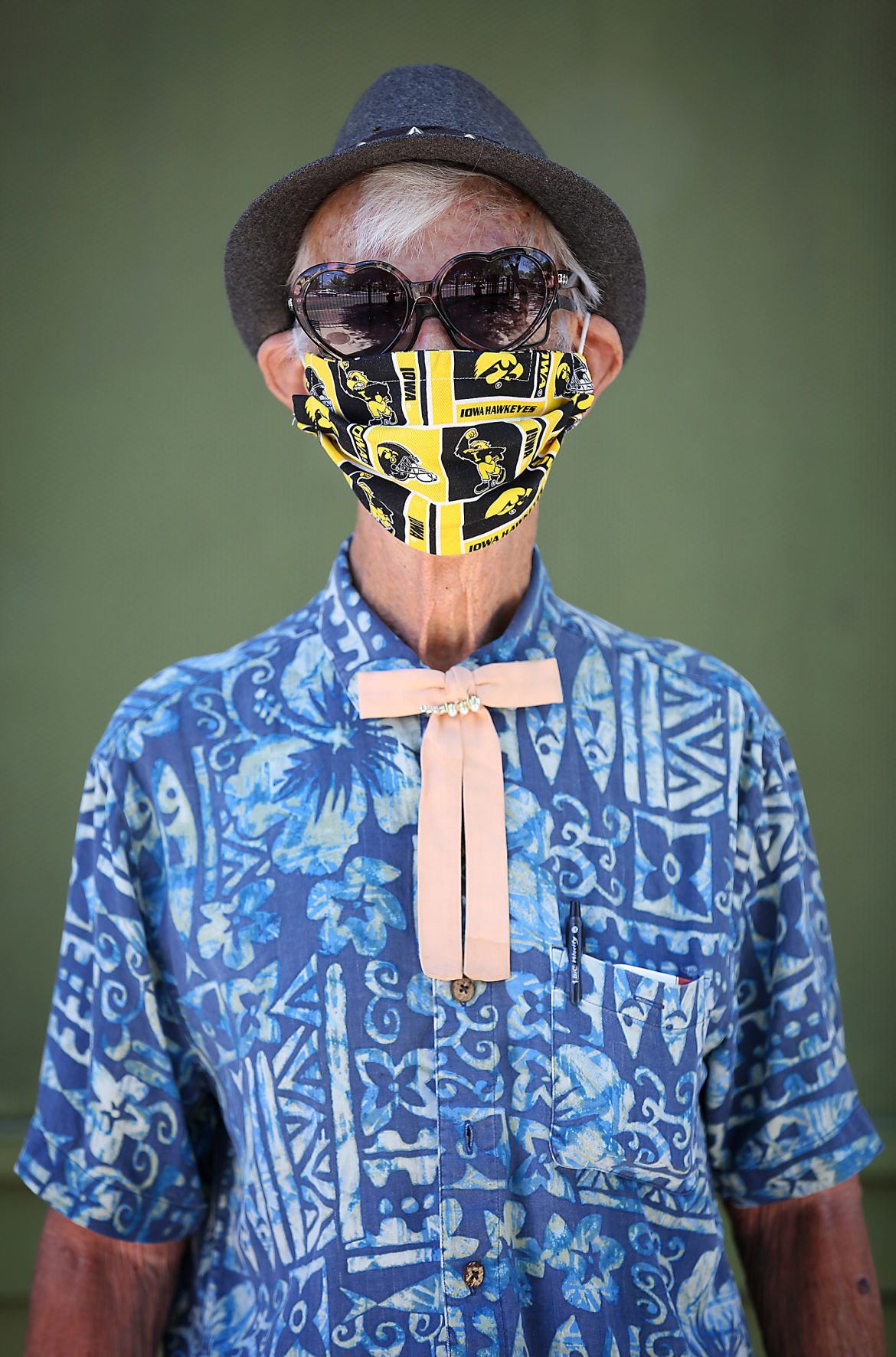
Tom "Tiger" Ziegler: "I miss my work, my customers and my co-workers. I don't want my people to get this damn disease." June 30, 2020
Tucsonans wearing masks, coronavirus
Updated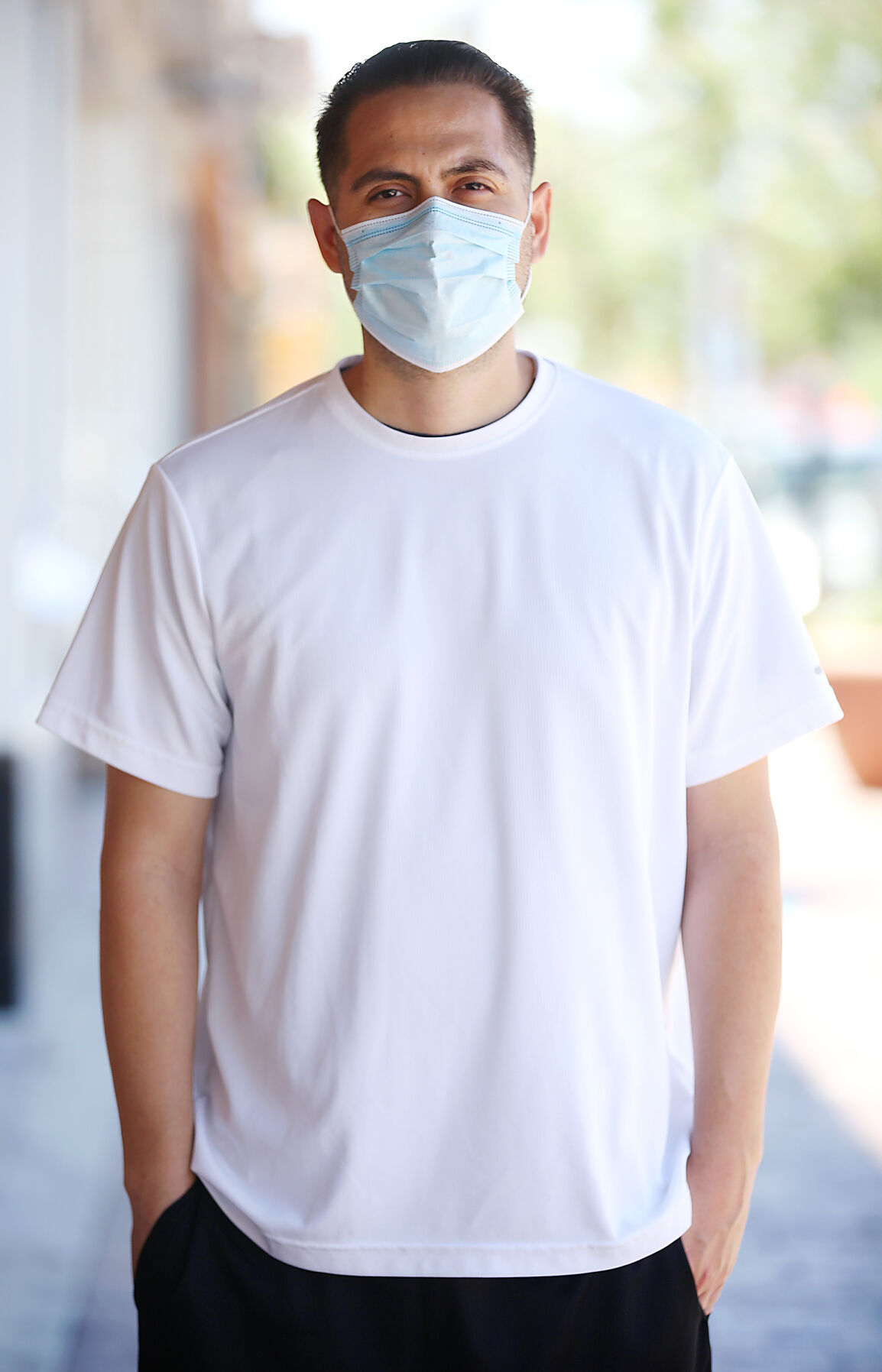
Rico Otero: "It's affected me by being limited in going out so much. Learn how to stay in more. Re-learning how to sanitize." June 2, 2020.
Tucsonans wearing masks, coronavirus
Updated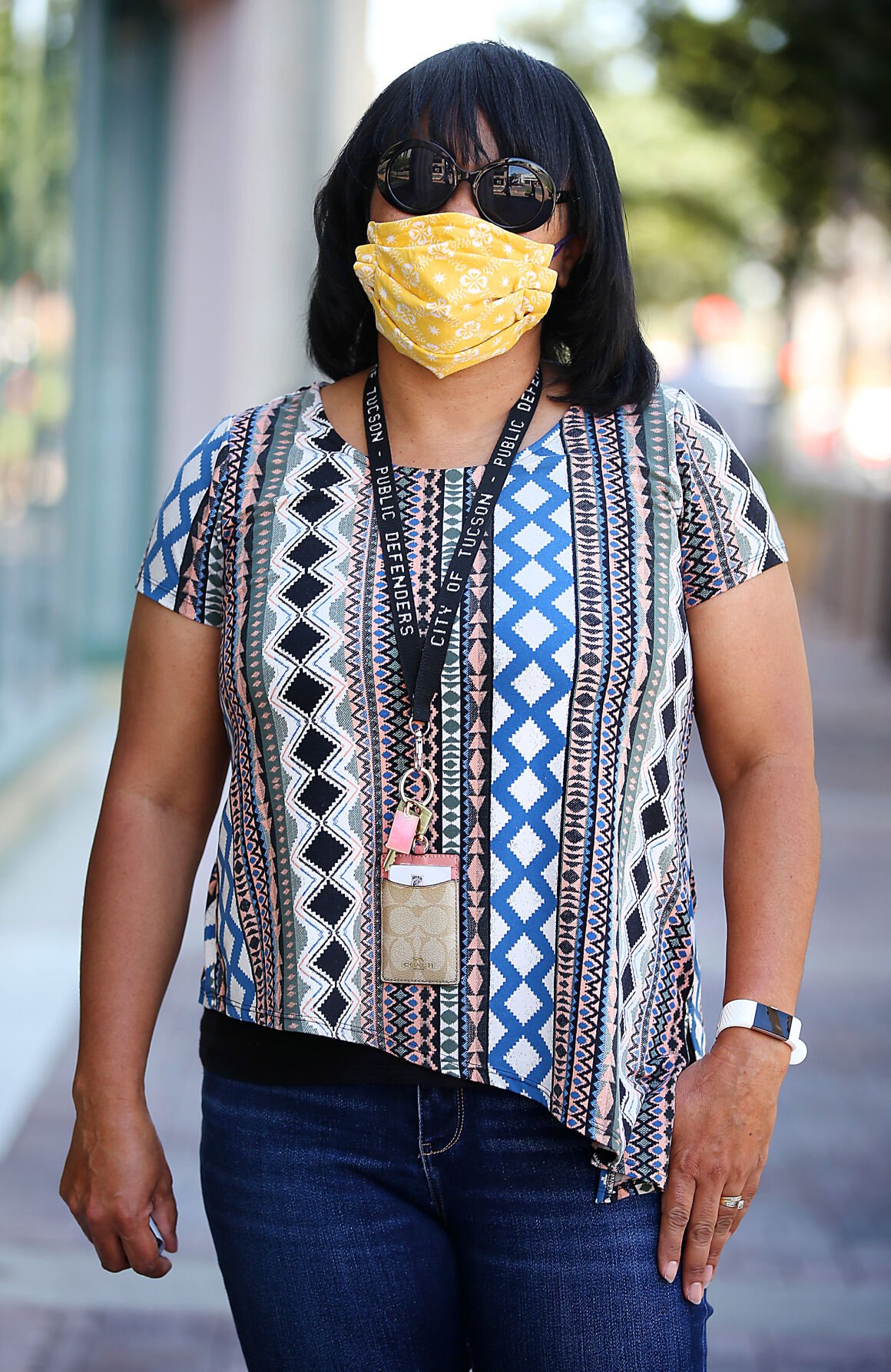
Pamela Stewart: "We've been turned upside down. Everything is different. For African Americans, we wear a mask and glasses, if I go into a bank or a business I'm already judged. It's a double threat for us as I see it." June 2, 2020.
Tucsonans wearing masks, coronavirus
Updated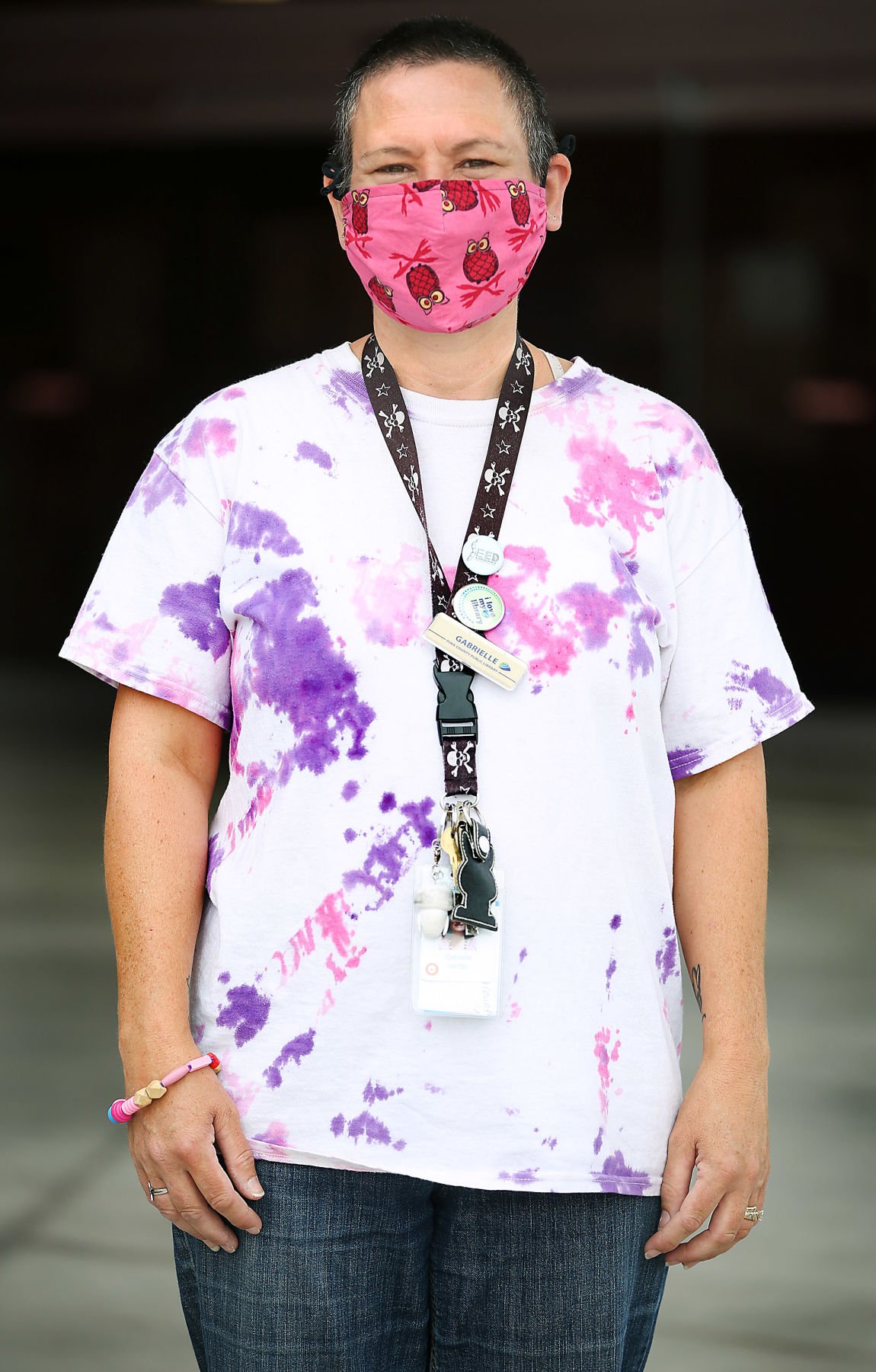
Gabrielle Nunn: "Mostly my daughter. She has autism. The huge change has been stressful for her. She worries about me, being at work." May 14, 2020.
Tucsonans wearing masks, coronavirus
Updated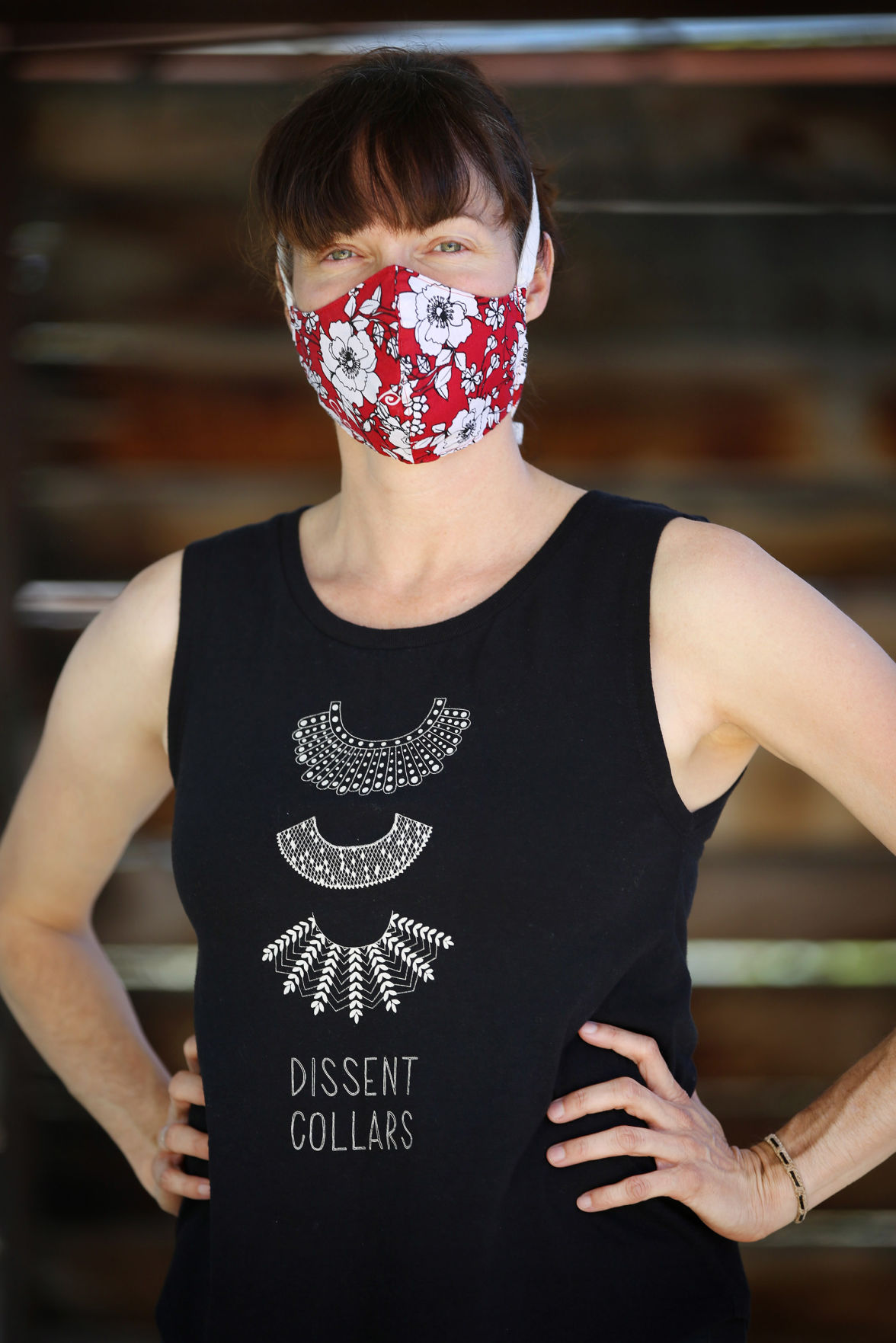
Lori VanBuggenum: "Even though the distance hasn't changed, this has made me feel the furthest away from my family. Everyone is in Wyoming. I can't jump on a plane and go see them." May 5, 2020.
Tucsonans wearing masks, coronavirus
Updated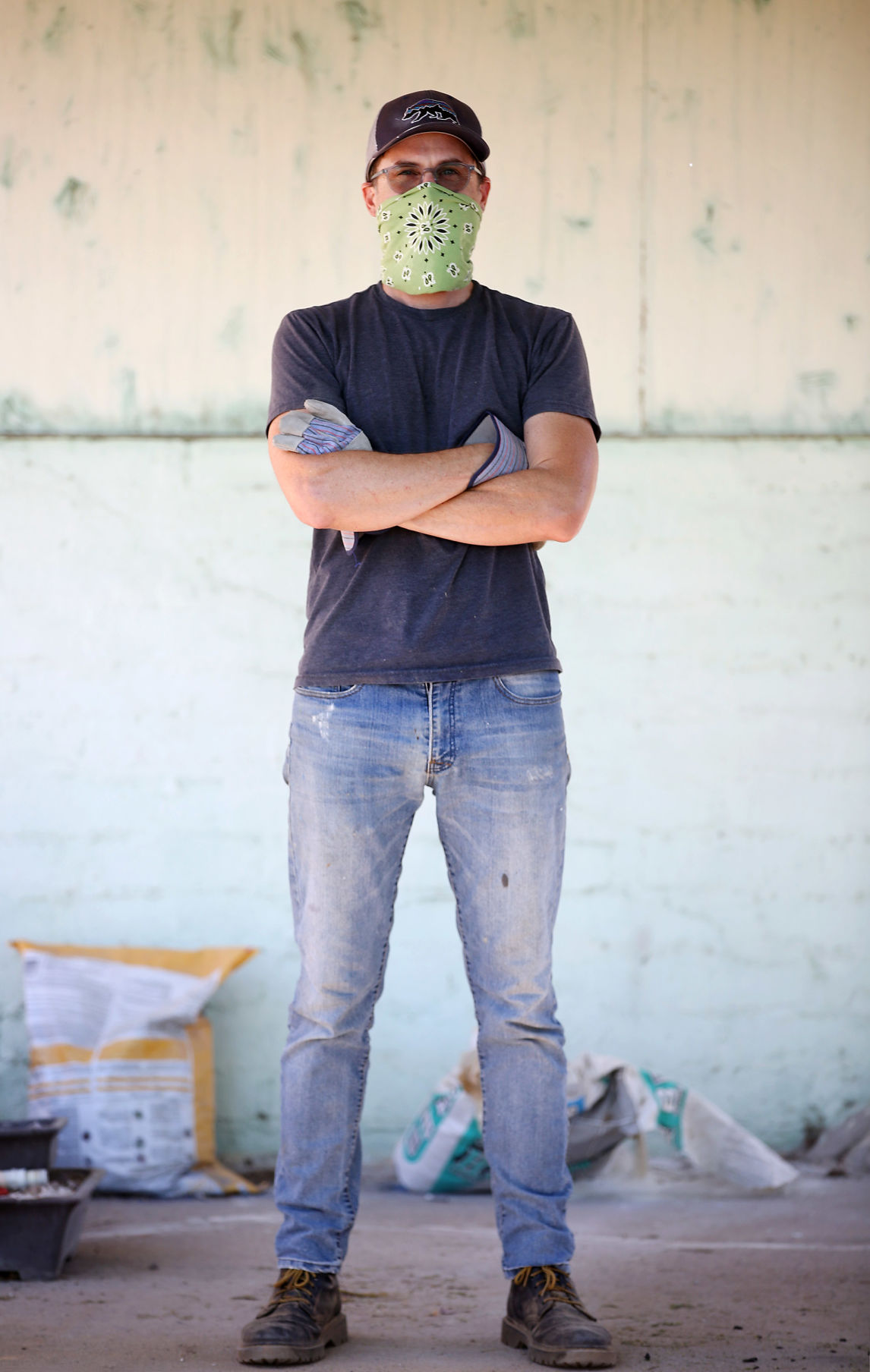
Benjamin Johnson: "The word uncertainty just keeps coming to mind. I feel the biggest thing for me is being fully open to uncertainty with kindness and compassion." April 29, 2020.
Tucsonans wearing masks, coronavirus
Updated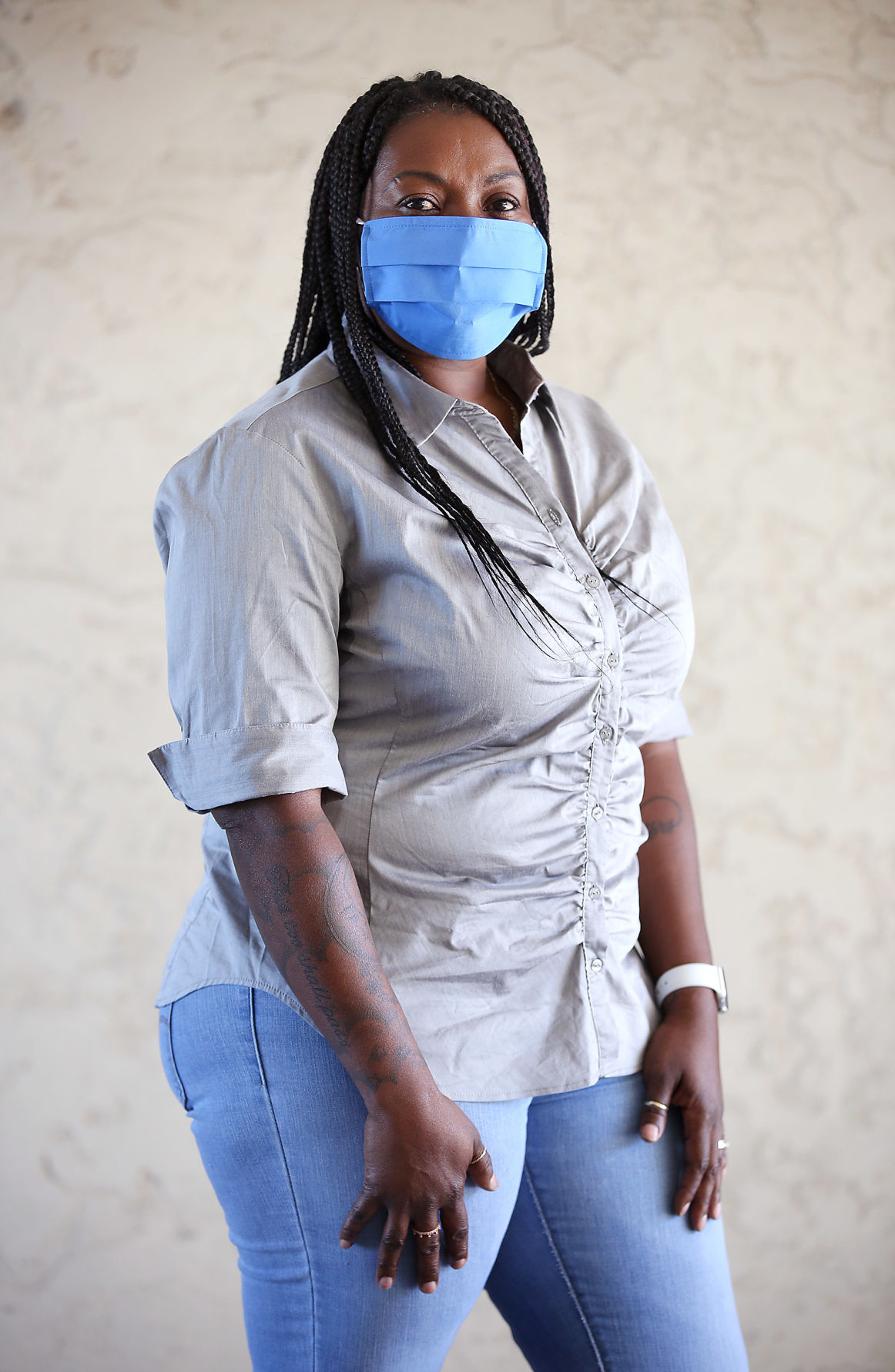
Cellisa Johnson: "It's affected me financially with my business as well as emotionally, not being able to be hands on with my clients." April 29, 2020.
Tucsonans wearing masks, coronavirus
Updated
Bebe Barbosa: "I am a touching person. I like to hug. I'm missing the embracing." April 24, 2020.
Tucsonans wearing masks, coronavirus
Updated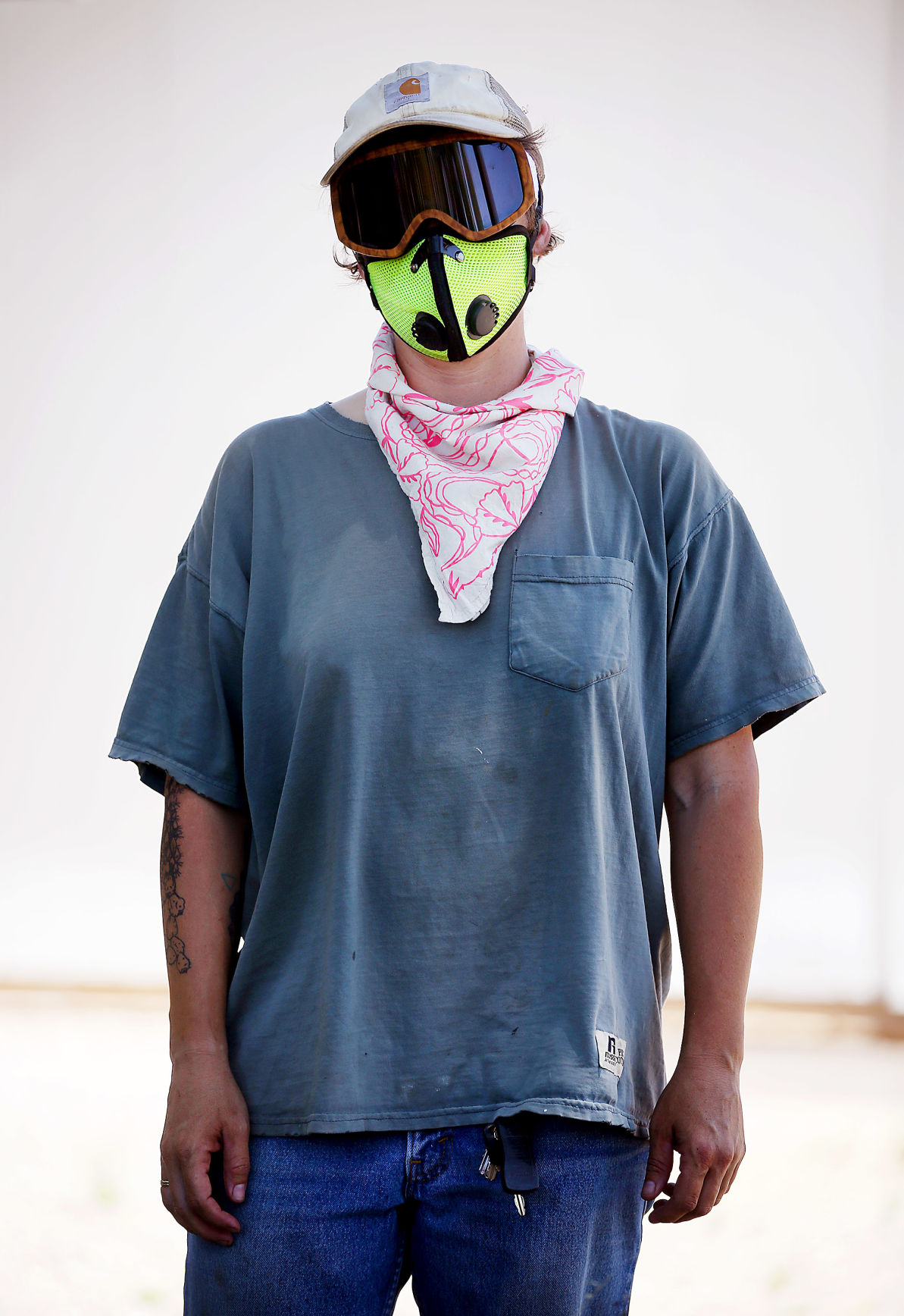
Logan Byers: "I'm very conscious how my actions affect other people now, more than ever. Every place I go to I'm conscious of how close I am to people." April 29, 2020.
Tucsonans wearing masks, coronavirus
Updated
Elana Bloom: "It was very shocking. Everything I had planned for – my whole business was canceled over a two day period." Bloom owns Solstice, a textile business and would make most of her money in the Spring to help with the slower months of Summer. April 14, 2020
Tucsonans wearing masks, coronavirus
Updated
Kristina Michelle: My cousin passed away four days ago in New Orleans. We can't get an autopsy for a while and there will be no funeral service. April 14, 2020
Tucsonans wearing masks, coronavirus
Updated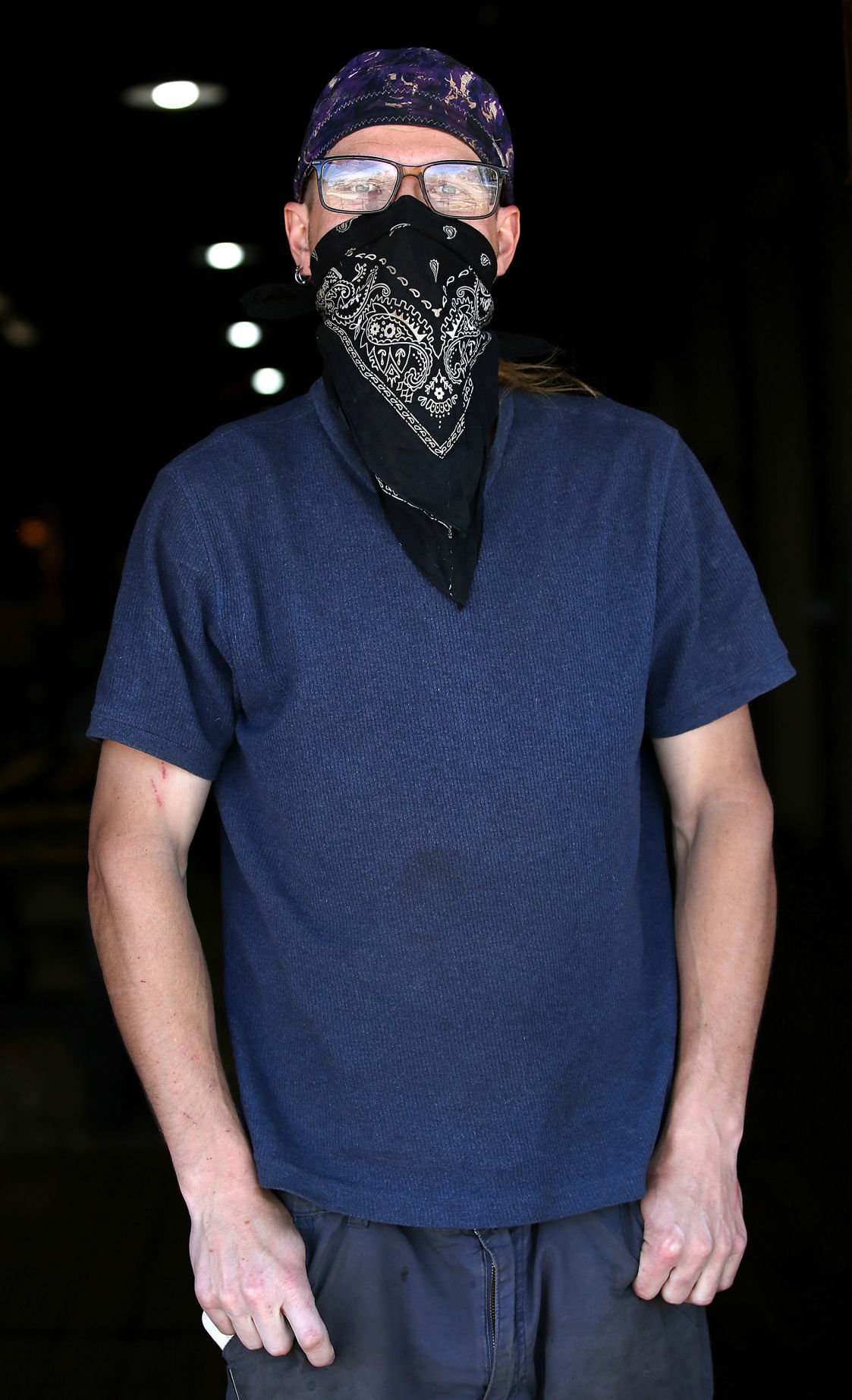
Pat Fisher: "A friend of a friend is living with me and his three cats. It was only supposed to be temporary, but now he can't find a job or pay for a place to rent. The situation probably won't change until the Fall." April 14, 2020
Tucsonans wearing masks, coronavirus
Updated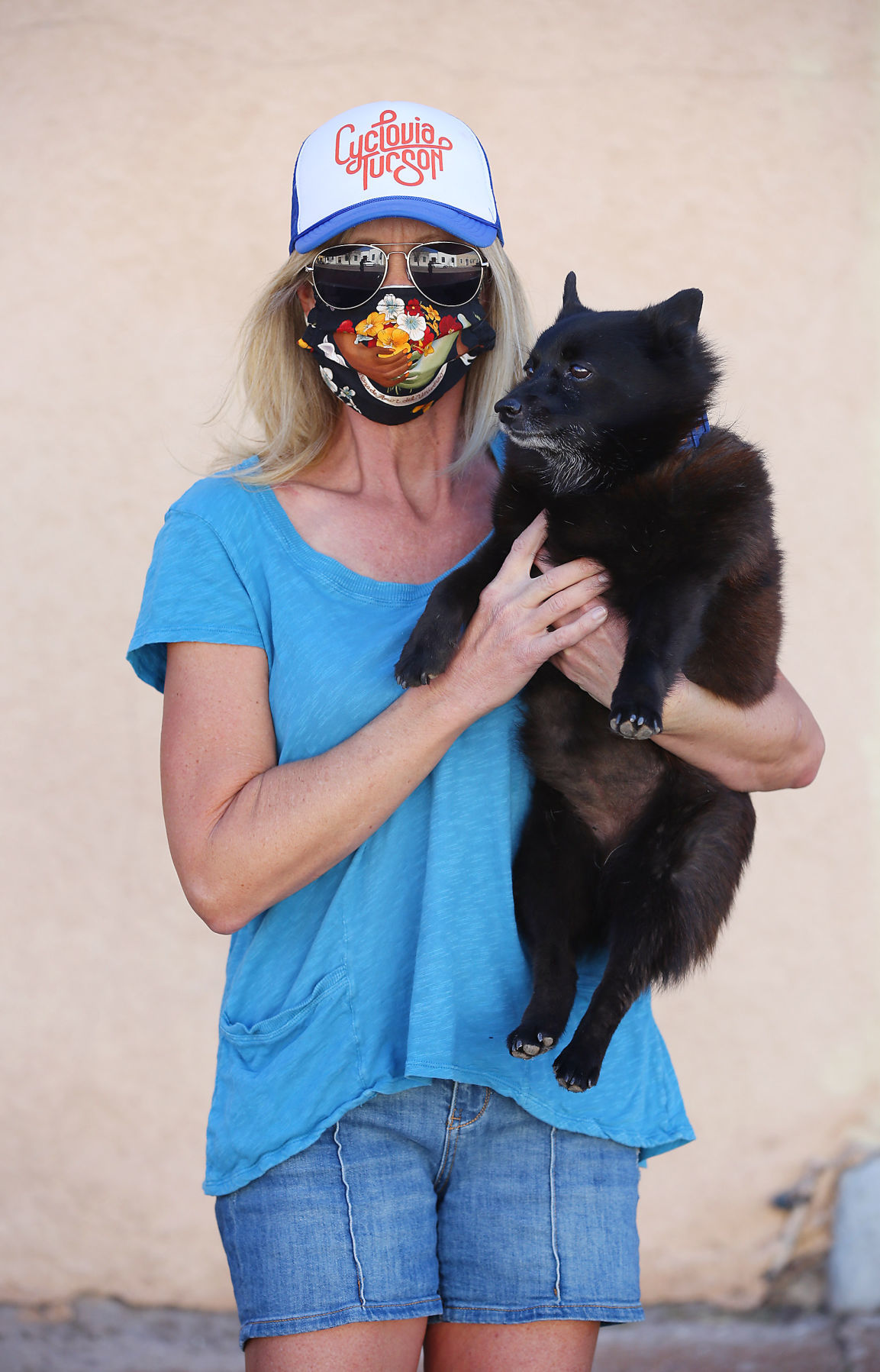
Lori Adkison: "This is reaffirming my belief in community." April 13, 2020
Tucsonans wearing masks, coronavirus
Updated
Sammy Cabrera: "A lot of people grab what they don't need at stores. I don't like the way some people are acting." April 8, 2020.
Tucsonans wearing masks, coronavirus
Updated
Jamie Galindo: "I'm getting over an ex-boyfriend and having to social distance is difficult." April 8, 2020.
Tucsonans wearing masks, coronavirus
Updated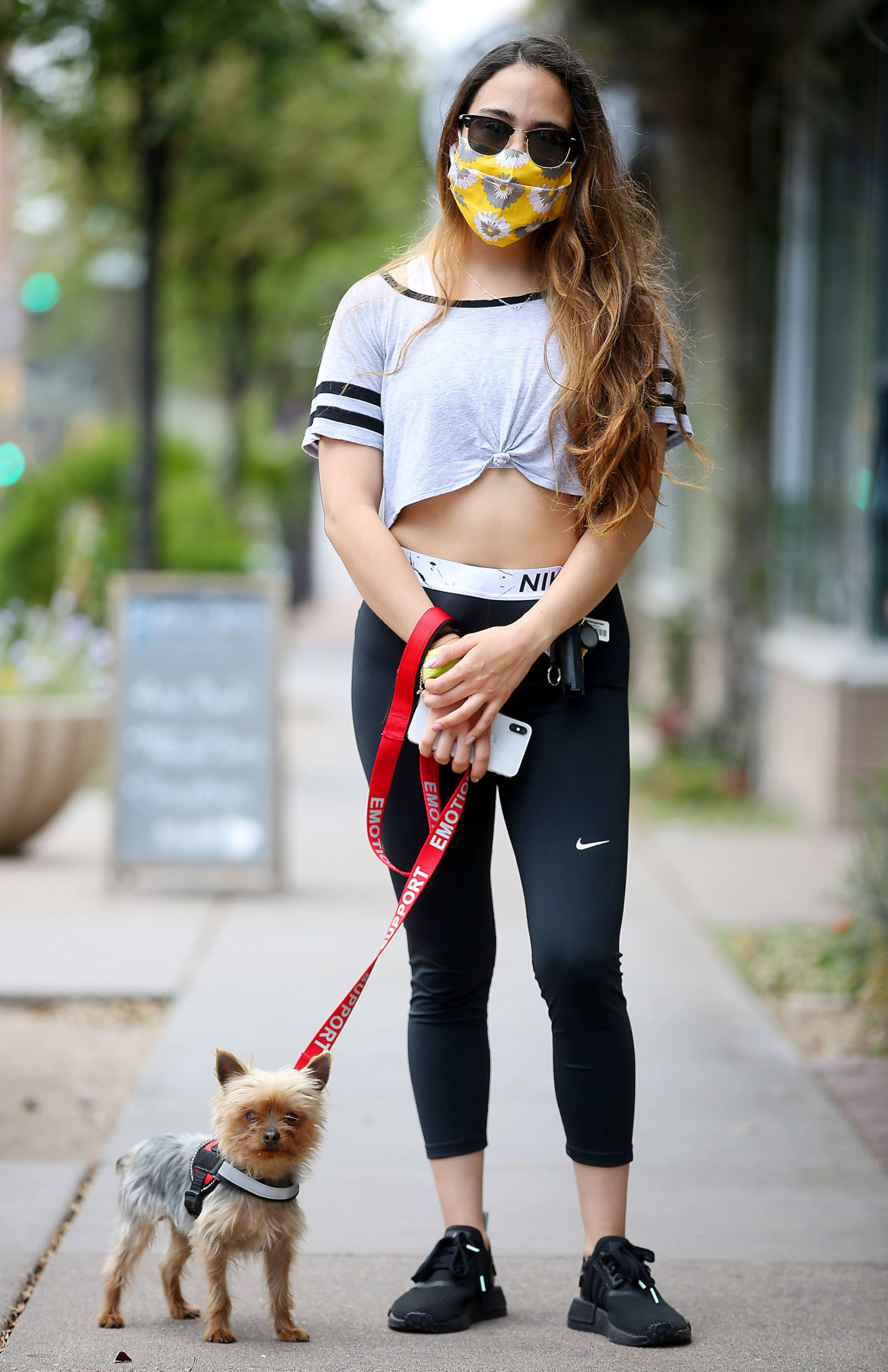
Michelle Arreola: "My whole life is on hold." Job interviews are postponed and the medical college admission test is on hold. April 8, 2020.
Tucsonans wearing masks, coronavirus
Updated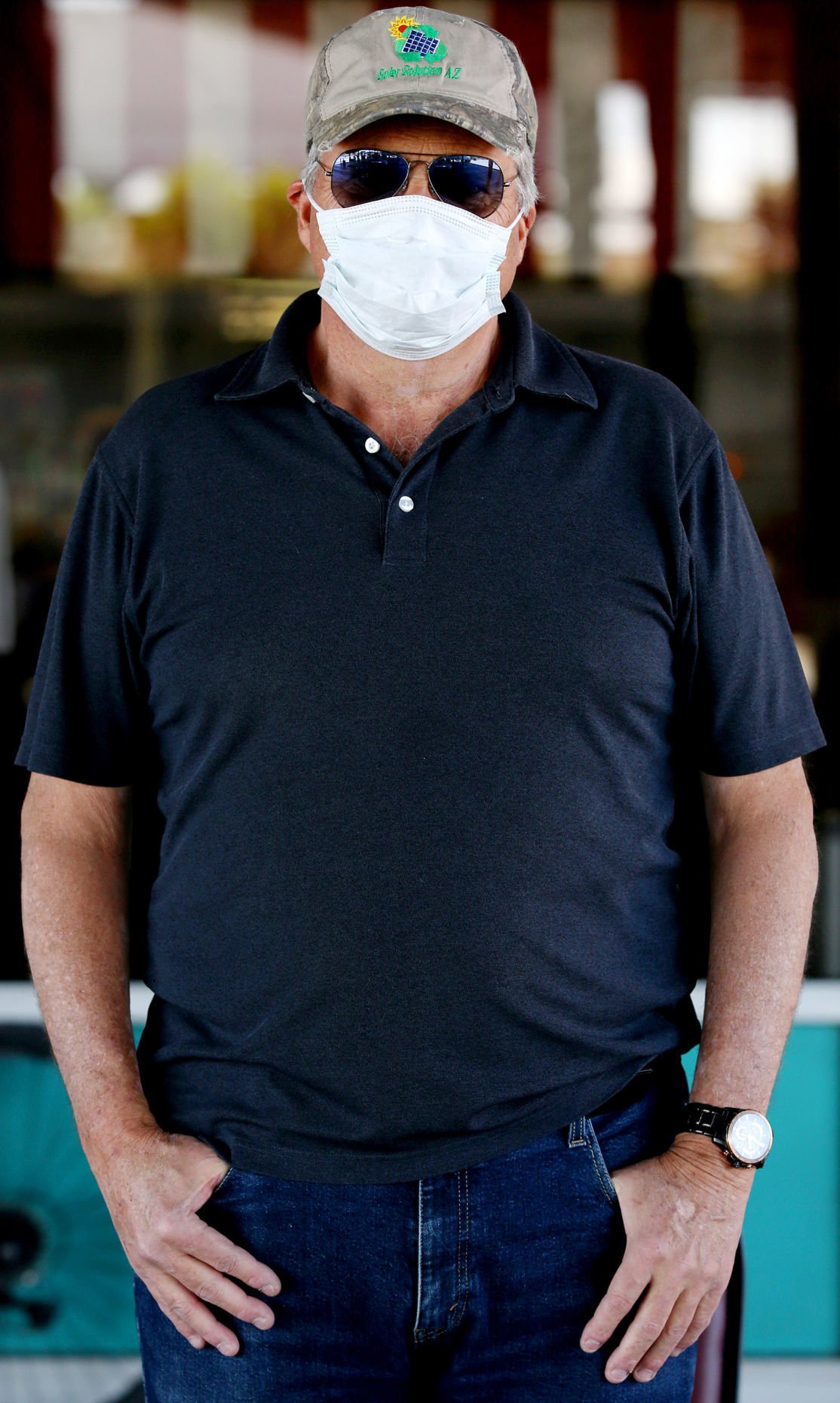
Kent Bauman: "I've had less of an impact. I work for a solar company so we're running full steam. People are home and are thinking about self-sufficiency and thinking about the environment." April 16, 2020
Tucsonans wearing masks, coronavirus
Updated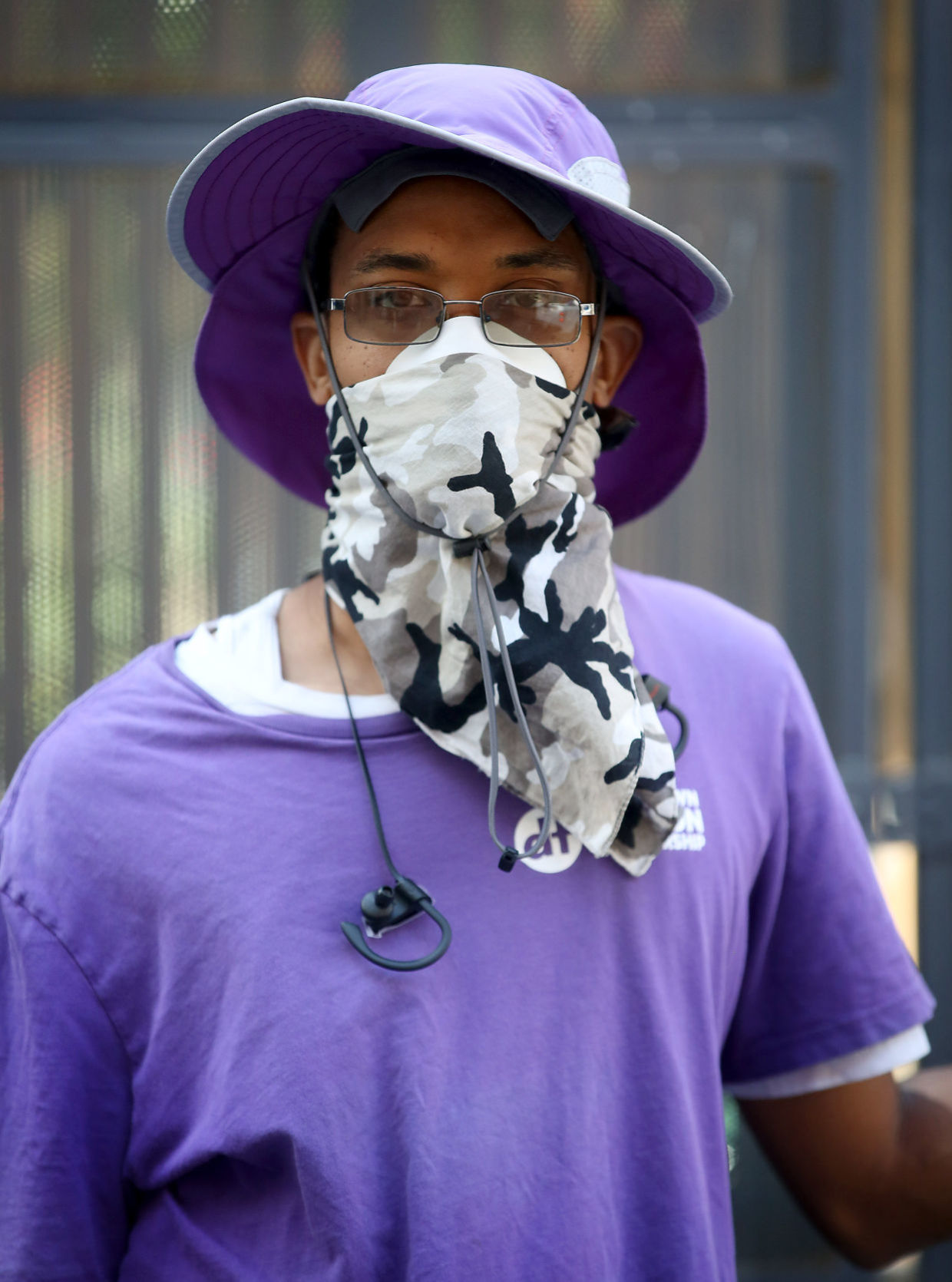
Trevonn Clark: "I miss going to restaurants and the movies." April 8, 2020.
Tucsonans wearing masks, coronavirus
Updated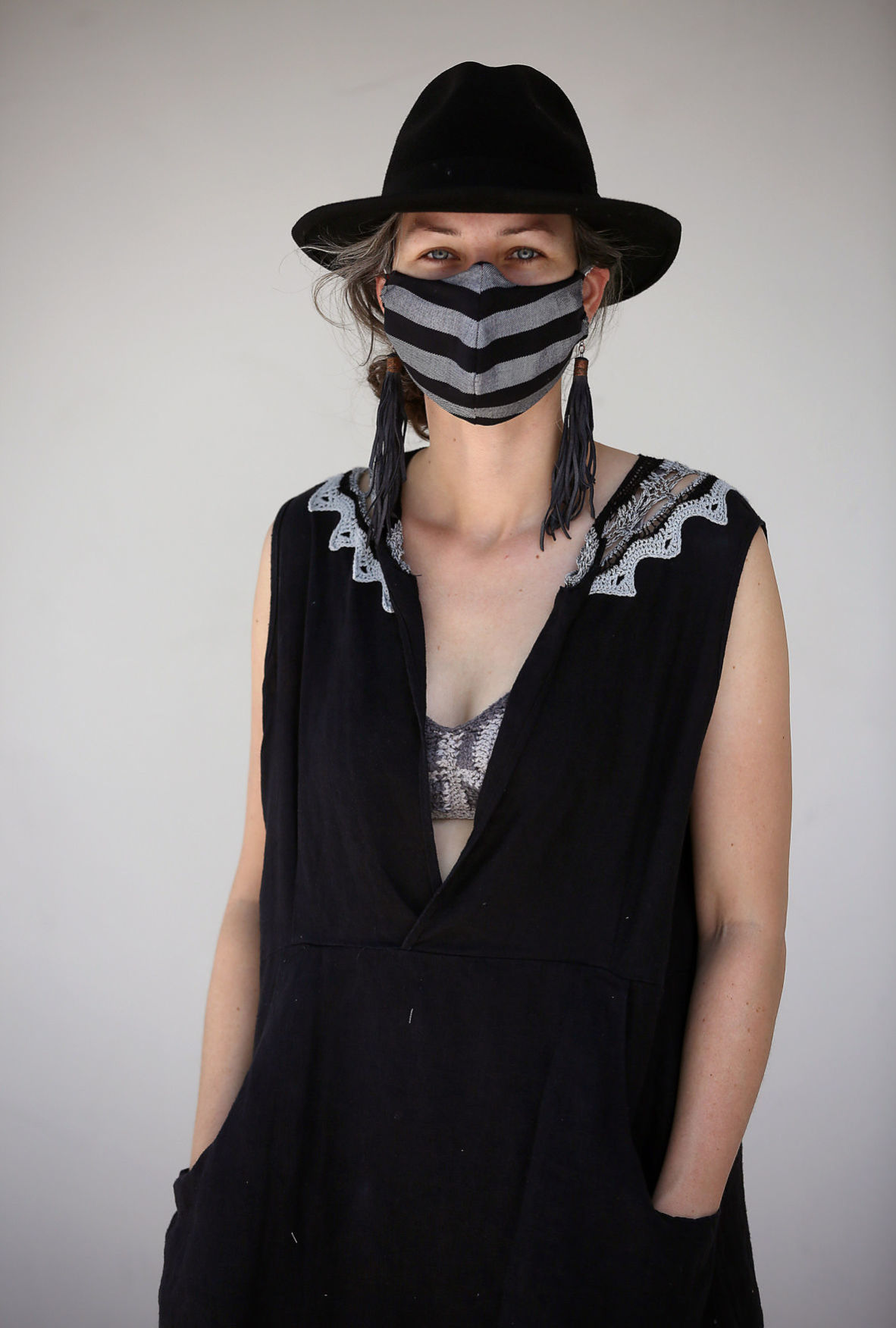
Laura Eliason: "I wonder when I'll be able to travel and see my family again." April 8, 2020.
Tucsonans wearing masks, coronavirus
Updated
George Ortega, retiree: "I am retired. I wear a mask because it makes me feel good and others feel good." April 6, 2020.
Tucsonans wearing masks, coronavirus
Updated
Fox Nopri: "It has definitely affected me by how I keep up with my behavioral health. Most of the places I go have been closed down or have set dates to close." April 6, 2020.
Tucsonans wearing masks, coronavirus
Updated
Jeronimo "Mo" Madril, owner and executive chef of Geronimo's Revenge: "As an owner and driven person, I am very discouraged. It is what it is." April 6, 2020.
Tucsonans wearing masks, coronavirus
Updated
David Clarke, unemployed bartender: "I am an out of work bartender. Jobs have instantly vanished." April 6, 2020.
Tucsonans wearing masks, coronavirus
Updated
Leonel Cabrera. April 6, 2020.

