


Jesus Loreto had an idea that he knocked around in his head for a while. Really, it was years that he thought about writing a book.
It would be about his mother and his family. It would be about growing up in Southern Arizona, after the family relocated from Northern Sonora.
Loreto’s book would be about an American family, a family not unlike so many others in Tucson and the rest of Baja Arizona.
While he thought about writing, he didn’t commit himself. Writing is daunting. It can be intimidating.
But about 10 years ago, he started writing. Then he stopped. Then after some time had passed, Loreto restarted only to stop again.
The desire to tell his family’s story gnawed at him. It was almost as if it were his duty to do so.
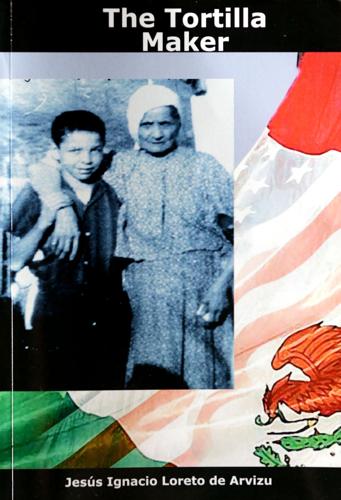
He sat down again and this time he didn’t stop writing “The Tortilla Maker.”
He found a publisher, Floricanto Press in California, and three years ago Loreto’s book was published.
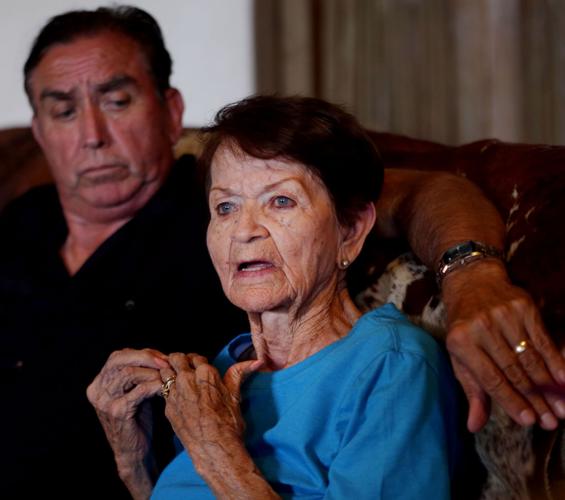
“It was a surprise for me when he wrote the book,” said Ramona Arvizu Mendoza, Loreto’s 89-year-old mother. “I am glad.”
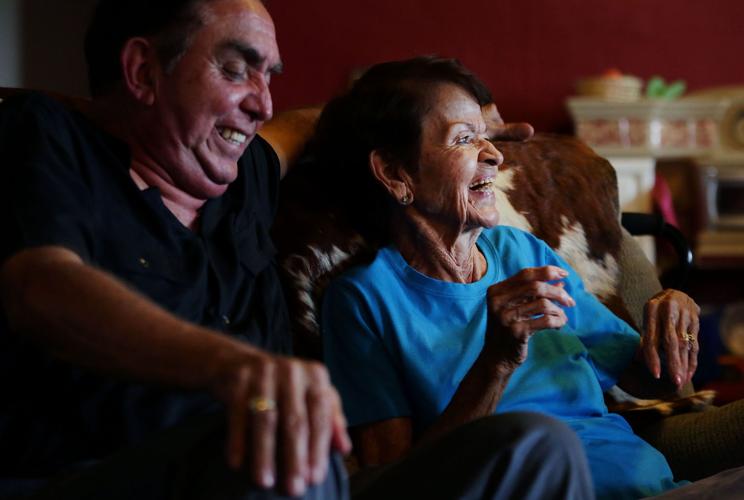
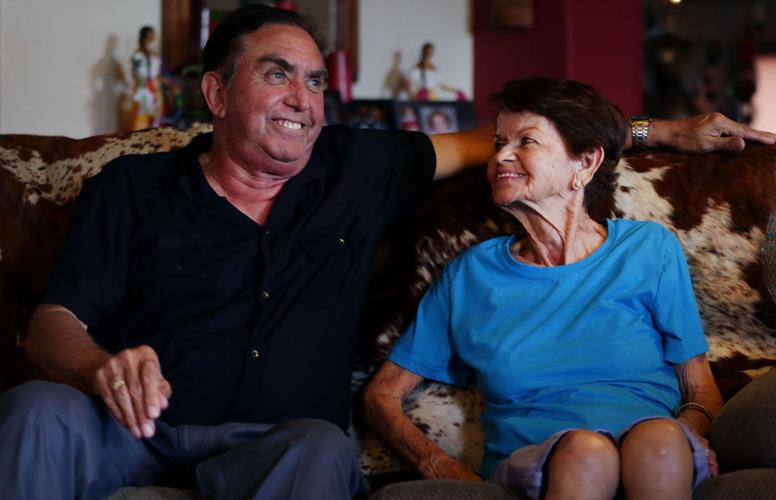
I met Loreto and his mother, and his siblings — Carlos, Ramona, Elsa, Marilyn and Ruby — last week in Oro Valley, where Arvizu lives with her eldest son, Carlos. Loreto was visiting from Tampa, Florida, where he lives. Loreto, who is 63, hasn’t lived in Tucson since he left in his early 20s. Nonetheless, Loreto, who has lived in both Carolina states, California and Phoenix, has remained connected to his family and Southern Arizona.
Loreto’s story begins in his birthplace, Nacozari de García, a small Sonora mining town about two hours south of Douglas. His mother is divorced and raising four children. The family matriarch is her mother, Ignacia Arvizu. Both women are strong-willed, independent, devoting mothers who had been married to abusive, violent men.
Wanting a better life for her four children, Loreto’s mother moved the family to Bisbee in 1957 — with a new husband, a U.S. serviceman stationed at Ft. Huachuca. Loreto’s mother gave birth to two girls, but in 1961, her husband left the family.
“To this day I can remember the tears flowing,” Loreto wrote of his mother.
She decided to remain in Bisbee. She ironed clothes, 5 cents apiece, and waited tables at a restaurant. At night she made tortillas that her older children would sell on the street.
“In a spare moment or two she would study English and for her citizenship test,” he wrote. “This was mom’s finest moment.”
Eventually, she and her six children moved to Tucson where Loreto’s tía and tío lived. There were more opportunities but the challenges remained.
Loreto’s mother found a job on a dude ranch in the Sabino Canyon area. The older children would work there, too. Loreto’s after-school job was to take care of Ruby and Marilyn, and cook the family dinner.
Loreto’s mother also worked at a Tucson restaurant, ironed clothes and made tortillas, tamales and empanadas which the children peddled around the neighborhood
He wrote: “We joined the ranks of other entrepreneurs in town, along with old pickup trucks, mostly immigrant workers, sold everything from watermelons to peaches and breads and now Mom’s handmade flour tortillas!”
Loreto said his mother refused to apply for welfare. She was determined to raise, clothe and feed her six children on her own. And she saved money to buy a house on East 32nd Street near South Alvernon Way.
“There wasn’t much she didn’t do,” Loreto told me.
Loreto said he wrote the book, which is also a history of our border region, from memory and the family’s oral histories. While the book is a personal account of a family, the story makes a loud political statement that resonates in today’s social climate where nativism has gone mainstream and occupies the White House and many state capitols.
“It is a story of a successful immigrant family,” Loreto said.
He wrote it for his family and to share with others. Above all he wrote it to honor his selfless, hardworking mother who did everything she had to do for her children.
“I wanted to validate her life,” Loreto said. “I wanted to say to mom, ‘you did an excellent job.’”

