



Roughly 250 rattlesnake bites a year might not sound like much in a state that’s home to more than 7.2 million people.
But that number is significant if you’re one of the unlucky few.
“It feels like there’s a fire inside your skin, and no matter how much water you put on it, you can’t put the fire out,” said Celia Cartwright, who was bitten on the hand at her Catalina Foothills condo on Sept. 14. “It’s not something you’d wish on your own worst enemy.”
Arizona typically leads the nation in the number of rattlesnake bites per capita. Last year, Pima County recorded 100 bites, more than any other county in the state. Eleven of those happened in Tucson’s 85718 ZIP code, where Cartwright lives.
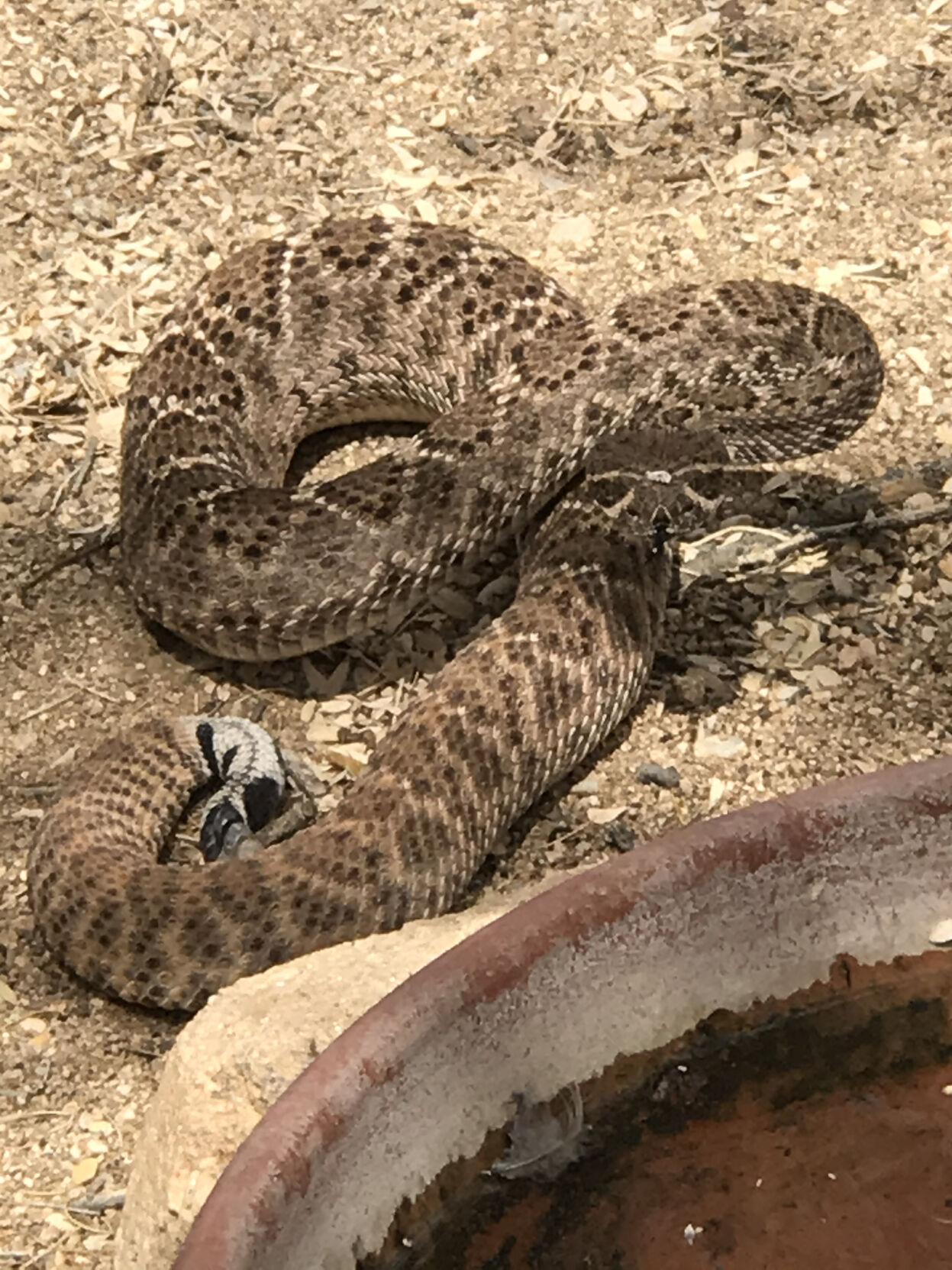
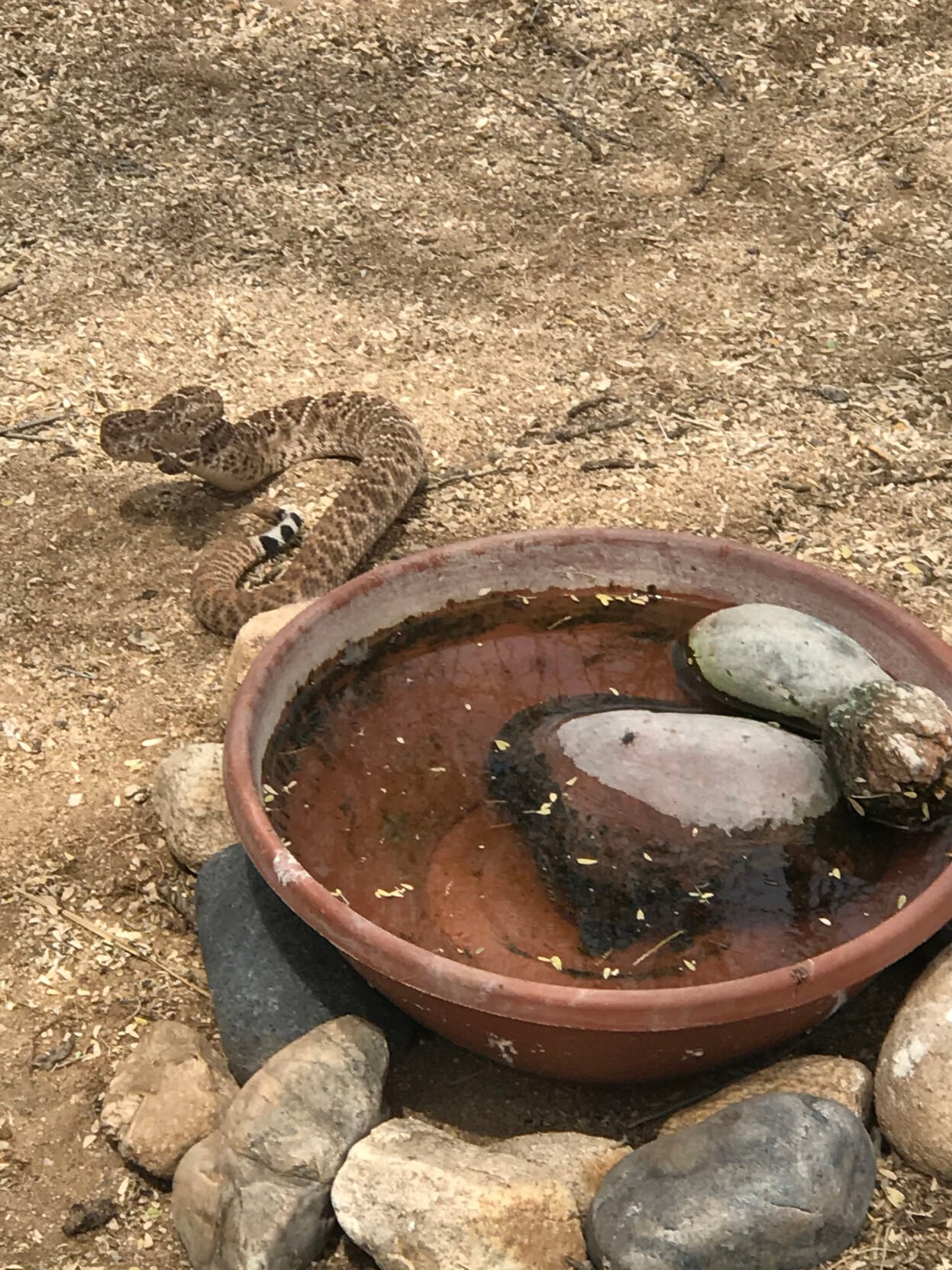
Tucson resident and Arizona Daily Star reporter Henry Brean was nearly bit by a western diamondback rattlesnake in the yard behind his Oro Valley home. Phew! We're sorry for your scare Henry, but grateful for the chance to see this rattler up close!
It’s a pretty predictable formula, according to Dr. Farshad “Mazda” Shirazi, medical director for the Arizona Poison and Drug Information Center.
The state is home to 13 kinds of rattlesnakes, and they share the landscape with an active human population that likes to get outside and enjoy Arizona’s trademark sunny weather.
“Snakebite season really starts in March, depending on temperatures, and lasts through the end of September or early October,” Shirazi said.
Bites generally spike in April, May, August and September, when both people and rattlers tend to be more active during the day.
The two poison control centers in Arizona received 259 reports of people bitten by rattlesnakes statewide in 2020. The number was 274 in 2019 and 234 in 2018, though not every bite gets reported.
Rattlesnake venom can cause internal bleeding, severe breathing difficulties and permanent tissue and nerve damage.
“It’s not something that I recommend,” Shirazi said.
Some of the most serious cases involve multiple strikes or bites to the face, neck or upper torso that can cause a person’s airway to swell shut, Shirazi said. A bite on the calf or another large muscle can also be debilitating because of the way venom destroys tissue.
He said the worst hand injuries they see are often the result of someone bitten while feeding a captive rattlesnake, since the reptiles tend to inject more venom into their prey than they do during a defensive strike.
The poison and drug information center has cataloged more than 4,000 bite victims across Arizona since 1999, and Shirazi said they rarely fit the old stereotype of some drunk youth messing with a snake to prove his masculinity.
Most people — men and women both — encounter rattlesnakes while hiking in the desert, searching the bushes for a lost golf ball or working in their yards, he said. A sizable share of them are landscapers and groundskeepers who are bitten on the job.
According to the center, the average age of Arizona snakebite victims is in their 50s. More than a third of the people bitten in Pima County last year were 60 or older.
A freak accident
On the evening Cartwright was bit, the 55-year-old personal trainer had just come home from teaching a class and noticed that the plants looked a little thirsty in her yard near Swan Road and Sunrise Drive.
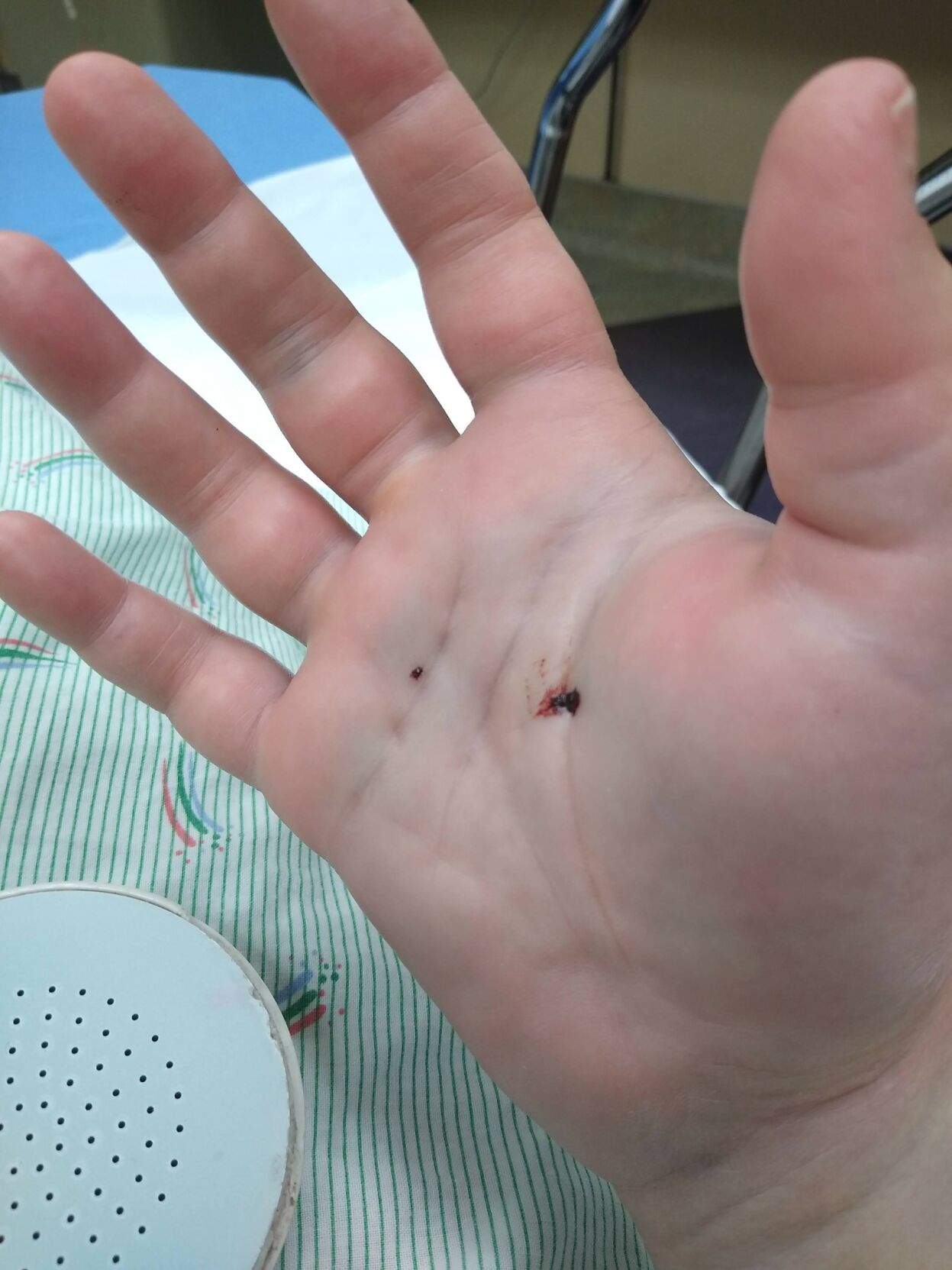
As she fiddled with the hose, she felt a sharp pain and pulled her hand back to reveal two red puncture marks on her right palm.
At first, she thought she might have impaled herself on a garden tool. Then she saw the snake coiled up with the hose.
“It was just a freak accident,” Cartwright said. “The pain started right away.”
She couldn’t get her husband on the phone, so the former Border Patrol agent drove herself to a nearby fire station in hopes they could tell her what kind of snake had bitten her.
“They said, ‘Yep, that’s a rattlesnake bite,’” and tried to load her into an ambulance, but she convinced them to let her drive herself to the hospital.
That’s when her law enforcement survival training kicked in. With her hand searing and swelling on the stick shift, she steered her MINI Cooper to the emergency room at Tucson Medical Center.
“I just pushed through it. I went into crisis mode,” she said. “I didn’t want to lose my hand or die of a heart attack.”
Cartwright would spend the next three days at TMC, including two in the intensive care unit, where she was given several rounds of anti-venom and morphine for the pain while doctors monitored her alarmingly slow heart rate.
Because of coronavirus protocols, her husband could only wave to her through a window.
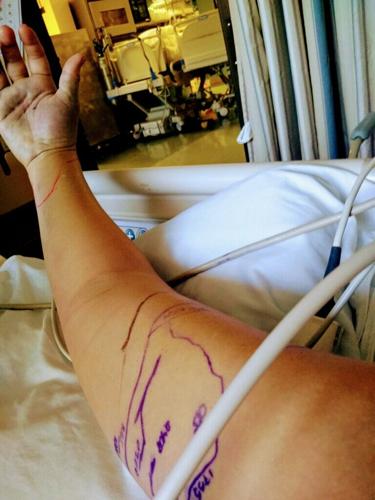
The doctors drew lines on her right arm to chart the progression of the venom as it spread into the rest of her body.
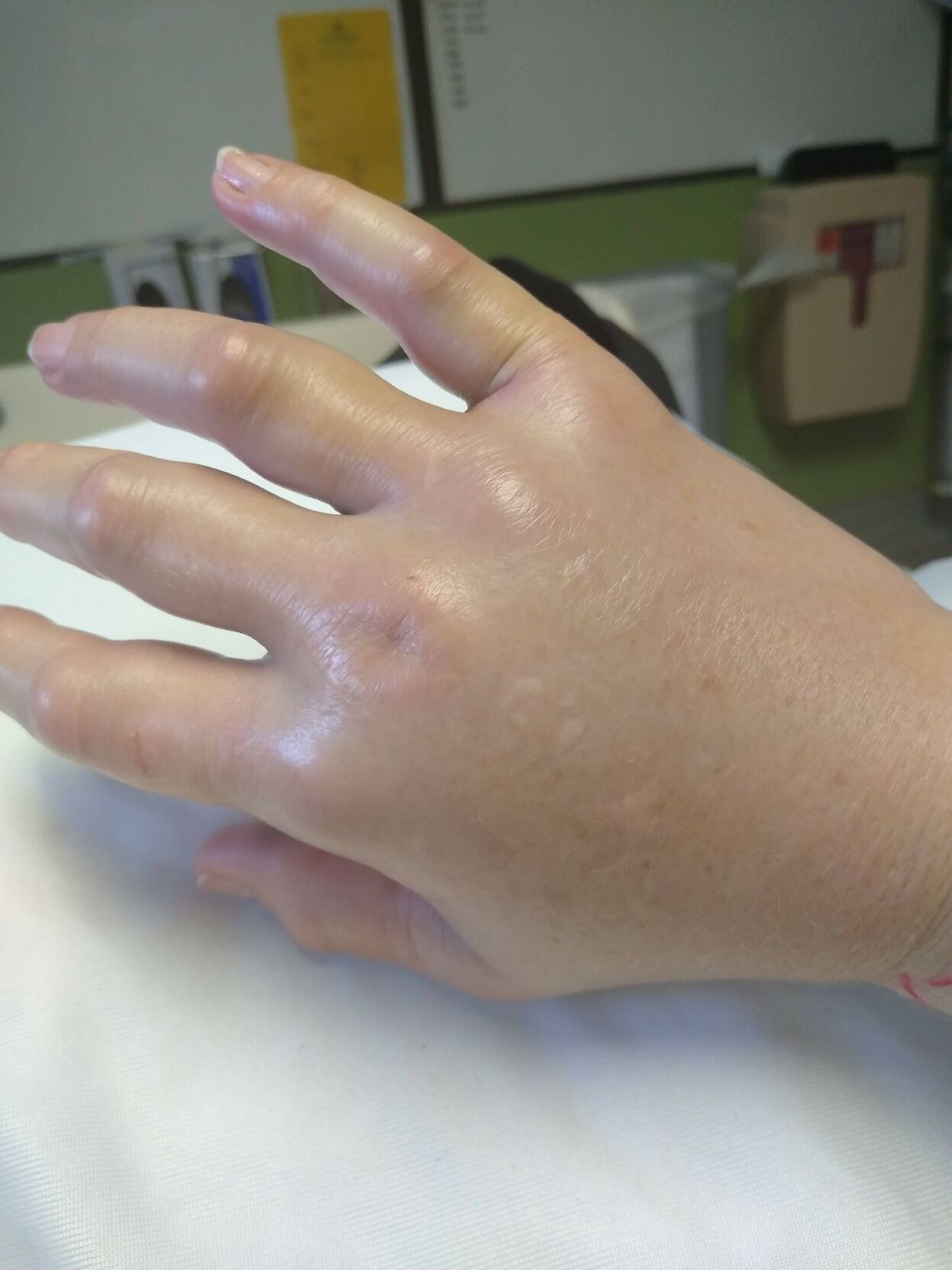
“My hand looked like a football,” she said.
The swelling reached as far as her armpit before the anti-venom kicked in.
For weeks afterward, one wrong move would send a sudden jolt of pain up her arm like there was “an electric eel in there.”
She said her hand was black and blue for about a month, and it took about three months for her to regain full use of it. She still has some residual weakness, and she’s not allowed to donate blood for the next year — something about the venom or maybe the anti-venom still in her system — but she’s mostly recovered.
“I’d say I’m back to 98 to 99%, so I was one of the lucky ones,” Cartwright said.
No bites alike
Rattlesnake venom is devastating by design, Shirazi said. The reptiles use it to both immobilize their prey and break it down for easier digestion.
Its composition and potency differs from species to species and snake to snake. An individual’s venom can also change throughout its lifetime based on environmental and dietary factors.
In other words, every bite is different, he said.
“That’s why we say in clinical practice: If you’ve seen one rattlesnake bite you’ve seen one rattlesnake bite.”
Generally speaking, the Mojave rattlesnake packs the most dangerous bite, and research has shown that the ones found in southeastern Arizona tend to be even more toxic than ones elsewhere in the state.
But really there’s no such thing as the right kind of rattlesnake to get bitten by or the right way to get bit. Any rattler can get its venom into you with a single fang or by merely scratching your skin with its teeth.
And forget what you have heard about sucking out the poison or rubbing ice on the wound or applying a tourniquet. That could only make things worse.
“The majority of our bites are western diamondbacks, and they do enough damage,” Shirazi said. “Get to the hospital, get evaluated, get the anti-venom.”
And maybe bring your wallet.
According to Shirazi, the drugs used to counteract a snakebite cost hospitals between $1,200 and $3,000 per vial. Patients are often charged significantly more than that — as much as 18 times more in at least one case Shirazi found.
The average snakebite victim in Arizona requires 11 to 14 vials of anti-venom during treatment.
Cartwright said the bill for her hospital stay topped $80,000.
Better outcomes
Thanks to modern anti-venom treatments, rattlesnake bites are almost never fatal for humans anymore.
“If you get one person in a year (for the entire) country, that was a significant year,” Shirazi said. “The rate of death from this is very low.”
There is no record of anyone dying from a snakebite in Arizona in the past five years at least, though it does happen occasionally, said Laura Morehouse, community outreach coordinator for the poison and drug information center.
One of the most notorious cases occurred in 1965, when perhaps the nation’s foremost snakebite expert, Fred Shannon, was bitten by a Mojave rattlesnake while collecting specimens in a remote part of Graham County, northeast of Tucson.
Shannon, the 43-year-old author of the snakebite manual used by the U.S. military, was flown from Safford to Los Angeles for treatment but died shortly after he arrived at the hospital, according to news accounts.
Today there are two drugs used to treat rattlesnake bites, and Arizona played a major role in the development of both.
CroFab was created by University of Arizona faculty members and approved for use by the Food and Drug Administration in 2000, after clinical trials involving the poison and drug information center in Tucson and the Banner-run poison control center in Phoenix.
Patients at hospitals in Arizona were also heavily involved in the trails for Anavip, an anti-venom produced in Mexico and approved by the FDA in 2015.
The Tucson poison center, housed at the UA’s College of Pharmacy, now serves as a go-to source for clinical and academic support for anything venom-related.
“Pretty much all the hospitals in the state know to call us after a snakebite,” Morehouse said.
The center also collects data and conducts research on everything from the properties of snake venom to the factors that most often lead to bites.
Public education is key.
Rattlesnakes are not naturally aggressive. They aren’t going to chase you. The vast majority of bites are defensive and occur when someone surprises a snake or fails to heed its warnings.
As Morehouse put it: You don’t have to live in fear of rattlesnakes. You just have to be aware of them.
“This is their house,” she said. “We’re just living in it.”

