




The University of Arizona announced a new $3 million grant that will help its graduate student researchers take on the world’s challenges from climate change to sustainable food resources.
The National Science Foundation Research traineeship “BRIDGES” Program will provide two academic years for 20 masters and doctoral students in the UA’s Ecosystem Genomics Initiative, whose purpose is to allow scientists from different fields to collaborate to solve those challenges.
The grant money will help students for the next five years. Ecosystem genomics is defined as a field of science focusing on how the processes at a genetic or genomic level can scale up to influence the ecosystems humans depend on, according to UA.
Researchers harvest and weigh basil at gardens outside Biosphere 2. The gardens are part of an experiment on new crops and growing techniques for hotter, drier desert conditions expected as a result of climate change. This includes looking at the differences between full exposure gardening, utilizing shade of solar panels and various ranges of watering. (Josh Galemore / Arizona Daily Star)
The grant will allow students to develop “new models to inform global climate policy, identify genes and genomic interactions that enhance crop yield, and prepare graduate students to join the national workforce in fields such as ecosystem management, medical genetics and food security,” a UA news release said.
Those students will also partner with industry leaders with a focus on “enhancing crop resistance to drought in the Southwestern U.S., advancing sustainable rice production in Asia, and testing evolution-ecology theories with precision ecosystem experiments,” UA said.
The university said the mission remains in diversifying the science, technology, engineering and mathematics fields.
The student researchers will later share their wisdom through “mentored mentoring,” the school said.
Those students’ efforts also extend to additional teaching and outreach opportunities to local minority-serving high schools.
Students will also be able to showcase their projects in the annual Institute in Ecosystem Genomics Convergence, allowing them to advance proposals, share results of team-based research experiences and participate in interactive workshops for professional development and training in inclusivity, according to UA.
“As a student-centered Research 1 university, the University of Arizona is committed to bridging scientific achievement with student success and opportunity, and this award from the National Science Foundation will further our ability to train a new, diverse and interdisciplinary body of scientists who are equipped to take on our world’s greatest challenges,” said UA President Robert C. Robbins.
10 of the biggest threats to biodiversity:
10 of the biggest threats to biodiversity, and why you should care
Climate change
Updated
Ninety-seven percent of climate scientists agree that climate-warming trends over the past century are very likely due to human activities, and most of the leading scientific organizations around the world have issued public statements backing this position, NASA reports. As a result of this climate change, oceans are warming and becoming more acidic, ice sheets are shrinking, sea levels are rising and glaciers are melting. All of this affects the species of the world, including humans.
Overfishing
Updated
Your love of halibut is decimating it. In 2003, a scientific report estimated that industrial fishing reduced the number of large ocean fish to just 10 percent of their pre-industrial population, National Geographic reports. According to the International Union for Conservation of Nature's Red List of endangered species, 1,414 species of fish, or 5 percent of the world's known species, are at risk for extinction.
Agriculture
Updated
To keep up with projected demand, farming output will need to double in the next few decades, Stanford University reports. This could be devastating for the environment as a whole and biodiversity in particular. Pesticides can damage the soil and water, and the loss of habitat adversely affects species. In addition, the agricultural sector around the world consumes about 70 percent of the planet's accessible freshwater, WWF reports.
Habitat loss
Updated
Where subdivisions are built, where trees are clear-cut, where farmland spreads, where ranchers seek grass for their herds to graze on and where mining operations begin, biodiversity can suffer. Forests cover 31 percent of the land area on our planet, providing oxygen and protection and more. Many of the world’s most threatened and endangered animals live in forests, and 1.6 billion people rely on the benefits forests offer, WWF reports.
Overpopulation
Updated
The world's population is more than 7.3 billion. The United Nations predicts it could reach 9.7 billion people by 2050, and more than 11 billion by 2100. The needs of all these people will continue to affect other species on the planet as people fight for natural resources and room to live. The strain also will be felt among those people who don't have the means to acquire the resources they need to survive.
Poaching
Updated
Many nations are fighting a losing battle against poachers. The world’s last male northern white rhinoceros died this year. The rhino is a victim of the greed of poachers who harvest the animal’s horn, which can fetch up to $100,000 for about 2.2 pounds, making it worth more than its weight in gold, The Atlantic reports. The horn is mistakenly believed by some to have medicinal qualities and virility enhancers. A comprehensive survey found that 100,000 elephants (pictured) were poached across Africa between 2010 and 2012 -- mostly for their tusks -- and many other animals also have been decimated by hunters. The pangolin is the world’s most poached animal because its scales are used in traditional medicine and fashion. Scientists think that more than 1 million pangolins have been poached in the past decade, according to National Geographic.
Pollution
Updated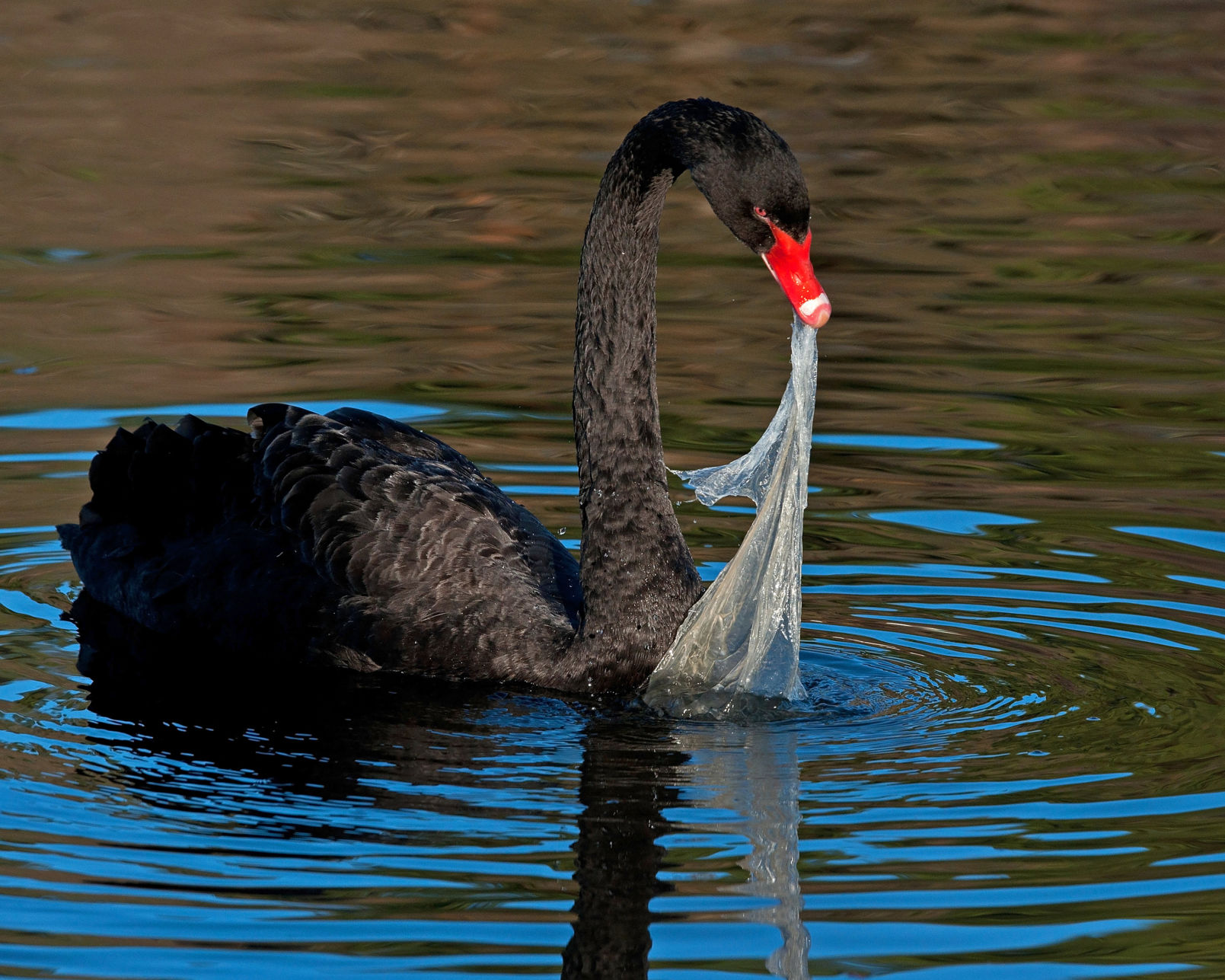
Ocean litter, pesticides, fertilizer, acid rain, air pollutants, noise and light pollution, oil spills, chemicals — they all harm our soil, water and air, choking life around the world. It is estimated that more than one million seabirds and 100,000 sea mammals are killed by pollution every year. People also are at serious risk. Environmental health experts estimated that 9 million premature deaths worldwide were linked to pollution in 2015, with the majority of deaths coming from air pollution, Time magazine reported.
Invasive species
Updated
An invasive species can be any kind of living organism — including the lion fish (pictured), or even an organism’s seeds or eggs — that is not native to an ecosystem and causes harm. Approximately 42 percent of threatened or endangered species are at risk due to invasive species, the National Wildlife Federation says.
Tourism
Updated
You may think you’re doing a magnanimous thing by visiting a developing nation and helping the local economy. But there’s a dark side to tourism. Tourists are tromping on plant life in ecologically sensitive areas, they’re leaving behind plastic and other garbage on beaches and they’re a drain on the natural resources of an area.
Conflict
Updated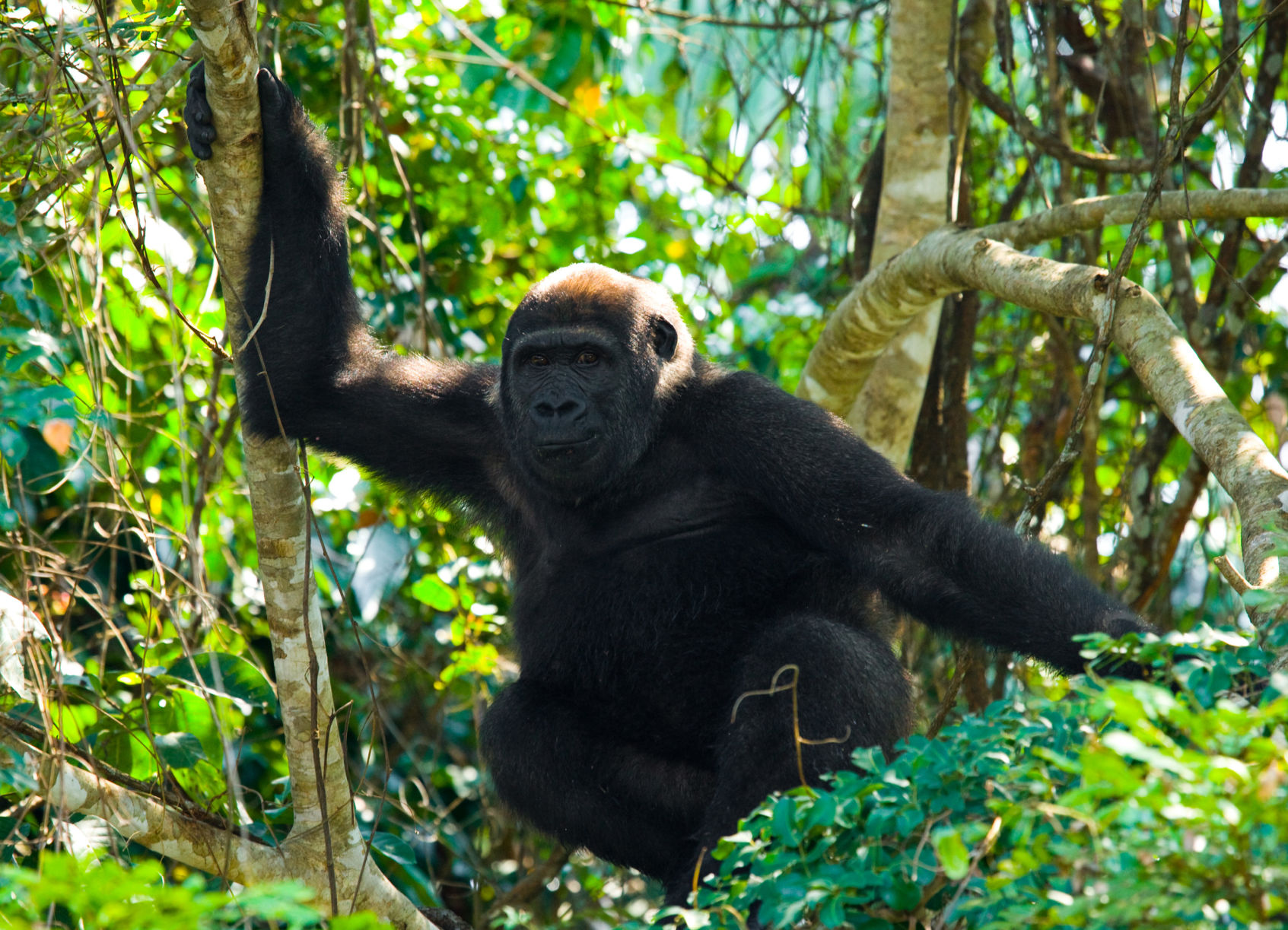
War can affect species in many ways, including through the carbon footprint of an advancing army, chemical weapons, the destruction of land, hunting and the displacement of people and animals. Lowland gorillas (pictured), for instance, have been adversely affected by civil war in the Democratic Republic of Congo. There were nearly 17,000 eastern lowland gorillas in the mid-1990s, but scientists estimate that the population has dropped by more than 50 percent since then, The World Wildlife Fund reports.

