

PHOENIX — A spat between ranchers and Native American tribes is threatening to torpedo a special panel that seeks to keep construction projects from damaging tribal remains and antiquities.
The House Committee on Natural Resources, Energy and Water refused on Tuesday to recommend that the the Arizona Archaeological Commission be allowed to exist another three years.
That followed complaints from ranching interests that the commission was needlessly holding up projects and requiring landowners to do more than required under federal law.
Without affirmative action of the Legislature the commission will cease to exist later this year.
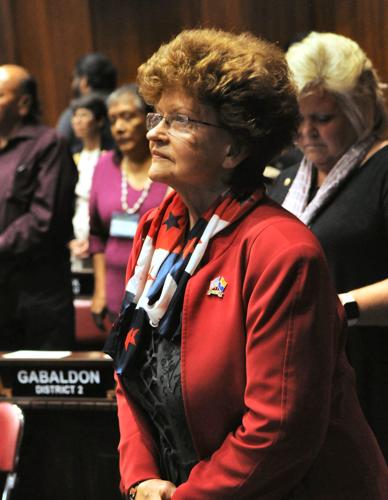
By Wednesday, somewhat cooler heads prevailed, with Rep. Gail Griffin, R-Hereford, introducing legislation to allow the commission to continue — but for one more year. Griffin said that will give lawmakers a chance to see if it can change the way it operates to better take into account the concerns of rural landowners.
The dust-up has created concerns among some Native American leaders.
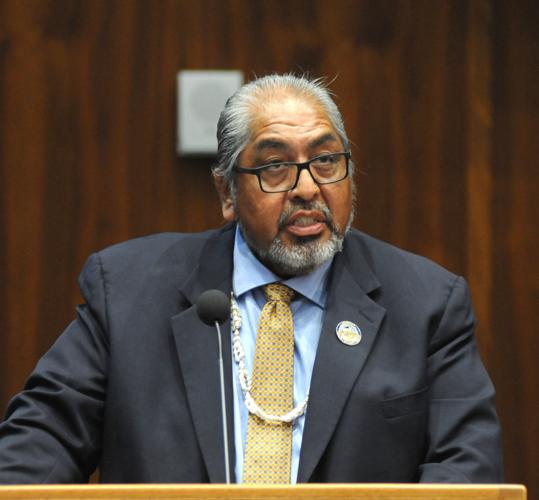
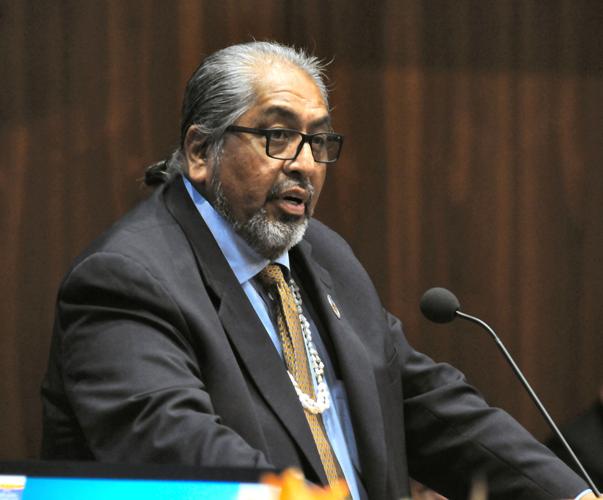
While tribes are now confined to reservation lands, there are “ancestral remains” throughout the state, said Ned Norris Jr., chairman of the Tohono O’odham Nation.
He said changes would have “a very detrimental effect on our ability to ensure there is a process, and to ensure there is a requirement for the protection of those archaeological artifacts and human remains that may be identified as a result of someone plowing through or constructing on a piece of property.”
The commission was created by lawmakers in 1985 to combat what was seen as rampant looting.
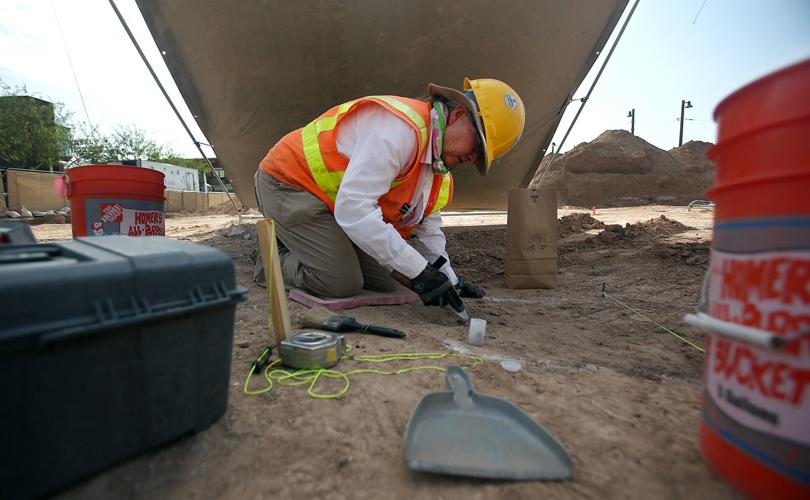
Part of its job is public education. In its role as advisory to the State Historic Preservation Office, it also works to ensure that all state and federal laws are followed when it comes to construction and digging in places likely to turn up antiquities.
Frustrations by ranchers affected by the commission boiled over in 2018 when the Legislature voted to require a “streamlined” procedure when someone wants to dig for water lines, fences and the like, and when something turns up.
That proposal by Rep. David Cook, R-Globe, would have allowed reports to be prepared by someone who “completed a national culture resources training program.” It also would have established buffer zones where work could continue.
Republican Gov. Doug Ducey vetoed it.
In his veto message, the governor said he agrees with the goal of reducing regulatory burdens and correcting wasteful activities, “especially if it will bolster our state economy.” But Ducey said his administration already took “significant steps to improve the process.”
Cook said problems remain, starting with the makeup of the commission.
“They were all from Phoenix or Tucson,” he said, and all archaeologists. Cook said there was no representation from those in the agriculture industry who have to live and comply with any requirements.
Cook also said the panel’s requirements for searching and removing any findings are excessive. He cited a rancher who wanted to build a corral on Forest Service land. To get the necessary clearance would have run $1 million for a corral with a $14,000 price tag, Cook asserted.
Griffin said there are other problems with the way the whole system of historic preservation is run. She said it fails to keep data in the system about which land has been surveyed for remains or objects in the past, essentially requiring an entirely new survey to be performed for any new projects.
Norris said the focus has to be on protecting the remains.
“Many of the tribes have lived in this state for centuries, since time immemorial,” he said.
“Although we’re secluded on our current existing tribal reservations, we still have an obligation and an interest to ensure the protection of any of our ancestral remains, regardless of whether or not they’re on or off our tribal nations,” he said.
Norris also appeared unimpressed by complaints that the process of identifying and removing antiquities takes too long.
“It’s a government,” he said. “And sometimes a government doesn’t move as fast as people would like them to move.”
Rep. Andres Cano, D-Tucson, said if the concern of some Republicans is that the commission is not inclusive enough, there’s a simple solution because Ducey makes the appointments.

