



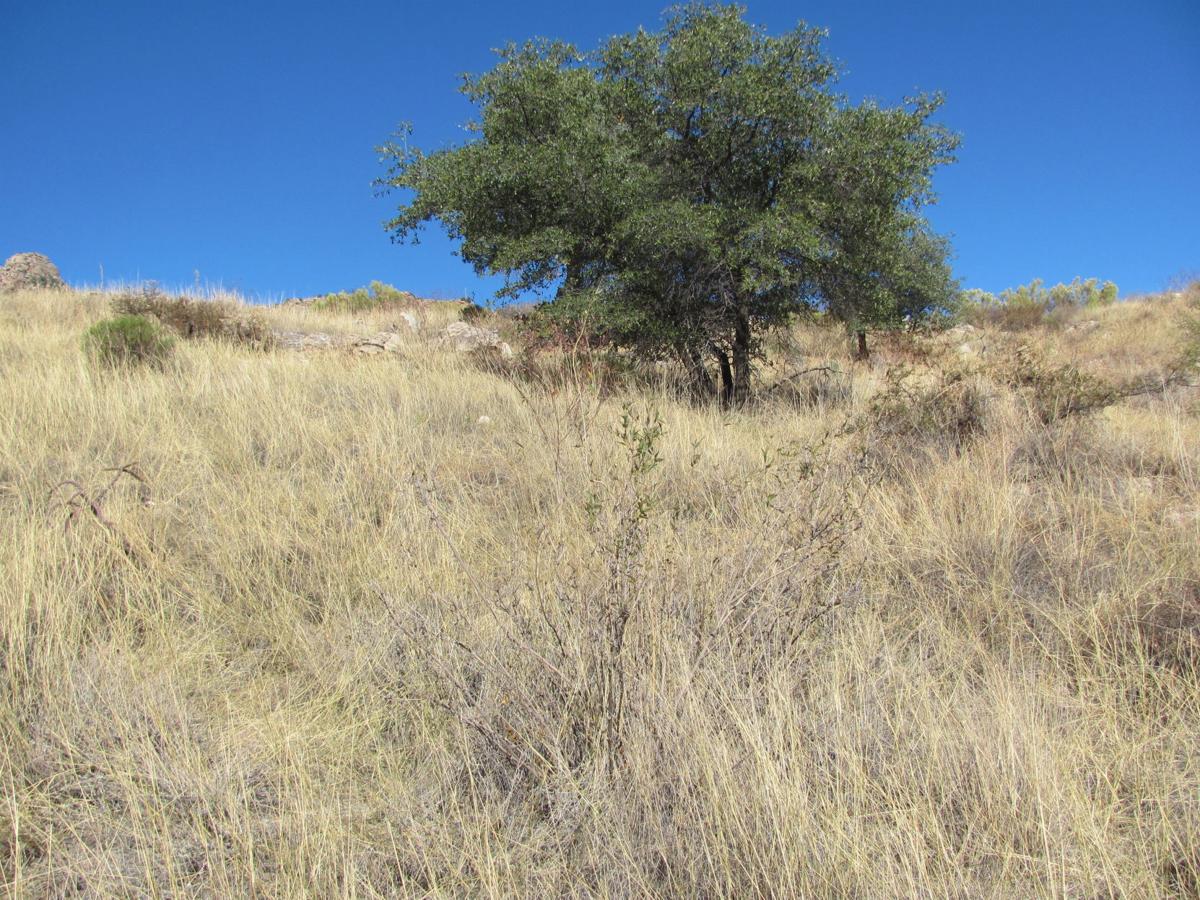
As Southern California is ablaze with some of the worst fires in the state’s history, public lands officials in bone-dry Southern Arizona are warning that the region is a tinderbox at risk for its own siege of wildfires.
They’re calling on the public to be especially cautious in fire-threatened areas.
Coronado National Forest lands around Tucson are at risk for “significant wildfire activity for a number of reasons,” said Heidi Schewel, spokeswoman for the forest.
“We have abundant, dry fuel at all elevations,” Schewel said. “This includes fine fuels like grasses and bushes at the low-to-middle elevations, and dead branches on trees. At the higher elevations, dry pine needles, forbs and woody plants are dry and available to burn.”
Another factor, she said, is that some areas of the forest have experienced insect activity — damaging or killing trees and adding to the fuel available to burn.
“Our weather has been abnormally warm and dry, leading to the dry conditions and dry vegetation ready to burn in winter,” Schewel said.
Michelle Fidler, fire communication and education specialist with the National Park Service, said Saguaro National Park lands east and west of Tucson also are at high risk for wildfire.
“Even with the little shot of moisture that we received this week and the shorter days and cooler temperatures, at all elevations of the park the National Fire Danger Rating System is showing high fire danger,” Fidler said.
“If an unplanned wildfire were to occur, there is potential for it to grow with the available vegetation from this year’s monsoon,” she said. “As always, visitors to the park should exercise caution with fire.”
FIRE PREVENTION TIPS
Schewel and Fidler emphasized that wildfires can happen at any time of the year and called for extreme caution by visitors.
Because of the recent extremely dry and warm weather, “The advice for summer recreation is applicable now,” Schewel said. Her fire prevention tips include:
- Avoid building campfires on windy days.
- Select safe locations for campfires.
- In developed recreation sites, use metal grills, grates and fire rings provided. Otherwise, select a location with bare mineral soil and no flammable vegetation above or around it.
- Build a suitable fire pit and enclose it with rocks or other materials to prevent fire from spreading from it.
- Never leave a fire unattended, for any reason, for any amount of time.
- Carry plenty of water if you’re planning to build a campfire. When leaving, drown it with water, stir, drown, stir and continue until it is cold to the touch and no hot coals remain.
- Remember that one less spark means one less wildfire. Consider actions which could cause sparks and take the necessary precautions to prevent them. Ensure that tow chains are secured as to not strike pavement while traveling. Ensure chainsaws and other equipment have spark arresters. Don’t park vehicles over tall, dry grass.

