


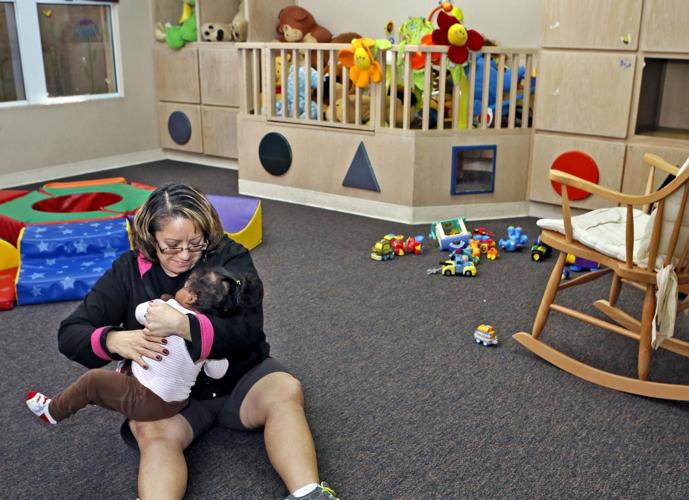
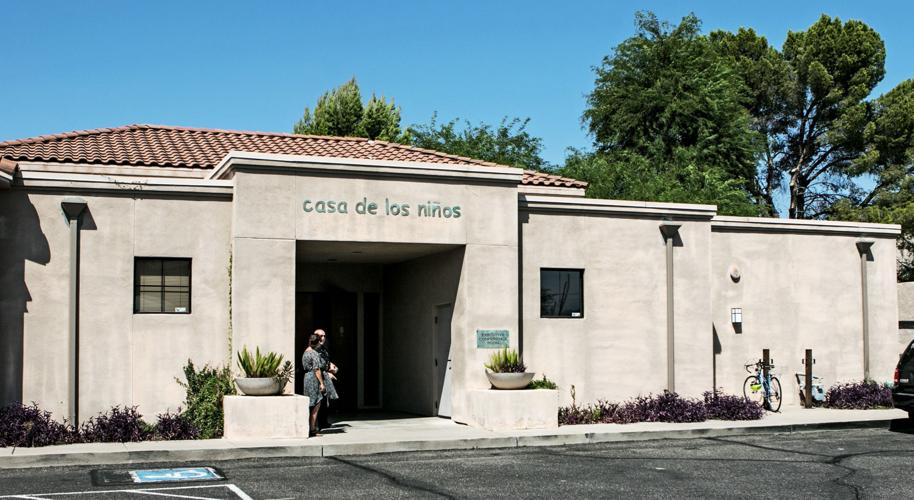

With an increase of available foster parents and relatives who can take care of children in need, Casa de los Niños is closing its crisis shelter.
Over the past year, the number of children in the shelter has decreased significantly from previous years, when more than 30 children a month were placed in the facility, officials said.
“Casa’s work has been shifting for some time to in-home services and education to thousands of families each year,” CEO Susie Huhn said at a news conference Tuesday.
“Last year we serviced more than 9,000 children and families in the community.”
“While there once was a time that the crisis shelter was the best way we knew to help children, that’s changed over the years,” Huhn said. “We’ve shifted to prevention and early intervention. We want to protect children, but also preserve their families.”
The shelter’s closing is bittersweet, but with a new family center opening in the spring, this gives Casa the opportunity to grow and diversify, Huhn said.
“The fact is that children do best in loving and supportive family homes,” said Tucson Mayor Jonathan Rothschild, who previously served as Casa’s board president. “The shelter is no longer necessary because we’re creating a caring community.”
The closure of Casa’s shelter follows a state trend of other shelters closing, which signals the recovery of Arizona’s child-welfare system after 10 years of escalating removals, said Department of Child Services Director Greg McKay.
“Ten years ago, Arizona grew at the most rapid pace for children who came into the foster-care system,” McKay said. “The system toppled.”
The number of children in out-of-home care has gone down, from more than 19,000 removals last March to less than 17,000 this March.
“Last year we had 3,000 kids in group settings, now we’re at 2,200,” McKay said.
There are more than 11,200 beds available at the homes of licensed foster families, and 6,600 children are living in those settings, McKay said. There are 6,800 children with kinship providers, who are family members, he said.
“Many foster homes have beds available, and we have second or third options before children go to a shelter,” McKay said. “DCS has more robust services that we didn’t have two years ago during the crisis.”
While the state is always trying to recruit new families as foster parents, DCS has been hearing that foster families are waiting for children to come into their homes.
“We always are trying to make the right match the first time around,” McKay said.
In many cases, the state loses foster families because they end up adopting children who were placed into their homes, Huhn said.
Oct. 1 will be the last night Casa’s shelter is open for placements, but staff members don’t know if the shelter will last until that date, since it doesn’t have many children coming in, said Joanne Karolzak, Casa’s director of children and family services.
Casa’s executive staff will be undertaking a retreat session in the coming weeks that will focus on developing specific programs.
Casa is located in the 85705 ZIP code, which has previously had the highest number of child removals and high poverty rates, Karolzak said.
“Our mission is all about prevention and doing what’s relevant for families that need care,” Karolzak said.
“We’re hoping to find a way to address these needs.”

