


Rosa Robles Loreto used to have so much to do that she rose at 4:30 a.m. just to fit it all in.
She would see her husband off to his early-morning landscaping job, then get her two sons up and ready for school before heading out to her own job. After cleaning two or three houses, she would fix dinner, help the boys with their homework, take them to baseball practice and point them toward the shower before bed.
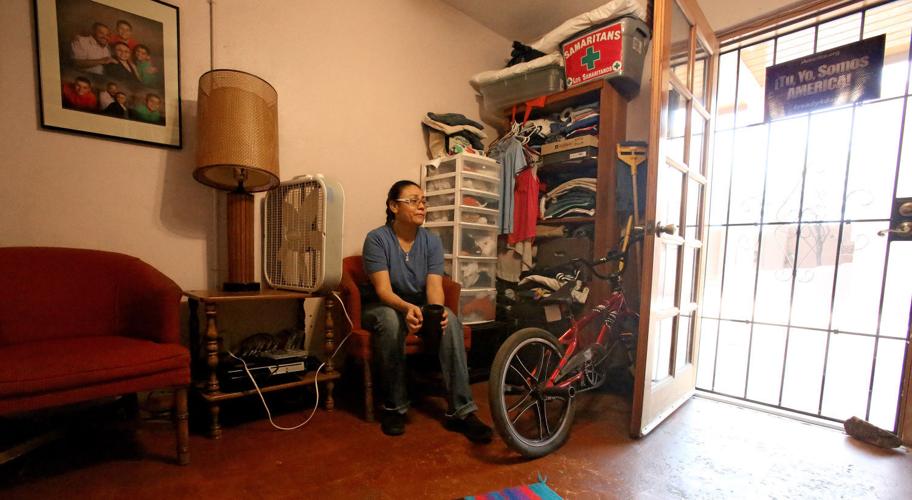
But in the year since she sought sanctuary inside Southside Presbyterian Church to avoid deportation, life has slowed to a crawl.
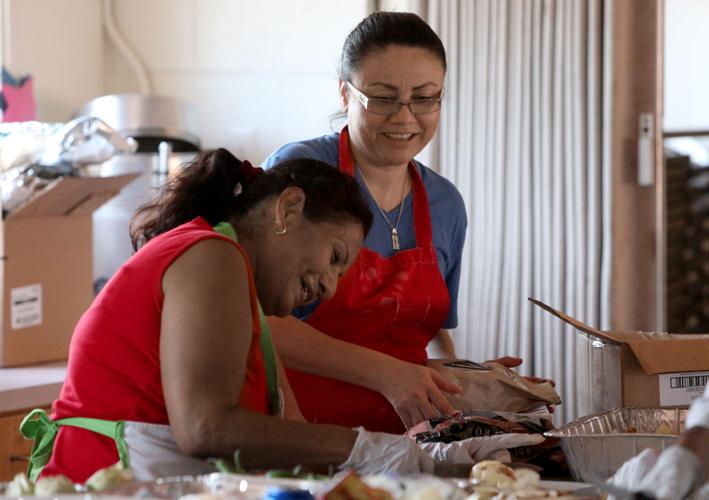
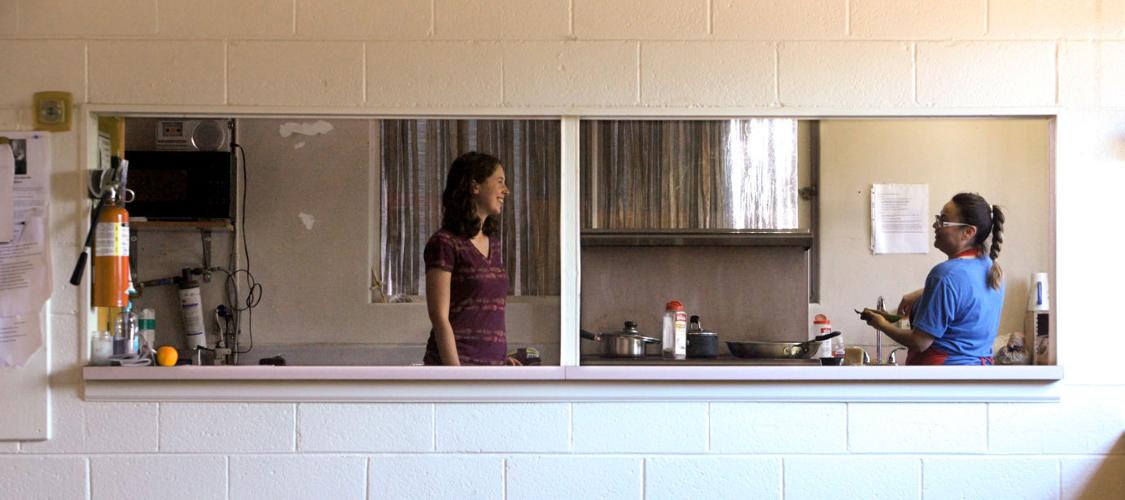
To pass the time, she cleans the church’s shared shower room and helps volunteers prepare meals for the homeless. Sometimes she stays up until 4 a.m. — about when she used to get up — surfing the Internet. And why not? With her family still living in their South Tucson manufactured home to keep a sense of routine in her children’s lives, she has no reason to get up early.
When she stepped inside the church 367 days ago, she knew it could take weeks, even months, for Immigration and Customs Enforcement to cancel the Aug. 8, 2014, deportation order that started with a traffic stop for an incorrect lane change, got worse with a petition to stay that the federal government never answered, and ended with a lawyer who didn’t ask that her case be closed. That put her on a path to being kicked out of the country. So far, ICE has denied her new attorney’s requests, but insists she is not a priority for deportation.
That’s not enough Robles Loreto, who has lived in Tucson since 1999 and wants a piece of paper saying she can legally stay — even if only temporarily. Once she’s deported back to Mexico, she can’t legally return unless something in the law or her situation changes, so she says doing it this way is her only chance.
Still, had she known how long this would take, she says, she might not have done it. She has spent Thanksgiving, Christmas, her 42nd birthday and her sons’ birthdays inside the church. For the second year, she missed taking them to their first day of school.
“That’s the hardest thing, not being able to be with my sons,” she says. “Knowing that my children have a mother, but at the same time they don’t have one at home.”
For their sake, her situation makes her sad. And for their sake, she says, she will not give up.
OPENING UP
Robles Loreto is a quiet person. When she worked at a bank in Mexico, clients would ask if she was mad.
So it’s not surprising that, after donning an apron this morning and offering to help volunteers prepare the church’s twice-weekly meal for hundreds of needy and homeless men and women, she keeps mostly to herself as she chops zucchini and yellow squash.
If there’s one bright spot in the past year, it’s that life inside the church has forced her to open up a bit.
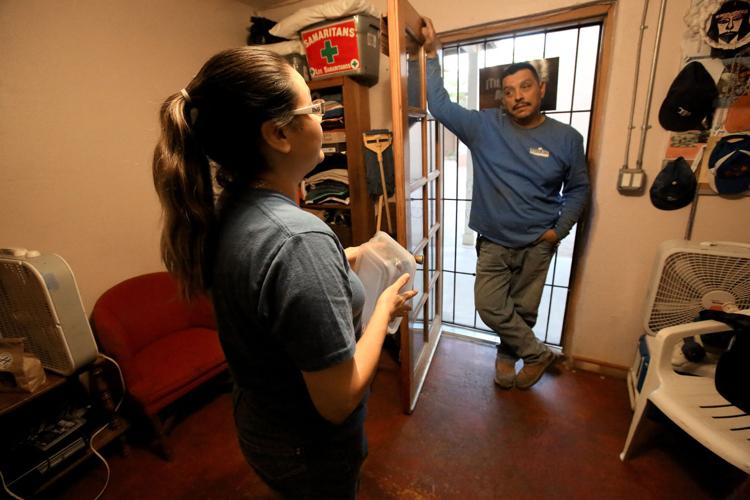
It’s tough to be quiet when reporters call or visit, ask to take her photo or record her comments. A volunteer is with her around the clock — constant spiritual support is a must in a sanctuary church — and some have become her friends.
But even if she does more talking now, most of the time she just thinks. She thinks of her sons, Gerardo, 12, and Emiliano, who is 9. They stay with her at the church during weekends and school breaks. She still cooks for them — using groceries her husband buys for her and drops off — only now she doesn’t get to see them eat it.
Today she starts dinner early — roasted peppers stuffed with cheese. She uses California peppers because her husband shops from her grocery list, but he didn’t get the less-spicy poblanos. He forgot the onions, too.
For the most part, Robles Loreto says she’s sheltered from any negativity surrounding her campaign. Still, she wonders.
While teaching Elizabeth Welliver, a summer intern, how to make the peppers, she asks her, “Do you think that it’s more the people who support us than those who ... .” She trails off without finishing her thought.
At about 2:30 p.m., her phone rings. It’s time for her weekly conference call with those still in sanctuary and those who had their removals put on hold. Nationwide, about a dozen people have sought refuge in churches to avoid deportation, and three of them remain.
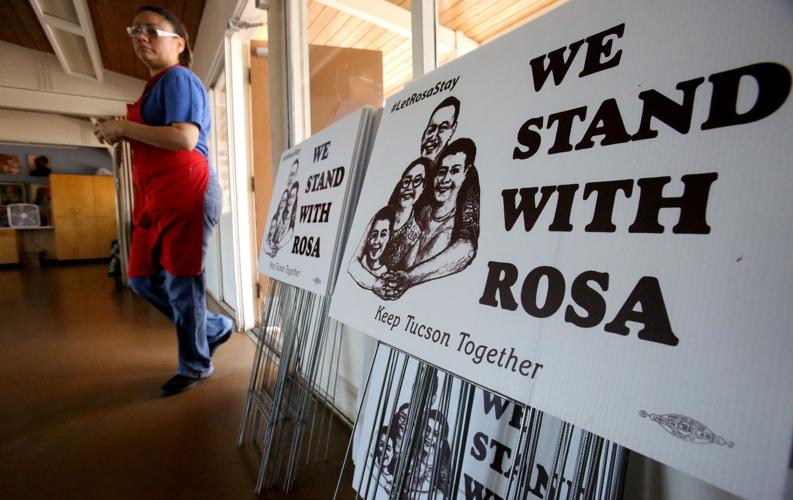
She tells the group about the “We Stand With Rosa” campaign, about the Tucson neighborhoods dotted with yard signs showing support for her cause.
They update one other on their cases. Arturo Hernandez recently left the Denver church that housed him for nearly 10 months — the second-longest stay after Robles Loreto’s. Both he and Robles Loreto got a letter from ICE reiterating that they aren’t a priority for deportation.
“It doesn’t guarantee much,” he says.
His attorney, Laura Lichter, says they didn’t make the decision to leave the church lightly.
“Sanctuary is not for the faint of heart,” she says. “We made the calculated decision that ICE told us in print he didn’t meet the priority, and we were confident that if he didn’t do something that made him a priority, he could rely on this letter.”
But neither Robles Loreto nor her new Tucson immigration attorney, Margo Cowan, are so confident.
“Saying she’s not a priority doesn’t do anything,” Cowan says. “It doesn’t address the final order of deportation that’s in her file.”
So she remains at Southside.
PARENTING VIA SMARTPHONE
Robles Loreto used to keep a tight rein on her boys, not letting them walk to school or help out in the kitchen — not even letting them climb trees.
Now she parents via smartphone.
“How are your eyes doing?” she asks Emiliano, who had pink eye. “Please send me another picture to see you. Did you eat with your aunt? What did you eat?”
“Why are you sleeping so much?” she asks Gerardo, who had been dozing when she called earlier. “What did you eat? How many? That’s too much.”
She has them check in with her as they walk to school, when they arrive, on their way back to the house, before they go to sleep, and sometimes in between.
During baseball games, her husband and other parents send her videos and text messages of the action.
“Tell him I want a home run,” she tells a friend at the game. “How I wish I was there. But even if I’m not physically there, my heart is there and I’m nervous.”
STRONGER EVERY DAY
God is making her stronger, Robles Loreto says.
When the boys went back home after spending their winter break with her, she cried at the sight of her empty room as she mopped and swept. Last week, as they prepared to go back to school, she didn’t cry — not even when her youngest started a countdown of how many days they had left together. Not even when he cuddled with her on their last night, saying it would be his last for a while.
“I know they are alive and healthy and they can come visit,” she says.
Between those precious visits, she tries to keep busy. Each evening at 7 p.m., she joins a few supporters for a vigil. Then she fills two plastic bottles with ice water, picks up her laptop and looks for prayers or religious reflections on YouTube.
As she winds down, she thanks God for the church that offered her shelter, for those who support her, for the migrants and the sick. Then, finally, sleep.
Tomorrow is another day.
Visit Tucson.com to watch a video and for related stories.

