



A recent transparency audit at Pima Community College wasn’t transparent enough for some members of its Governing Board, who are calling for an outside legal review of the school’s public disclosure practices.
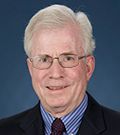
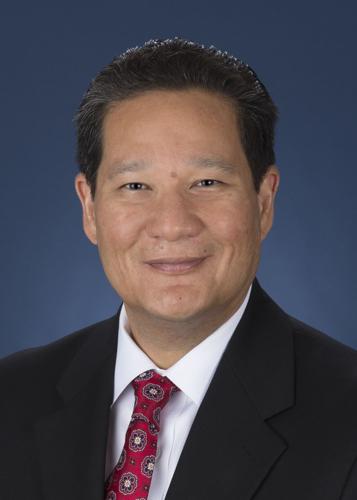
The college’s record of complying with laws and practices that protect the public’s right to know about government activities is “the number one complaint” new board member Demion Clinco said he’s heard since joining the board in December. Board chairman Mark Hanna agreed.
Although PCC’s in-house auditor found nothing amiss, “Why are so many people telling us they’re frustrated with our transparency issues?” Hanna asked at a May 11 study session to discuss the audit.
“Where there’s smoke, there’s fire,” he said.
Chancellor Lee Lambert, who stated his commitment to openness and transparency when he started at PCC in 2013, said he believes he has fulfilled that pledge.
“What the board is talking about now is a different level of transparency,” he said.
Among the concerns:
- Meeting agendas sometimes aren’t specific about the matters the board will discuss — a practice that continues despite two formal findings by the Pima County Attorney’s Office since 2011 that it violates the state’s open-meeting law.
- Until recently, background materials weren’t provided to the board or the public until moments before meetings began, making it impossible to study them in advance. That violates a board bylaw that requires such materials to be provided five days in advance “and in no case less than 24 hours prior to the meeting.”
- Requests for public records must be answered “promptly” under Arizona law, but PCC takes an average of three weeks to process such requests — a wait time legal expert Dan Barr calls “appalling.”
Barr, a Phoenix attorney who specializes in public-access issues and represents the Arizona Daily Star in its dealings with PCC, pointed to a Feb. 22 board study session as an example of a “flagrant violation” of the state’s open-meeting law.
According to college officials, the board that day discussed an accreditation problem at PCC’s aviation center. But there’s no mention of such a discussion in the board agenda, the background materials or the minutes of the Feb. 22 meeting, omissions that left the public in the dark about the aviation center problem.
College spokeswoman Libby Howell said PCC’s administration “believes it satisfied the applicable legal requirements” for the Feb. 22 meeting.
Lori Cox, the in-house auditor who did the recent transparency audit, told the board she found little of concern.
“In general I found the college in compliance,” with relevant laws, she said.
However, her audit was limited . For example, Cox did not review a four-page letter that Barr, the Star’s attorney, sent to PCC in February to complain about the college’s public-disclosure practices.
Under questioning from board members, Cox said she didn’t review the letter because the recipient, PCC attorney Jeff Silvyn, didn’t share it with her. Silvyn didn’t respond to an email from a Star reporter that asked why he didn’t bring it to the auditor’s attention.
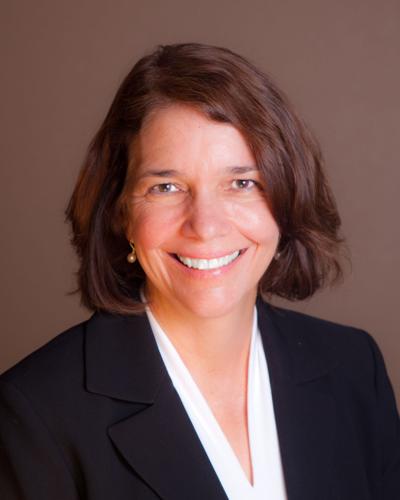
Board member Martha Durkin, who joined the board in August, said as far as she can tell, PCC does the “bare minimum” to meet its legal duty to keep the public informed.
The push for greater transparency has been driven largely by the two new board members who have prior experience in public governance.
Clinco is a former state legislator, and Durkin, an attorney, recently retired as deputy manager for the city of Tucson.
Durkin has insisted that PCC follow the board bylaw that requires background materials to be available at least one day before a board meeting.
Hanna, the board chair, said the board’s June 8 meeting will include a proposal to hire an independent counsel to advise the board on transparency and related issues.
The board “is committed to being transparent and open in our actions and to directing the College, through the Chancellor, to do the same,” Hanna wrote in an email.
“There is no question about this and it is our legal obligation to our community, the taxpayers, and most importantly, our students.”

