




The National Register of Historic Places now includes eight sites associated with the University of Arizona, but only one of them comes with its own horses, cows and sheep.
The Campus Agricultural Center, better known around Tucson as the U of A farm, was officially added to the National Register last month, after a two-year nominating process.
The new listing, announced by the university on Tuesday, includes nine historic buildings and the adjacent farm fields west of North Campbell Avenue at East Roger Road.
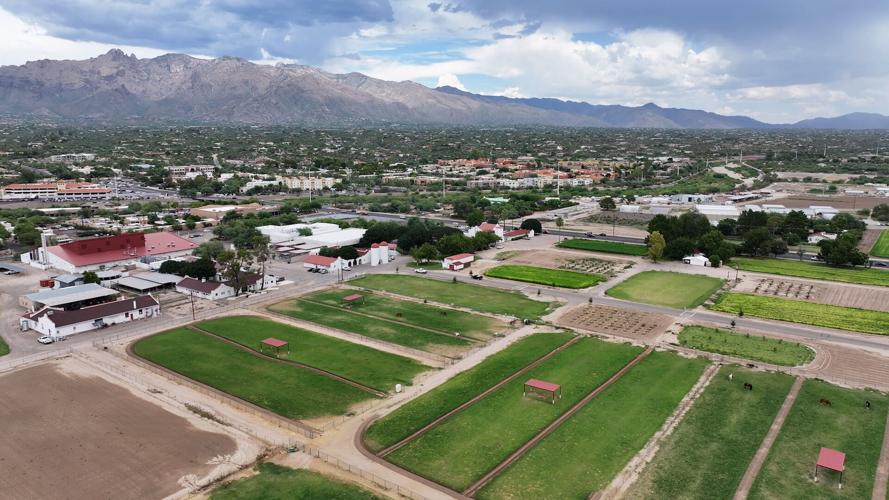
The Arizona Board of Regents purchased 80 acres there in 1909 to serve the UA’s College of Agriculture and help fulfill the university’s land-grant mission to foster education and research.

An undated photo shows the University of Arizona farm on Campbell Avenue in its earlier days.
The Campus Agricultural Center now covers 160 acres and serves as a hands-on research station, where students and faculty study everything from water efficiency to food security, veterinary medicine to biotechnology.
The property houses the Agricultural Research Center, the Controlled Environment Agriculture Center, the College of Veterinary Medicine Equine Center, the Food Product and Safety Laboratory, the Tucson Village Farm, Pima County Cooperative Extension and a variety of greenhouses and animal science teaching facilities.
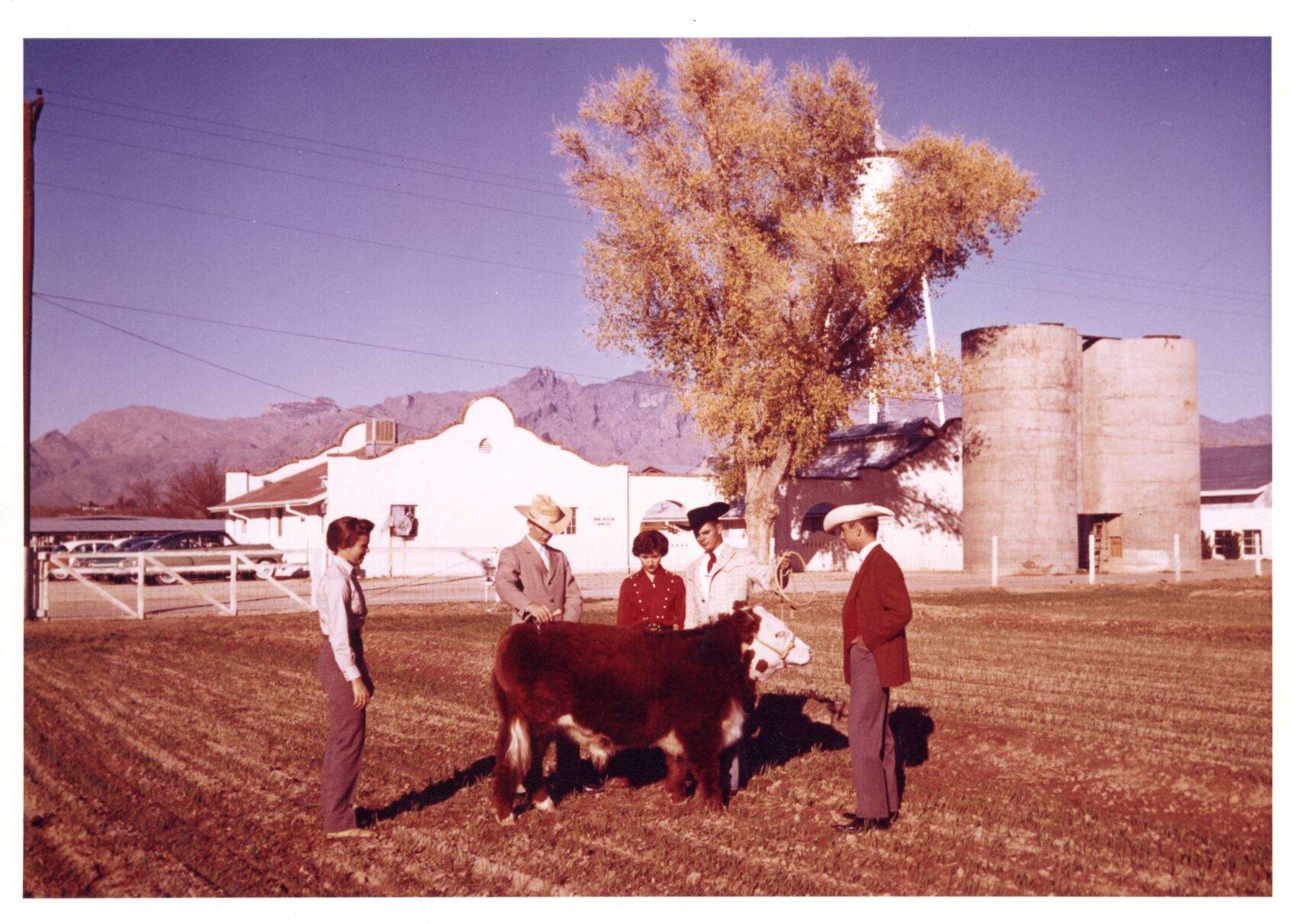
An undated photo, likely taken sometime in the 1950s, shows the University of Arizona farm, now known as the Campus Agricultural Center, at Campbell Avenue and Roger Road.
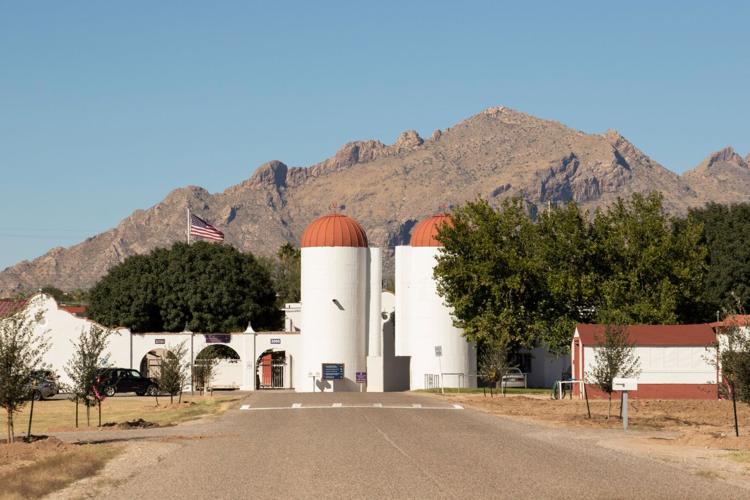
The newly designated historic district only takes in part of the larger center, namely the site’s familiar Mission Revival-style buildings and silos built during the early 20th century and some of the fields surrounding them.
“We have many projects of varying scales each year that involve historic buildings or properties,” said Ed Galda, campus planner and historic preservation coordinator for the university. “National Register designations are not that common.”
The university began working with the Arizona State Historic Preservation Office in September 2021 on a federal nomination for a portion of the center, about 3 miles north of the university’s main campus.
Just a month before that, though, a proposal by the Tucson City Council to designate the campus farm as a historic landmark drew public opposition from university officials, who expressed concerns about possible limitations it could put on future research development at the site.
The idea of city landmark status for the farm was first pushed by community advocates, who were looking for a way to block the UA from one day selling the prized patch of urban greenspace to private developers.
Ultimately, the city decided not to move forward with the landmark designation.
The University of Arizona's Campus Agricultural Center is a living piece of Tucson history
The Campus Agricultural Center historic district joins other prominent university landmarks on the National Register, including Old Main, Bear Down Gym, the Arizona State Museum and the Desert Laboratory on Tumamoc Hill.
The register is administered by the National Park Service, but listed properties are not subject to any special restrictions or requirements, unless they are owned or funded by the federal government.
As it states on the register’s website: “You may do with the property as you wish, within the framework of local laws or ordinances.”
In some cases, a National Register designation can make the property’s owner eligible for tax incentives or grants for historic preservation.

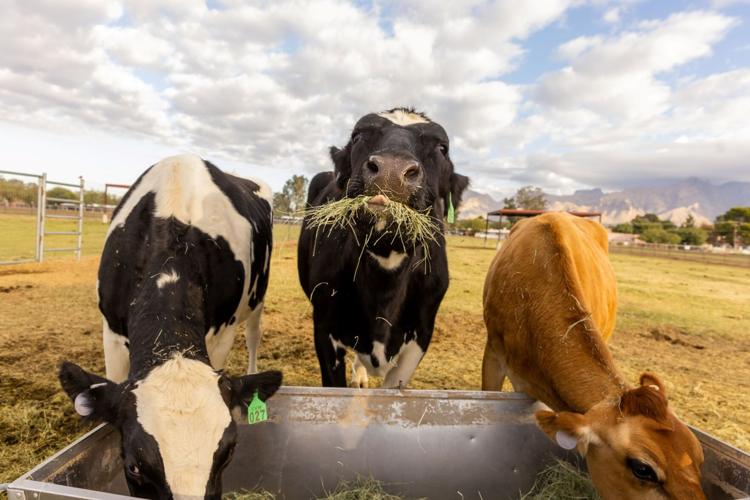
Cows feed at the University of Arizona's Campus Agricultural Center, which hosts herds of horses, sheep and cattle cared for by faculty members and animal care professionals.
As for the future of the 115-year-old campus farm, university officials said its role is only expected to grow in the face of climate change and other environmental stressors.
“The Campus Agricultural Center and the larger Arizona Experiment Station system work to support solutions to water scarcity and crop stress to help communities in the arid Southwest weather unprecedented heat waves and drought,” said Mitch McClaran, director of the experiment station.
“We envision that our future will continue the tradition of engaging the community in our research, teaching and outreach activities.”
Get your morning recap of today's local news and read the full stories here: tucne.ws/morning

