



The machine, with sharp teeth and a long metal rod, sounds like a kitchen blender, but this is far from your average appliance.
“This is a tissue homogenizer,” said Jesse Woodson, an associate professor at the University of Arizona’s School of Plant Sciences.
The “very fancy blender” is part of a project conducted by scientists at the UA to understand how plants talk with each other. The ultimate goal is to engineer plants to help them survive a warmer world.
“We want to be able to establish communication with plants,” Woodson said. “And in order to do that, we need to know how plants are thinking about their environment and be able to sense their environment.”
Woodson and his team of students working in the lab are part of a much larger network of researchers. The National Science Foundation in October gave a $25 million grant to teams at UA, Cornell University and the Boyce Thompson Institute, both in New York, and the University of Illinois Urbana-Champaign to study plant communication in hopes of modifying plants for a future environment that’s likely to be warmer and drier.
Their research is part of the foundation’s new Center for Research on Programmable Plant Systems, or CROPPS. The scientists are working to better predict and manipulate agriculture at the molecular level to improve productivity and sustainability, according to the National Science Foundation. The transdisciplinary effort brings together scientists, engineers and computer scientists to create electronic systems that can monitor and control the responses of plants.
UA received $3.5 million to study plant genes and how they react biologically to their environment. The team will use data analytics, but as the project starts up, they want to understand the language of plants first.
Although their communication is not audible, plants send internal signals all the time.
“They might be sending those signals internally within the body of the plant to help the shoots understand what’s going on in the roots,” said Rebecca Mosher, the lead investigator on the CROPPS project for UA. “They might be sending those signals to microbes in the soil to try to recruit those microbes. And so we want to understand those signals so that we can maybe tap into them and communicate with the plants ourselves.”
These internal signals are similar to the signals our brains send us when we are stressed or in need of nutrition. However, Woodson said, plants lack one response that humans have. Plants can’t move.
“If we want to get away from something, we can run away. But a plant has to stay there and they have to deal with whatever happens,” he said. “So if it’s a hot day, it’s a dry day, there’s too much sun, if there’s not enough sun, the plant needs to do something about that in order to grow.”
When the plant is forced to grow in one spot, it creates a “survival guide” that it passes down to the next plant, which then learns how to conserve resources and adapt to its environment.
“You can’t always go by the looks or how big its brain is, but how much it can alter itself in order to fix the environment and with it in which it has to live,” Woodson said. “It’s going to have to deal with that at a very genetic level. So they need lots of genes and a lot of information stored in those cells to be able to grow and do well.”
Experimenting to understand
Before the plants —which include rice and soybeans —enter the lab, they grow in greenhouses on the roof of a parking garage south of the Tucson campus. In those greenhouses, the plants’ environment is altered.
“We might give it very high light or lots of heat, a whole variety of abiotic stresses,” Mosher said. “We can also infect it with pathogens, so a biotic stress. And then we’ll collect that tissue and take it into the laboratory.”
Inside the lab, the team extracts cells using different methods — from spinning plants in a centrifuge to jostling them in vials filled with beads. Then researchers look at cells under the microscope.
The tissue homogenizer — a rod with sharp teeth at the end — is one of the most important devices researchers use because it cuts through the tough plant tissue to get to a plant’s cells. Inside those cells are chloroplasts, which are responsible for sensing light in its environment and performing photosynthesis.
“A lot of what we’re trying to look at is how components within cells, how cells do photosynthesis and respond to the environment,” Woodson said. “This homogenizer is basically a very fancy blender that breaks open the cells so we can pull out those chloroplasts to do experiments in the lab.”
Cristian Salazar De Leon, one of the graduate students on Woodson’s team, said the chloroplasts can reveal a lot about how plants react in high heat situations.
“Most of us look into a pathway where chloroplasts do the photosynthesis in plant cells (and look at) how they’re recycled, how they’re damaged and how the plant deals with those damaged cells,” Salazar De Leon said.
From there, the scientists can find which genes are responsible for helping the plant grow in harsh environments, then crosspollinate plants to respond similarly. Salazar De Leon is working to prove that removing a particular gene that encodes for a specific enzyme can kill a plant. He hopes to find those patterns in other plants as well.
“This is just like one piece of an entire biochemical pathway that allows plants to be able to respond to UV light stress,” he said.
Climate perfect for testing
Although the NSF-funded universities each have their own lab for testing, Arizona’s climate offers a unique environment for experimentation.
“Our environment is incredibly hot, incredibly arid, the world is going to be turning more and more like Arizona as the planet heats up,” Woodson said.
Last year was the sixth warmest on record, according to the National Oceanic and Atmospheric Association. And 2020 was even hotter — it was the second-warmest year on record. Temperatures in December 2021 made it the fifth-warmest December in 142 years.
As temperatures increase because of human activity that contributes to global warming, these experiments with plants could help scientists better support plants and crops in the future that are more resilient to temperature changes.
“If we can understand how plants grow with limited water in really hot environments, perhaps we can create new breeds and varieties that would be able to grow better,” Woodson said.
The UA project is expected to last five years. More research, the scientists say, could unlock more about plants and how they are adapting to climate change.
63 historical photos of the University of Arizona
University of Arizona in history
Updated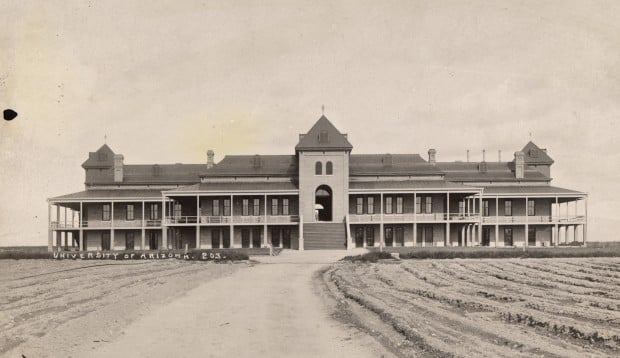
Old Main, the original building on the campus of the University of Arizona.
University of Arizona in history
Updated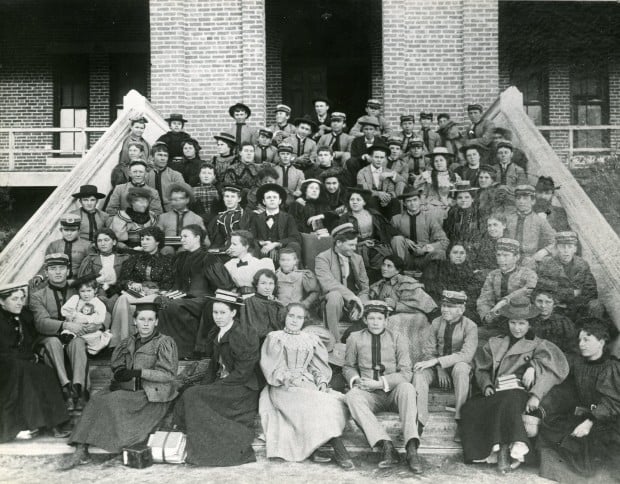
University of Arizona students on the steps of Old Main. 1896. HP-168
University of Arizona in history
Updated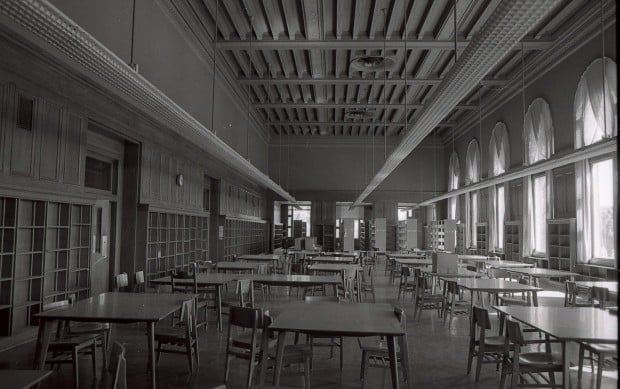
Hushed conversations and the rustling of papers were replaced by silence in the main reading room of the old University of Arizona Library at 1013 E. University Blvd. On Feb. 25, 1977, the building stood empty as its collections had been moved down the street to the new UA library. Construction on the original building was begun in 1924, and cost $475,000. Three subsequent additions to the building brought the square footage up to 97,000, but its library days were over. The Arizona State Museum moved into the space.
University of Arizona in history
Updated
UA students, circa 1891 to 1900.
University of Arizona in history
Updated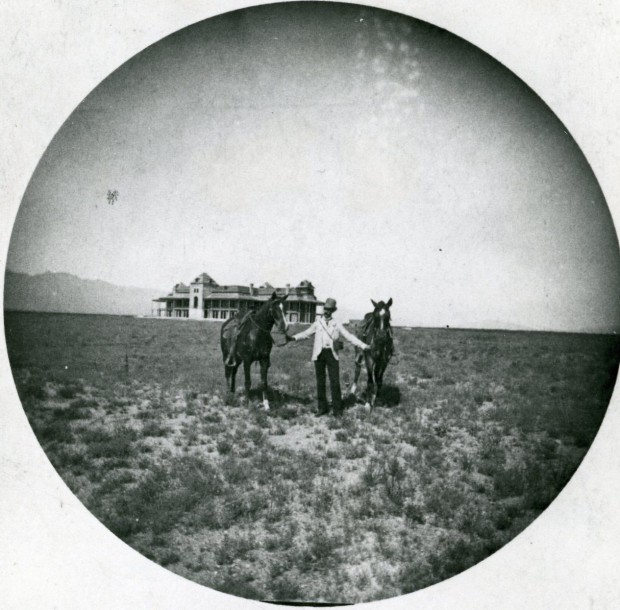
University of Arizona Old Main 1891. University of Arizona Library Special Collections. HP-165
University of Arizona in history
Updated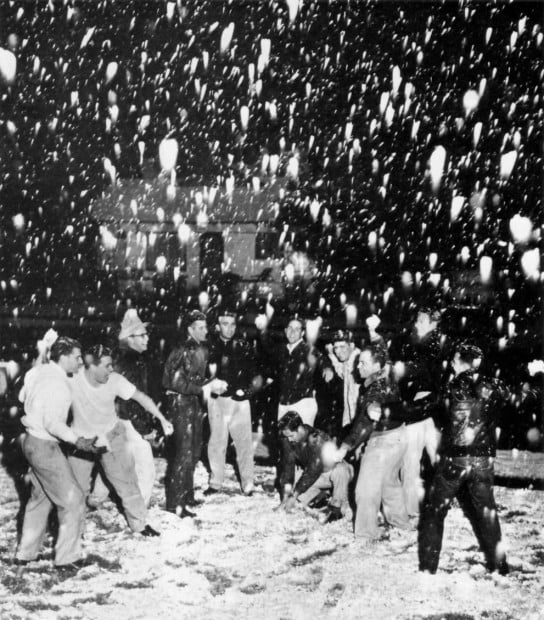
University of Arizona students spilled out of their fraternities and dormitories for an impromptu snowball fight during the first snowfall in five years, in February 1956. From the book "Jack Sheaffer's Tucson 1945-1965."
University of Arizona in history
Updated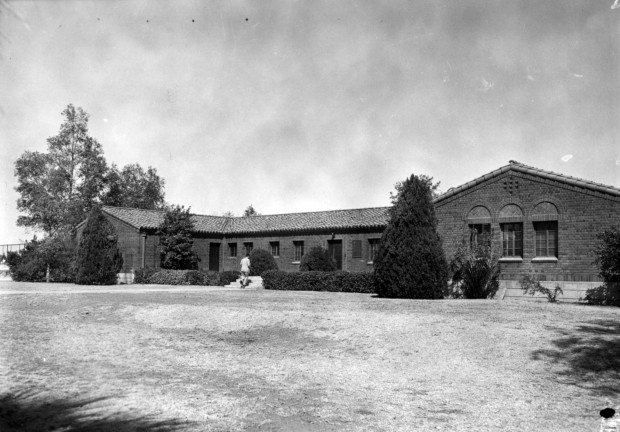
The University of Arizona's second official infirmary was a low-slung red-brick building constructed in 1936 on the site of a former military barracks.
University of Arizona in history
Updated
Soldiers training for World War I were among the first to use the University of Arizona's first official infirmary.
Courtesy of University of Arizona Special Collections
Robert F. Kennedy visit to Tucson
Updated
Robert F. Kennedy at the University of Arizona during his campaign tour. March 29, 1968.
University of Arizona in history
Updated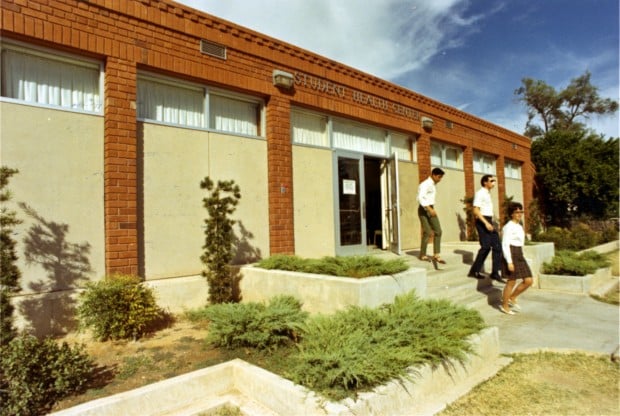
Students in 1968 exit the UA's infirmary, which underwent a "face lift" the year before that included a new emergency room and accommodations for 50 beds. The building now houses the Sonett Space Sciences Building.
University of Arizona in history
Updated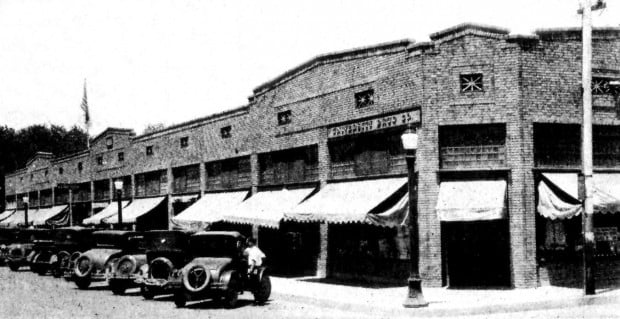
A 1927 view of the square outside the University of Arizona Main Gate. The drug store stands on the corner of University and Park Avenue.
University of Arizona in history
Updated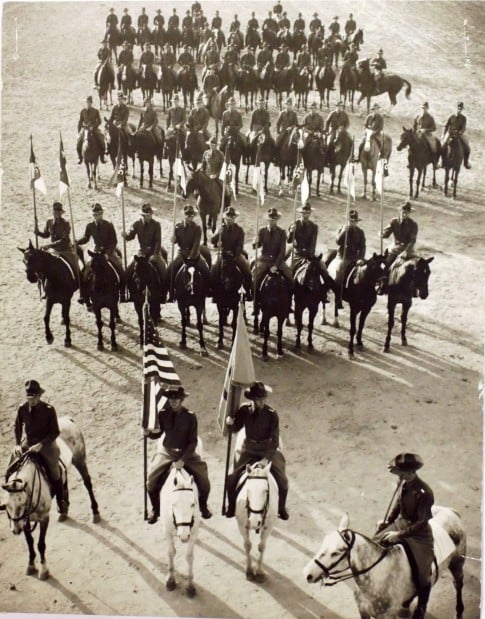
The University of Arizona cavalry.
University of Arizona in history
Updated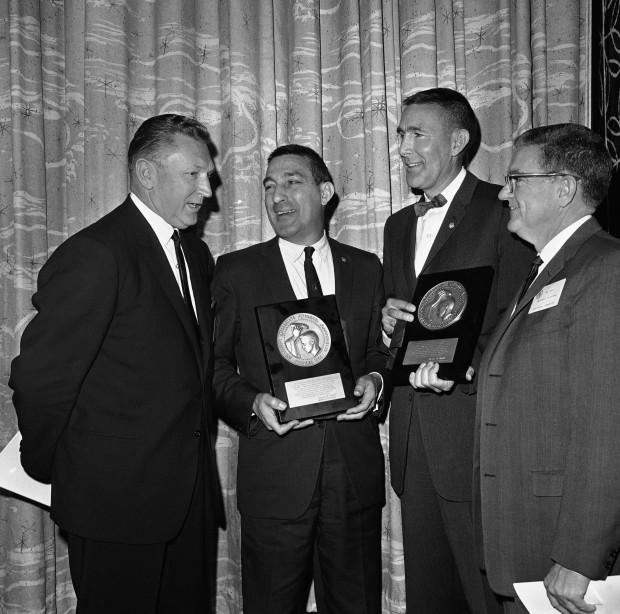
Members of the athletic staff at the University of Arizona pose on Jan. 11, 1966 at the Washington meeting of the National Collegiate Athletic Association with Secretary of the Interior Stewart Udall and his brother, Rep. Morris Udall, D-Ariz. From left are: Dick Clausen, the University's athletic director; Secretary Udall; Rep. Udall; and Thomas Hall, faculty athletic representative at the Arizona University. The Udall brothers are from Tucson and graduates of the University of Arizona.
UA athletic directors
Updated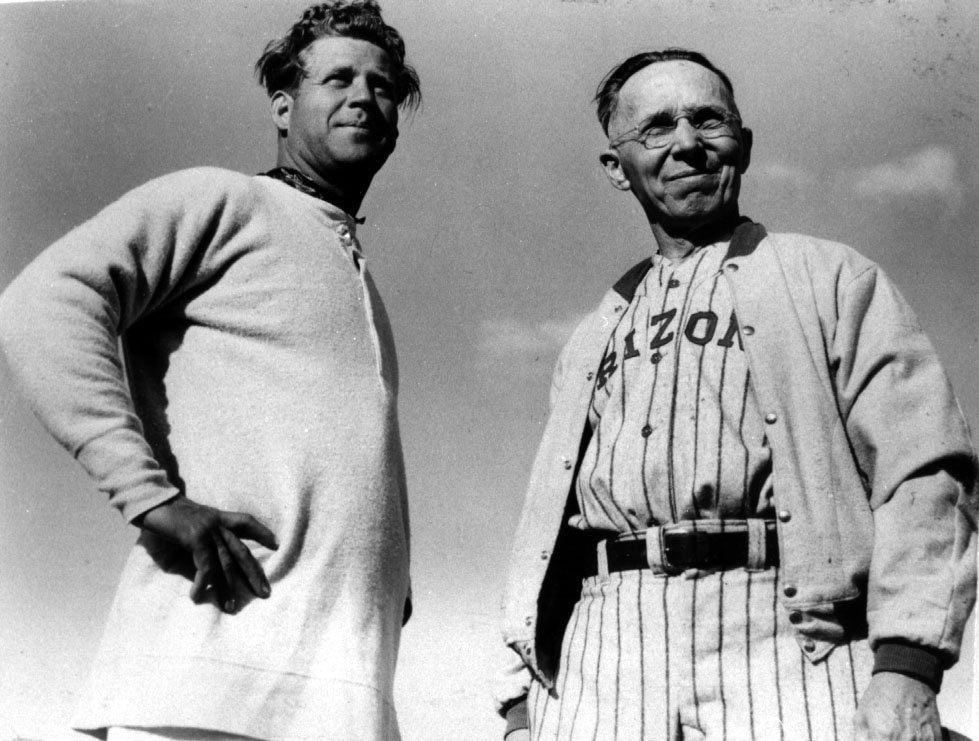
1914-57 – Hank Leiber with James Fred "Pop" McKale in the 1930s, the University of Arizona's most-famous coach and first official athletic director. During that time he was twice the baseball coach, and served stints as basketball and football coach. He is a charter member of the Arizona Sports Hall of Fame.
University of Arizona in history
Updated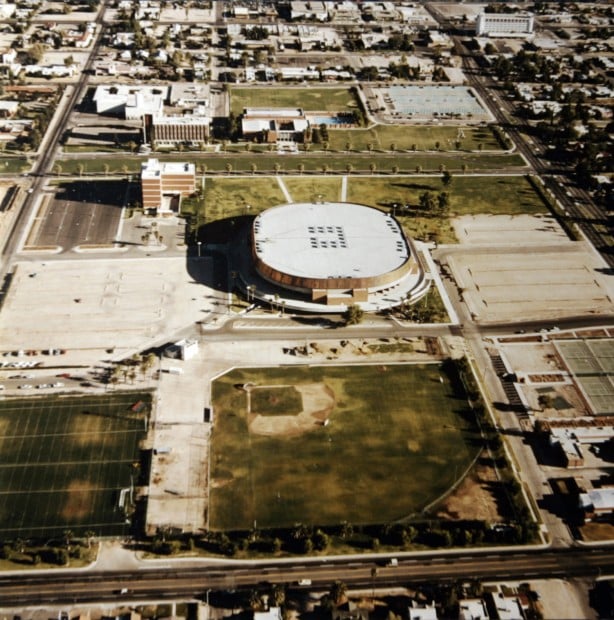
McKale Center from the air in 1976.
University of Arizona in history
Updated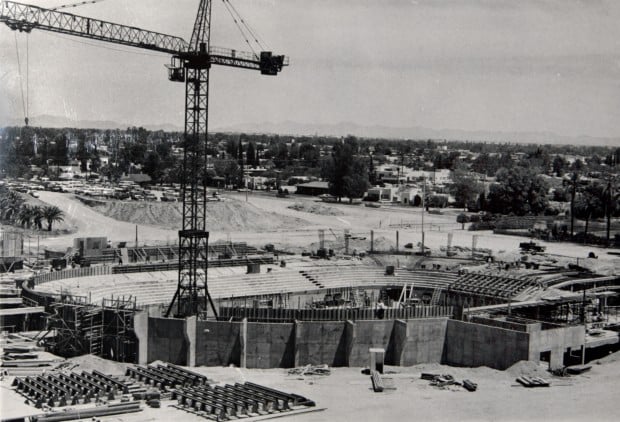
McKale Center under construction on June 9, 1971.
University of Arizona in history
Updated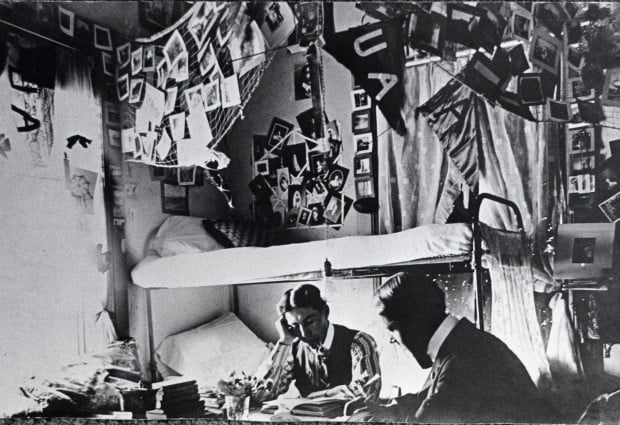
South Hall, University of Arizona, 1901.
University of Arizona in history
Updated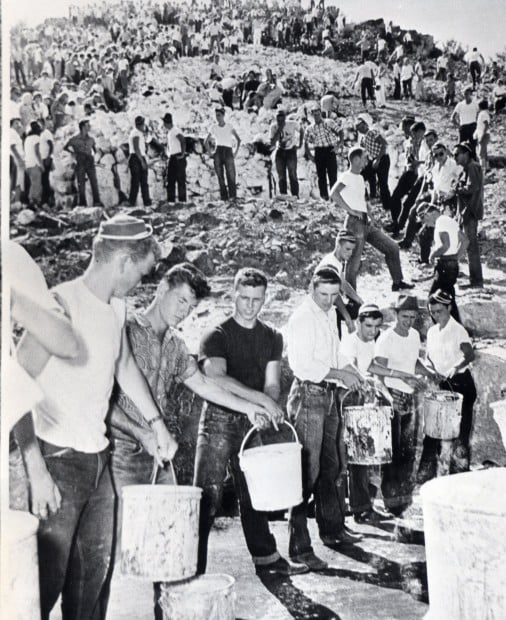
Students prepare to whitewash the "A" on Sentinel Peak, also known as "A" Mountain, Sept. 19, 1954.
University of Arizona in history
Updated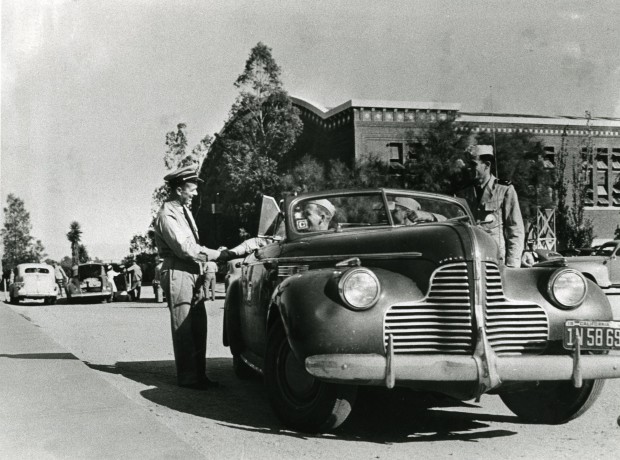
U.S. Navy occupied Bear Down Gym during WWII. University of Arizona Library Special Collections. HP-173
University of Arizona in history
Updated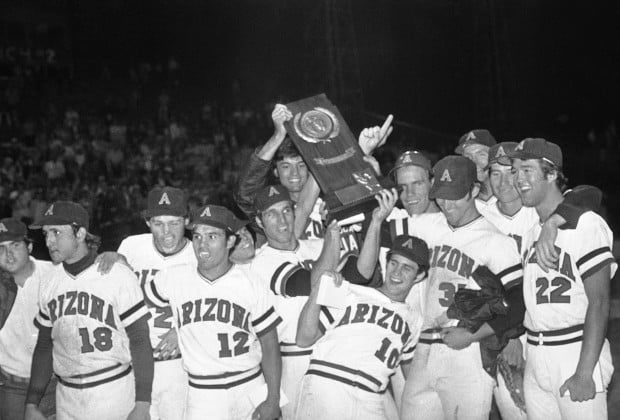
Jubilant University of Arizona players hold their NCAA College Baseball World Series trophy over their heads in victory at Omaha, Nebraska, Saturday, June 19, 1976. Arizona defeated Eastern Michigan, 7-1, to take the 30th National NCAA crown. (AP Photo/Larry Stoddard)
University of Arizona in history
Updated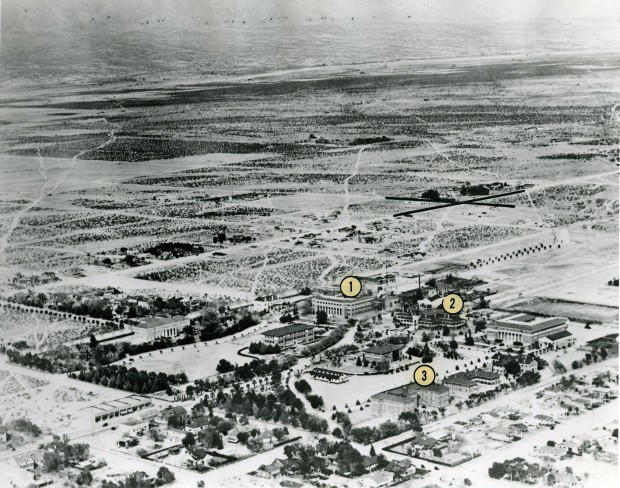
The empty desert stretches out beyond the 40-acre University of Arizona campus in 1922. The buildings identified are (1) Engineering College, built in 1919; (2) Old Main, built in 1891; and (3) Cochise Hall, a dormitory built in 1922. Today the campus has expanded to 180 acres from Park Avenue area to Campbell Avenue. Speedway cuts diagonally across the pictures. The intersection of Speedway and Campbell is marked.
University of Arizona Homecoming
Updated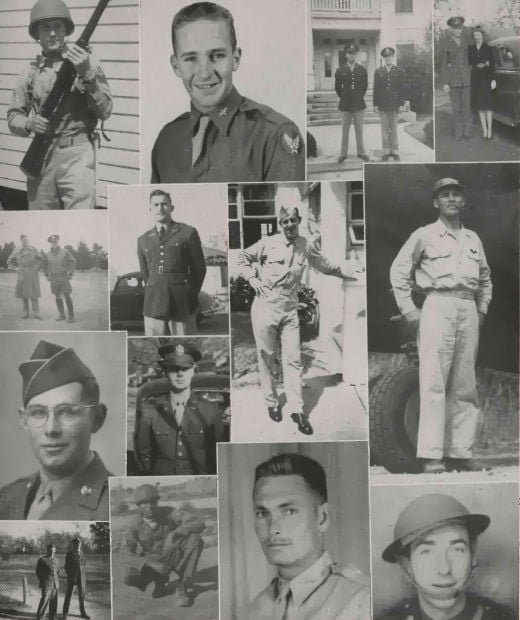
1943: Football was suspended in 1943 and 1944 due to World War II. The Desert yearbook published pages of snapshots of former Wildcats now serving in the military. The campus became home to U.S. Navy cadet pilots, who lived in Yavapai Hall, had classroom instruction campus and flight instruction Gilpin Airfield at Kino and I-10, which is now home to Costco and Walmart.
University of Arizona in history
Updated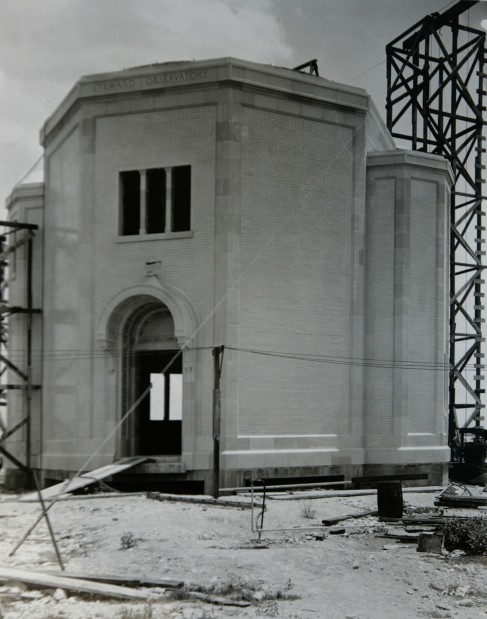
The Steward Observatory, July 1920. Courtesy University of Arizona library special collections department.
University of Arizona in history
Updated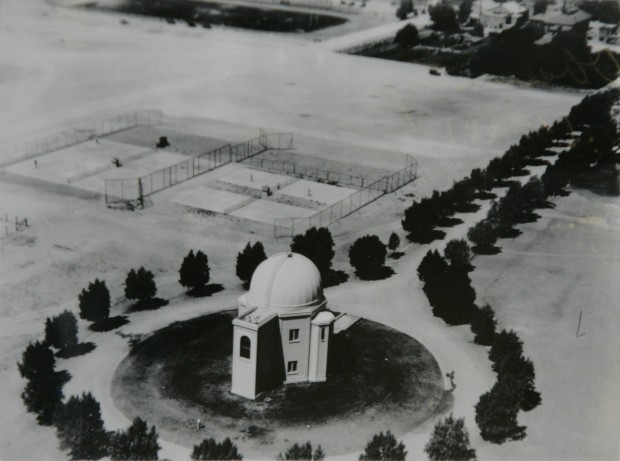
The Steward Observatory circa 1928.
Photo courtesy of University of Arizona Special Collections
UA Rush Week in 1968
Updated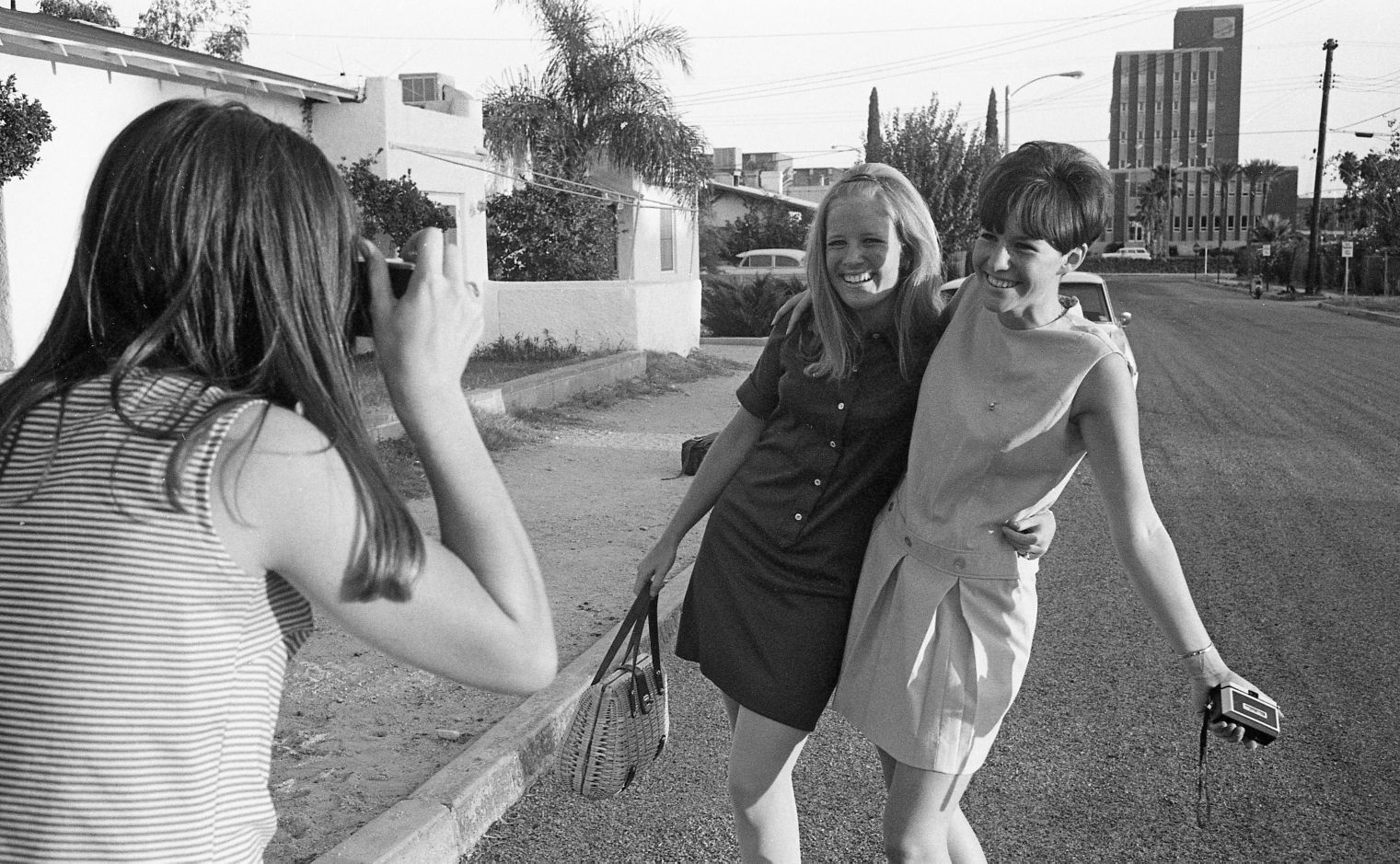
Sorority sisters pose for a picture during Rush Week at University of Arizona in Sept. 1968.
University of Arizona in history
Updated
The Old University of Arizona Library.
University of Arizona in history
Updated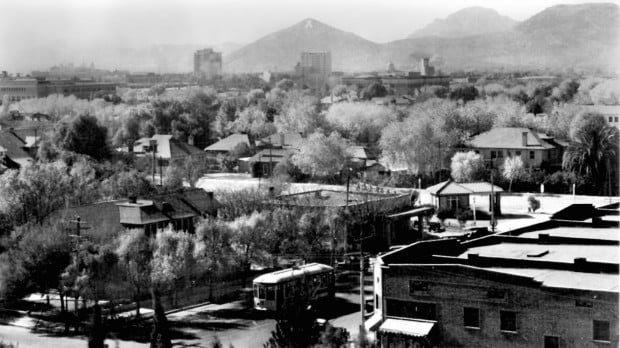
A 1929 view of the square outside the University of Arizona Main Gate looking towards downtown Tucson. The photo was taken from the library's upper floor.
University of Arizona in history
Updated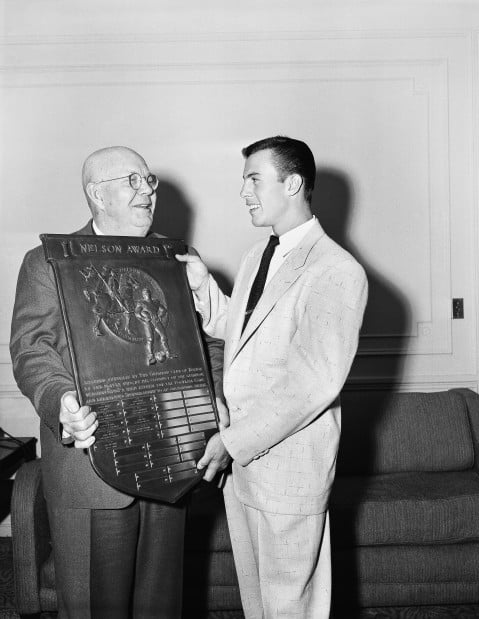
Nils V. "Swede" Nelson, left, shows Art Luppino the "good sportsmanship" award he will receive at dinner given by the Gridiron Club of Boston on Jan. 8, 1955. Luppino, University of Arizona tailback and one of the highest college scorers the nation has ever produced, was voted the award by sportswriters across the nation. It was the ninth award presented by Nelson, onetime Harvard football great. (AP Photo/Peter J. Carroll)
University of Arizona in history
Updated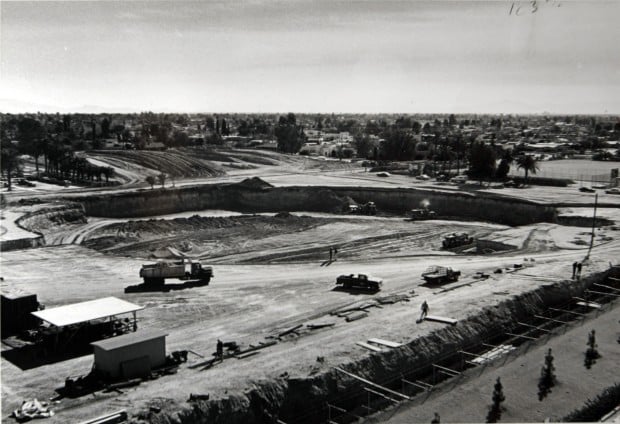
The beginning of construction of McKale Center dated January 1971, courtesy of the University of Arizona Special Collections.
University of Arizona in history
Updated
Dr. Jack C. Copeland holds a Jarvik-7 artificial heart in the operating room of the University of Arizona Medical Center in Tucson, Ariz., on June 26, 1989. (AP Photo/Steve Mecker)
University of Arizona in history
Updated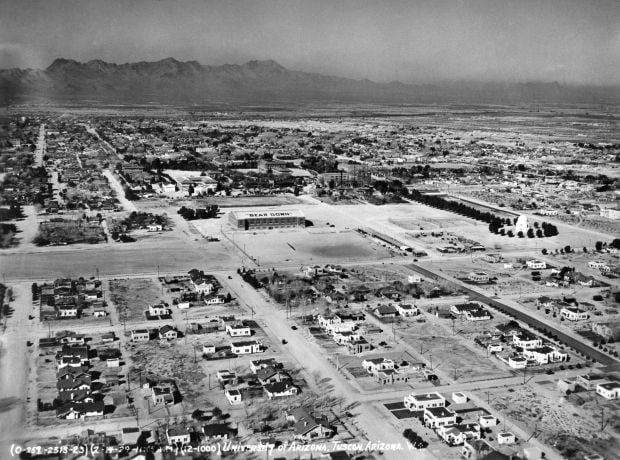
ARCHIVE PHOTO - Aerial view University of Arizona, Bear Down building. February 14, 1929 at 11:05 am.
University of Arizona in history
Updated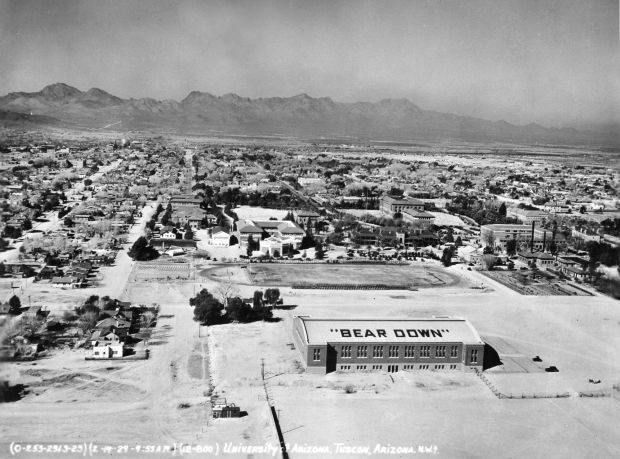
ARCHIVE PHOTO - Aerial view University of Arizona, Bear Down building and field. Taken at 9:55 am. February 14, 1929.
1997 NCAA Championship: Arizona vs. Kentucky
Updated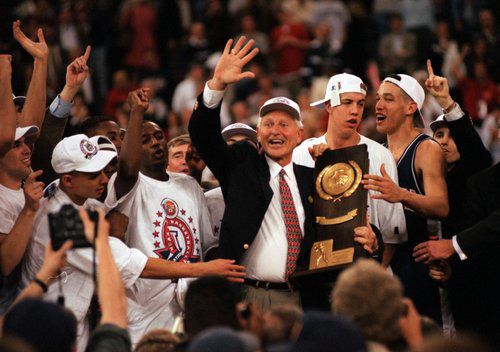
UA coach Lute Olson hold the Division I NCAA Championship trophy with his team from left; Jason Lee, Miles Simon, Jason Terry, Lute, Justin Wessel, and Bennett Davison after they defeated Kentucky in the Final Four in Indianapolis.
Lute Olson
Updated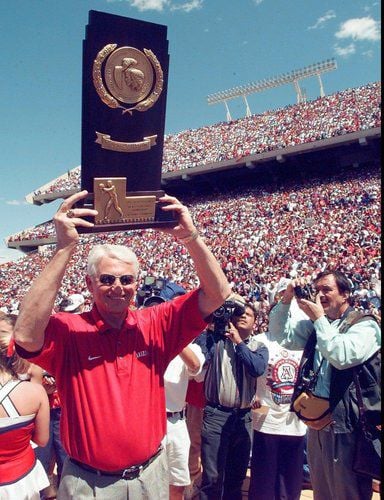
Arizona men's basketball coach Lute Olson holds up the NCAA trophy in front of 30,000 fans inside Arizona stadium at the University of Arizona in Tucson, Ariz., Tuesday, April 1, 1997.
University of Arizona in history
Updated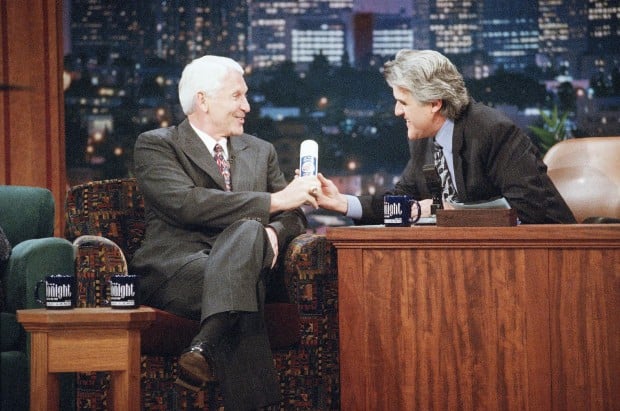
Comedian Jay Leno, right, gives University of Arizona head coach Lute Olson a can of "Lute Spray" for his snow-white hair during a taping of the "Tonight Show With Jay Leno," Wednesday, April 2, 1997, at NBC studios in Burbank, California. Olson and his team won the National Championship at the NCAA on Monday against Kentucky.
University of Arizona homecoming
Updated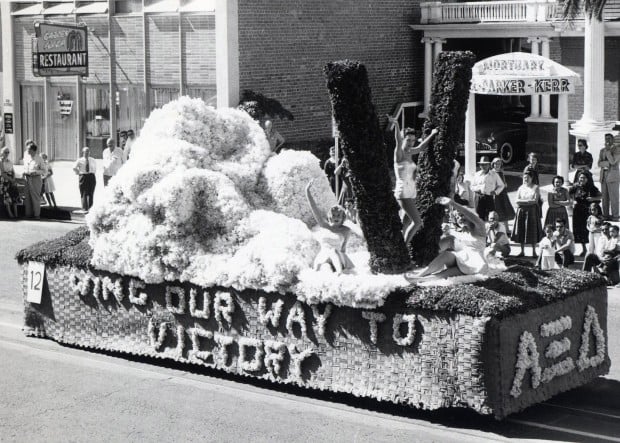
University of Arizona Homecoming
Updated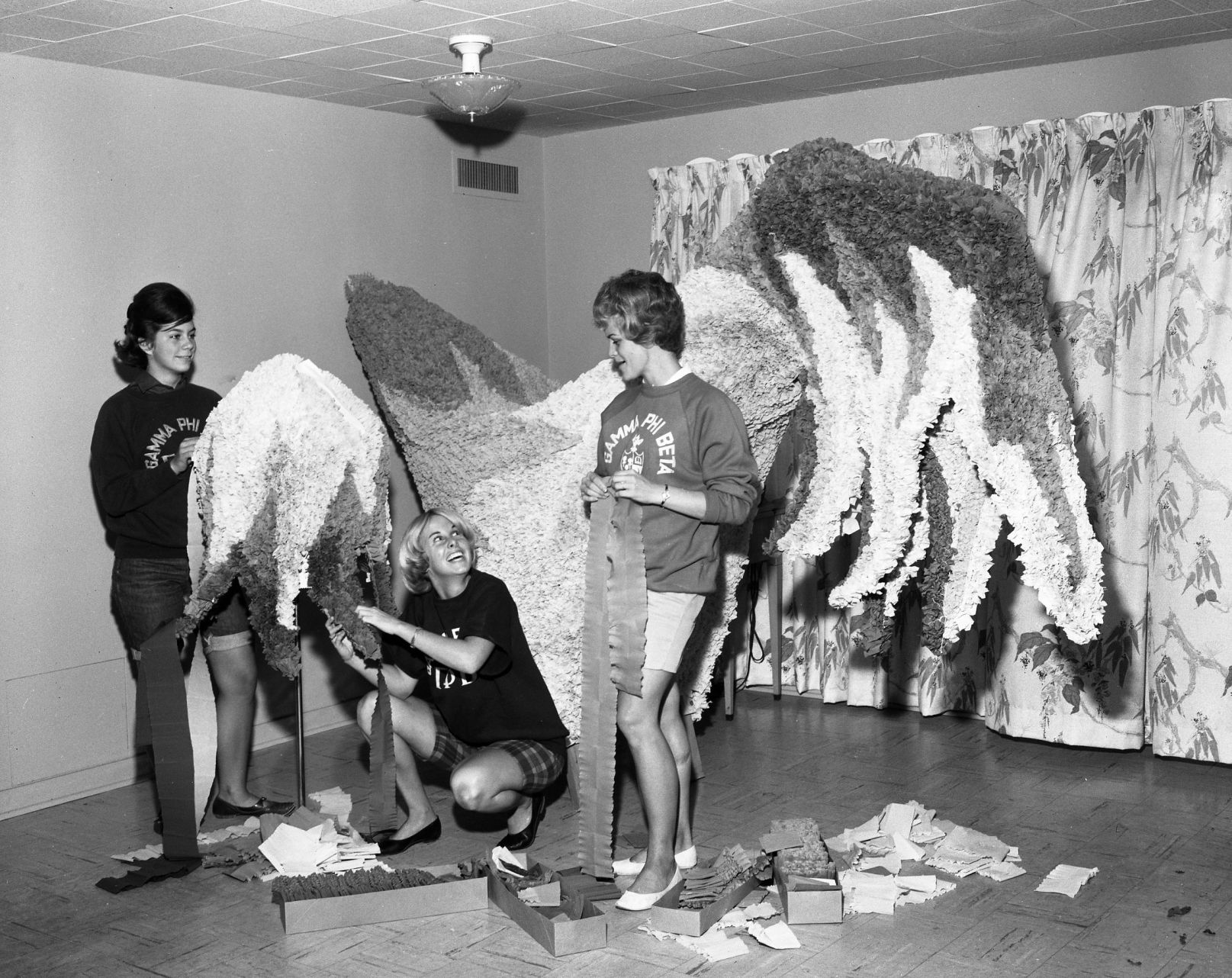
Nothing like a little deadline pressure in 1963: Gamma Phi Beta sorority members Carole Martin, left, Jackie Ellis and Sharon Boles prepare parts of their Homecoming float for the next day's parade.
Stewart Udall
Updated
Stewart Udall, secretary of the interior under Pres. Lyndon Johnson, speaks to students at the University of Arizona in October, 1968. Udall was a UA graduate. He was stumping for Sen. Hubert Humprhey, the Democratic nominee running for president against Republic Richard Nixon. Udall was one of history's best interior secretaries, working under presidents Kennedy and Johnson, from 1961-69. His brother Morris "Mo" Udall was the beloved U.S. congressman from Southern Arizona. He son Tom is a U.S. senator from New Mexico.
Arizona State College
Updated
Kappa Sigma fraternity members won first place in the 1958 University of Arizona Homecoming Parade “Proposition 200” category with a funeral procession in protest of the controversial ballot initiative to change the name of Arizona State College in Tempe to Arizona State University.
Julian Bond at University of Arizona
Updated
Civil rights leader Julian Bond ponders a questions while talking in the student union at the University of Arizona on Nov. 21, 1968. "The war in Vietnam takes black young men, in ever larger numbers, so crippled in life that they think it better than living in Harlem. With their white comrades, they burn down houses in a war 8,000 miles from home, but cannot live with whites at home."
Kennedy-Johnson presidential campaign in 1960
Updated
Lyndon B. Johnson, at the University of Arizona, shepherded social issues through Congress as president, but the GOP took over after he left office.
Sonora Hall at University of Arizona
Updated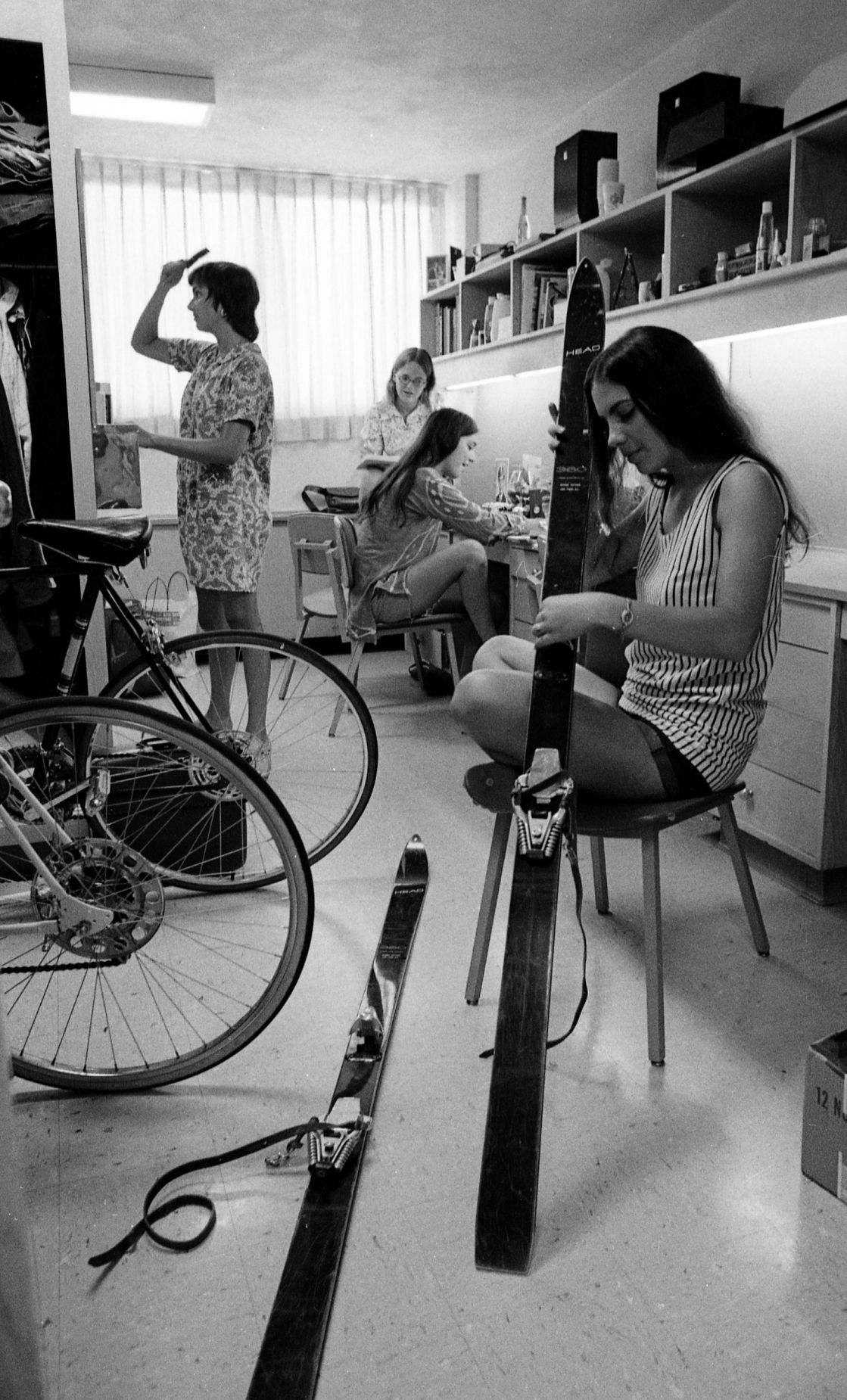
Anne Waaser of Syracuse, NY. checks here snow skis, hoping for a good winter on Mt. Lemmon. Coeds Bonnie Rahod from Oak Park, Ill., Mary Ellen Frost of Munster, Ind., Anne Waaser of Syracuse, NY., and Ann Page of Las Vegas, NV., shared a dorm room at Sonora Hall at the University of Arizona in 1973.
University of Arizona Homecoming
Updated
"Flush Marquette" float in the 1957 UA Homecoming parade in downtown Tucson.
A-7D Corsair II jet fighter crash
Updated
Davis Monthan Air Force Base firefighters spray the area around the engine of an A-7D Corsair II jet fighter after it crashed near the University of Arizona on October 26, 1978 as it was approaching D-M. It crashed on to North Highland Avenue near East Sixth Street missing Mansfeld Junior High School, background, and the UA. A car carrying two sisters was engulfed in flames killing both women. The pilot safely ejected.
College World Series
Updated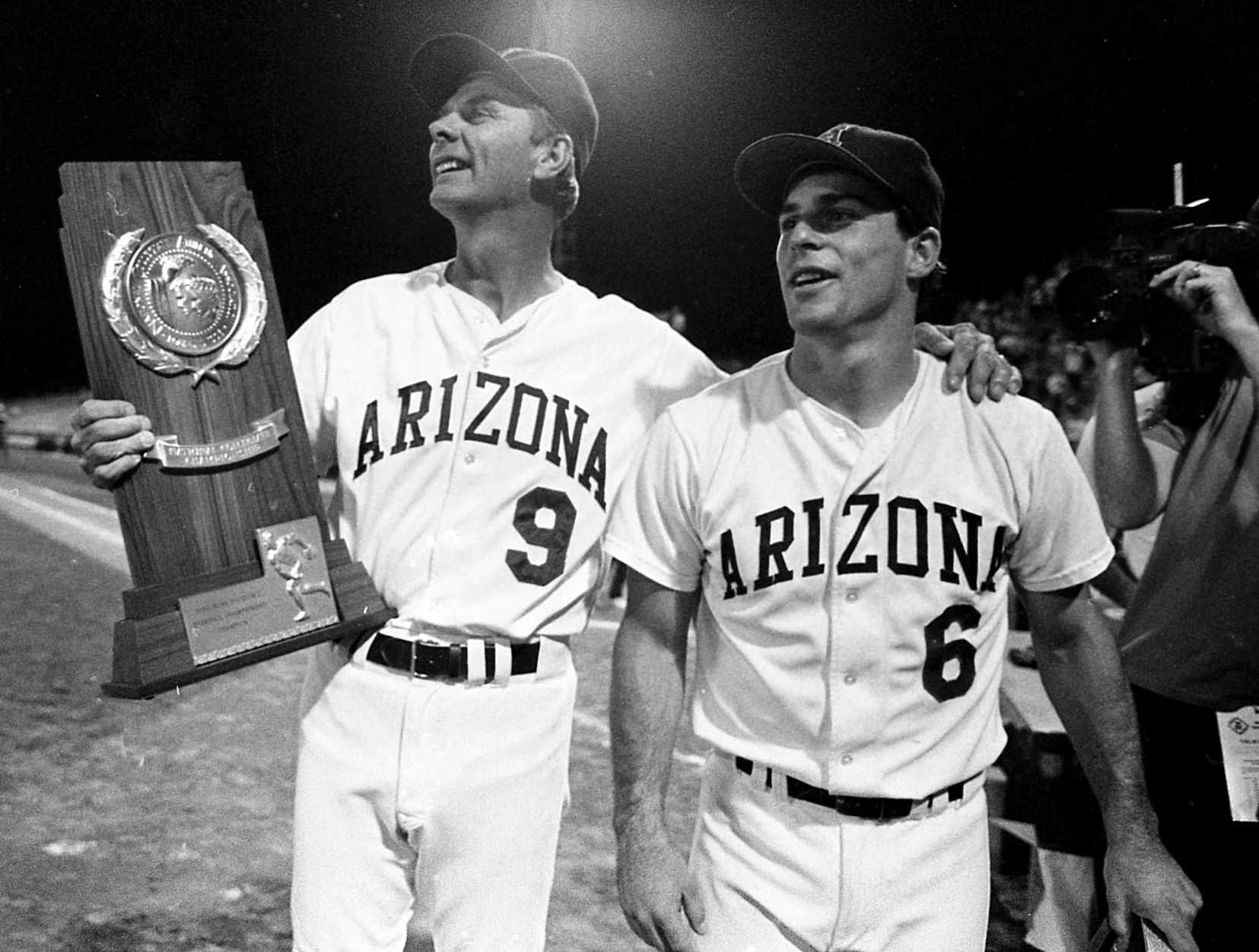
Arizona baseball coach Jerry Kindall, left, celebrates with Chip Hale after Arizona beat Florida State 10-2 on June 9, 1986 to win the NCAA College World Series in Omaha.
Arizona Wildcats win College World Series
Updated
Arizona players dog pile on each other following their 4-1 victory over South Carolina in Game 2 to win the NCAA College World Series championship in Omaha, Neb., Monday, June 25, 2012.
Steve Kerr
Updated
University of Arizona basketball coach Lute Olson with starting guard Steve Kerr in during a campus celebration of the team's 1988 NCAA Final Four appearance.
Savannah Guthrie
Updated
Savannah Guthrie in 1992 as a University of Arizona journalism student. The photo was taken for a guest column in the Tucson Citizen.
Snowball fight
Updated
A snowball fight on the University of Arizona Mall on March 3, 1976.
Anderson Chevron gas station
Updated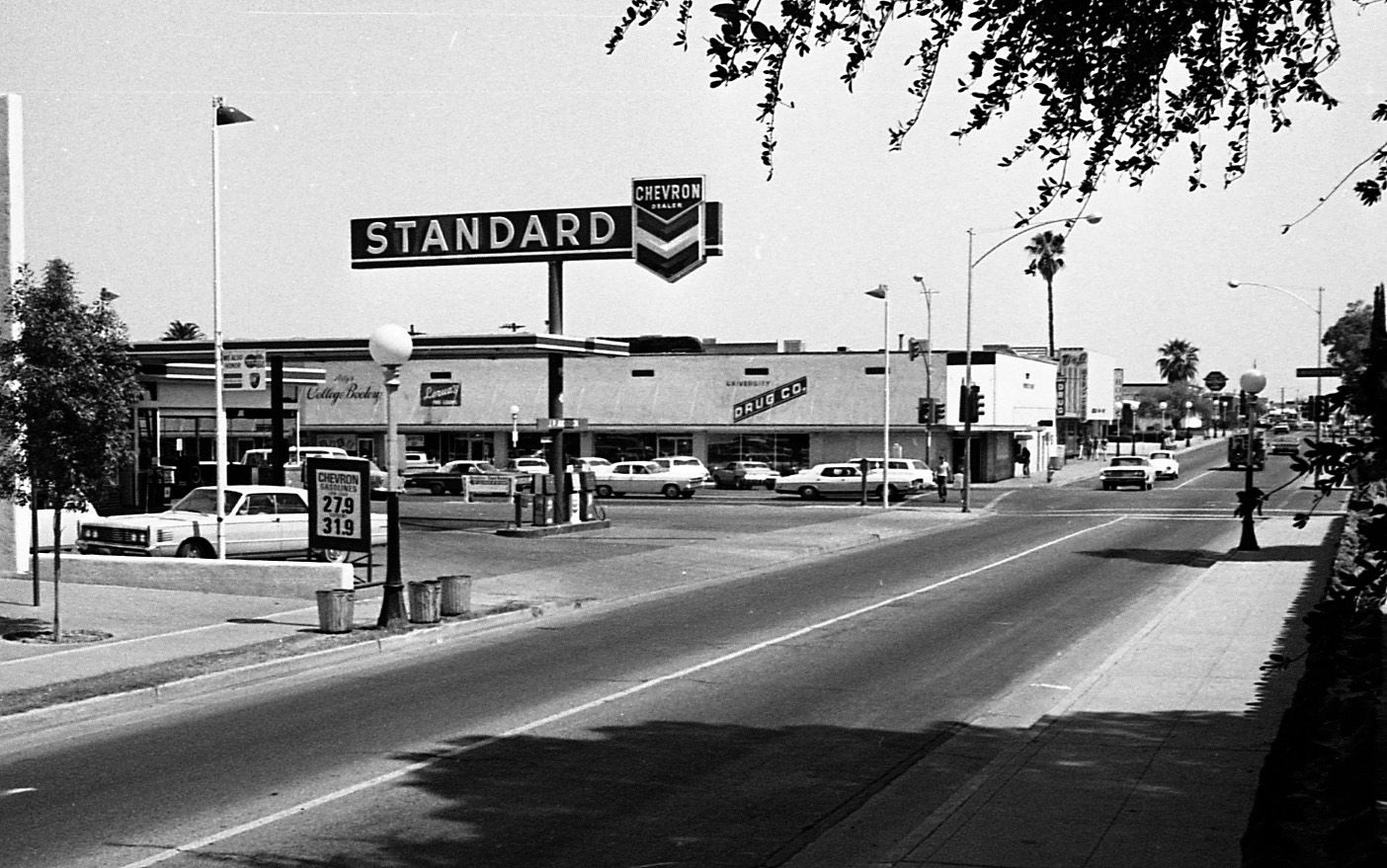
Anderson Chevron gas station at 745 N. Park Ave. was located near the University of Arizona main gate at Third Street on June 25, 1971.
Graduation
Updated
University of Arizona students listen to a commencement speaker during ceremonies at Arizona Stadium on June 1, 1966.
UA Stadium
Updated
Arizona Stadium starts to take shape as 10,000 new seats are added to the west side along Vine Street as part of the University of Arizona's $1.4 million addition to structure on April 16, 1965. The completion date for the addition to the stadium was extended a month to October 2, 1965. The Wildcats were scheduled to play New Mexico after opening the season with three away games against Utah, Kansas and Wyoming.
1965 in Tucson
Updated
Nearly 1,000 University of Arizona students rioted on May 6, 1965, after male students demanded "panties" at women's dorms. Rocks and bottles were thrown. Sixteen students were arrested.
University of Arizona pitcher Taryne Mowatt
Updated
Pitcher Taryne Mowatt is lifted by teamates after Arizona beat Tennessee during game 3 of their championship series at the 2007 College World Series at ASA Hall of Fame Stadium in Oklahoma City.
Donald Trump in Tucson
Updated
Donald Trump with girlfriend Marla Maples at a University of Arizona basketball game at McKale Center in Tucson on Dec. 27, 1990.
UA computing
Updated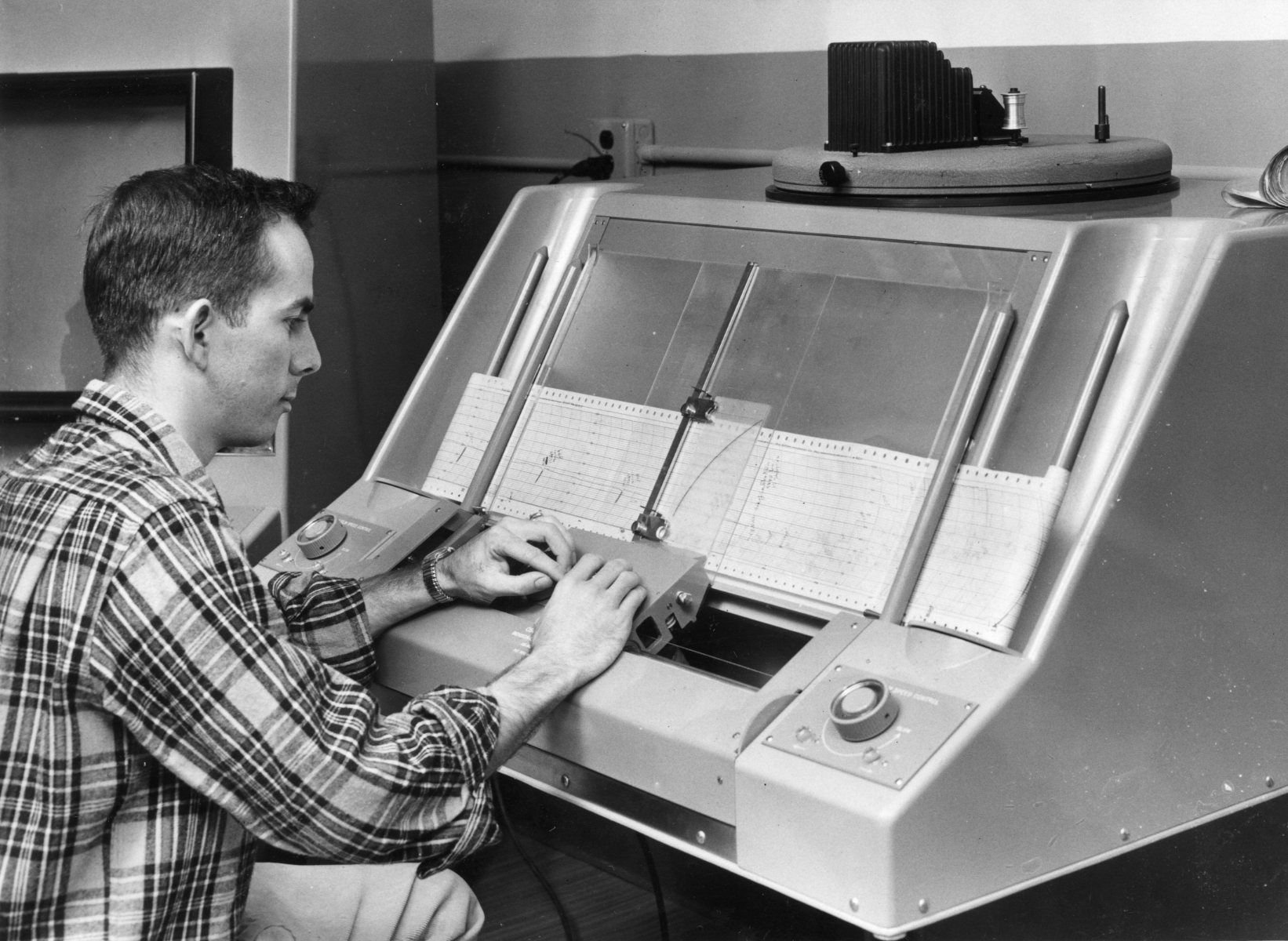
Bruce Crow, an engineering student from Yuma, breaks down a graph on a analog machine at the University of Arizona on March 7, 1957. Crow can turn the coordinates of the graph into numbers which can be put on a punch card and analyzed.
University of Arizona campus, 1959
Updated
University of Arizona students walk around campus mixing occasionally with traffic in front of the Social Sciences building in 1959. Tucson Citizen file.
UA commencement
Updated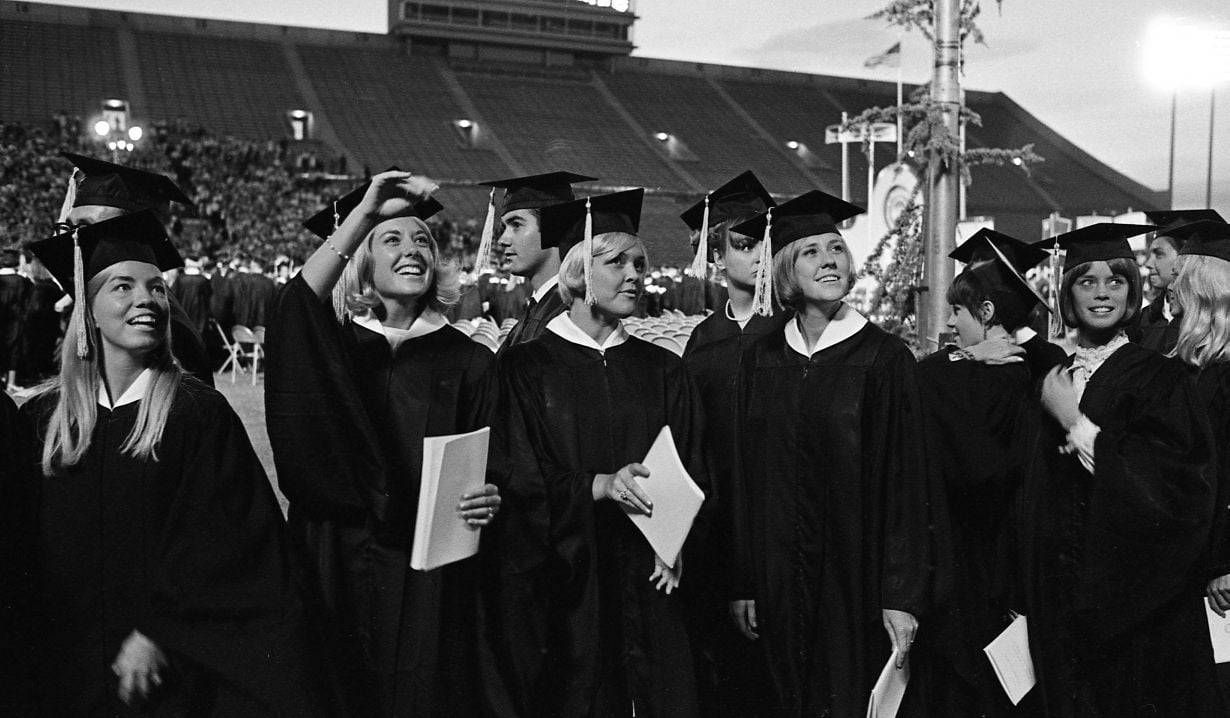
University of Arizona graduates seek out friends and family in Arizona Stadium during commencement ceremony on May 31, 1969.
John Hancock Bowl
Updated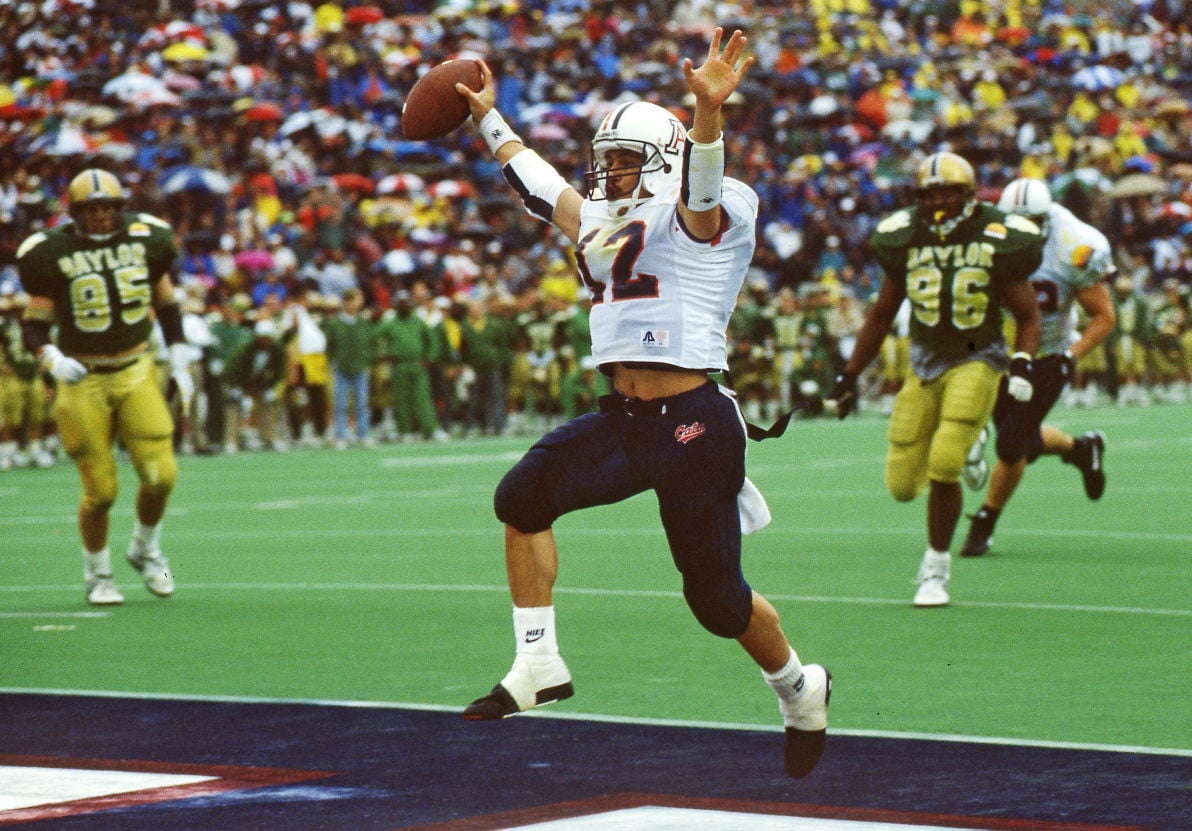
University of Arizona quarterback George Malauulu scores against Baylor during the John Hancock Bowl in El Paso, Texas on Dec 31, 1992. Rick Wiley / Tucson Citizen
Famous people who visited Tucson
Updated
Alabama Gov George Wallace addresses an audience at the University of Arizona on January 9, 1964. Months before he had already announced his intention to be the presidential nominee for the 1964 Democratic Party. A year before, Wallace famously declared during his oath of office as governor,"...segregation now, segregation tomorrow, segregation forever." Photo by Jon Kamman / Tucson Citizen
University of Arizona Homecoming
Updated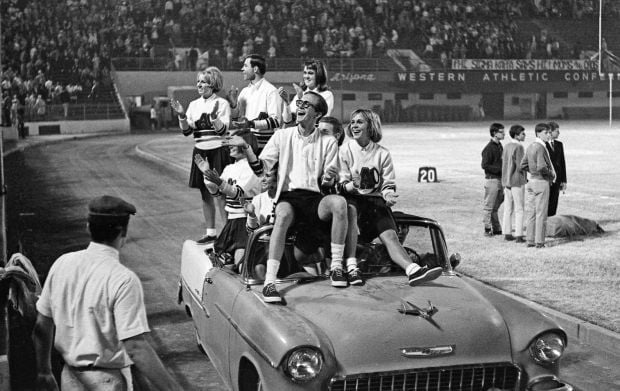
UA cheerleaders ride in the back of a 1955 Chevy Bel Air during the 1966 UA Homecoming football game against BYU at Arizona Stadium. It started in 1914, ebbed and flowed through the years due to wars, apathy or societal forces, but it remains strong today: The University of Arizona Homecoming week. See 100 images from 100 years of UA Homecoming at tucson.com/retrotucson

