


Tucson Unified School District will remain free of federal oversight in its long-time desegregation case, a federal appellate court ruled.
While TUSD “has not always embraced its obligation to remedy the effects of its past de jure segregation,” the court ruling Wednesday says. But the the district has shown it complied “in good faith with the requirements,” it continues.
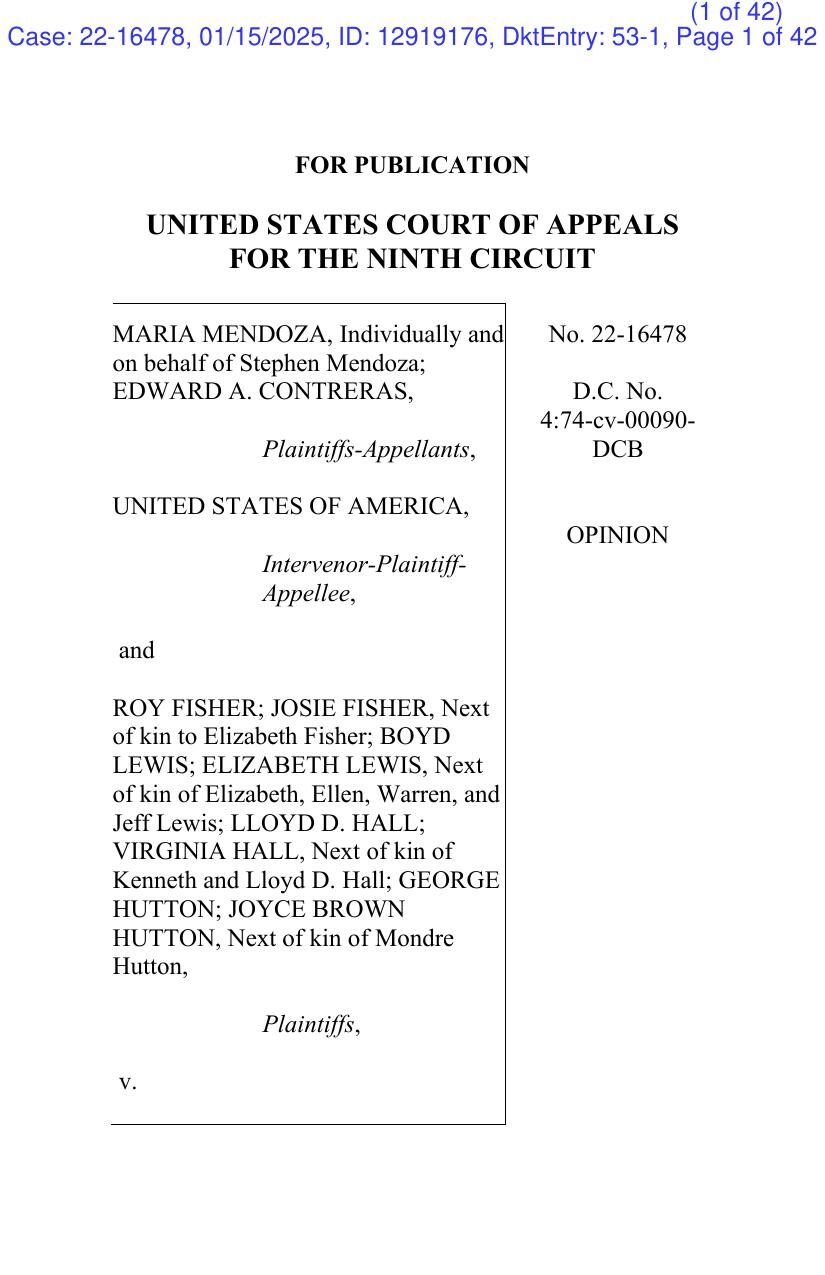
The decades-long court case stemmed from two class-action lawsuits filed in 1974 by a Black family and a Mexican-American family that accused TUSD of segregation.
The two lawsuits were later consolidated and, in 1978, the court found that discriminatory segregation existed in the district. That put TUSD under federal judicial supervision, in which the court had to approve any action that could potentially impact students.
Under a 2013 court plan, the district was required to adhere to measures that would dismantle segregation within the district. These efforts included modifying busing services, family and community engagement, student discipline practices and establishing the district’s magnet schools.
The court’s conclusion Wednesday states: “The District demonstrated that it was capable of making meaningful changes to its policies, practices, and procedures related to Mendoza v. Tucson Unified School District 7 desegregation by complying with the wide-ranging requirements imposed by the [plan] and with the district court’s supplemental orders, notices, and the like.”
Now, according to the district’s statement, the court has granted “full authority and governance of its duly elected Governing Board.”
In a statement, Tucson Unified Governing Board member Sadie Shaw expressed disappointment in the court’s decision, as well as TUSD’s efforts.
“We have spent hundreds of millions of dollars and decades of effort with the goal of eliminating the vestiges of segregation and ensuring equal opportunities for all students, regardless of race,” Shaw said, adding that she is “deeply concerned about the persistent disparities that continue to affect our students.”
In March 2024, a TUSD Governing Board meeting addressing moving released desegregation funds drew hundreds of attendees, most showing up to protest the district’s proposal. Proponents of maintaining court supervision have argued that TUSD hasn’t shown enough progress, and the district still suffers from racial inequities.
The court says otherwise. Judge Danielle J. Forrest said in the court’s opinion Wednesday: “Today we conclude that the district court’s work is done. We agree that the District is now operating in unitary status under the test established by the Supreme Court, and, therefore, it is time to return control of the District back to local authorities.”
Rubin Salter, Jr., a Tucson attorney who was part of the students’ legal team, said Thursday he hadn’t yet spoken with his clients about the ruling.
“It’s going to be a tough road for (TUSD) to even continue doing what they allege that they have done,” said Salter, who has been with the case for its duration. “It’s going to be a very perilous journey for the district, now that they aren’t under court order.”
With the legal battle apparently coming to a close, Salter indicated he had little confidence in future efforts to create a more inclusive education for TUSD students. Salter referred specifically to the nation’s political climate and the state of education funding.
“I don’t see, under the circumstances, with or without a court order, we can accomplish much more.”
In her statement, Shaw said: “While this ruling may signify a legal milestone, it does not mark the end of our responsibility to provide every child with an equitable education. Real justice demands that we look beyond compliance and commit to addressing these inequities head-on.”

Tucson Unified School District’s headquarters at 1010 E. 10th St.

