



The fact that Scott Warren is facing not one but two criminal cases suggests the Trump Effect is taking place in Southern Arizona. But is it?
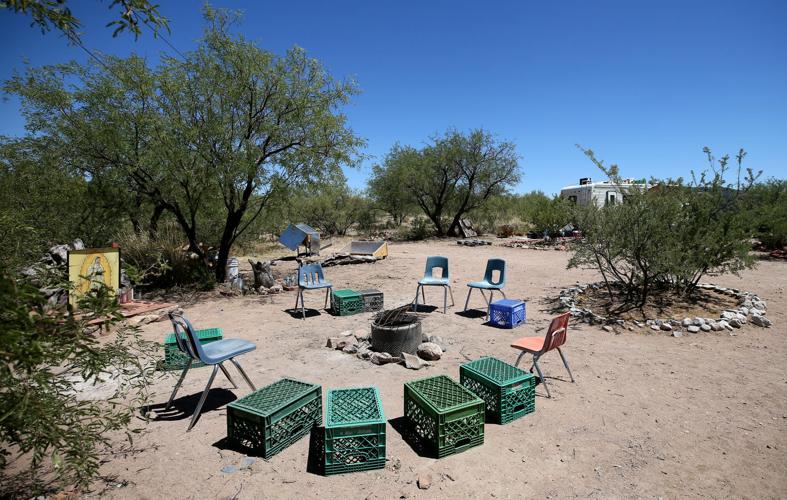
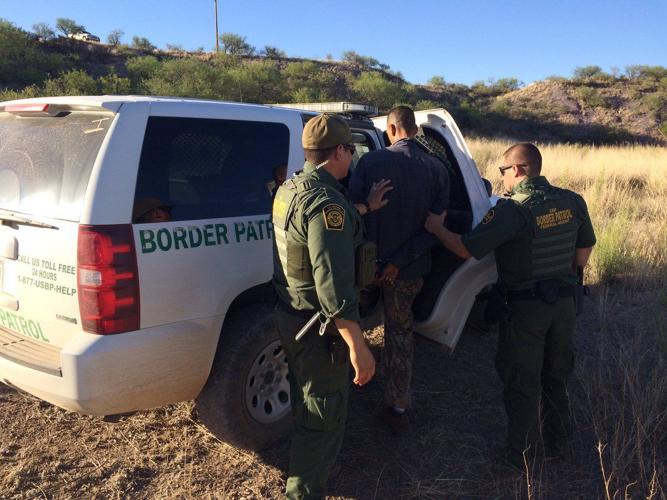
Warren, a volunteer for the group No More Deaths, was arrested last Wednesday, Jan. 17, for “harboring illegal aliens” in Ajo — that is, feeding two men who crossed the border illegally and giving them a place to sleep.
It was actually the second recent criminal case against Warren, an Ajo resident and instructor of an online course at ASU. He and eight other border activists are also accused of a variety of misdemeanors, including traveling without a permit into the Cabeza Prieta National Wildlife Refuge and leaving plastic water bottles there without permission last summer.
Together, these cases make it feel like a crackdown on local humanitarian aid activists is underway. And that would be consistent with the Trump worldview of border crossers as a threat to be eliminated, not victims of a crisis.
“We’ve been doing this for years. We’ve been doing it with the understanding of the Border Patrol and U.S. Attorney’s Office,” said Warren’s attorney, William Walker. “Things have changed.”
Maybe they have.
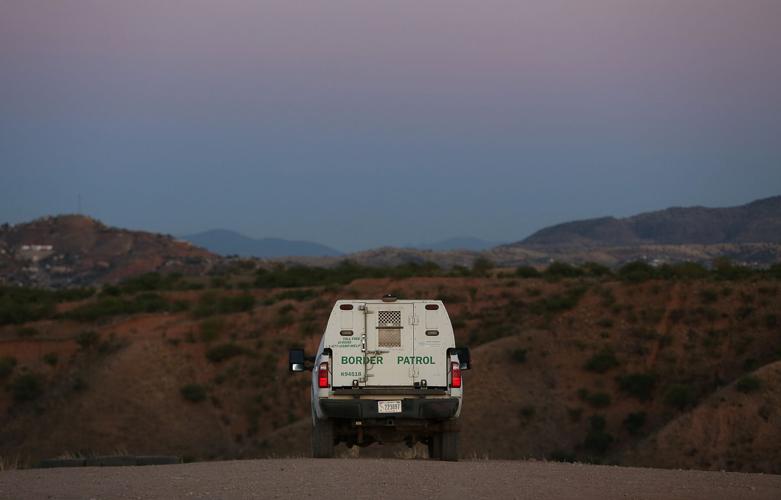
The Border Patrol has presented an ambivalent perspective on its view of the humanitarian situation along the border. On one hand, they regularly report rescuing border crossers who’ve run into trouble. Just last week, the patrol’s parent agency, Customs and Border Protection, tweeted out a warning against the cold and a reminder agents had rescued 750 people in the Tucson Sector last fiscal year.
But that warning came two days after No More Deaths put out its report concluding: “Our analysis leads us to believe that Border Patrol agents engage in regular and widespread destruction of water supplies with little or no apparent consequence.” The report used an analysis of the location of destroyed water and the timing, among other factors, to reach that conclusion.
Their conclusion was not rock solid, but suggestive. Just like the fact that Scott Warren was arrested in Ajo for “harboring” on the same day No More Deaths released its report accusing agents of damaging water supplies. We can’t conclude the agent arrested a No More Deaths volunteer in retaliation for the report, but the timing, nine hours after the report was released, is suggestive.
And yet, several factors tell me we may be premature to conclude a Trump crackdown has arrived in the borderlands.
One is that the Border Patrol says that nothing has changed about its attitude toward humanitarian aid groups like No More Deaths, Humane Borders and the Samaritans, all of which put aid out on migrant trails and help crossers in medical crisis.
“Our stance is still the same,” agency spokesman Steven Passement told me Tuesday. “Our concern is probably the same as theirs.”
Another factor: No More Deaths is a bit of an outlier among the humanitarian groups. While Humane Borders and the Samaritans groups skew older, No More Deaths is largely a young people’s group, many members gathered from among visiting college students. And it tends to be edgier and more confrontational in its activities.
It’s probably no coincidence that the first big criminal case involving border activists, filed in 2005, was against No More Deaths volunteers. In 2008 and 2009, 14 more No More Deaths volunteers were cited for littering on the Buenos Aires National Wildlife Refuge— again, their alleged litter was water and other supplies.
No More Deaths is also the only group that has declined to meet with the Border Patrol over the last couple of years, Passement told me.
None of this is to say Warren and the others were morally wrong to put out water on the Cabeza Prieta refuge — just that No More Deaths is confrontational and willing to push boundaries, while the other groups tend to work more within established arrangements.
A final factor: the U.S. Attorney’s Office. My colleague Curt Prendergast reported recently that the U.S. Attorney’s Office for Arizona is the only office in the country without either an approved or acting head. There is no appointment, and the former acting U.S. attorney, Elizabeth Strange, reached the 300-day limit for an acting position.
In other words, the federal prosecutors are on their own in determining whether to pursue the controversial cases against people like Warren in Ajo, or the other eight accused of littering in the Cabeza Prieta. There is no appointed-and-approved authority, answerable to the public, making these prosecutorial decisions.
So, I’m not convinced the hard-edged Trump era has arrived to crack down on humanitarian groups in Southern Arizona. But we do need to keep looking out for evidence of it. It may arrive in the form of the next U.S. attorney.

